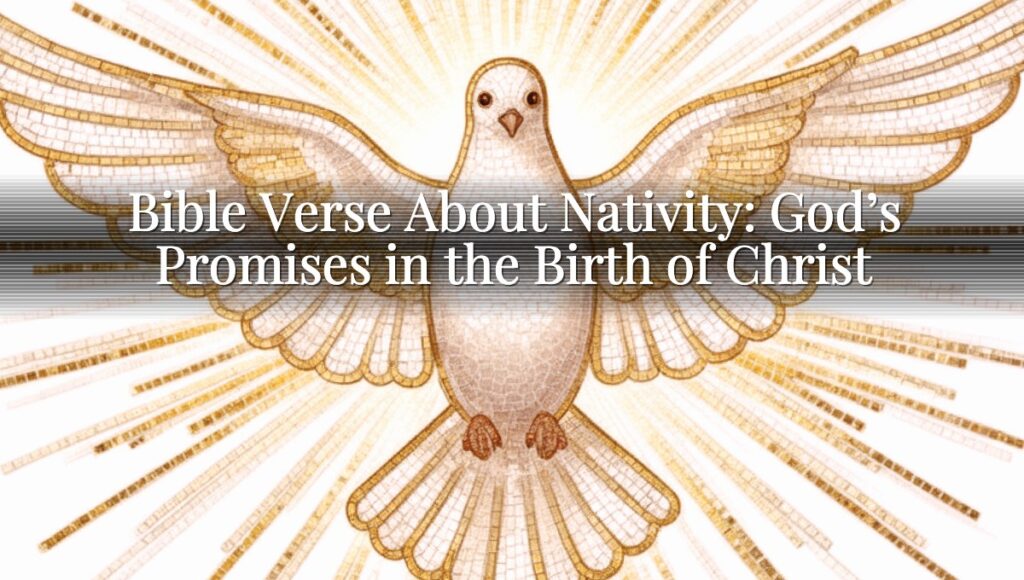
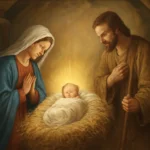
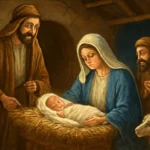
Bible Verse About Nativity: God’s Promises in the Birth of Christ
Quick Answer: A bible verse about nativity highlights God’s promise to send a Savior: a virgin who conceives and bears Immanuel, the ruler from Bethlehem, and the child whose name is Wonderful, Counsellor, The Prince of Peace. These verses invite you to worship Christ’s birth with faith, awe, and renewed hope, knowing God’s plan is fulfilled and His peace endures.
When we think about the nativity, we’re not only remembering a manger scene—we’re witnessing God’s verified promises coming true. The bible verse about nativity helps believers see the birth of Jesus as intentional, foreknown, and full of divine meaning. Isaiah points to a virgin conceiving and bearing a son, signaling God’s power and presence with His people. Micah places the coming ruler in Bethlehem, showing that God’s redemption has a specific, unfolding history. And Isaiah also reveals the newborn as Prince of Peace, whose reign brings lasting justice and joy. Together, these scriptures strengthen worship by grounding the celebration of Christmas in God’s Word. As you read, let the nativity move you from familiar tradition into heartfelt faith—trusting the Savior who comes to save, comfort, and rule.
At a Glance — Verses in This Article
Isaiah 7:14
Micah 5:2
Isaiah 9:6-7
Bible Verses
Isaiah 7:14 (King James Version)
“Therefore the Lord himself shall give you a sign; Behold, a virgin shall conceive, and bear a son, and shall call his name Immanuel.”
This verse directly connects the nativity to God’s promise that a virgin will conceive and bear a son named Immanuel.
Micah 5:2 (King James Version)
“But thou, Bethlehem Ephratah, though thou be little among the thousands of Judah, yet out of thee shall he come forth unto me that is to be ruler in Israel; whose goings forth have been from of old, from everlasting.”
This prophecy names Bethlehem as the birthplace of the coming ruler, rooting the nativity in God’s specific plan.
“For unto us a child is born, unto us a son is given: and the government shall be upon his shoulder: and his name shall be called Wonderful, Counsellor, The mighty God, The everlasting Father, The Prince of Peace. Of the increase of his government and peace there shall be no end, upon the throne of David, and upon his kingdom, to order it, and to establish it with judgment and with justice from henceforth even for ever. The zeal of the LORD of hosts will perform this.”
These verses describe the child born in the nativity as the Wonderful Counsellor and Prince of Peace, whose reign brings justice and enduring peace.
Why Nativity Scripture Matters: God’s Plan Fulfilled
The nativity is often celebrated with warmth—lights, songs, and family gatherings. Yet Christian hope becomes deeper when it is anchored in God’s Word. These prophetic passages show that Jesus’ birth was never an accident and never merely symbolic. Isaiah declares that the Lord Himself would give a sign: a virgin conceives and bears a son. That means the nativity is both supernatural and purposeful—God choosing to reveal His presence through the child.
Then Micah adds geographical clarity. Bethlehem is not just a setting; it is the appointed place where the ruler would come forth. Even though Bethlehem is described as “little,” God’s redemption does not depend on human greatness. It depends on His covenant faithfulness. This strengthens the believer’s confidence that God’s promises reach even the humble.
Finally, Isaiah 9 expands the significance of the birth. The child’s names are not decorative—they describe His character and mission. He is Wonderful, Counsellor, The mighty God, The everlasting Father, and The Prince of Peace. The nativity therefore carries authority: the government will rest upon His shoulder, and His reign will be established with judgment and with justice.
When you read nativity scripture this way, Christmas shifts from only remembering an event to rejoicing in the One who fulfills God’s promises. The story is meant to produce worship—faithful, grateful, and expectant—because God still acts according to His word.
Immanuel: God With Us in the Manger
One of the most comforting truths in the nativity is found in the name Immanuel. Isaiah 7:14 teaches that a virgin shall conceive and bear a son, and that His name will be called Immanuel. This title—God with us—means the birth of Jesus is not distant theology; it is God entering human life.
Why is that vital for the believer’s heart? Because many people experience life as heavy, uncertain, and emotionally isolating. But the nativity proclaims that God has not withdrawn. He has come near. When Christ is born, God is present—caring, guiding, and keeping His promises.
This is also a sign. Isaiah’s wording emphasizes God’s initiative: “the Lord himself shall give you a sign.” Nativity faith begins here: God is the One who provides, reveals, and fulfills. Your trust is not based on wishful thinking; it rests on God’s action.
In practical terms, “God with us” can change how you interpret ordinary days. It means you can pray with confidence, because the One who rules over the universe came in humility. It means you can face grief without being abandoned, because the Savior is near.
As you meditate on Immanuel, consider letting the nativity message reshape your expectations. God’s presence is not temporary like a seasonal feeling; it is the foundation of hope. The manger is the beginning of a reign that brings lasting peace.
Bethlehem’s Promise: The Ruler Who Comes to Shepherd
Micah 5:2 may sound like a small detail—just a birthplace—but it is actually a major part of how God builds trust. The verse identifies Bethlehem Ephratah and reminds us that Bethlehem would be “little among the thousands of Judah.” In other words, the coming ruler is revealed through the humble places of life.
This matters because many people look for God in places that feel impressive: strong platforms, powerful voices, or obvious signs of success. Micah challenges that mindset by showing that God often chooses the unlikely.
The prophecy continues by declaring that out of Bethlehem would come “he… that is to be ruler in Israel.” The nativity, then, is not merely about tenderness—it is about kingship. Jesus arrives as the promised ruler, not as a temporary visitor. His birth points forward to governance, protection, and restoration.
Micah also emphasizes that His “goings forth” are from of old, from everlasting. That language stretches beyond time. The child born in Bethlehem is connected to eternity, meaning His authority is stable and His salvation is reliable.
When you connect Micah’s prophecy to the nativity, worship becomes more intentional. You praise Christ not only for His compassion, but for His rightful reign. You can also carry hope into difficult seasons, remembering that God’s promise does not collapse under human weakness.
In a world that feels unstable, Bethlehem’s promise calls believers to trust the One who comes to rule with purpose—bringing direction, justice, and peace.
Prince of Peace: Names That Describe the Savior’s Reign
Isaiah 9:6-7 provides a breathtaking portrait of the child born in the nativity. The verse begins with joy: “For unto us a child is born, unto us a son is given.” This is not only a statement of history; it is a declaration of gift and purpose. God gives a son, and that gift is meant to transform the world.
Then Isaiah reveals the child’s names—each one a window into who He is. He is called Wonderful, Counsellor, meaning His wisdom guides His people. He is named The mighty God, emphasizing that His power is not limited. He is called The everlasting Father, showing His steadfast care. And most directly for hearts that ache, He is The Prince of Peace.
Peace in this context is not merely the absence of conflict. Isaiah links His reign to justice and judgment: “with justice from henceforth even for ever.” That means Christ’s peace is rooted in righteousness, not in denial of evil or neglect of truth.
Isaiah also describes the government as something resting upon His shoulder, and promises that there will be no end to the increase of His government and peace. For the believer, that is future hope made solid. The nativity celebration is therefore not only looking backward; it is looking forward to the enduring reign of Christ.
When you meditate on these names, ask how you need His counsel, His strength, His fatherly care, and His peace today. The nativity message invites you to receive the Savior personally. He is not only a symbol of Christmas—He is the living ruler whose reign reaches into everyday life.
Nativity scripture is meant to move you, not just inform you. Here are practical ways to respond with faith during the Christmas season and beyond.
First, practice prayer anchored in God’s character. When you remember Immanuel, pray, “God with us—stay near me today.” Speak honestly about your worries, then ask for guidance, courage, and comfort. Because Christ is the Wonderful Counsellor, you can ask Him for wisdom in family relationships, work decisions, and spiritual direction.
Second, renew your hope by returning to God’s promised plan. Read the nativity passages slowly and notice what they emphasize: God’s initiative, the ruler’s Bethlehem origin, and the enduring reign described as peace and justice. This helps guard your heart against seasonal distractions or a shallow holiday spirit.
Third, worship with intention rather than impulse. Choose one day this week to write a short worship note or journal reflection. Include one truth from each prophecy: virgin conceiving, Bethlehem’s ruler, and Prince of Peace. Make your response personal—what do these truths call you to trust?
Fourth, extend peace in daily choices. The Prince of Peace reigns, so you can practice peacemaking. Be patient, speak with kindness, and pursue reconciliation when possible. Even small acts—refusing harsh words, forgiving a misunderstanding, serving someone quietly—become a response to the nativity message.
Finally, carry the Word into tomorrow. Don’t let these verses stay in December. Let them shape how you think about God’s presence, His power, and His justice year-round.
Frequently Asked Questions
What is a nativity Bible prophecy that points to Jesus’ birth?
A clear nativity Bible prophecy is Isaiah 7:14, which says the Lord would give a sign: a virgin shall conceive and bear a son, called Immanuel. It teaches that Christ’s birth was promised and purposeful, not random.
Which verse about Jesus’ birth highlights Bethlehem as the location?
Micah 5:2 identifies Bethlehem Ephratah as the place where the ruler would come forth. Even though Bethlehem is described as little, God’s promise brings forth a shepherd-ruler whose origins are from of old, from everlasting.
How does scripture on the nativity of Christ describe who Jesus is?
Isaiah 9:6-7 describes the child born as Wonderful Counsellor, mighty God, everlasting Father, and Prince of Peace. It also connects His reign to justice and judgment, showing that the nativity is tied to Christ’s lasting kingdom.
How can the Bible passages about Immanuel help me during difficult seasons?
Because Immanuel means “God with us,” Isaiah 7:14 reassures you that God is present in real life, not distant from your needs. In prayer, you can ask for comfort and guidance, trusting the Savior who entered human life to bring peace.
A Short Prayer
Lord Jesus, we worship You as the promised Savior born for our salvation. Thank You that You are Immanuel—God with us—and that Your coming was never uncertain but faithfully foretold. Give us faith to trust Your reign, and help us to live with the peace You bring—justice in our choices and mercy in our hearts. Teach us to celebrate the nativity with sincere worship that continues beyond the season. Amen.
Key Takeaway: The nativity scriptures reveal God’s promised presence, a rightful ruler from Bethlehem, and a Prince of Peace whose reign brings justice forever.