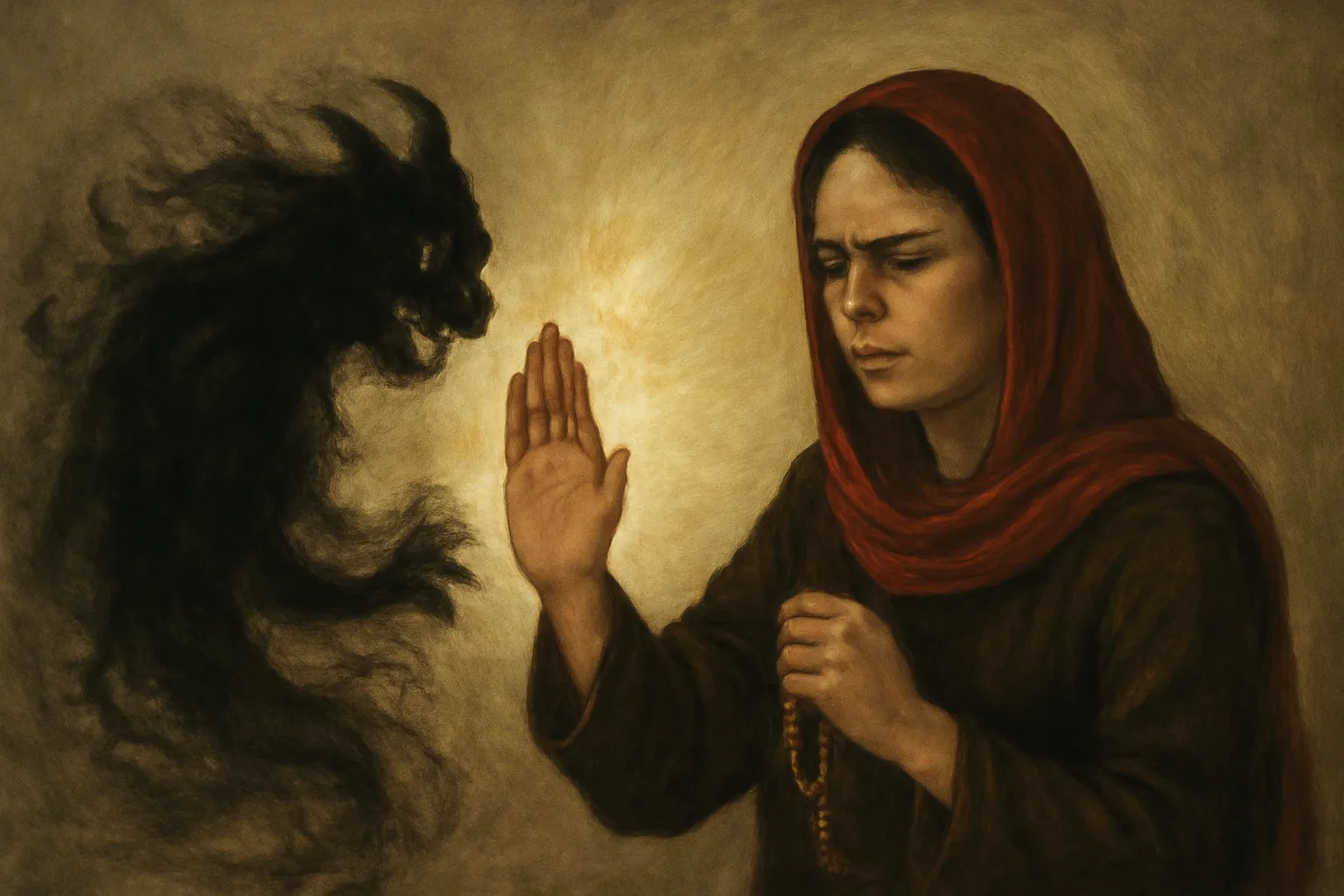
Black Magic Removal Prayer: Learn to Break Hexes and Find Peace
In many spiritual communities, black magic removal prayers are spoken as a way to confront fear, cleanse negative energy, and restore personal balance. Whether approached as a religious ritual, a meditative practice, or a form of energetic discipline, these prayers are united by a common goal: to break hexes, release lingering harm, and guide the mind toward peace, safety, and clarity. This article offers a broad, educational overview of the practice, exploring its meaning, diverse traditions, practical steps, and ways to adapt prayers to your own beliefs and needs. It is written to be informative and respectful of various faiths and spiritual paths, recognizing that the language and customs surrounding black magic removal can differ widely across cultures.
Understanding the idea of hexes, curses, and negative energy
At the heart of many traditions that speak about hexes, curses, or negative energetic influences is a belief that intention can affect outcomes beyond the visible world. In practical terms, a hex is often described as a focused intention directed toward another person or toward oneself, sometimes with ritual elements attached. A curse may be framed as a prolonged or stronger form of that intention, potentially perceived as a powerful or malignant influence. While scientific consensus does not validate the existence of such forces in physical terms, many people report real psychological and emotional effects that align with their beliefs about these energies.
A removal prayer seeks to:
Identify and acknowledge the presence of negative energy or ill effects.
Shift personal attention and intention away from fear and into safety and healing.
Invite protective, cleansing, and restorative energies or divine participation, depending on the practitioner’s framework.
Foster a sense of personal agency and responsibility for one’s emotional environment.
It’s important to approach these practices with humility, respect, and a clear sense of boundaries. A removal prayer is not a tool for harming others, and most traditions emphasize ethical conduct, compassion, and safeguarding oneself and one’s loved ones.
The spiritual and psychological power of prayer and intention
Prayer, in many forms, is a practice of sustained focus, repetition, and intentional breathwork. When used for removing negative energy, prayer can help in several ways:
It creates a dedicated space for reflection, which can reduce anxiety and rumination.
It provides a framework for setting boundaries, both internally and in one’s life situations.
It can foster a sense of protection and belonging within a larger spiritual community or personal belief system.
It supports emotional regulation through breath, posture, and cadence of spoken words.
From a psychological standpoint, the act of performing a removal prayer may help reframe challenging experiences as something that can be managed or resolved rather than something overpowering. The practice can also encourage healthier coping strategies, such as journaling, seeking social support, and engaging in restorative routines.
Historical and cultural perspectives on removal prayers
Across the world, communities have developed a wealth of methods for addressing fear, harm, and oppressive energies through prayer and ritual. Some perspectives emphasize monotheistic protection, others draw on ancestral wisdom, and still others incorporate nature, sound, and ritual masks as part of the cleansing process. It is valuable to approach these traditions with curiosity and respect, recognizing that language, symbolism, and ritual structure vary greatly.
Key themes that recur in many traditions include:
The idea that pure intention and a sincere heart matter as much as the words spoken.
A focus on protection—not just from harm, but from recurring patterns that create fear or distress.
A belief in divine or universal support when one asks for healing and release.
How to use a black magic removal prayer: practical steps and routines
Below is a structured approach that can be adapted to many traditions. The steps emphasize intention, setting, and reverent practice, balancing accessibility with depth.
Set a safe and quiet space. Create a physical environment that feels secure and calm. This could involve dim lighting, a clean surface, or a corner with a small altar or sacred object. Some people place a white candle, a symbol of purity and protection, and a bowl of clean water or salt if their tradition supports it.
Center your body and breath. Sit comfortably, lengthen the spine, and take slow, even breaths. Inhale through the nose for four counts, hold for four, exhale for six, and pause for two before repeating. This breath pattern helps calm the nervous system and clarifies intention.
Form a clear intention. State your purpose in a single, affirmative sentence. For example: “I intend to release all lingering negativity and invite safety, peace, and healing into my life.” Write this intention in your own words if helpful.
Choose a method of expression. Depending on your tradition, you might recite a prayer, chant a mantra, read sacred verses, or speak your own words aloud. Consistency matters more than complexity; the sincerity of your voice matters as much as the words themselves.
Speak the removal prayer aloud. Use language that resonates with you. You may borrow traditional phrases or craft your own lines that emphasize release, protection, and renewal. Emphasize phrases such as release, protect, purify, and restore.
Engage symbolic acts. If appropriate, perform symbolic cleansing such as sprinkling water, using salt, burning incense, or lighting a candle. Some traditions use gentle wanding or prayer beads to maintain rhythm and focus.
Offer gratitude. Conclude by expressing gratitude for support received, whether perceived as spiritual guidance, inner strength, or the resilience of your community and loved ones.
Ground and close the session. Touch the earth, place your hands on the ground, or slowly return your awareness to the present environment. Extinguish candles safely if you used them and reflect on any insights that arose.
Note that you can repeat steps or extend the practice over several days if you feel a strong need for ongoing cleansing. Some people maintain a daily routine of brief prayers or affirmations to uphold a sense of protection and peace.
Variations of removal prayers from different traditions
People tap into diverse spiritual resources when seeking to remove negative influence. Here are common variations of removal prayers across several traditions, illustrating how language, symbolism, and ritual objects differ while the underlying intention remains similar: to break harm, restore balance, and foster inner peace.
Christian perspectives on protection and healing prayers
Within Christian practice, many focus on God’s protection, the authority of Christ, and the healing of the soul. Typical elements include invoking God, asking for guidance, and seeking protection from spiritual harm. A simple Christian removal prayer might include lines such as:
“In the name of Jesus, I command any spirit of fear, hex, or oppression to leave and never return.”
“Lord, surround me with Your shield of protection, wash me in Your forgiveness, and restore my peace.”
“I claim safety, healing, and liberty from all spiritual bondage, in Your holy name.”
Christ-centered prayers often emphasize faith, trust in divine sovereignty, and the idea of being “washed” or made new. When adopting Christian formulations, it is customary to align with one’s own denomination’s guidelines and traditions.
Hindu and South Asian traditions: mantras and protective energies
In Hindu practice, the use of mantras, prayers to particular deities, and ritual purity can play a central role in removal practices. Common elements include invoking deities such as Ganesh or Durga for removal of obstacles and protection, as well as the use of sacred syllables like Om.
MANTRA-based prayers that emphasize removal of negativity and restoration of harmony.
Ritual purity, including cleansing baths, fresh flowers, and sacred powders.
Offerings to the divine as a form of gratitude and faith.
In these traditions, intention, reverence, and alignment with dharma (righteous living) are considered essential. The exact words may vary by community, but the goal remains the same: to clear obstruction and invite auspicious energy.
Pagan, Wiccan, and neo-Pagan protective rituals
In modern Pagan paths, removal prayers often take the form of invocations, blessings, and seasonal rites. Common elements include circles of protection, corresponding elemental energies (earth, air, fire, water), and ritual tools like athames, wands, and pentacles. A typical approach might involve:
Calling upon protective energies to guard the practitioner.
Using symbolic cleansing methods (smudging with sage, sprinkling saltwater, or burning bay leaves).
Reciting personal affirmations that emphasize healing and release.
The emphasis in these traditions is on autonomy, balance, and a respectful relationship with natural and spiritual forces.
African diaspora and African traditional religious approaches
Many communities draw on ancestral wisdom and a belief in spiritual interconnectedness. Protective prayers may be paired with rituals, beads, drums, or trance-like states that are culturally specific. An important thread is the emphasis on communal healing, accountability, and the restoration of harmony within families and communities.
Important note: When engaging with traditional practices from cultures other than your own, it’s respectful to seek guidance, avoid appropriation, and honor the cultural context and consent of the community or practitioner involved.
Daily life practices to support peace and protection
Beyond formal prayers, there are everyday practices that support a sense of safety and inner calm. These practices can complement a formal removal prayer and help maintain balance in your life.
Mindful breathing and grounding exercises to center the body in daily moments of stress.
Positive affirmations that reiterate safety, resilience, and self-worth.
Regular meditation or quiet reflection to monitor emotional shifts and respond wisely to triggers.
Healthy boundaries with others and clear communication to reduce harm and misalignment.
Engaging in restorative activities such as nature walks, journaling, or creative outlets that support emotional release.
These practices are not a substitute for any medical or psychological treatment but can complement a holistic approach to well-being, especially when fear or stress related to perceived negative influences is affecting daily life.
Common challenges and myths about removal prayers
Like any spiritual practice, removal prayers come with questions and misconceptions. Here are some clarifications to help you approach the topic more confidently.
Myth: A removal prayer guarantees immediate or visible miracles. Reality: Outcomes vary; prayers often aim to shift internal states, perceptions, and resilience, which can lead to positive changes in how you respond to situations.
Myth: Prayers can control others’ free will. Reality: Ethical practice emphasizes affecting your own response and removing burdens you carry, rather than manipulating others.
Myth: Only certain traditions have valid removal prayers. Reality: Across cultures, many traditions offer legitimate and meaningful forms of cleansing, protection, and healing, always within their own contexts.
Myth: If harm persists, the prayers have failed. Reality: Persistent challenges may require additional support, time, or broader spiritual and practical strategies.
Safety, ethics, and boundaries in removal prayers
Ethical practice is essential. Here are guidelines to protect yourself and others while engaging in removal prayers:
Consent and respect: Avoid imposing rituals on others without consent, especially in family or community contexts.
Non-harm principle: Refrain from chasing or encouraging fear, vengeance, or manipulation as a result of the practice.
Personal safety: If you encounter intense distress or trauma, seek professional support and ensure you have coping resources in place.
Acknowledgement of boundaries: Some situations may require professional mediation, counseling, or legal assistance alongside spiritual practices.
Creating and personalizing your own removal prayer
Crafting a personal removal prayer can deepen your connection to the practice. Here are steps to tailor a prayer that fits your beliefs and needs:
Identify your core intention. What are you seeking to release (fear, harm, stagnation) and what are you inviting (peace, protection, clarity, healing)?
Choose sacred language. Use words that resonate with your faith tradition or spiritual sensibility. You can mix traditional phrases with your own heartfelt wording.
Incorporate symbolic elements. Include images, objects, or actions (light, water, salt, breath) that hold meaning for you.
Set a rhythm. Decide how long the practice will run (a few minutes, several days) and how often you will repeat it to build consistency.
Record and reflect. Keep a journal of experiences, insights, or emotional shifts you notice during and after the prayer.
A sample framework for a personalized removal prayer might look like this:
“I bow to the source of all protection and light. I release all fear, harm, and oppressive energy that no longer serves me. May my space be filled with peace, clarity, and healing. Shield me from what harms me, cleanse my heart and mind, and restore balance to my life. I am open to the return of vitality and well-being. So be it.”
Feel free to adapt the wording, the cadence, and the imagery to suit your beliefs. The most important aspects are sincere intention, consistent practice, and a sense of responsibility for your own well-being and that of others.
Putting it all together: a holistic approach to healing and peace
Black magic removal prayers are best understood as part of a broader journey toward inner peace and emotional resilience. A holistic approach might include:
Regular spiritual practice (prayer, meditation, or contemplation) to maintain alignment with your values and goals.
Healthy lifestyle choices that support mental and physical health, including sleep, nutrition, and exercise.
Open communication with trusted friends, family, or spiritual mentors who can offer support and accountability.
Professional help when needed, such as counseling or therapy, especially if fear or distress feels overwhelming.
To round out the discussion, here are answers to common questions people have about removal prayers and their practice:
Do removal prayers work for everyone? Effects depend on a variety of factors, including personal belief, consistency, and context. They are often most effective when combined with practical steps that support well-being.
Can I perform a removal prayer alone? Yes. Personal practice can be powerful, especially when you have a clear intention and a quiet space. Community or spiritual guidance can enhance the experience if that aligns with your beliefs.
Is it appropriate to combine prayers from different traditions? It can be meaningful to integrate elements that resonate with you, but approach with respect and awareness of cultural contexts to avoid appropriation. When in doubt, consult leaders from the traditions you are drawing from.
Conclusion: finding peace, release, and renewed courage
Ultimately, a black magic removal prayer is about reclaiming your sense of safety and agency in the face of fear, harm, or adversity. It is a practice that invites you to slow down, breathe, and turn your attention toward healing. By combining intention with ritual, you create a personal shield of protection—one that exists not only in the metaphysical realm but also in your daily choices, relationships, and the way you care for yourself. Whether you approach this topic from a Christian, Hindu, Pagan, African diasporic, or secular spiritual perspective, the core aim remains consistent: to break hexes, release what harms you, and illuminate a path toward peace and healing.
As you explore the practice, remember these guiding principles:
Respect for diverse beliefs and practices
Ethical behavior and non-harm toward others
Honest self-reflection and emotional self-care
Openness to seek additional support when needed
With patience, intention, and humility, you can cultivate a sense of safety and serenity that endures beyond the moment of a prayer. The journey toward healing is personal, and your practice—whatever form it takes—can become a steady beacon that guides you toward greater peace, resilience, and trust in the possibility of better days ahead.

 Por Laura Jara