In its simplest form, church membership is a formal, recognized bond between a person and a local church body. It is more than mere attendance or periodic participation; it is a deliberate alignment with a community of believers who commit to worship, study, service, and accountability together. Across traditions, membership often carries not only a sense of belonging but also practical implications: rights to participate in church governance, responsibilities to support ministry, and access to pastoral care and sacraments. The language of belonging here is not about cliques or exclusivity; it is about joining a spiritual family within a concrete local context.
For many people, membership also signals a shared confession of faith, a common understanding of scripture, and a mutual covenant to live out the gospel in daily life. This does not erase differences in tradition or practice; instead, it honors the common center around which diverse communities can rally: the person and work of Jesus Christ, the authority of the Bible, and a commitment to love God and neighbor. When done well, membership becomes a framework for growth, accountability, and service that benefits both individuals and the broader mission of the church.
Different churches may describe membership with slightly different terms—“becoming a member,” “joining the congregation,” “placing membership,” or “official affiliation.” Regardless of the exact wording, the essential idea remains the same: a recognized, ongoing connection that shapes identity, duties, and belonging. In this guide, we will use a broad, ecumenical lens to walk through what it means to become part of a local church, why it matters, and how to participate well as a member in good standing.
Why Membership Matters
The question of why one should pursue church membership touches both the spiritual and practical dimensions of life. When communities of faith articulate a clear sense of belonging, several beneficial dynamics tend to emerge.
Accountability and care: Members often receive pastoral care, mentoring, and accountability from leaders and fellow believers who know them over time. This network can encourage spiritual discipline, perseverance, and resilience in trials.
Spiritual formation: Membership provides a predictable rhythm of worship, teaching, and service that fosters growth in faith, hope, and love. It invites the whole person—mind, heart, and will—into ongoing discipleship.
Participation in governance: In many traditions, members contribute to decisions about church leadership, budget, vision, and ministries. This ownership helps align the church’s mission with the values and gifts of the people.
Access to the sacraments or ordinances: For some churches, membership is linked to eligibility for baptism, communion, and confirmation according to a community’s doctrinal standards and practice.
Missional clarity: A unified body with shared commitments is often more effective in outreach, mercy, and justice initiatives—locally and beyond; membership anchors generosity and collaborative service.
It is important to recognize that membership should never be understood as a prerequisite for grace or a gatekeeping tool. Rather, it is a framework that helps persons live out their faith in community, receive support in times of need, and contribute to a shared witness to the world. In a healthy church, belonging grows from mutual trust, transparent communication, and consistent demonstration of love in action.
Historical and cultural perspectives
The concept of formal church membership has deep historical roots, evolving with doctrinal emphases and cultural contexts. Some communities trace membership to apostolic practices, others to medieval or Reformation-era structures, and many contemporary churches adapt the form while preserving a shared core: a covenantal bond among a church family. Across centuries and denominations, the aims have commonly included safeguarding doctrinal alignment, encouraging faithful living, and enabling organized care for the vulnerable, widows, orphans, and the sick. Understanding this history helps modern readers appreciate that membership is not merely bureaucratic; it is an ancient means by which God’s people navigate trust, accountability, and mission together.
Ways to Join: Pathways into a Local Church
Every church navigates membership a little differently, yet several common pathways recur across traditions. The following outline presents practical routes people typically follow to become formally connected.
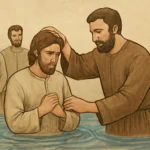
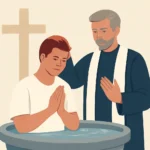
Profession of faith and baptism (or affirmation of baptism): In many churches, becoming a member follows a public confession of faith in Jesus Christ and baptism, or the reaffirmation of baptismal vows for those who have already Christian baptism in another tradition. This pathway emphasizes personal faith and the visible sign of conversion.
Membership class or orientation: A structured course or series of conversations that cover beliefs, practices, governance, and expectations. Through this process, prospective members clarify alignment with the church’s mission and doctrinal stance and get to know leaders and peers.
Statement of faith and covenant signing: Some communities require a formal affirmation of shared beliefs and a written covenant, detailing commitments to worship, service, financial support, and mutual accountability.
Practical steps to begin the process
Attend several worship services and participate in parish life to learn the church’s culture and values.
Meet with a member of the leadership team or a designated elder/minister to explore beliefs, expectations, and the process for membership.
Participate in a membership class or a series of interviews that cover doctrinal positions, polity, and ministry opportunities.
Make a formal commitment by signing a covenant or publicly affirming the church’s confession of faith as required by the local body.
Receive the laying on of hands, if your tradition practice includes this, or the appropriate formal welcome into the body of the church.
Special considerations for diverse contexts
Some people join through a process designed for transfer of membership from another congregation. In this scenario, a candidate may present a letter of transfer or provide verification of baptism and faith commitments. For others, involvement may begin informally through volunteering, small groups, or weekly participation, with formal membership pursued after a period of demonstrated alignment with the church’s beliefs and practices. Churches that serve immigrant communities or multilingual congregations may offer language-accessible pathways and culturally sensitive processes that honor both personal history and doctrinal unity.
Belonging and Community: The Experience of Being a Member
Belonging is more than a label; it is an experiential reality that shapes daily life. Membership in a church creates a network of relationships that sustains and challenges individuals to live out their faith in tangible ways. When a member participates in the life of the congregation, several dimensions of belonging become visible.
Worship and liturgy: Members gather for corporate worship, where the high point is often the encounter with God through prayer, song, and the proclamation of Scripture.
Spiritual formation: Education programs, discipleship cohorts, and mentoring relationships nurture growth in knowledge and virtue.
Ministry and service: Members contribute to ministries such as care for the sick, tutoring, outreach, and mercy ministries. Each person’s gifts are valued in the body.
Fellowship and hospitality: Shared meals, small groups, and social events foster authentic relationships and mutual support.
Accountability and care: A well-functioning church community practices constructive accountability in areas like finances, ethics, and family life, always rooted in compassion and grace.
In healthy contexts, belonging does not imply uniformity of opinion on every issue. It means agreeing on core essentials, honoring diversity of background and perspective, and choosing unity in mission. Members learn to disagree respectfully, to confess shortcomings, and to pursue reconciliation when conflicts arise. A robust sense of belonging also invites people to serve one another, bear burdens, and celebrate one another’s joys and milestones.
Community rhythms that support belonging
Weekly worship that centers on proclamation, prayer, and sacramental life.
Small groups or life teams that meet regularly for Bible study, accountability, and mutual encouragement.
Care networks for families, the elderly, or those facing difficult transitions.
Volunteer teams and leadership opportunities that align with gifts and passions.
Communication channels—newsletters, online forums, and pastoral updates—that keep members informed and connected.
Membership as Covenant: Commitments That Shape Life
A central idea in many Christian communities is that membership functions as a covenant, a binding relationship grounded in shared beliefs and a communal pledge to live according to the teachings of Scripture and the church’s stated mission. This covenant often encompasses four major areas:
Theological alignment: A commitment to the church’s doctrinal statements, confessions, or doctrinal standards; this alignment safeguards the integrity of worship and teaching.
Worship participation: Regular engagement in worship life, including corporate prayer, preaching, and sacraments, as a visible expression of devotion.
Financial stewardship: Consistent giving or support for the ministry, facilities, and outreach initiatives, reflecting gratitude and shared responsibility.
Mutual accountability: Openness to pastoral care, correction, and encouragement from brothers and sisters in the body, carried out within a context of grace and confidentiality.
The covenant model emphasizes reciprocity: the church promises to care for the member, while the member promises to contribute to the church’s life. This mutual "we" helps prevent isolation and fragmentation, especially in times of struggle, doubt, or transition. It also creates a stable platform for mission, as members coordinate their gifts and resources toward common aims, such as evangelism, social justice, or local outreach.
When a person understands their covenant commitments, decisions about work schedules, relocation, or family life can be made with the church’s guiding convictions in view. In practice, covenants encourage consistent prayer for church leaders, active participation in ministry teams, and a readiness to extend hospitality and service to neighbors. For families, the covenant can shape routines around Sunday worship, Christian schooling or catechesis, and intergenerational discipleship. For individuals, it may guide how one uses time, money, and talents in order to reflect Christ’s lordship in every arena of life.
Practical Steps to Joining and Growing as a Member
The journey into membership does not end with a ceremony or a signed document. The ongoing work of belonging and discipleship requires deliberate choices, sustained involvement, and continual discernment. The following practical steps are designed to help new members, as well as those considering membership, to navigate this process gracefully.
Step-by-step guide
Clarify your faith commitments: Explore your own beliefs about who Jesus is, what the Bible teaches, and what you mean by life with God. This step helps ensure alignment with the church’s core standards.
Engage in introductory conversations: Meet with a pastor, elder, or membership director to discuss your journey, questions, and hopes for ministry within the church.
Participate in a formal intake process: Join a membership class, confirmation interview, or covenant signing as your church requires. This process often includes a review of beliefs, baptism status, and church polity.
Commit to regular worship and service: Start building habits of attendance, participation in small groups, and service in concrete ministries that fit your gifts.
Seek mentorship and accountability: Pair with a mature believer or a ministry leader who can guide you in spiritual growth, prayer, and righteous living.
Contribute to the life of the church: Involvement in finances, volunteering, and stewardship fosters a sense of shared responsibility and ownership.
If you are moving between churches, a respectful transfer of membership helps the receiving congregation welcome you as a partner in mission. Communicate openly about your background, confirm baptism or confirmation status if required, and participate in the receiving church’s membership affirmation process. Recognizing a seamless transition honors both communities and honors God’s work in your life.
Living as a member: daily practices
Participate weekly in worship and the Lord’s Supper if offered; nurture a rhythm of remembrance and grace.
Join a small group or ministry team to cultivate intimate accountability and mutual care.
Practice hospitality by opening your home or hosting events for neighbors and fellow believers.
Give generously to sustain the church’s work and to express gratitude for God’s provision in your life.
Offer spiritual gifts in service, volunteer leadership, or teaching roles when appropriate, aligning with the church’s needs and your gifts.
Maintaining and Nurturing Membership
Membership is not a one-time event but a continuing journey of growth, fidelity, and mutual care. The following practices help ensure that membership remains life-giving for the individual and the local body.
Regular participation: Consistent involvement in worship, prayer gatherings, and Bible study reinforces belonging and strengthens the church’s shared life.
Healthy boundaries and forgiveness: In a diverse community, disagreements occur. Healthy members pursue reconciliation, extend grace, and practice accountability with humility.
Stewardship and generosity: Thoughtful financial stewardship, time, and talent reflect a member’s gratitude and commitment to the church’s mission.
Continual learning: Ongoing catechesis, reading, and spiritual disciplines deepen understanding and devotion, equipping members for more effective ministry.
Care for the vulnerable: Active engagement in mercy ministries, caregiving, and support networks demonstrates the gospel in action.
It is also essential for a church to maintain healthy processes around church discipline, conflict resolution, and appeals to governance structures when concerns arise. A pastoral approach that emphasizes restoration, fairness, and clear communication helps preserve trust and unity, even in difficult times.
Assessing health as a member
A healthy membership shows signs of vitality: enthusiastic worship, generous service, visible care for one another, and a shared mission that extends beyond the walls of the building. It also demonstrates resilience in the face of trials and openness to correction, growth, and change as the church seeks to follow Christ faithfully.
Special Circumstances: Transitions, Involvement, and Exceptions
The path to membership is adaptable to different life situations. Some individuals come from backgrounds where formal church membership was not emphasized, while others are new to faith and must navigate a steep learning curve. Churches often provide considerate pathways to help such people become part of the community in a way that respects their history and fosters growth.
Transferring from another church: Many congregations accept letters of transfer, baptismal certificates, or other documentation to recognize prior commitments and avoid redundancy in membership processes.
Reaffirmation for those rejoining: People who have had lengthy breaks from church life may reaffirm their faith and re-enter membership through a renewed commitment process or an updated covenant.
Adult baptism or reaffirmation: Some individuals may pursue baptism or reaffirm their baptismal vows as part of joining. This can be especially meaningful for those who have not previously participated in baptism.
People with diverse backgrounds: Multicultural and multilingual churches often provide resources to ensure clear communication of beliefs, expectations, and responsibilities, honoring both unity and diversity.
Regardless of the pathway, the overarching aim remains steady: to cultivate belonging and to align lives with the church’s mission while maintaining space for grace, doubt, and growth. The goal is not conformity for its own sake but flourishing in grace within a community that embodies Christ’s love.
Common Questions About Membership
The following frequently asked questions summarize practical concerns people have when considering church membership.
Is church membership required for salvation?
No. Membership is a human response within a local community. Salvation is believed to be by grace through faith in Jesus Christ; membership is a response to that grace in the context of community and ministry.
What rights do members typically have?
Rights vary by church, but common privileges include participation in congregational decisions, eligibility for leadership roles, and access to church ministries and resources.
What responsibilities come with membership?
Typical responsibilities include regular worship, financial giving, service in ministries, accountability to leaders and fellow members, and upholding the church’s doctrinal standards and covenant commitments.
What if I disagree with the church’s stance on a non-essential issue?
Many churches cultivate room for healthy debate on non-core matters while preserving unity around essential beliefs and mission. Approach differences with humility, curiosity, and a willingness to learn.
What if I want to leave or transfer away?
Most churches allow for a formal process of departure or transfer. Communicate clearly with leaders to ensure a respectful transition that honors both the departing member and the church community.
Closing Thoughts: Belief, Belonging, and Becoming More Like Christ
Church membership is a practical, lived-out instrument of God’s grace in the life of a believer and a community. It binds individuals to a local expression of the body of Christ, invites people into meaningful relationships, and empowers them to participate in God’s mission in the world. When done well, membership nurtures belonging, fosters discipleship, and sustains a vibrant, transformative witness to the Good News.
If you are considering joining a church, take time to study its beliefs, meet with leadership, and experience the rhythm of its life. Pray for discernment, seek counsel from mature believers, and step forward with a posture of humility and grace. Remember that the aim of membership is not only personal growth but also the collective advancement of God’s kingdom through love, service, and faithful witness.









Leave a Reply