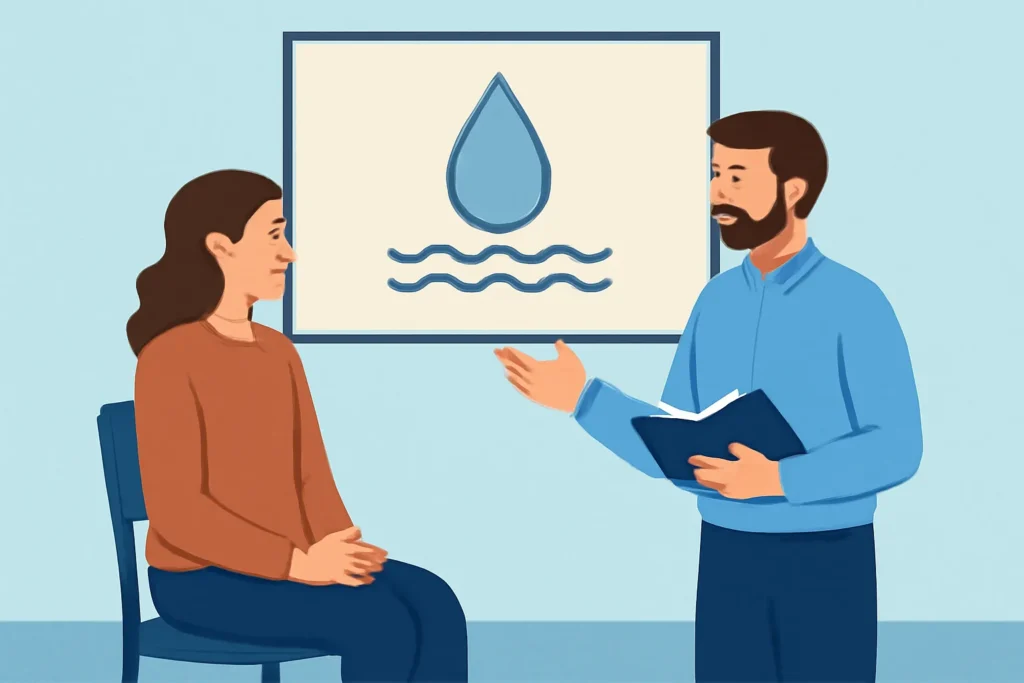
Adult baptism classes are designed for individuals who want to understand the meaning of water baptism, articulate a personal faith in Christ, and join a local church community. In many churches, these programs are also called baptism preparation for adults, adult baptism education, or classes for adult baptism. A well-structured program blends theology, personal testimony, and practical guidance for new believers. The goal is to help participants move from curiosity to conviction and to publicly affirm their faith through baptism, while also laying a foundation for ongoing discipleship.
Schedule and Format for Adult Baptism Instruction
The schedule for adult baptism courses varies from congregation to congregation and can be adapted to meet the needs of working adults, parents, and students. While the details differ, several common formats have proven effective in helping adults prepare for a meaningful baptism experience:
Weekly evening sessions spanning 6 to 12 weeks, with each meeting lasting about 60 to 90 minutes.
Weekend intensive formats that combine a Friday evening introduction with a Saturday series of sessions, often culminating in a baptism service on Sunday.
Online or hybrid formats that allow participants to engage with content remotely while maintaining accountability through live video sessions, chat discussions, and periodic in-person gatherings.
One-on-one conversations with pastors, mentors, or approved teachers for personalized exploration and guidance.
Planning considerations for schedules
Align the course timeline with the church’s baptism date or planned baptism Sunday so that learners have a clear target.
Consider accessibility, including transportation, child care, and language needs. Offer translation or interpretation if your community is multilingual.
Provide alternative tracks for those who are re-affirming faith, transferring membership, or joining after transfer from another church.
Share a clear registration deadline and a realistic cap on class size to preserve interaction and quality.
Include a preparatory reading or short devotional plan so participants come prepared and engaged from week one.
Curriculum for Adult Baptism Classes
A robust curriculum for adult baptism should address both belief and practice, helping learners understand what it means to follow Jesus and how baptism fits into that journey. The content should be accessible to people with diverse levels of biblical literacy and varied church backgrounds. Below is a framework you can adapt for your context.
Core Doctrines and Beliefs
Creation and sin—understanding humanity’s need for salvation and the problem of sin in daily life.
God the Trinity—the Father, Son, and Holy Spirit as distinct persons within one divine essence.
Jesus Christ—His life, death, resurrection, and role as Lord and Savior.
Grace and faith—salvation by grace through faith, not by works, and what it means to trust Jesus personally.
Holy Spirit—the Spirit’s work in conviction, empowerment, and growth in the Christian life.
Scripture—the authority, trustworthiness, and role of the Bible in shaping beliefs and practice.
Salvation and new life—the transformation that follows faith, including repentance, surrender, and ongoing discipleship.
What is Baptism? Significance, Mode, and Meaning
The Significance of baptism as a public declaration of faith and identification with Jesus’ death, burial, and resurrection.
Different modes of baptism (immersion, pouring, or sprinkling) and how local tradition shapes practice, symbols, and interpretation.
Credo and practice—why the church chooses baptism as a step of obedience and a sacramental expression of belief.
Preparation for the baptismal moment—prayerful reflection, confession of faith, and readiness to testify to God’s work in one’s life.
Scripture and Spiritual Formation
Bible literacy—foundational skills for reading Scripture, understanding context, and applying it to daily living.
Prayer and devotion—practical routines for cultivating ongoing conversation with God and listening for guidance.
Discipleship relationships—the role of mentors, accountability partners, and small groups in sustained growth.
Discovery of personal testimony—helping participants craft a concise, authentic account of their journey of faith.
Church Membership and Discipleship
Membership expectations—the responsibilities and privileges of joining the church, including regular attendance, financial stewardship, and service.
Volunteer pathways—opportunities to contribute in ministries, outreach, worship, or care teams.
Accountability and care—how the church community supports spiritual growth and accountability, including pastoral care and group oversight.
Community life—the rhythm of fellowship, accountability, and mission within the local church body.
Practical Foundations
What baptism communicates to family, friends, and the church body, including the symbolism of death to sin and new life in Christ.
What baptism does not do—clarifying that baptism is an outward sign of inward faith, not a personal salvation that replaces faith.
Life after baptism—discipleship pathways, ongoing formation, and community engagement.
Respect for diversity—honoring differences in background, testimony, and pace while maintaining core doctrinal clarity.
Preparation Guide for Prospective Baptisms
Preparing for baptism is a personal, communal, and spiritual process. A structured guide helps each participant move with confidence toward the baptismal moment and the ongoing life of faith that follows. The guidance below outlines practical steps and reflective practices you can integrate into your journey.
Self-reflection and confession—take time to reflect on your faith journey, identify turning points, and articulate areas where you have experienced healing or transformation.
Statement of faith—draft a brief personal confession or testimony that describes how you came to faith, what you believe, and how you hope to live it out.
Prayer life—establish or strengthen a daily practice of prayer, including gratitude, lament, and intercession for others.
Scripture engagement—commit to regular Bible reading or study, focusing on passages related to baptism, faith, and discipleship.
Mentor or sponsor pairing—partner with a trusted believer (pastor, elder, or mature church member) who can guide you through questions, test your understanding, and provide encouragement.
Church involvement—participate in a small group or service opportunity to experience the rhythms of Christian community before baptism.
Testimony development—practice sharing your faith story with a supportive mentor, refining clarity, and ensuring it honors the Spirit’s work in your life.
Personal growth plan—set concrete next steps for catechesis, service, and spiritual disciplines after baptism.
Eligibility review—undergo a brief interview or assessment with church leadership to confirm understanding of beliefs, baptismal commitments, and church membership expectations.
Baptism readiness—recognize markers such as consistent faith, desire for public confession, and agreement to participate in the church’s life and mission.
Mentor and Community Support
Adult baptism is best experienced within a community that supports growth, accountability, and ongoing discipleship. A robust program identifies mentors or small groups who walk alongside participants before, during, and after baptism. Consider these elements to strengthen the journey:
Mentor relationships—each learner is paired with a mentor or shepherd who provides guidance, answers questions, and prays regularly for them.
Small groups—participation in a safe, Biblically grounded small group fosters fellowship, accountability, and shared spiritual practices.
Connection with baptism team—a dedicated team oversees logistics, testifying to the readiness of each participant and coordinating the baptism service.
Pastoral care—access to pastoral care if questions arise about faith, theological concerns, or personal struggles during preparation.
Celebration and encouragement—a culture of encouragement that acknowledges growth, stories of transformation, and the joy of new life in Christ.
Logistics, Registration, and Policies
Clear administrative processes help ensure that adult baptism classes run smoothly and honor participants’ time and commitments. The following considerations are commonly addressed by churches when organizing these programs:
Eligibility requirements—categorizing who should enroll, such as age thresholds, baptism history, or prior catechesis in another tradition, with room for exceptions where appropriate.
Registration process—online forms, in-person sign-ups, or hybrid registrations, with accessible language and support for non-native speakers.
Attendance policies—expected attendance, grace periods for unavoidable absences, and consequences for non-participation.
Record-keeping—maintaining accurate records of who completed the course, the date of baptism, and the member status of the individual.
Privacy and confidentiality—respecting personal testimony and ensuring safeguards around sensitive information shared during interviews or testimonies.
Preparation materials—providing course books, handouts, devotionals, and other resources in accessible formats.
Baptism service coordination—timelines, rehearsal times, and logistical details about the daily flow of the baptism service (testimony, immersion or pouring, and post-service reception).
Online, In-Person, and Hybrid Formats
With varying congregational needs and public health considerations, many churches offer multiple delivery methods for adult baptism classes. Each format has advantages and challenges, and many communities find that a blended approach best serves diverse learners.
Combines live, in-person sessions with online modules, providing flexibility while preserving personal connection.
Requires clear communication about schedules, access to technology, and expectations for online participation.
Sample Timelines and Programs
To help churches design their own schedules, here are three example models that illustrate how adult baptism classes can be structured. Each model centers on learning, reflection, and a culminating baptism service, with attention to inclusivity and spiritual formation.
Six-week evening track (weekly 90 minutes)
Week 1: Introduction to baptism, faith, and church membership
Week 2: The life of Jesus and the meaning of salvation
Week 3: The Bible, prayer, and spiritual disciplines
Week 4: The Holy Spirit, transformation, and living a disciple’s life
Week 5: Baptism practice, testifying, and answering questions
Week 6: Baptism service rehearsal and next steps in discipleship
Weeks 7–8: Community life, church membership, and service
Weeks 9–10: Testimony development and baptism readiness
Weeks 11–12: Baptism service preparation and celebration
Weekend intensive with public baptism (all-day Friday and Saturday, service on Sunday)
Friday: Orientation, theology overview, and testimony crafting
Saturday: Scriptural study, prayer, practice, and baptism rehearsal
Sunday: Baptism service, testimonies, and fellowship meal
Preparation Tips for Churches Running Adult Baptism Programs
For church leaders and volunteer teams, thoughtful preparation helps ensure the program meets participants where they are and upholds theological integrity. Consider the following recommendations to improve program quality and outcomes:
Clear doctrinal alignment—articulate the church’s baptism theology in accessible language and provide a written statement that participants can reference.
Balanced content—include doctrinal teaching, practical discipleship, and opportunities for personal reflection and testimony.
Accessible materials—offer resources in multiple formats (print, digital, audio) and ensure content is welcoming to people with diverse learning styles.
Quality facilitation—train teachers and mentors to foster a respectful learning environment, encourage curiosity, and handle questions thoughtfully.
Supportive follow-up—develop pathways for ongoing mentorship, small-group integration, and service opportunities after baptism.
Assessment and feedback—use short evaluations to gauge understanding, spiritual growth, and the effectiveness of the format.
Inclusivity—design the curriculum to honor cultural backgrounds, life experiences, and questions that may differ across denominations.
Frequently Asked Questions
Here are some common questions churches and prospective participants have about adult baptism classes. The answers are designed to clarify expectations and help you plan effectively.
Who should consider enrolling in adult baptism courses?
Anyone who desires to learn more about the Christian faith, is considering baptism, or wants to join the church as a member typically benefits from this program. It is appropriate for first-time believers as well as those transferring from another tradition who want to align with the local church’s practice.
What if I am unsure about baptism?
Most programs welcome questions and provide a safe space to explore. The aim is to clarify beliefs, explain the symbolism, and help you make a confident decision before the baptism date.
How long does the process usually take?
That depends on the format, but most adult baptism curriculums take between 6 and 12 weeks from orientation to baptism. Some churches offer accelerated tracks, while others provide longer, more extended catechesis for deeper learning.
Is there a test or exam?
Generally, there is no formal test. Instead, learners demonstrate understanding through conversation, testimony preparation, and participation in class discussions and the baptism rehearsal. Some programs include a brief oral or written reflection as part of completion.
What should I bring to class?
Bring a Bible if you have one, a notebook or device for notes, and a willing spirit to engage with others. Some churches provide handouts, devotionals, and study guides on arrival.
What happens on the day of baptism?
The baptism day typically includes a short testimony from the participant, a blessing or prayer from church leadership, the baptism itself (immersion or other mode, depending on tradition), and a celebration with the church family.
Next Steps: How to Get Started
If you’re considering participation in adult baptism classes, here are practical steps to begin the journey. These steps are designed to be universally applicable across different church settings, while still honoring local practice and leadership structure.
While the core purpose of adult baptism classes remains the same—preparing people for a public declaration of faith and integration into church life—the exact approach can vary based on doctrinal emphasis, liturgical style, and church governance. Some common variations include:
Mode of baptism—immersion, pouring, or sprinkling; the class explains the theological reasoning behind the chosen practice and how it is administered in the local church.
Affirmation of faith—some traditions require a formal profession of faith or a personal confession; others emphasize a more experiential testimony and a public pledge to follow Jesus.
Membership pathway—the relationship between baptism and church membership can differ; some churches require baptism before formal membership, while others welcome baptism as part of the membership process itself.
Reaffirmation and transfer—for individuals who are rejoining or transferring from another congregation, a variant of the class may focus on reconciling beliefs and aligning with the new church’s practices.
Post-baptism discipleship—some programs emphasize immediate involvement in small groups or service teams, while others present a longer-term mentorship plan.
Best Practices for Churches Offering Adult Baptism Classes
To create a healthy, sustainable program, consider these best practices that have proven effective in many church communities:
Clarity of purpose—publish a concise description of the program’s goals, outcomes, and what participants should expect by the end of the course.
Quality teaching resources—invest in reliable, biblically grounded materials that fit your church’s teaching style and theological stance.
Safe and respectful environments—foster a culture where questions are welcomed and testimonies are shared with care for confidentiality and sensitivity.
Accessible scheduling—offer multiple formats and times to accommodate diverse schedules, including night classes, weekend options, and online modules.
Clear baptism pathway—provide a transparent plan from inquiry to baptism so participants know the milestones and expectations at each step.
Strong mentorship—pair learners with experienced mentors who can guide them through doctrinal questions, personal growth, and practical integration into church life.
Community warmth—celebrate every milestone in the learner’s journey, including testimonies, small-group involvement, and the baptism moment itself.
Final Thoughts
Adult baptism classes are more than an educational program; they are a transformative journey that helps individuals understand the gospel, articulate their faith, and commit to a life of following Jesus within a church community. By offering thoughtful scheduling, a solid and adaptable curriculum, and robust preparation and mentorship, congregations can create an experience that is both deeply meaningful for participants and faithful to their shared beliefs. Whether you call it baptism education for adults, baptism preparation for adults, or classes for adult baptism, the core aim remains the same: to help learners encounter God, declare their faith publicly through baptism, and step into the ongoing adventure of discipleship with joy and confidence.







Leave a Reply