Baptism and Church Membership: A Practical Guide to Joining a Church
Baptism and Church Membership: A Practical Guide to Joining a Church
Joining a church is a significant milestone in the life of a believer. It involves two interconnected realities: the rite that marks a person’s entrance into the Christian community, often called baptism, and the formal commitment to participate in a local congregational life through church membership. This guide offers a practical overview of both practices, explains how they relate to each other, and provides actionable steps for those who are exploring baptism and seeking to become active, enduring members of a faith community.
Baptism is a devotional act with deep historical roots that signals a person’s entry into the Christian faith. Across traditions, baptism is typically understood as a response to God’s grace, a public confession of faith, and a tangible sign of new life in Christ. While the specific mode and timing may vary, the core meanings are often shared: cleansing from sin, initiation into the body of Christ, and initiation into the mission of the church.
In many churches, baptism is seen as a symbolic act that demonstrates the believer’s trust in Jesus, and it often follows a personal decision to repent and believe. For infants or children, some traditions emphasize baptism as a welcome into the spiritual family and as a covenantal sign that parents commit to raising the child in the faith. For older converts, baptism may represent a decisive step of obedience and a public declaration of allegiance to Christ.
Key concepts to keep in mind include:
Water as a symbol—the cleansing of sin, the washing away of old life, and the beginning of a new identity in Christ.
The triune formula—in many traditions, baptism is administered in the name of the Father, the Son, and the Holy Spirit, tying the rite to the broader life of the Trinity.
Public profession—baptism is often a communal act that witnesses to the church and the world that a person has turned toward Jesus.
Initiation into the church—through baptism, a believer becomes part of the wider Christian community, now responsible to grow in faith within that body.
Different denominations emphasize baptism in distinct ways:
Believer’s baptism emphasizes a conscious personal profession of faith, with baptism following a profession of trust in Christ.
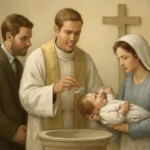
Infant baptism highlights the covenantal aspect of family faith, inviting the next generation into God’s promises with the expectation of nurture and initiation.
Adult or mature baptism often accompanies a period of catechesis or instruction to ensure the candidate understands the faith and the commitments involved.
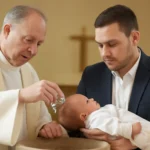
Christening is a term commonly used in various churches to refer to infant baptism or the naming ceremony that accompanies the rite.
Exploring Different Traditions and Views on Baptism
Because the churches reflect a broad spectrum of theological and historical backgrounds, the practice and meaning of baptism differ in nuanced ways. Understanding these differences helps prospective members navigate conversations with church leaders and discerningly participate in the rites that their tradition endorses.
Infant Baptism versus Believer’s Baptism
In some denominations, infant baptism is the standard, with the understanding that the child is welcomed into God’s covenant community and that faith formation follows within the family and church. In others, believer’s baptism—administered after a person makes a personal profession of faith—takes precedence, with baptism understood as a voluntary act of obedience prompted by repentance and trust in Christ.
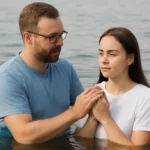
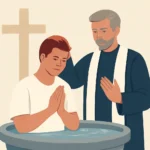
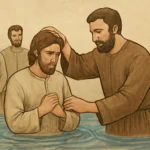
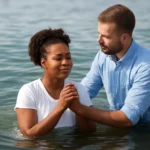
The mode of baptism varies as well. Some churches practice immersion, fully submerging the candidate in water, while others use pouring or sprinkling as the mode of administration. Each mode carries symbolic weight and reflects long-standing interpretive traditions. The important thing in most communities is not the precise physical act but the theological meaning behind it: alignment with Christ, incorporation into his body, and participation in the church’s mission.
Membership and Confirmation
In several historic streams, baptism and membership are linked through a process of confirmation or reception. This process may involve a statement of faith, catechesis, and a public declaration before the congregation that the person intends to live as part of the church community. Some churches also require confirmation as a discrete rite that affirms the individual’s readiness for sustained involvement in church life.
Joining a local church is more than attending services; it is entering into a covenant community where believers commit to one another and to the church’s mission. Church membership typically entails both rights and responsibilities, including regular worship, participation in sacraments, service, financial support, and mutual accountability.
Membership in a local congregation offers several tangible benefits. It provides a stable environment for spiritual growth, disciplined rhythms of community life, and a platform for using spiritual gifts in service of others. It also provides formal channels for pastoral care, marriage or family guidance, and a shared life that extends beyond mere weekend worship. The decision to join a church is often accompanied by a public affirmation—perhaps through a membership class, a formal vow, or a simple statement of intent before the congregation.
Important concepts to consider when thinking about church membership include:
Commitment to shared beliefs—membership usually implies alignment with the church’s basic doctrinal commitments and ethical standards.
Participation in church life—membership involves regular worship, communal prayer, participation in the sacraments, and involvement in ministries.
Accountability and care—the church family seeks to exhort, encourage, and correct one another in love in light of Scripture.
Unity with the body—believers join a local body as part of the broader universal church and contribute to the common good willed by Christ.
Steps Toward Baptism and Church Involvement
Prospective believers often appreciate clear, practical steps that outline how to move from curiosity to baptism and on into meaningful membership. While every church may tailor the process to fit its own tradition, some common stages appear across many communities.
Explore the faith—read foundational texts, attend introductory classes, and engage in conversations with pastors or mentors to understand the gospel, the church’s beliefs, and the expectations for members.
Build relationships—get to know a few members, participate in small groups or Bible studies, and observe how the church practices discipleship, mercy, and mission.
Prepare for baptism—in traditions that practice believer’s baptism, this involves a personal decision to trust in Christ and often a period of catechesis. In infant baptism traditions, the emphasis shifts to parenting promises and future confirmation of faith in the child’s life.
Receive baptism—whether by immersion, pouring, or sprinkling, the act publicly marks the person’s new identity in Christ and entry into the church’s spiritual family.
Join the congregation—after baptism or reception, participate in a membership ceremony or class where the candidate makes explicit commitments to the local body.
Engage in ministry—discover, develop, and deploy spiritual gifts through service opportunities such as volunteering, teaching, hospitality, or mercy ministries.
Grow in accountability—establish relationships with mentors or small groups that provide accountability, encouragement, and ongoing discipleship.
Some pathways emphasize a formal interview, a membership vote by the congregation, or the signing of a covenant. Others focus on a more informal, habit-driven approach where ongoing participation and observable fruit determine readiness for baptism and membership. In all cases, the core idea is a transition from passive attendance to active belonging.
Preparing for Baptism: Catechesis and Instruction
Preparation for baptism is a critical phase that helps candidates understand what they are publicly declaring. It often includes teaching about the gospel, the life of the church, the meaning of the sacrament, and the responsibilities that come with membership. The depth and duration of instruction vary by tradition, but the aims are typically consistent: clarity about the gospel, a real encounter with God’s grace, and a sober appreciation for the commitments involved.
Common components of preparation programs include:
Foundations courses or catechesis on the basic tenets of the faith, such as the nature of God, the person and work of Jesus Christ, the role of the Holy Spirit, sin, salvation, grace, and the authority of Scripture.
Study on baptism and the Lord’s Supper—explaining what these sacraments signify and how they are celebrated in the local church.
Personal testimony—opportunities to articulate one’s conversion story, faith journey, or spiritual background to leaders and peers.
Mentor relationships—pairing with a mature believer who can provide guidance, answer questions, and model discipleship.
Practical expectations—discussing regular worship attendance, involvement in small groups, financial stewardship, and service.
For families with young children, preparation for infant baptism or child dedication may differ. It often centers on parental commitments to raise the child in the faith, nurture spiritual growth within the home, and teach the child about Jesus as they mature.
Receiving Church Membership: Vows, Covenant, and Commitments
When a person is ready to become a formal member, most churches require some form of acknowledgement or vow that confirms the new member’s intention to live within the church’s covenant community. This may take the form of a public confession, a written covenant, or a simple declaration before the assembly. The exact content of the commitments varies, but typical expectations include:
Faithful worship—regular participation in weekly gatherings and engagement with the church’s cadence of prayer, preaching, and sacrament.
Spiritual formation—pursuit of holistic growth through Bible study, prayer, and accountability relationships.
Service and stewardship—volunteering time and talents to ministries, and giving financially to support the church’s mission.
Support and accountability—giving and receiving care, welcoming discipline or corrective love when needed, and pursuing unity with other members.
Commitment to the gospel—upholding the church’s doctrinal statements and living in a way that reflects the teachings of Jesus Christ.
In some traditions, baptism itself may serve as the entry into membership, while in others, baptism is the initiation into the Christian faith and membership is confirmed afterward through a separate process. Either path aims to establish a durable bond between the believer and the local church, enabling a shared life that grows in grace and truth.
The Role of Baptism in Community Life
Baptism is not only a personal milestone; it is a communal celebration with lasting implications for church life. The rite is typically celebrated as a visible sign of God’s grace in the presence of the entire congregation. It also signals to the church family that a new member is now responsible to participate in the life of the body, contribute to the common good, and help advance the church’s mission.
Within the broader community, baptism often serves several functions:
Public identification with Christ—the ritual communicates to outsiders that the individual has joined Jesus’s team, aligning with a local congregation and its mission.
Formation and discipleship—new believers typically embark on a path of discipleship with mentors, pastors, and peers who walk beside them in spiritual growth.
Accountability in community—membership creates a framework for pastoral care, correction, and encouragement in the context of loving accountability.
Witness to the world—the act of baptism in public places or during public worship testifies to the transformative power of the gospel in a visible way.
In traditions that practice infant baptism or child dedication, baptism also marks a covenantal milestone for families and communities. Parents, sponsors, and church members commit to nurturing faith in the child as they grow, hoping that the child will one day personally profess faith and join the congregation as a baptized believer or full member.
Practical Tips for Prospective Members
Whether you are considering baptism, church membership, or both, here are practical tips to help you navigate the process with clarity and intentionality.
Clarify your motives—reflect on why you want to be baptized or join a church. Is it primarily about personal spiritual growth, belonging to a faith community, or stewardship of a calling?
Ask questions—don’t hesitate to inquire about the church’s beliefs, governance, and expectations for members. Ask about baptism requirements and the membership process.
Attend a class or reception—participate in any orientation, membership class, or baptism preparation session offered by the church.
Meet with a pastor or mentor—schedule a conversation to discuss your faith journey, what baptism signifies in this tradition, and how membership operates within the church’s life.
Be honest about your journey—share your doubts, questions, and past experiences when appropriate. Churches value authenticity and welcome questions as part of discipleship.
Engage in the life of the church—start building relationships, join a small group, serve in a ministry, and participate in regular worship to experience belonging in practice.
Prepare for the vows—if you will declare a covenant or take vows, prepare to articulate your faith, commitments, and desire to live in unity with the body.
Respect the process—some churches require a formal period of instruction or a candidacy phase. Honor the process as a time for growth, learning, and discernment.
Frequently Asked Questions about Baptism and Membership
Clear answers to common questions can help alleviate uncertainties and guide your planning. Here are some perspectives that frequently arise, with general considerations rather than denominational prescriptions.
Do I need to be baptized to belong to a church?
Most churches see baptism as an important milestone that accompanies entrance into the church’s life, but the exact requirement varies. Some traditions insist on baptism as a prerequisite for full membership, while others welcome individuals to participate in worship and certain ministries while continuing to explore or prepare for baptism.
Can I join a church if I am not sure about infant baptism versus believer’s baptism?
Many churches offer both emphases or will discuss how their tradition handles baptism for adults and children. If you are uncertain, speak with a pastor or membership committee to learn how your current understanding can be honored within the local church’s framework.
What is the difference between a “church member” and a “regular attender”?
A member has entered into a formal covenant with the local church, committing to participate in the community’s life and governance. A regular attender may participate in worship and ministries but has not entered into that covenant or may not have voting rights in church matters.
Is baptism necessary for salvation?
Different traditions answer this differently. Many teach that salvation is by grace through faith in Christ, and baptism is a response to that faith. Others may emphasize the gift of grace expressed in baptism as a vital part of the believer’s obedience. The key is to understand how your tradition relates faith, grace, and the sacrament.
What if I grew up in a different denomination?
Churches commonly welcome seekers from other backgrounds and may offer a process called “reception” or “affirmation” of baptism. Some denominations may require a reaffirmation of faith or a short period of instruction before full membership is granted.
Caring for New Believers: Discipleship and Mentorship
Becoming part of a church is not a one-time event but the beginning of a lifelong journey. The path of discipleship involves ongoing spiritual formation, stewardship, and service. Churches recognize that new members and new believers need sustained support to grow in faith, live out their callings, and cultivate resilient, Christ-centered lives.
Effective care for new believers and new members typically includes:
Discipleship relationships—pairing with seasoned believers who guide, pray for, and challenge the newcomer in a supportive, loving way.
Structured learning—ongoing courses, Bible studies, and apologetics or worldview training to deepen understanding of Scripture and Christian living.
Community integration—involving new members in committees, service projects, and regular fellowship that fosters belonging and accountability.
Pastoral care—personal pastoral attention during times of trial, illness, or spiritual struggle, ensuring that new members feel seen and supported.
Mission and outreach—helping new believers discover ways to participate in the church’s mission locally and globally, extending the gospel through acts of mercy and evangelism.
As a new member, you’ll likely encounter a variety of worship styles, governance structures, and ministry opportunities. Embracing these with humility, curiosity, and a willingness to contribute will help you find your rightful place within the church’s body and its mission to reflect Christ in the world.
Variations Across Traditions: A Short, Practical Snapshot
To help you navigate the broad landscape of baptism and membership, here are concise snapshots of how different traditions tend to approach these matters. This is a high-level guide and should not substitute for local church practices.
Baptist churches often emphasize believer’s baptism by immersion and view church membership as a public declaration of faith following that baptism. The emphasis is on personal conversion and voluntary membership.
Presbyterian and Reformed churches may stress baptism as a sign of the covenant and emphasize a formal membership process that includes catechesis and reaffirmation of faith.
Catholic and Orthodox churches typically administer infant baptism as part of the sacramental life and view church membership as a lifelong bond with the universal church, expressed locally in a parish universe of faith, liturgy, and sacramental life.
Anglican and some Lutherans tend to blend infant baptism with catechesis and confirmation, connecting baptism to ongoing formation and membership in the local congregation.
Non-denominational and evangelical churches may offer flexible pathways for baptism and membership, with a strong emphasis on personal faith in Christ and the local church’s shared mission.
Regardless of tradition, the overarching aim remains consistent: to welcome believers into a life-shaped-by-faith, formed by Scripture, and oriented toward grace-filled service in the world.
Closing Thoughts: A Practical Path Forward
Embarking on baptism and formal church membership is a meaningful, life-enriching journey. It invites you to step into a story larger than yourself and to participate in a community that seeks to honor Christ, care for one another, and extend mercy and truth to a hurting world. Whether your path includes infant baptism, believer’s baptism, immersion, sprinkling, or a combination of catechesis and public vows, the central question remains the same: are you ready to follow Jesus within a local church that will shepherd you, challenge you, and celebrate your growth?
Remember these practical pillars as you move forward:
Clarity about your faith and your understanding of baptism and membership.
Commitment to regular worship, study, prayer, and service within the community.
Community—belonging to a local body that will support you and hold you accountable in love.
Growth—ongoing discipleship that helps you mature in character, knowledge, and love for others.
If you are currently exploring baptism and church membership, consider reaching out to a local pastor or church leader to discuss your questions, outline the steps in your context, and arrange any necessary classes or interviews. This guide exists to help you think clearly about what baptism and membership mean, to respect the diversity of Christian practice, and to encourage you in taking the next faithful step on your spiritual journey.






Leave a Reply