Communion Verses: Inspiring Bible Quotes for Reflection
Communion Verses: Inspiring Bible Quotes for Reflection
Communion is a sacred practice that invites believers to pause, reflect, and renew their faith in Christ’s saving work. The verses that speak about the Lord’s Supper—whether directly describing the Last Supper, or describing the significance of bread and cup in the life of the church—provide a rich reservoir for meditation. In this article, you will find an extensive collection of communion verses arranged to deepen understanding, cultivate reverence, and encourage practical reflection. The verses are presented in variations and combinations to give you semantic breadth: some emphasize remembrance, some the new covenant, some the blood sacrifice, and others the unity of the body of Christ. Each section includes direct quotations from the King James Version (KJV), a time-honored translation that is in the public domain and widely used for study and devotion.
Understanding Communion and Its Scriptural Grounding
At its core, communion—also called the Lord’s Supper or the Eucharist—is a ritual that summons the believer to remember Jesus’ sacrifice, to proclaim His death until He comes, and to examine one’s own heart in light of that sacrifice. The scriptural grounding of this practice is found in the narratives of Jesus’ final meal with His disciples and in the apostolic exhortations that followed. The discipline invites a twofold response: reverence for the cost of redemption, and responsibility to live in light of that redemption. The following verses, in variety and depth, offer a sturdy framework for reflection during communion and beyond.
The Last Supper Narratives: Matthew, Mark, Luke
Three Gospel writers record Jesus instituting the supper in similar terms, each highlighting the bread as symbolizing Jesus’ body and the cup as the blood of the new covenant. These verses set the stage for the church’s practice and its meaning for believers who gather to remember.
Matthew 26:26-28 — "And as they were eating, Jesus took bread, and blessed it, and brake it, and gave it to the disciples, and said, Take, eat: this is my body." “And he took the cup, and gave thanks, and gave it to them, saying, Drink ye all of it; For this is my blood of the new testament, which is shed for many for the remission of sins.”
Mark 14:22-24 — "And as they did eat, Jesus took bread, and blessed, and brake it, and gave to them, and said, Take, eat: this is my body. And he took the cup, and gave thanks, and gave it to them: and they all drank of it. And he said unto them, This is my blood of the new testament, which is shed for many."
Luke 22:19-20 — "And he took bread, and gave thanks, and brake it, and gave unto them, saying, This is my body which is given for you: this do in remembrance of me." “Likewise also the cup after supper, saying, This cup is the new testament in my blood, which is shed for you.”
Remembering and Proclaiming: 1 Corinthians as a Cornerstone
The apostle Paul expands the church’s understanding of the Lord’s Supper, and he anchors the practice in both remembrance and proclamation. The passages in 1 Corinthians 11 emphasize a solemn call to examine oneself and to participate in a way that honors Christ’s work on the cross. These verses are especially helpful as devotional anchors during communion services or personal reflection.
1 Corinthians 11:23-26 — "For I have received of the Lord that which also I delivered unto you, That the Lord Jesus the same night in which he was betrayed took bread: And when he had given thanks, he brake it, and said, Take, eat: this is my body, which is broken for you: this do in remembrance of me. After the same manner also he took the cup, when he had supped, saying, This cup is the new testament in my blood: this do ye, as oft as ye drink it, in remembrance of me. For as often as ye eat this bread, and drink this cup, ye do shew the Lord's death till he come."
1 Corinthians 10:16-17 — "The cup of blessing which we bless, is it not the communion of the blood of Christ? The bread which we break, is it not the partaking of the body of Christ? For we being many are one bread, and one body: for we are all partakers of that one bread."
1 Corinthians 11:27-29 — "Wherefore whosoever shall eat this bread, or drink this cup of the Lord, unworthily, shall be guilty of the body and blood of the Lord. But let a man examine himself, and so let him eat of that bread, and drink of that cup. For he that eateth and drinketh unworthily, drinketh damnation to himself, not discerning the Lord's body."
Key Thematic Verses for Reflection
While the Last Supper narratives and the Corinthians text provide direct instruction about the mechanics of the meal, many other verses illuminate the theological depth of what is celebrated in communion. The following selections offer varied angles—covenant, forgiveness, redemption, and unity among believers. You can use these verses to frame prayers, meditations, and communal worship around the sacrament.
John 6:53-56 — "Then Jesus said unto them, Verily, verily, I say unto you, Except ye eat the flesh of the Son of man, and drink his blood, ye have no life in you. Whoso eateth my flesh, and drinketh my blood, hath eternal life; and I will raise him up at the last day. For my flesh is meat indeed, and my blood is drink indeed." (This passage deepens the sense of spiritual nourishment that communion represents for believers.)
Hebrews 9:14-15 — "How much more shall the blood of Christ, who through the eternal Spirit offered himself without spot to God, purge your conscience from dead works to serve the living God? And for this cause he is the mediator of the new testament, that by means of death, for the redemption of the transgressions that were under the first testament, they which are called might receive the promise of eternal inheritance." (A theological anchor for the meaning of the blood in communion.)
Romans 5:8 — "But God commendeth his love toward us, in that, while we were yet sinners, Christ died for us." (The motive of the cross behind the meal is love demonstrated in action.)
Ephesians 1:7 — "In whom we have redemption through his blood, the forgiveness of sins, according to the riches of his grace." (Reminders of forgiveness and grace as the backdrop to communion.)
Colossians 1:20 — "And, having made peace through the blood of his cross, by him to reconcile all things unto himself; by him, I say, whether they be things in earth, or things in heaven." (A broader cosmic glance at the influence of the cross.)
1 Peter 1:18-19 — "Forasmuch as ye know that ye were not redeemed with corruptible things, as silver and gold, from your vain conversation received by tradition from your fathers; But with the precious blood of Christ, as of a lamb without blemish and without spot." (A reminder of the cost of redemption.)
1 Corinthians 12:12-13 — "For as the body is one, and hath many members, and all the members of that one body, being many, are one body: so also is Christ. For by one Spirit are we all baptized into one body, whether we be Jews or Gentiles, whether we be bond or free; and have been all made to drink into one Spirit." (Emphasizes the unity of the church—a key aspect of communion.)
Old Testament Foreshadowing and New Covenant Realities
Though communion is most plainly defined in the New Testament, Christian readers often note how certain Old Testament imagery foreshadows what Christ would fulfill. The idea of a blood sacrifice and a covenant that binds God and His people is echoed in the biblical narrative. While not explicit communion texts, these passages enrich reflection by widening the scriptural frame of reference.
Exodus 24:8 — "And Moses took the blood, and sprinkled it on the people, and said, Behold the blood of the covenant, which the LORD hath made with you concerning all these words." (A covenantal context for the concept of a people set apart.)
Isaiah 53:5 — "But he was wounded for our transgressions, he was bruised for our iniquities: the chastisement of our peace was upon him; and with his stripes we are healed." (Pointing to the cost of the healing that the communion anticipates.)
Variations on Communion Verses for Reflection
To broaden the semantic landscape of reflection, here are varied ways to engage with the same themes found in classic communion verses. Some are direct quotations, while others are paraphrased in devotional form. Use these as prompts for prayer, journaling, or guided contemplation during or after a communion service.
“This is my body, broken for you.” — A focus on sacrifice and suffering that grants life to believers. Reflect on the idea that the brokenness of Christ brings wholeness to the church.
“This cup is the new testament in my blood.” — Consider the new covenant sealed by Christ’s blood and what it means for the forgiveness of sins and the empowerment of a renewed people.
“Do this in remembrance of me.” — A call to memory that presses believers to recall Jesus’ love, patience, and victory over sin.
“As oft as ye drink this cup.” — A reminder that communion is not a one-time ritual but a recurring practice that sustains faith and unity over time.
“The bread which we break is the communion of the body of Christ.” — A meditation on participation in the living body, and on our responsibility to care for and serve one another.
“We being many are one body.” — A prompt to consider unity in diversity and the shared vocation of disciples of Christ.
“This do in remembrance of me.” (reframed as a daily invitation) — A devotional nudge to make remembrance a living practice in daily life, not only within a church setting.
“This cup is the sign of the New Covenant.” — An invitation to reflect on transformation and the grace that redefines relationships with God and with each other.
Thematic Reflections: Remembrance, Covenant, and Unity
Different themes emerge when you read communion verses side by side. The following sub-sections pull out key angles for devotion, worship planning, or teaching contexts. Each theme is illuminated by verses that speak to its heart, with a focus on practical application in personal faith and community life.
Remembrance is not merely a memory task; it is a spiritual posture that invites gratitude, humility, and worship. The instruction to remember Christ’s work becomes a catalyst for ongoing faithfulness in the present day.
1 Corinthians 11:24-25 — "And when he had given thanks, he brake it, and said, Take, eat: this is my body, which is broken for you: this do in remembrance of me. After the same manner also he took the cup, when he had supped, saying, This cup is the new testament in my blood: this do ye, as oft as ye drink it, in remembrance of me." (The rhythm of remembrance is central to communion.)
The imagery of a new covenant is a cornerstone of the gospel narrative. Communion serves as a tactile reminder of the promises God makes to His people and the steadfast love He extends to a community gathered in faith.
Luke 22:20 — "Likewise also the cup after supper, saying, This cup is the new testament in my blood, which is shed for you." (A covenantal pledge that binds believers to the faith community and to God.)
Unity
Unity is both a theological truth and a practical call. The ritual of sharing bread and cup emphasizes that Christians, though many, are one body because they all partake of one loaf.
1 Corinthians 10:17 — "For we being many, are one bread, and one body: for we are all partakers of that one bread." (A compelling image of communal identity in Christ.)
At the heart of communion is the redemption purchased by Christ’s blood. This theme invites believers to celebrate forgiveness as the grounding of their relationship with God and with others in the faith family.
Colossians 1:14 — "In whom we have redemption through his blood, even the forgiveness of sins." (A succinct summary of the benefits poured out through the cross and represented in the meal.)
Practical Ways to Reflect on Communion Verses
Reading and reflecting on these verses can become a living practice that extends beyond church services. Here are practical approaches to make the verses come alive in personal devotion, family worship, and community life.
Guided journaling: Write a short reflection after reading each verse, focusing on a single takeaway such as gratitude, surrender, or reconciliation.
Prayer prompts: Use verses as springboards for prayer—forgiveness, unity in the body, and gratitude for redemption.
Communion meditations: During a service, select a pair of verses (one about remembrance, one about covenant) to frame your personal reflection before partaking.
Family or small-group devotion: Read a passage aloud, then discuss how the verse shapes daily living, service, and relationships within the church family.
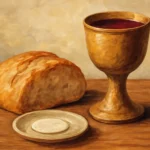
Artistic responses: Create a visual or musical reflection inspired by a verse, such as a painting of the bread and cup or a melody that echoes themes of sacrifice and love.
Memorization targets: Choose a short verse or a phrase (for example, "Do this in remembrance of me") to memorize for quick, daily recall in worship or quiet time.
Frequently Asked Questions about Communion Verses
Here are concise answers to common questions readers often have when exploring communion verses for reflection.
Why are the Last Supper accounts important for communion? They provide the direct institution of the practice, showing Jesus’ words and actions that believers continue to imitate and remember in faith.
What is the difference between remembrance and proclamation in 1 Corinthians 11? Remembrance focuses on recalling Christ’s sacrifice; proclamation emphasizes publicly declaring the Lord’s death until He comes, reinforcing both personal faith and communal witness.
Why include Old Testament imagery in a New Testament sacrament? Old Testament foreshadowing helps believers understand the continuity of God’s plan—redemption through blood, the concept of covenant, and the call to holiness that culminates in Christ.
How can I apply communion verses in daily life? Treat the verses as a lens for living—pursue forgiveness, pursue unity in relationships, and let the cross shape your choices and priorities every day.
Closing Reflections: Making Communion a Heart Practice
Across the various verses and themes presented here, one thread remains constant: communion invites a transformative gaze upon Jesus Christ. It is not merely a ritual; it is a spiritual practice that invites believers into deeper memory, a stronger sense of covenant, and a more robust unity with the body of Christ. As you read the verses, consider not only their historical context but also the ways they encourage a life marked by gratitude, repentance, and love. Use the quotes as spiritual stairs: step by step, they lead you toward a more intimate encounter with Christ and a more compassionate, prayerful, and mission-minded community.
May these communion verses be a steady companion in your devotional life, a source of comfort in times of trial, and a spark for greater devotion to Christ and His people. Whether you are preparing for a communion service, leading a study, or seeking personal renewal, let the Word guide your heart to a hollowed space of praise, repentance, and hope in the gospel of Jesus Christ.







Leave a Reply