What Are the 7 Jewish Holidays? Your Complete Guide to Jewish Festivals
The Jewish calendar is rich with milestones that mark moments of memory, celebration, repentance, and learning. For many people, the phrase “the seven major Jewish holidays” evokes a cycle that moves through seasons of freedom, revelation, gratitude, joy, and atonement. In this guide, we explore the seven holidays most commonly listed in contemporary practice: Passover (Pesach), Shavuot, Sukkot, Rosh Hashanah, Yom Kippur, Hanukkah, and Purim. Each festival has its own history, rituals, foods, and meanings, yet together they form a coherent tapestry of Jewish life in history and today.
Passover (Pesach) — The Festival of Freedom
Overview and historical background
Passover commemorates the Exodus of the Israelites from slavery in Egypt, an event foundational to Jewish identity. It is not only a story told in ancient scriptures but a lived annual memory in homes and communities around the world. The holiday culminates in a festive, ceremonial meal known as the Seder, which retells the narrative with symbolic foods, songs, and discussions. The word Pesach literally means “to pass over,” referring to the biblical moment when the plague of the firstborn passed over the Jewish households marked by hem’tah (lamb) or Passover blood in some traditions, though modern practice varies widely. The focus today is on freedom, redemption, and the ongoing work of liberation in everyday life.
Rituals and observances
The central ritual is the Seder, conducted on the first two nights in many communities (one night in others). The Seder is built around a structured order, hence the name Seder (Hebrew for “order”). Key elements include:
A Seder plate holding symbolic foods: matzah (unleavened bread), maror (bitter herbs), charoset (a sweet fruit-nut paste), karpas (vegetable), and zeroa (shank bone symbolizing the Passover sacrifice).
Reliving the Exodus through storytelling, songs, and questions—especially the four questions traditionally asked by the youngest participant.
Spoken and sung blessings, including the Haggadah reading, which guides the evening’s narrative and ritual.
Removing Chametz (leavened products) from the home prior to the holiday and eating matzah instead of bread during the festival.
Foods, symbols, and themes
Food plays a central symbolic role. Matzah (unleavened bread) represents both haste and humility—the bread of affliction and the bread of liberation. Maror and charoset symbolize bitterness and sweetness, illustrating how hardship and redemption can intertwine. Families often prepare festive meals that feature seasonal vegetables, roast chicken, or beef, and of course, a spread of matzah alongside other traditional dishes. Beyond the Seder, Passover is a time for family gatherings, study, and a renewed focus on freedom, justice, and gratitude for communal memory.
Practical considerations and tips
Hosts and visitors should be aware that Passover observance varies by community. Some families observe only Seder night, while others begin with a first Seder two nights in a row in diaspora settings. It is customary to recite the Ten Plagues and the Dayenu song, and many Jews participate in charitable acts or community Seder programs. For travelers, it’s respectful to inquire about seating arrangements and ritual requirements if you join a Seder abroad or in a different tradition. A helpful approach is to prepare a list of questions about dietary rules (what constitutes Chametz) and whether there will be a Seder plate on display or a full Seder service to attend.
Notes on timing and calendar
Passover is celebrated in the spring, starting on the night of the 15th of the Hebrew month of Nisan. The dates shift annually on the Gregorian calendar, but the ritual core remains stable: removing prohibited grains, eating matzah, and retelling the story of liberation from Egypt.
Shavuot — The Festival of Weeks
Overview and historical background
Shavuot marks the giving of the Torah at Mount Sinai and the end of the Counting of the Omer, a period of 49 days between Passover and Shavuot. It is traditionally a holiday of revelation, learning, and gratitude for Jewish law and guidance. In classical times it was also associated with agricultural cycles, celebrating the first fruits of the harvest in the Land of Israel. Today, it remains a time of study, prayer, and memory of the founding event in Jewish history—the people receiving the Torah and the moral code that shapes Jewish life.
Rituals and observances
Common practices include late-night Tikkun Leil Shavuot study sessions, where Jews stay up to study Torah, often joined by families and students. In synagogues, special Torah readings are assigned, and the liturgy emphasizes revelation and covenant. Some communities also observe an all-night study tradition, with sessions in homes, schools, or shuls. A key element is communal learning about the laws, stories, and wisdom of Torah, sometimes spanning both traditional and modern interpretations.
Foods, symbols, and themes
One of the most recognizable customs of Shavuot is eating dairy foods—such as cheese-filled blintzes, cheesecake, or dairy-based pastries. The dairy tradition has various explanations, including symbolic associations between the Land of Israel flowing with milk and honey and the idea of Torah nourishment that often aligns with “milk and honey” imagery. In addition to dairy foods, many families serve fresh cheeses, light salads, and seasonal fruits to celebrate the harvest theme. The holiday’s symbols emphasize learning, growth, and the enduring bond between God, Torah, and the community.
Practical considerations and tips
Shavuot is typically observed on the sixth and seventh days after Passover in the diaspora, aligning with the spring season. In modern practice, attending synagogue services, participating in study sessions, and sharing festive meals with family and friends are common. For visitors, approaching Shavuot with a spirit of study and inquiry—whether in a formal classroom, a study circle, or informal family discussion—often yields a welcoming experience.
Sukkot is a harvest festival that also commemorates the Israelites’ journey through the wilderness, living in temporary shelters called sukkot (booths). The holiday emphasizes gratitude for the harvest, safety, and divine protection during periods of transition. The sukkah—a temporary dwelling constructed with a roof of branches or vine—serves as the focal point of outdoor meals and gatherings during the week-long festival. The holiday embodies the idea of resting under divine protection while acknowledging the fragility and transience of life.
Rituals and observances
During Sukkot, families eat meals in the sukkah, and some participants sleep there, weather permitting. The Lulav and Etrog—the Four Species consisting of a palm branch (lulav), a willow (hadassim), a myrtle (aravot), and a citron (etrog)—are waved in a series of rituals during prayer services. Special festive prayers and processions, called Hoshanot, accompany the use of the Four Species. The holiday also includes the intermediate days, known as Chol Hamoed, which have a more relaxed level of observance while maintaining the sukkah’s presence in daily life.
Foods, symbols, and themes
Traditional foods often feature seasonal produce and festive meals in the sukkah. Apples and honey, roasted vegetables, and dishes that highlight the harvest are common. The sukkah itself—decorated with fruits, leaves, and banners—becomes a living symbol of hospitality and protection, inviting communal meals and celebrations. The spiritual message centers on gratitude for sustenance, protection, and the community’s shared journey through the world.
Practical considerations and tips
In many communities, Sukkot begins on the 15th day of the Hebrew month of Tishrei and lasts for seven days, followed by Shemini Atzeret and Simchat Torah in some calendars. Observers will plan time for building, decorating, and dining in the sukkah, as well as participating in the Four Species rituals at synagogue and home. Visitors joining in outdoor meals should be mindful of weather, seating, and etiquette around outdoor religious spaces, ensuring that the sukkah is treated with respect and that meals are shared in the spirit of hospitality.
Rosh Hashanah — The Jewish New Year
Overview and historical background
Rosh Hashanah marks the start of the Jewish year and begins the period of reflection known as the Ten Days of Repentance, culminating in Yom Kippur. The holiday emphasizes creation, judgment, and the opportunity to begin anew. The shofar (ram’s horn) blowing during services is a distinctive and powerful sound that calls the community to self-examination, memory, and renewal.
Rituals and observances
Key rituals include the early-morning synagogue services with special prayers and Torah readings. The shofar blasts—often a series of varied sounds—are a central auditory symbol of the day. In many homes, the New Year is observed with family meals, candles, and listening to the calls of the shofar in the morning services. The day is not a celebration in the festive sense; rather, it is a time for contemplation, repentance, and a plan for improved behavior in the year ahead.
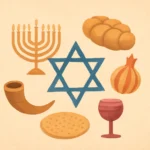
Traditional foods emphasize sweet flavors to symbolize a wish for a sweet year. Common dishes include apples dipped in honey, round challah to symbolize continuity, pomegranates said to contain many seeds representing abundance, and other symbolic foods chosen for their auspicious associations. The shofar and the candles lit on the eve of Rosh Hashanah set a contemplative mood, inviting families to consider the past year and the year to come.
Practical considerations and tips
Rosh Hashanah dates shift each year on the Gregorian calendar, but the observance generally spans two days in many communities, with the public services and family meals taking place in synagogues and homes. Visitors are welcome at many synagogues, yet it’s respectful to be mindful of the holiness of the space and the seriousness of the prayers. If you attend a service as a guest, you might be asked not to take photos or to participate only in ways that feel comfortable within the community’s norms.
Yom Kippur is the holiest day in the Jewish calendar, dedicated to atonement, self-examination, and reconciliation. The day follows Rosh Hashanah and is focused on seeking forgiveness from God and fellow humans. It is a day of intense prayer, fasting, and reflection, culminating in the close of the fast with a festive but subdued break-fast meal. The themes of repentance, humility, and renewal are felt across communities around the world.
Rituals and observances
The most distinctive practice is a 25-hour fast, during which no food or drink is consumed. The day features extended prayer services in synagogues, including the Kol Nidre prayer at sundown on the eve of Yom Kippur and the special daytime liturgy. The services emphasize absolution, accountability, and turning toward moral improvement. People also engage in acts of charity and reconciliation with others in the days leading up to Yom Kippur to prepare a meaningful fast and spiritual return.
Foods, symbols, and themes
Break-fast meals typically begin after the fast ends with light foods—often dairy or light fare—before resuming normal meals. The focus is less on indulgence and more on restoring energy and community bonds. The day stresses the principle that every person has the opportunity to seek forgiveness, make amends, and begin anew in a supportive spiritual framework.
Practical considerations and tips
Yom Kippur's exact timing shifts with the lunar calendar. Most communities observe a full day of abstention from food and drink, with additional restrictions on leather shoes, bathing, and anointing. Visitors who plan to attend services should be punctual, dress modestly, and be mindful of the heightened mood of reverence in the synagogue. If you are unsure about appropriate conduct, ask a local host or rabbi for guidance.
Hanukkah — The Festival of Lights
Overview and historical background
Hanukkah commemorates the rededication of the Temple in Jerusalem after the Maccabean revolt and the miraculous oil that burned for eight days. It is often described as a celebration of light, resilience, and the victory of spiritual dedication. While not one of the Biblical pilgrimage festivals, Hanukkah has become one of the most widely observed holidays in many Jewish communities, celebrated with warmth, family, and shared rituals.
Rituals and observances
The central ritual is lighting the menorah, a nine-branched candelabrum, over eight nights. Each evening adds a new candle, culminating with all eight (plus the shamash, the helper candle) lit on the final night. Other customs include playing dreidel (a spinning top game), giving and receiving gifts, and telling the story of the rededication. Families also engage in songs, blessings, and meals that emphasize courage and perseverance.
Foods, symbols, and themes
Traditional foods are fried in oil to recall the miracle of the oil, with latkes (potato pancakes) and sufganiyot (jelly donuts) among the most beloved treats. The lights of the menorah are a vivid symbol of hope, memory, and the endurance of Jewish identity through adversity. Hanukkah is often seen as a time for warmth, charity, and community gatherings, especially in homes with children who enjoy the seasonal rituals.
Practical considerations and tips
Hanukkah dates follow the Hebrew month of Kislev, usually falling in December on the Gregorian calendar. While it is a widely celebrated festival in many places, some communities observe additional customs or variations in the number of gifts given or the timing of public menorah lightings. Visitors should feel welcome to participate in family menorah lightings or community events, but should also respect household or synagogue norms about practices like candle lighting and public recitation of blessings.
Purim — The Feast of Lots
Overview and historical background
Purim commemorates the events recorded in the Book of Esther, in which Queen Esther and her cousin Mordecai thwart a plan to annihilate the Jewish people in the Persian Empire. Purim is a festival of triumph, humor, and communal solidarity. The story’s tone blends grave peril with celebration, gratitude, and a spirit of generosity toward others.
Purim celebrations typically include reading the Megillah (the Book of Esther) aloud, often with special emphasis on certain verses. It is customary to wear costumes and engage in playful performances, which reflects the festival’s tone of disguise and reversal. Practical mitzvot include giving mishloach manot (gifts of food to friends) and providing matanot la’evyonim (charity to the poor) to strengthen communal bonds.
Foods, symbols, and themes
Triumphantly festive foods and sweets dominate Purim tables. Classic treats include hamantaschen (triangle-filled pastries symbolizing Haman’s ears or pockets) filled with fruit, poppy seeds, or chocolate. The holiday’s mood blends joy with acts of charity, inviting communities to celebrate resilience and solidarity in the face of hardship.
Practical considerations and tips
Purim’s exact date depends on the Hebrew calendar, and it occurs in the month of Adar (or Adar II in leap years). If you’re visiting a Jewish community for Purim, you may participate in the Megillah reading, community plays or Purim gatherings, and exchanges of small gifts. It is a friendly and lively festival, but as with any religious celebration, it’s respectful to follow local etiquette and participate in activities appropriate for guests or first-time attendees.
How the Seven Festivals Shape Jewish Life
Interwoven themes across the year
Taken together, these seven holidays create a yearly rhythm that blends historical memory, agricultural cycles, spiritual ascent, communal joy, and personal and communal responsibility. They invite reflection on freedom, learning, shelter, renewal, atonement, courage, and generosity. The structure also mirrors a calendar of human experience: slavery and emancipation (Passover), revelation and study (Shavuot), gratitude and dwelling (Sukkot), beginnings and repentance (Rosh Hashanah and Yom Kippur), illumination and resilience (Hanukkah), and communal care (Purim).
Observance across communities
While the core ideas of each holiday are shared, the way they are observed can vary widely. Some communities emphasize synagogue-centered rituals, others focus on family gatherings around the Seder, the Sukkah, or home-based study sessions. The diversity of practice reflects the adaptability of Jewish life across continents, cultures, and modern lifestyles, while keeping the essential messages intact: memory, learning, hospitality, and ethical action.
Practical guidance for visitors and learners
If you are new to these holidays or planning to participate in a community event, consider the following:
Ask about ritual etiquette (e.g., standing for certain prayers, how to join in songs, whether photography is appropriate).
Respect dietary rules when attending meals (e.g., keeping Kosher rules during Passover or restricting Chametz).
Engage with the symbolism thoughtfully—ask questions or read a brief introduction to the Seder, the Megillah, or the Four Species before attending.
Observe the cadence of the year: plan to participate in at least one Seder, one Sukkah meal, one Shabbat or holiday service, and a moment of reflection on Rosh Hashanah and Yom Kippur.
Resources for deeper learning
For readers seeking to understand these holidays more deeply, reputable sources include synagogue study guides, Jewish learning organizations, and translations of the Haggadah, Torah, and the Megillah. Exploring these texts can offer insights into the laws, stories, and ethical questions that each festival presents, enriching personal practice and communal life alike.
Closing reflections: The sevenfold path through the year
In sum, the seven Jewish holidays provide a coherent framework for memory, learning, gratitude, and action. Whether you observe them as a member of the Jewish community, as a guest, or as someone exploring world religions, they offer a window into how Jewish communities navigate time, space, and meaning. The cycle invites us to remember the past, engage with the present, and anticipate the possibilities of the future—with courage, kindness, and shared joy.
Key takeaway: these festivals are not just calendar dates; they are opportunities for reflection, connection, and renewal. By learning about the symbols, rituals, and stories of Passover, Shavuot, Sukkot, Rosh Hashanah, Yom Kippur, Hanukkah, and Purim, readers gain a richer understanding of Jewish life and its enduring messages for freedom, responsibility, and community.






Leave a Reply