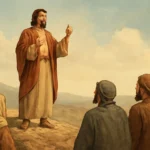
The Great Commission remains the clearest marching order for the church. It calls believers to live as witnesses of Christ, to proclaim good news, and to mold every life into a disciple-making movement. This article gathers a wealth of ideas, formats, and practical approaches for crafting sermons that center on the mission Jesus entrusted to his followers. Whether you are a seasoned preacher or a lay leader preparing a teaching series, you will find thoughtful insights, sermon seeds, and actionable steps to inspire evangelism through the pulpit and beyond.
To craft sermons that resonate, it helps to revisit the biblical foundation and the wide scope of its call. The Great Commission appears in Matthew 28:18–20, often summarized with the imperative to go and make disciples of all nations. This mandate combines three core elements: authority, proclamation, and discipleship. The emphasis is not merely on strategy; it is on a transformed life that radiates the gospel in every sphere of influence.
Biblical Basis and Core Components
Authority: Jesus declares that all authority in heaven and on earth has been given to him, authorizing the mission.
Proclamation: Followers are sent to all nations to teach and proclaim Jesus as Lord and Savior.
Discipleship: The goal is not temporary faith but ongoing transformation, baptism, and obedience.
Global and Local Scope
The Great Commission has a universal scope—reaching “all nations”—while never neglecting the local, contextual needs of a congregation’s immediate community. A strong missional preaching approach weaves together global vision with practical, local application. Sermons can balance the grandeur of a worldwide mission with urgent calls to reach neighbors, coworkers, family members, and friends in everyday settings.
Key Phrases for Sermon Focus
Go as a verb of movement and purpose.
Make disciples, a process that includes teaching, mentoring, and forming communities of faith.
Baptizing as a public declaration of faith and identity in Christ.
Teaching obedience to all that Jesus commanded, implying a holistic faith lived out in daily life.
In all nations, inviting a global perspective and a cross-cultural imagination.
Historical Context and Theological Significance
Understanding how the Great Commission has shaped church history can deepen the impact of every sermon. From early church mission movements to modern missions organizations, the impulse to share the gospel has taken many forms. Theologically, missionaries and evangelists are not merely front-runners; they model the church’s identity as a sent people. The sermon on the Great Commission then becomes an invitation to participate in God’s redemptive work, not merely an appeal to duty.
Historical Movements and Lessons
Ancient church missions, which faced cultural barriers and persecution, show how perseverance and integrity sustain gospel proclamation.
Reformation-era emphases on preaching the gospel clearly and accessibly align with a preaching-first approach to evangelism today.
Modern missions movements highlight collaboration, contextualization, and justice as integral to the gospel’s proclamation.
Contemporary Theological Perspectives
Missional theology emphasizes the church as God’s agent in mission, not merely a recipient of blessing.
Transformation anthropology connects evangelism with the renewal of individuals and communities.
Church-growth conversations remind preachers to balance vitality with accountability, ensuring growth is biblical and sustainable.
Core Elements of a Great Commission Sermon
Every sermon focused on the Great Commission should anchor its energy in a few essential elements. These serve as guardrails to keep preaching faithful to Scripture while staying engaging and practical.
Show how the gospel transforms both the individual and the community.
Explicitly connect salvation meaning with ongoing discipleship and mission.
Practical Application
Offer clear next steps: neighborly outreach, sharing a personal story, or inviting someone to church or a small group.
Provide simple tools, like a one-page plan, a gospel presentation outline, or a local outreach calendar.
Confident and Compassionate Tone
Balance exhortation with empathy for skeptics and seekers.
Encourage, rather than shame, listeners by focusing on what God enables in and through believers.
Holy Spirit Dependency
Affirm prayer as the engine of evangelism and transformation.
Invite a response that invites the Spirit’s empowerment for serving, witnessing, and loving others.
Formats and Styles for Evangelism Sermons
Great Commission sermons can take many shapes. Below are several formats that help keep the message fresh while preserving biblical fidelity. Consider weaving multiple formats into a single series to avoid monotony.
Expository Approach
Take a passage from the Gospels, Acts, or the Epistles and expose how the author frames mission. Ground the preaching in the text, then highlight a contemporary application that mirrors the original context.
Narrative and Storytelling
Stories powerfully illustrate the transformation the gospel enables. Use testimonies, historical missions stories, or fictional vignettes to illustrate key Gospel-centered claims. Be sure to anchor every narrative back to Scripture.
Doctrinal and Practical Blend
Some listeners crave a robust theological foundation. Pair doctrinal clarity about the nature of salvation, the church, and the fates of nations with practical steps toward personal evangelism and local outreach.
Topical Great Commission Series
Rather than a single sermon on the Great Commission, develop a short series addressing different facets of mission: personal evangelism, church planting, social outreach, and cross-cultural engagement. This builds a rhythm readers can follow and anticipate.
Sermon Ideas and Themes
Here is an extended repository of dynamic sermon ideas and themes that can be adapted to various contexts and congregations. Each idea can be expanded into a full sermon, a mini-series, or a teaching night. Use the following as seeds for your own sermons or teaching outlines.
Called to Go: A sermon that centers on the word go as movement, courage, and obedience, including practical steps for taking a first step toward inviting someone to faith or church community.
Discipleship as a Lifestyle: Emphasize that making disciples involves daily practices—prayer, Bible study, accountability, and hospitality—rather than a once-off decision.
Baptism and Belonging: Explain baptism as a public assertion of allegiance to Christ, followed by integrating new believers into a local family with intentional care structures.
Witnessing in the Workplace: Address how secular and secularizing settings become mission fields, and how integrity, mercy, and excellence witness to the gospel.
Cross-Cultural Missions: Encourage a broad, global imagination, humility before other cultures, and partnerships that reflect mutuality and respect.
Evangelism and Justice: Demonstrate that evangelism includes addressing poverty, injustice, and systemic brokenness that hinder human flourishing.
Family as a Mission Field: Show how households can become training grounds for disciple-making through shared worship, service, and outreach.
Prayer-Fueled Outreach: Place prayer at the center, illustrating how intercession precedes effective proclamation and acts of mercy.
Stories of Conversion: Share compelling testimonies (real or composite with consent) to illustrate transformation and invite curiosity.
Technology and Evangelism: Explore responsible, relational use of digital channels for invitation, apologetics, and community-building.
Apologetics and Assurance: Equip listeners to answer questions about faith with gentleness, clarity, and compassion while inviting further conversation.
Series Ideas for Great Commission Focus
A well-planned sermon series can sustain momentum over several weeks or months, allowing a congregation to grow in its understanding and practice of mission. Here are series concepts that can be adapted to different church cultures and contexts.
Go and Tell (4–6 weeks): Begin with an invitation to go, move into personal testimony, and end with a call to invite a friend to Easter or another milestone event.
Discipleship in Daily Life (6–8 weeks): Track small, practical disciplines—daily Bible reading, prayer, and intentional outreach in ordinary settings. Include a mentorship element.
Neighbors and Nations (5 weeks): A mix of local outreach projects and missions partner spotlights, encouraging church-wide involvement in both spheres.
Stories of Transformation (4 weeks): Center on credible testimonies that demonstrate the gospel’s power to reform lives, families, and communities.
Mission and Mercy (3 weeks): Tie evangelism to acts of service, social justice, and community healing as an integrated witness.
Great Commission sermons should honor the diverse audience in a local church. Contextualization involves speaking in a language that resonates with listeners—without compromising biblical truth. Consider the following approaches to tailor messages responsibly:
Ages and Stages: Youths, young adults, couples, and seniors may respond to different invitation styles, illustrative methods, and practical steps.
Culture and Community: Use examples from local life—schools, workplaces, neighborhoods—and acknowledge cultural differences with humility and respect.
Questions and Objections: Build space for questions, doubts, and honest conversations. A sermon can include Q&A follow-ups or small-group discussions.
Accessibility: Use clear language, avoid jargon, and provide handouts or digital resources to reinforce the message.
Preparation and Prayer for Evangelism Sermons
Effective Great Commission preaching begins with deep preparation and sustained prayer. The structure below outlines a practical approach to crafting sermons that empower and mobilize listeners.
Prayerful Listening: Begin with prayer to discern the needs, questions, and openness of your congregation toward evangelism.
Scriptural Grounding: Prioritize passages that illuminate the nature of the mission and the church’s calling.
Contextual Research: Gather information about the local community, possible barriers to faith, and opportunities for connection.
Clear Framing: Write a single sentence that captures the sermon’s aim—what listeners should know, feel, and do.
Measurable Steps: Include practical, achievable next steps for individuals and families, such as inviting a friend or serving in a local ministry.
Prayerful Follow-Up: Provide space for prayer and reflection after the sermon, perhaps through a guided prayer activity or the invitation to share a faith-filled step with a trusted confidant.
Tools and Resources for Crafting Great Commission Messages
To support your sermon-writing process, consider a mix of biblical resources, historical perspectives, and contemporary missional tools. The aim is to equip the church with clarity, courage, and compassion as they engage the world with the gospel.
Commentaries and Biblical Resources: Look for reliable study guides on the Gospel narratives, Acts, and Pauline letters that illuminate mission themes.
Missional Readings: Explore authors and theologians who write about evangelism, discipleship, and church planting in today’s cultural context.
Case Studies: Include real-world stories from churches that successfully integrated outreach with worship and service.
Outreach Tools: Create simple, shareable materials—gospel tracts, invitation cards, event flyers, and digital media templates.
Prayer Resources: Guided prayer guides for individuals and congregations, focusing on awakening, courage, and opportunities to share faith with others.
Practical Outreach Strategies Embedded in Sermons
A mission-focused sermon should translate into practical steps that people can implement. Here are strategies you can weave into your preaching and follow up with action plans.
Invitational Language: Use inclusive and invitational language rather than guilt-driven appeals. Encourage a confident invitation to faith or to explore faith through a conversation.
In-Context Invitations: Tailor invitations to the audience’s daily life—workshops, small groups, service opportunities, or neighborhood events.
Testimony and Witness: Regularly include witness stories in sermons and church communications to illustrate gospel impact.
Small-Group Multiplies: Encourage the formation of small groups focused on faith-sharing and mutual encouragement.
Service as Outreach: Build a culture where service activities become natural entry points for conversation about faith.
Gospel-Cocused Hospitality: Foster an environment of welcome and belonging where non-believers can explore faith without pressure.
Real-world examples, whether drawn from history or contemporary churches, can illuminate principles without becoming a formula. Here are several illustrative scenarios you can adapt to your own context.
Neighborhood Outreach Initiative: A church designs a 90-day plan to engage neighbors with practical service projects, followed by a simple gospel conversation guide at the end of a community event.
Workplace Gospel Conversation Series: A sermon series teaches practical steps for talking about faith in the office, including respecting boundaries, listening well, and sharing personal testimony.
Cross-Cultural Partnership: A congregation forms a joint initiative with a global partner, linking local outreach with international mission in a way that fosters humility, shared learning, and reciprocal support.
A healthy Great Commission ministry cares about impact and integrity. Consider these measures to evaluate effectiveness without reducing evangelism to numbers alone:
Quality of Relationships: Are people forming genuine relationships that reflect gospel values of love, truth, and accountability?
Depth of Discipleship: Are new believers growing in faith, understanding, and obedience to Jesus’ commands?
Missional Sustainability: Does the church build ongoing structures for prayer, teaching, and outreach that endure beyond a single sermon?
Community Transformation: Do outreach efforts improve the well-being of neighbors and communities in meaningful ways?
Common Challenges and How to Address Them
Engaging in evangelism through preaching can raise questions and obstacles. Here are common challenges and practical responses to help maintain momentum.
Reluctant congregations: Pair bold invitations with compassionate listening, and provide low-barrier ways to respond that honor individual conscience.
Balancing grace and truth: Celebrate grace while presenting the gospel’s demands with clarity and love, so listeners don’t feel coerced or condemned.
Cultural pushback: Acknowledge skepticism and invite respectful dialogue, offering resources for further exploration rather than pressuring immediate commitment.
Consistency across preaching: Maintain continuity across a sermon series, so listeners see mission as a lifestyle, not a single event.
Ultimately, Great Commission sermons should be a dialogue with the Spirit and the people God has placed in your care. Invite seasons of listening, prayer, and response that empower the church to move forward with courage and love.
Seasonal Invitations: Align sermon series with liturgical seasons or local needs, such as back-to-school outreach, holiday service opportunities, or community crises.
Feedback Loops: Create channels for feedback from listeners—what is working, what remains confusing, and what new questions arise about faith and mission?
Leadership Development: Involve lay leaders in sermon planning and outreach initiatives to cultivate a broader culture of mission.
Concluding Reflections: Sustaining a Mission-Minded Church
As you craft Great Commission sermons and design sermon series, keep the vision of a gospel-centered mission at the center of the church’s life. The goal is not merely to inform but to transform individuals, households, and communities by the power of the gospel. When the pulpit becomes a launchpad for everyday faithfulness, the church moves from being a gathered people to a sent people, animated by love for God and love for neighbor.
In shaping each message, you can remember these guiding questions:
What does this sermon reveal about the character and authority of Christ?
How does this message clearly communicate the goal to make disciples?
What practical step can a listener take in the week ahead?
How can we model humility, generosity, and reconciliation as we invite others to faith?
With intentional planning, thoughtful context, and a Spirit-led posture, sermons centered on the Great Commission can awaken a church to deeper mission, richer discipleship, and broader gospel impact. The invitation remains open: to go, to tell, and to disciple—together.

 Por Laura Jara