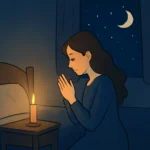
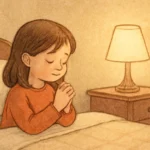
In today’s fast-paced world, many people seek more than just a pill or a late-night routine to drift into sleep. Prayer for sleep offers a way to calm the mind, soften the body, and invite a restful night through intention, gratitude, and stillness. This article explores calming prayers and practical tips that complement faith, mindfulness, and healthy sleep habits. Whether you call it a bedtime prayer, a night prayer, or a prayer before sleep, the core idea remains the same: create a quiet space where worries can soften and peaceful rest can begin. Below you will find a comprehensive guide with varied forms of sleep-focused prayer, ideas for a nightly ritual, sample prayers, and evidence-based sleep tips to help you achieve a more restorative night.
Prayer for sleep is not a magic formula, but a deliberate practice that can reduce anxiety, lower stress hormones, and cue the body for rest. By pairing spiritual or reflective language with deliberate pauses and breaths, you can reframe the end of the day as a sacred time of healing. The purpose of a sleep prayer can include:
Releasing concerns from the day and entrusting them to a higher or wiser frame of reference.
Guiding attention away from unhelpful ruminations toward soothing imagery or affirmations.
Inviting gratitude, forgiveness, and peaceful intentions that quiet the mind and body.
Setting boundaries for the night, such as repeating a headline of safety, safety, and rest.
Cultivating a routine that signals to your nervous system that it is time to rest and renew.
Across cultures and traditions, sleep prayers take many forms, but they share a common goal: to create a gentle transition from wakefulness to sleep while honoring one’s beliefs and personal needs. If you are practicing within a specific faith tradition, you can adapt the phrasing while preserving the underlying rhythm of slowing down, breathing, and centering your attention on rest.
Different Forms of Sleep-Oriented Prayer
To provide semantic breadth and breadth of practice, here are several variations you might use or adapt. Each form can be a short daily ritual or a longer, reflective session before turning out the light.
Bedtime Prayer
A bedtime prayer typically invites gratitude, protection, and release. It can be brief or extended, depending on your needs. The focus is on acknowledging what occurred during the day and inviting a peaceful close to the day’s events.
Thankfulness for small mercies and daily blessings
Requests for calm, safety, and restful sleep
Forgiveness for moments of frustration or conflict
Night Prayer for Peace
A night prayer for peace emphasizes inner stillness and the absence of fear. It can be especially useful for those who experience racing thoughts at night or anxiety about the next day.
Affirmations of safety and peace
Breath-centered phrases that align with a slow exhale
Visual imagery such as a quiet garden or a calm sea
Sleep Prayer with Gratitude
Gratitude is a powerful gateway to repose. A sleep prayer with gratitude helps pivot from what remains unresolved to what has been given abundantly in the day.
Listing three things you are grateful for
Noting a personal achievement or kindness you witnessed
Ending with a blessing for the person you love or for the world
Prayers for Restful Sleep
These prayers focus directly on restful sleep as a gift and practice, acknowledging the body’s need for repair and warmth.
Requests for continued healing, renewal of cells, and deep rejuvenation
Acceptance of a slower pace here at night
End with a short period of quiet listening for guidance or comfort
For those who prefer a structured approach, a prayer before sleep with guided phrases can provide stability. You can recite aloud or softly in your mind, aligning your breath with the cadence of the words.
“May my heart settle into stillness. May my breath slow and soften. May my body release the day’s tension.”
“I entrust my cares to the night, knowing the dawn will bring new light.”
Interfaith and Inclusive Variations
If you prefer an inclusive approach, you can craft a universal bedtime practice that draws on shared values such as peace, safety, gratitude, and healing, without specific doctrinal language. The core intention remains the same: to cultivate a sanctuary of rest.
Creating a Calming Sleep Ritual
Beyond the words themselves, the ritual surrounding your sleep prayer can strengthen its effect. A well-crafted routine signals your nervous system that the day is ending and rest is beginning. Here are steps and components to build a calming sleep ritual around your prayer for sleep.
Choose a consistent time for your prayer and wind-down period. Consistency trains your body to anticipate sleep and improves sleep quality over time.
Set the environment—dim lights, a cool room, comfortable bedding, and a quiet space. Consider white noise or soft instrumental music if helpful.
Limit stimulation—turn off bright screens at least 30 to 60 minutes before bed and avoid stimulating activities that spike adrenaline or cortisol.
Coordinate breathing—inhale slowly for a count of four, exhale for a count of six to eight. Let the exhale be longer than the inhale to encourage relaxation.
Pair with a short journaling or reflection—note three things you are grateful for and one intention for tomorrow, then let them go as you begin your sleep prayer.
Incorporating a simple framework can make your routine easier to sustain. A typical cycle might look like this: settle into a comfortable position, dim the lights, start with a mindful breath, read or recite a short prayer, and drift into sleep with a final soft exhale. The goal is not to “tire out” the mind with effort but to create a gentle transition into rest.
Sample Prayers for Sleep: Practical Examples
Below are a variety of short sample prayers you can use as-is or adapt to your own voice, tradition, and needs. You can copy these into a notebook, a digital note, or simply memorize one or two to recite nightly.
Simple Bedtime Prayer: “Tonight I release the day. I breathe in peace, and I exhale worry. Guard my sleep and renew my strength for tomorrow. Amen.”
Prayer for Protection: “Lord, be with me as I sleep. Surround me with your peace, shield me from fear, and grant me safe rest through the night.”
Gratitude-Driven Prayer: “Thank you for today’s blessings, for the meals, for the people I love, for the small miracles I often overlook. Help me sleep with a grateful heart.”
Peaceful Night Prayer: “Let go of the day’s tensions; let the night cradle my body. May sleep come gently, and may I awaken renewed in body and spirit.”
Healing Prayer for Sleep: “Grant me healing rest, renew my cells, soothe my mind, and restore my energy. May I wake with clarity and strength.”
Compassionate Prayer for All: “May all beings find rest and relief from suffering this night. May I be a calm presence in the world by choosing peace within myself.”
If you practice within a specific faith, you can adapt these to fit your language and imagery. The key is the sense of release, safety, and gentle invitation to rest. You may also blend these prayers with a brief moment of silent listening, letting any quiet insights or simply the sound of your own breath be enough of a message from the night.
Practical Tips to Complement Prayer for Sleep
Prayers can be powerful, but they work best when paired with practical sleep hygiene. The following evidence-informed tips can complement your sleep prayers and support deeper, more restorative sleep.
Physical Comfort and Environment
Keep your bedroom cool, around 60–67°F (15–19°C), which supports sleep onset and quality.
Use comfortable bedding and a supportive pillow. Consider a weighted blanket if it helps you feel secure.
Reduce ambient light with blackout curtains or an eye mask; dim the lights as you approach bedtime.
Limit noise or use soft, soothing sounds if helpful for your sleep.
Maintain a consistent bedtime and wake-up time, even on weekends, to regulate your circadian rhythm.
Develop a predictable wind-down sequence that includes your sleep prayer, light stretching, or a brief reading.
Nutrition and Substances
Avoid heavy meals close to bedtime; if hungry, opt for a light snack that won’t disrupt sleep.
Limit caffeine and alcohol in the hours leading up to sleep, as both can disrupt sleep architecture.
Hydrate earlier in the evening to minimize nighttime awakenings for bathroom needs.
Movement and Exercise
Regular physical activity supports sleep, but avoid intense workouts right before bed.
Consider a gentle evening routine—stretching, yoga, or a short walk—that can be harmonized with your sleep prayers.
Mindfulness, Breath, and Mental Calm
Use a slow, deliberate breathing pattern during your sleep prayer to cue the body for rest.
Engage in a brief body scan, noticing areas of tension and releasing them with each exhale.
For racing thoughts, try labeling thoughts briefly (“planning,” “worries,” “to-do”) and gently returning to your breath and the prayer.
Addressing Common Barriers to Sleep
Many people encounter obstacles to falling asleep or maintaining deep rest. Here are common barriers and ways your sleep prayers and routines can respond to them.
Racing Thoughts
Use a gentle cognitive release during your prayer: name one worry, then imagine placing it into a “peaceful box” that you set aside for the night.
Shift focus to comforting imagery or a short chant that you repeat slowly with breath.
Anxiety and Fear
In your prayer, invite protection and courage. Acknowledge fear without judgment and remind yourself you are safe in this moment.
Consider a “safety sentence” you can repeat to reassure your nervous system: “I am safe now; I am held by night.”
Pain or Discomfort
Include a brief request for physical healing or relief as part of your sleep prayer.
Use gentle stretches or a warm bath earlier in the evening to reduce stiffness before bedtime.
Noise and Light Sensitivity
Block or reduce disturbing stimuli. If noise is unavoidable, try using earplugs or a white-noise machine and a sleep-conducive eye mask.
In your ritual, acknowledge the environment and commit to letting go of resistance to it, then invite calm despite surroundings.
Incorporating Mindfulness and Prayer: A Synergy for Sleep
Many practitioners find that combining mindfulness techniques with prayer enhances the efficacy of sleep rituals. Mindfulness cultivates nonjudgmental awareness, while prayer invites intention and meaning. The synergy helps lower the body’s stress response and fosters a sense of connection, whether that connection is with a divine presence, a universal energy, or simply with your own inner calm.
Mindful breathing during prayer reduces sympathetic nervous system activation and signals the body to relax.
Body awareness—a brief body scan integrated into the prayer can identify tension and guide release.
Affirmations—gentle statements about safety, rest, and renewal reinforce a positive sleep trajectory.
Over time, a consistent practice can reframe the late hours as a sacred, restful period rather than a kind of battle against wakefulness. The combination of intention (through prayer) and awareness (through mindfulness) forms a practical pathway to healthier sleep patterns.
Sleep rituals can be valuable for households with children or others who benefit from a predictable routine. A family-friendly form of sleep prayer can involve elements of storytelling, gratitude, and gentle assurances of safety. Here are some ideas you can adapt for younger listeners or for shared family practice:
Offer a short bedtime story or moral reflection as part of the nightly routine, ending with a blessing for sleep.
Invite children to name one thing they are grateful for and one thing they hope to learn tomorrow.
Share a short, simple prayer that emphasizes protection, kindness, and rest.
Family practice can reinforce a stress-reducing routine for both adults and children, creating a sense of safety and rhythm that supports healthy sleep for all ages.
When to Seek Help for Sleep Difficulties
While sleep prayer and self-managed routines can benefit many people, persistent sleep problems—such as chronic insomnia, sleep apnea, or severe anxiety—may require professional help. Consider consulting a healthcare provider if you experience:
Difficulty falling asleep or staying asleep for several weeks
Significant daytime impairment, such as fatigue, concentration problems, or mood changes
Snoring, gasping for air during sleep, or observed pauses in breathing
Sleep medicine and mental health professionals can offer evidence-based treatments, including sleep hygiene counseling, cognitive-behavioral therapy for insomnia (CBT-I), and medical evaluation for underlying conditions. A prayerful, mindful approach to sleep can complement professional care, not replace it.
Frequently Asked Questions About Sleep Prayers
Here are concise responses to common questions people have about integrating prayer with sleep.
Is a long prayer better than a short one?
Not necessarily. The best approach is consistency and quality of focus. A short, meaningful prayer recited with calm breathing can be more effective than a lengthy, distracted one.
Can I use secular language for sleep prayers?
Absolutely. Prayer for sleep can be secular or spiritual. The aim is to cultivate calm, gratitude, and a sense of peace as you prepare to sleep.
How long should the sleep ritual last?
Most people find 5–20 minutes sufficient. The duration should feel soothing rather than rushed, allowing your mind to settle.
Should I combine prayer with meditation or prayer with music?
Combining modalities can be beneficial. A quiet prayer with soft music or guided breathing can enhance relaxation for many individuals.
Prayer for sleep is more than a nightly routine; it is a deliberate practice that honors rest as a meaningful, daily act. By blending calming prayers with practical sleep strategies, you build a holistic approach to sleep that nourishes body, mind, and spirit. Whether you adopt a classic bedtime prayer, a tranquil night prayer for peace, or a gratitude-infused sleep prayer, the essential elements remain: slowing down, breathing calmly, releasing the day, and inviting rest. Over time, these practices can contribute to deeper, more refreshing sleep and a brighter sense of well-being as you greet each new day.

 Por Laura Jara