Armor of God sermons have long served as a compelling framework for teaching believers how to stand firm in faith. When pastors and teachers frame spiritual maturity around a Biblical image—an array of divine equipment worn for battle—the message becomes practical, memorable, and deeply transformative. In this article, we explore the landscape of Armor of God sermons, offering sermon outlines, historical context, and practical strategies to help you preach with clarity, urgency, and spiritual insight. The core idea is simple: by studying the spiritual armor described in Scripture, congregants can recognize God’s provision for every arena of life and develop a robust, daily practice of faith.
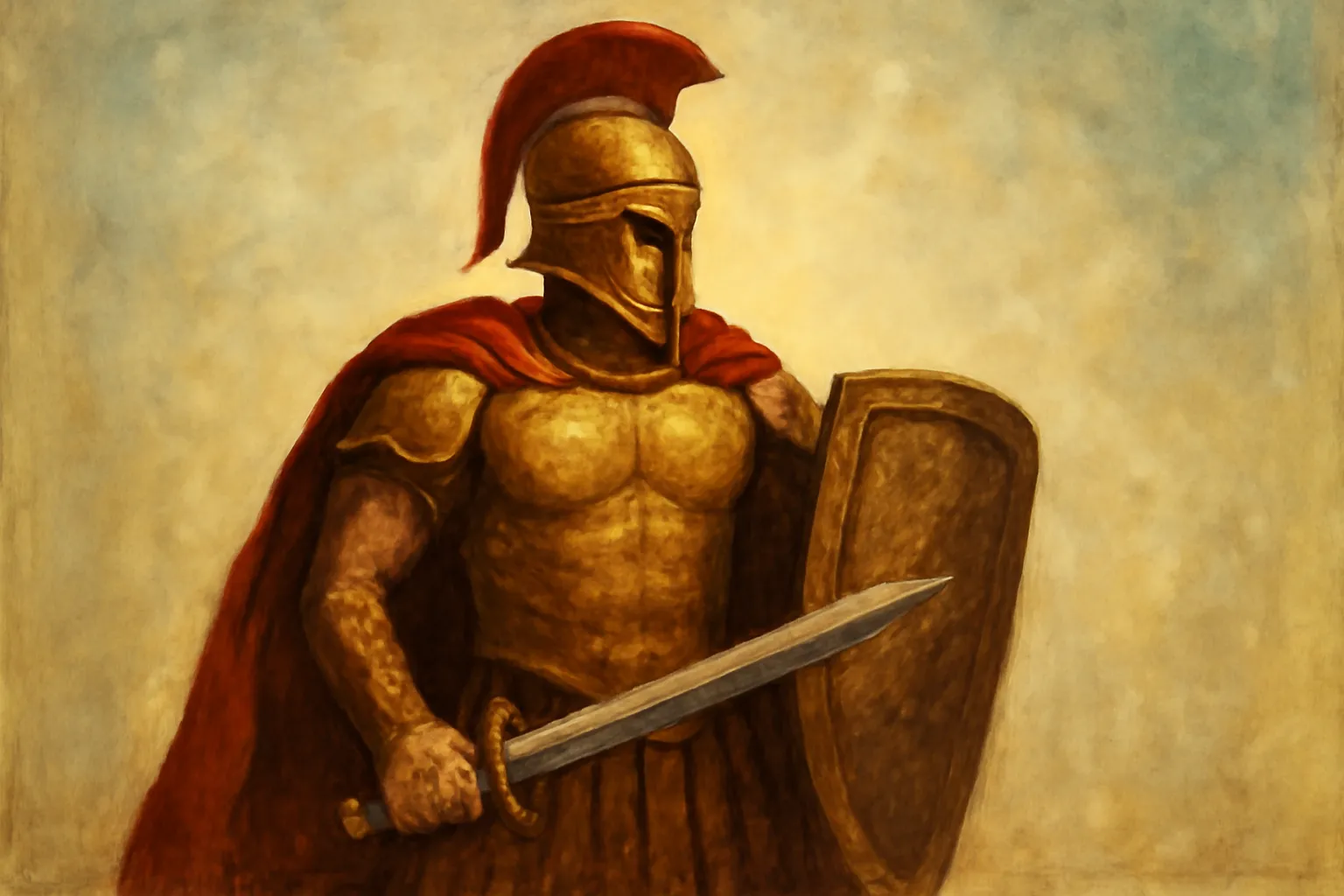
The Armor of God is a metaphor found in the New Testament that presents the believer’s resources for living in a dangerous world. The primary biblical text is Ephesians 6:10-18, where the apostle Paul exhorts believers to be strong “in the Lord and in his mighty power.” This passage lists six pieces of armor and a single weapon that together form a comprehensive defense and offensive mechanism for spiritual victory. When we preach Armor of God sermons, we invite listeners to see the Christian life as a disciplined, battle-ready pursuit of holiness, truth, and faith.
In summary, the armor imagery conveys three core ideas:
The source of strength is God, not human effort.
Spiritual warfare is real and ongoing, requiring readiness.
Practical steps can align belief and behavior with God’s purposes.
Below are the six pieces Paul names, along with brief orientation for preaching. Each piece functions as a unit in a sermon series or as a key point within a longer sermon. For each piece, you’ll find ideas for illustrations, practical application, and pastoral implications.
The Belt of Truth
The belt of truth is more than a metaphor for honesty; it secures all other armor. In a sermon, emphasize integrity, doctrinal clarity, and alignment between belief and action. A preaching angle might be to explore how truth stabilizes life in a world filled with competing narratives.
Breastplate of Righteousness
The breastplate of righteousness guards the heart. Sermons can address ethical living, spiritual formation, and justice. Consider contrasting “imputed righteousness” with “imparted righteousness”—how Christ’s work covers us, while our daily choices demonstrate that cover in real life.
Feet Fitted with Readiness
The Gospel of Peace provides footwear for movement—ready to share good news and to stand firm. Preach how the gospel shapes vocational calling, family life, and community engagement. An effective sermon may include practical steps for bearing witness in ordinary settings—workplaces, schools, and neighborhoods.
Shield of Faith
The shield of faith is not a passive belief but a dynamic, trust-filled posture toward God amidst trial. Sermon ideas include how faith protects against doubt, how to refuse cynicism, and how to persist in prayer even when outcomes are uncertain.
Helmet of Salvation
The helmet of salvation guards the mind with the assurance of God’s saving work. In preaching, you can emphasize identity in Christ, the security of salvation, and the transformation that comes from renewed thinking.
Sword of the Spirit
The sword of the Spirit—which is the Word of God—is both defensive and offensive. Sermons here highlight Scripture memory, meditation, and scriptural application in everyday battles. Encourage listeners to learn to wield the Word with wisdom, discernment, and grace.
Historical and Theological Context
Understanding the backdrop of Armor of God sermons helps preachers avoid anachronism and connect with congregants. Paul’s letter to the Ephesians was written to Christians navigating the tension between old ways and the new reality in Christ. The imagery of armor would have resonated with soldiers and status-conscious readers in the first-century world, making the metaphor vivid and memorable.
The armor motif aligns with Roman military imagery, making the exhortation tangible for an audience familiar with soldiers and shields.
The focus on deception, temptation, and moral failure situates the text within the broader theme of spiritual integrity and victory through God’s strength.
The apostle’s closing exhortation to “pray in the Spirit” (Ephesians 6:18) connects the armor to a life of dependence on God through persistent prayer.
For preachers, this context suggests several pedagogical approaches:
Anchor sermons in a vivid, narrative frame—paint a picture of the Christian life as a daily battle with a reliable divine supply.
Avoid reducing the armor to a simple checklist. Emphasize ongoing dependence on God and the power of the Spirit.
Use contemporary illustrations that tie each piece of armor to modern life—relationship conflicts, workplace temptations, social pressures, and cultural narratives.
In practice, a thoughtful Armor of God sermon series can bridge ancient text and modern experience, helping listeners see how a timeless image remains profoundly relevant in today’s spiritual climate.
Powerful Sermon Applications: A Piece-by-Piece Guide
Each piece of the armor is a doorway into a different aspect of living faithfully. The following subsections offer sermon ideas, illustrations, and pastoral considerations for preaching armor of God sermons that are both theologically accurate and pastorally transformative.
The Belt and the Foundation of Truth
Key preaching emphasis: truth-telling, doctrinal clarity, integrity of life. Consider how confusion or deception erodes the whole armor. Applications could include teaching on honesty in confession, truth-telling in relationships, and discernment in cultural claims. Illustrations might involve a craftsman’s belt holding tools in place or a modern witness protecting honesty in social media posts.
Righteousness as Daily Courage
The breastplate stands for righteousness—both Christ’s covering and our daily obedience. Sermons can explore how right living protects the heart from despair and cynicism. Practical steps: accountability partnerships, regular examination of conscience, and choosing actions aligned with God’s will. Case studies or hypothetical scenarios can illustrate how small choices accumulate into a righteous character.
Walking in the Gospel: Shoes of Readiness
Readiness to advance the gospel invites listeners into mission-minded living. Preachers may encourage parishioners to identify everyday arenas for sharing hope—home, school, workplace, and community. Stories of ordinary obedience—acting with kindness, listening well, offering forgiveness—provide memorable ballast for the sermon.
Faith as a Shield Against Fear
The shield of faith challenges fear and disbelief. Sermons can address modern anxieties—career instability, health concerns, societal unrest—and present faith as a confident, hopeful response rooted in God’s character and promises. Encourage practical acts of trust, such as prayerful surrender, generous living, and steadfast perseverance even when outcomes are unknown.
Salvation as the Helmet of Guarded Thought
With the helmet, the mind is safeguarded by the assurance of salvation. Emphasize identity in Christ, the security of God’s promises, and the transformation of mindsets through Scripture. Sermon ideas include exploring the renewal of minds in Romans 12:2, and how that renewal enables courageous living in a skeptical culture.
The Word as the Sword
The Word of God is the principal weapon for spiritual growth. A sermon series on the sword might include practical training in Bible study methods, memorization strategies, and meditative reading. Consider a “weaponized” approach: how to apply Scripture to temptations, conflict resolution, and decision-making. Real-life stories of Scripture’s power to cut through confusion can be deeply persuasive.
Crafting an Armor of God Sermon Series
For many churches, a multi-week series on Armor of God sermons yields the best long-term impact. A well-structured series helps believers internalize the material, practice disciplined faith, and experience spiritual transformation. Here are practical steps to design such a series:
Begin with a compelling kickoff sermon that frames life as a spiritual battle and introduces the six pieces of armor as a unified defense system.
Dedicate individual messages to each piece, weaving in personal stories, historical context, and practical applications.
Close with a commissioning sermon that invites listeners to live out what they’ve learned in concrete ways—through worship, service, and witness.
Incorporate interactive elements such as small-group discussions, guided prayer times, and personal reflection sheets.
Provide ongoing resources: weekly devotions, printable study guides, and recommended readings to deepen understanding.
When planning the schedule, you might consider a pattern like:
Week 1: The Call to Armor — Why believers need spiritual defense.
Week 2: Truth and Integrity — The Belt of Truth.
Week 3: Righteousness — The Breastplate of Godliness.
Week 4: Readiness to Share the Gospel — Shoes of the Gospel.
Week 5: Faith in Trials — The Shield of Faith.
Week 6: Assurance of Salvation — The Helmet of Salvation.
Week 7: The Word as Weapon — The Sword of the Spirit.
Week 8: Living in the Armor — Practical integration and prayer.
Each sermon should include a clear thesis, a memorable illustration, practical takeaways, and a prayerful response. A well-executed armor series can help congregants see the sermon not as a one-off message but as a pathway to consistent spiritual formation.
Practical Sermon Applications and Engagement Tips
To make armor of God sermons truly impactful, consider the following practical strategies. These suggestions are oriented toward pastoral effectiveness, congregational growth, and durable spiritual transformation.
Use vivid imagery that connects ancient armor to modern life. Let listeners picture the belt cinching truth around daily routines, or the shield catching arrows of fear and doubt in contemporary contexts.
Incorporate Stories and Testimonies that demonstrate the armor in action. Real-life testimonies about moments of temptation resisted or truth upheld can anchor a sermon in reality.
Provide concrete applications rather than abstract principles. Offer specific steps for confession, prayer, Scripture study, accountability, and acts of service.
Encourage regular practice—not just reflection. Invite your audience to commit to a weekly ritual: a truth-list, a righteousness check, a faith-filling moment, a gospel-sharing plan, a helmeted thought audit, and scripture meditation.
Integrate prayer as a central practice. The armor is activated through sustained prayer in the Spirit; sermons should model or teach this posture, not merely describe it.
Offer cross-cultural and intergenerational relevance. Adapt illustrations for diverse audiences while preserving the core truths. Youth groups, families, and seniors can each find meaningful entry points into the armor imagery.
In addition to sermon content, you can enrich your ministry with resources such as Bible study guides, small-group discussion questions, and prayer prompts that reinforce the armor concept throughout the week.
Variations on the Theme: Creative Angles for Modern Audiences
Armor of God sermons can be adapted to address a wide range of contemporary themes. Below are several variations and angles you can explore to broaden semantic breadth and keep the topic engaging across different readerships and congregations.
Armor in Times of Temptation
Frame the series around moral testing and resisting compromise. Emphasize how truth guards against deception, righteousness counters shortcuts, and faith shields against temptations that imperil integrity. Include practical strategies for accountability and accountability partners in the church community.
Workplace Warfare and Spiritual Readiness
Apply the armor to the professional sphere: truth in communications, ethics in decision-making, readiness to share hope in the workplace, and faith that sustains resilience under pressure. You can present case studies from real work-life scenarios to illustrate how spiritual armor functions in secular settings.
Family and Household Armor
Address family dynamics, parenting challenges, and intergenerational relationships. The armor imagery can be used to discuss healthy boundaries, forgiveness, and the role of the gospel in shaping family culture. Sermons can provide family-centered activities that reinforce armor concepts at home.
Church-wide Warfare: Union in the Gospel
Use the armor as a metaphor for unity, doctrinal clarity, and shared mission. Emphasize how truth unites, righteousness disciplines, and the Word empowers collective outreach. This angle can help foster church health, pastoral care, and collaborative ministry.
Peace and Resilience under Cultural Pressure
Confront modern pressures—social media narratives, relativism, and division—by presenting the armor as a source of courage and calm. The discussion can center on sustained trust in God, hopeful witness, and the readiness to engage respectfully with others who disagree.
Adapt to younger audiences by using contemporary media and interactive formats. Short, dynamic messages, visual storytelling, and hands-on activities can help students grasp the armor’s relevance for school life, friendships, and moral choices.
Sermon Illustrations, Stories, and Teaching Techniques
A compelling Armor of God sermon often benefits from illustrative material that makes the spiritual principles tangible. Here are some practical ideas for enriching your messages:
Visual props such as a replica belt, shield, or helmet can create a memorable focal point during the sermon or a teaching session.
Historical anecdotes about ancient armor, Roman soldiers, or battlefield strategies can ground your sermon in historical reality.
Contemporary analogies—for example, likening the belt to a person’s daily commitments to truth, or comparing the shield to protective habits like prayer and Scripture memory.
Storytelling arcs that follow characters facing temptations, moral decisions, or moments of crisis, illustrating how the armor helps them endure.
Interactive elements in which listeners identify which pieces of armor they most need to strengthen in their own lives and then commit to a practical next step.
When using illustrations, balance creativity with faithful exegesis. Do not sacrifice the integrity of the Scriptural message for novelty. The strongest Armor of God sermons pair vivid storytelling with accurate interpretation and clear application.
As you preach or write about the Armor of God, you may encounter questions from listeners seeking clarity. Here are some frequently asked questions and concise answers you can incorporate into your prep or Q&A sessions:
Q: Is the armor literal or symbolic? A: While the imagery is symbolic, it communicates real spiritual realities. The armor describes the resources God provides for living faithfully in a hostile world.
Q: How does prayer relate to the armor? A: Prayer is the channel through which believers access divine power. The call to pray in the Spirit accompanies each piece of armor, ensuring that truth, righteousness, faith, salvation, and the Word are oriented toward God’s gracious activity in our lives.
Q: Can armor imagery apply to noncombat contexts? A: Yes. Although the language is martial, the underlying message is about resilience, steadfast faith, and love under pressure—principles that illuminate many life arenas beyond physical conflict.
Q: How long should an Armor of God sermon last? A: It depends on audience and context. A single sermon may last 25–40 minutes, with a longer multi-part series running 6–8 weeks, including small groups and devotions.
Conclusion: The Relevance of Armor of God Sermons Today
In a cultural moment characterized by rapid change, moral ambiguity, and spiritual fatigue, the Armor of God sermons offer a steady, biblically grounded framework for life. The imagery is timeless, yet the application remains profoundly practical for contemporary believers. When preached with careful exegesis, pastoral sensitivity, and engaging illustrations, these sermons help listeners move from spectators of faith to active, resilient participants in God’s mission.
To sum up, a well-crafted Armor of God sermon or series can:
Clarify the believer’s identity in Christ and demonstrate how that identity empowers daily living.
Unify doctrine and practice by tying truth to ethical action, and belief to behavior.
Encourage practical discipleship through attainable, repeatable spiritual habits.
Foster hope and perseverance by grounding perseverance in God’s strength and promises.
Whether you’re a pastor preparing a single sermon or a writer crafting a comprehensive armor of God sermon series, the armor metaphor remains a profound tool for spiritual formation. By examining each piece in depth, using compelling illustrations, and guiding listeners through concrete steps, you can help your audience not only understand the armor but also live within its protective reach every day.

 Por Laura Jara