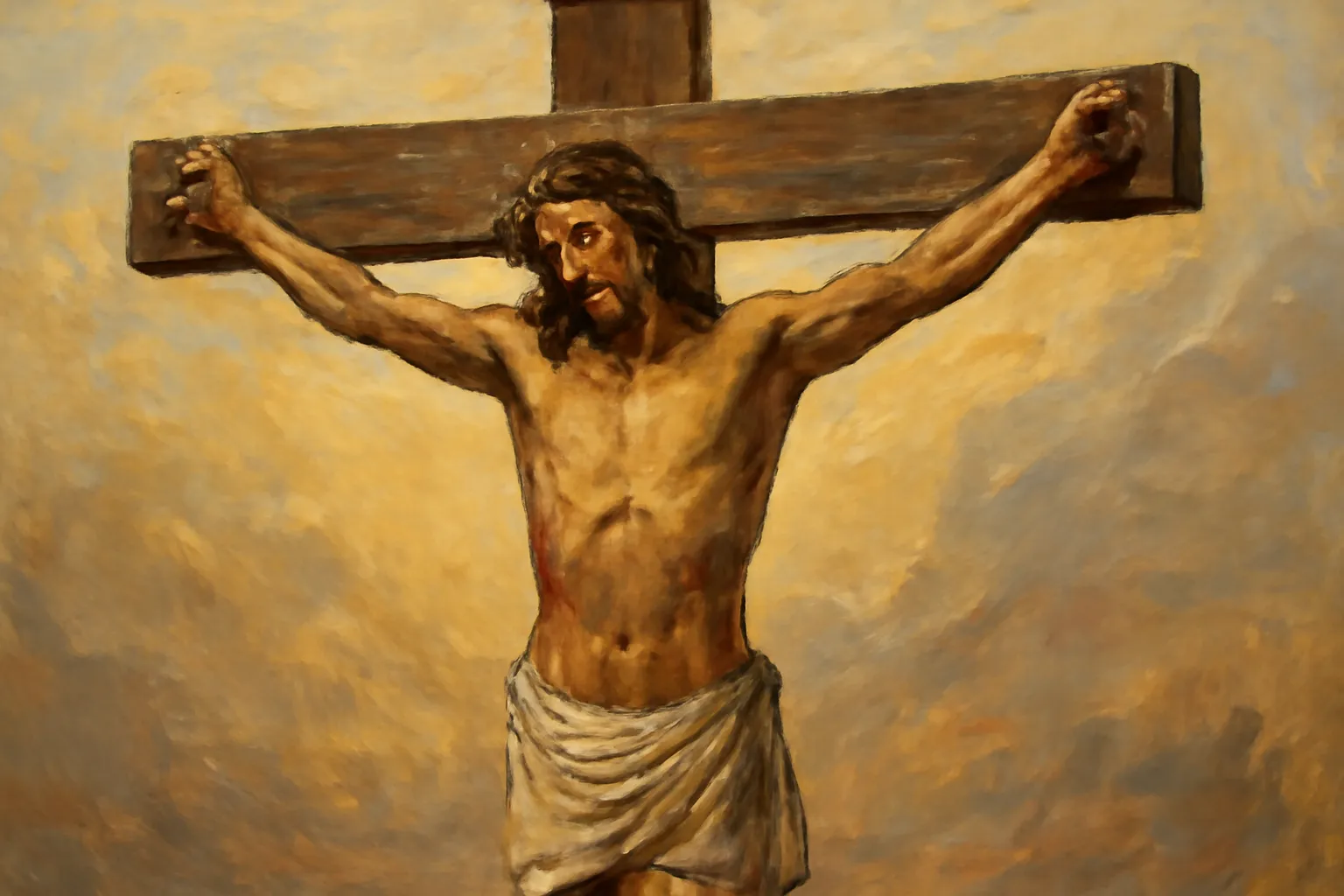
Introduction: Why this verse matters in Christian faith
Across generations, readers have turned to the simple yet profound claim that Jesus died for our sins as a core summary of the Christian gospel. This conviction is not only about a historical event; it is an explanation of why humanity needs forgiveness, how God’s love meets human brokenness, and what it means to be reconciled to the Creator. In many Bible translations, you will encounter a family of phrases that express this same truth with different emphases: Christ died for our sins, Jesus gave himself for our sins, He bore our sins in his body, and the blood of Christ was shed for us. Each of these refrains points to the same central reality from different angles: the atonement that reaches into the deepest levels of guilt, shame, and estrangement, and extends into the hope of new life.
This article collects key scriptures, explains their meaning, and invites reflection. We will consider several important verses that speak to the unwavering claim that Jesus died for our sins, and we will explore how these verses inform prayer, worship, ethics, and everyday trust in God. By looking at the biblical witness across passages, you can gain a broader and more nuanced understanding of the salvation narrative.
Key Scriptures that proclaim Jesus Died for Our Sins
1) 1 Corinthians 15:3-4: The heart of the gospel message
In the apostle Paul’s summary, there is a succinct statement that has guided countless believers: “For what I received I passed on to you as of first importance: that Christ died for our sins according to the Scriptures, that he was buried, that he was raised on the third day.” This formulation anchors the gospel in three interconnected truths: death for sins, the sequence of burial, and the resurrection. The phrase “Christ died for our sins” is not merely a symbolic statement; it signals a substitutionary act, wherein Jesus takes on the penalty and the consequences of sin so that people can be reconciled to God.
Key emphasis: substitutionary atonement and fulfillment of biblical prophecy.
Question for reflection: How does the combination of death, burial, and resurrection inform your understanding of salvation?
2) Romans 5:6-9: Demonstrating love at the right time
Romans 5 moves from the problem of sin to the solution of grace. The text affirms that “Christ died for the ungodly”, and it intensifies the claim by noting that “God demonstrates his own love for us in this: While we were sinners, Christ died for us.” The passage continues with the assurance that because we are justified by Christ’s blood, we will be saved from God’s wrath. This sequence emphasizes God’s initiative, human need, and the transformative effect of faith.
Key takeaway: God’s love initiates salvation even when humanity is least deserving.
Reflection prompt: In what moments do you especially sense the timing of God’s grace—“at just the right time”—as described in this passage?
3) Isaiah 53:5-6 (and nearby verses): The prophetic portrait of the suffering servant
The Old Testament prophecy about the suffering servant provides a bridge to the New Testament claim of Jesus’ death for sins. Isaiah writes that “he was pierced for our transgressions, he was crushed for our iniquities; the punishment that brought us peace was on him, and by his wounds we are healed.” Later verses describe the servant’s chosen sufferings as purposeful and redemptive. In Christian interpretation, these verses are read as a foreshadowing of the events in which Jesus would bear the sins of many.
Key themes: atonement through suffering, peace and healing, and divine substitution.
Discussion note: How does an image of suffering that brings healing shape your understanding of grace?
4) 1 Peter 2:24 and 1 John 2:2: Personal atonement and universal scope
1 Peter 2:24 situates Jesus’ death within the lived experience of believers: “He himself bore our sins in his body on the tree, that we might die to sins and live for righteousness.” This connects the cross to daily transformation and ethical living. 1 John 2:2 broadens the scope, declaring that “he is the atoning sacrifice for our sins, and not only for ours but also for the sins of the whole world.” Here, the sacrifice is presented as both intimate (personal sins) and expansive (the worldwide human condition).
Key nuance: personal application and global reach.
Reflection idea: In what ways does understanding the breadth of atonement affect your prayer life and sense of mission?
5) John 3:16 and related passages: The gift of eternal life through faith
Though often quoted in isolation, the verse “For God so loved the world that he gave his one and only Son,” is part of a broader narrative about faith, judgment, and life. When linked with the idea that the Son gave himself for our sins, it emphasizes a motive of divine love and the path to eternal life for those who believe. This passage is frequently used to invite readers into a relationship with Jesus that rests on trust in his sacrificial work.
Important linkage: divine love, faith, and eternal life.
Question: How does the invitation to believe interact with your understanding of sacrifice and grace?
6) Additional variations and related texts
Across translations, you may encounter phrases such as “gave himself for our sins” (as in Galatians 1:4 in some renderings), “bore our sins in his body” (1 Peter 2:24), or “the blood of Christ” that cleanses from sin. While words differ, the core assertion remains: Jesus’ death functions as the decisive act by which humanity is reconciled to God, forgiveness is offered, and a path to new life is opened.
Vocabulary note: Different translations emphasize various facets—substitution, sacrifice, forgiveness, justification, and reconciliation.
Activity idea: Compare a couple of English translations (e.g., ESV, NIV, KJV) for a chosen verse and notice how wording shapes emphasis.
Theological meaning: Why did Jesus die for sins?
The claim that Jesus died for our sins is not only descriptive of what happened; it is interpretive of what God is doing in salvation. The core themes include atonement, redemption, forgiveness, and reconciliation. Different Christian traditions articulate these ideas with varying emphasis, yet most agree that the cross stands at the center of God’s plan to restore broken relationship.
A common way to summarize the meaning is through the concept of substitution: Jesus stands in for sinners, bearing the penalty that justice requires so that we can be forgiven. The Bible speaks of this act as atonement, a term that originates from the idea of a covering or reconciliation that removes the barrier between humans and God.
Justification, reconciliation, and new life
The effect of Jesus’ death is often described in terms of justification by faith—being declared right with God not by our own merit but by trust in Christ’s finished work. The cross also makes possible reconciliation with God and with others, and it opens the way to a new life characterized by obedience, hope, and love.
Grace versus merit
A foundational takeaway is that salvation is a gift of grace, not something earned by human effort. While human response—faith, repentance, and trust—is essential, the initiating act belongs to God’s gracious mercy. This distinction helps believers posture themselves in humility, gratitude, and a life oriented toward love for God and neighbor.
Historical and literary context
The language of died for our sins appears within a dense matrix of first-century Jewish and Greco-Roman thought about suffering, sacrifice, and the hope of redemption. Readers benefit from considering the literary genres (gospel, epistle, prophetic writing) and the original audiences. Context helps prevent over-literalization in one era and over-spiritualization in another, inviting readers to hold the mystery of faith with humility.
Personal meaning and reflection
How the sacrifice speaks to you personally
For many believers, the claim that Jesus died for our sins is not merely doctrinal—it is intimate and transformative. It speaks to the depths of guilt, the longing for belonging, and the desire for genuine peace with God. When you read verses about the cross, you may notice where you feel unsettled, helpless, or burdened, and how the gospel offers release, healing, and a new identity.
Identity in grace: If you have believed, you are accepted not on your performance but through Christ’s finished work.
Forgiveness as daily practice: Reflection on the cross can cultivate a life of repentance, forgiveness toward others, and mercy in daily decisions.
Hope beyond failure: The resurrection narrative confirms that defeat is not the final word; new life is possible through faith.
Practical questions to guide personal reflection
What does it mean to you that Christ died for our sins at the point of your own vulnerability or failure?
How does the truth of substitution shape your view of justice, mercy, and grace?
Where do you see the effects of reconciliation in your relationships—within family, church, and community?
What are practical ways you can respond to this gift with trust, obedience, and love?
Faith and life: applying the verses to daily practice
The message is not merely conceptual; it calls for action. Believers often respond by worship, service, and ethical living that reflect gratitude for Christ’s sacrifice. This can include acts of justice for the vulnerable, acts of mercy toward the neighbor, and daily practices of prayer that keep the cross at the center of one’s spiritual rhythm.
Practical ways to study and reflect on these verses
Voice the key phrases: Write or speak the recurring phrases such as “Jesus died for our sins”, “Christ died for our sins”, and “he bore our sins” to fix the meaning in your memory and heart.
Cross-reference verses: Create a mini-map of the verses listed in this article and note how each contributes a different emphasis (scopically broad like the world, personally specific like your sins).
Journal prompts: After reading a passage, write a short reflection on how it shapes your worship, your confession, and your daily choices.
Pray with the text: Use the verses as a prayer framework—confession, gratitude for forgiveness, requests for transformation, and intercession for others who seek grace.
Group study or discussion: Share insights in a small group, inviting others to bring their own reflections on what it means that Jesus died for sins, and how that truth affects life in community.
In Christian theology, dying for sins means that Jesus bore the penalty and the power of sin on behalf of humanity. Through his death, forgiveness is offered, and the barrier between people and God is removed. The believer’s response is faith, repentance, and trust in Jesus’s work.
Is substitutionary atonement universally accepted?
Within Christian traditions, substitutionary atonement is one of the most widely taught interpretations of the cross. Some denominations emphasize different dimensions—moterality (Christ’s love), moral influence (the example of love), or Christ’s victory over sin and evil—yet most agree that Jesus’s death has salvific significance for humanity. Understanding the range of views can deepen respect for diverse expressions of faith while staying rooted in the central claim: Jesus died for our sins.
How can I apply these verses in a practical, everyday way?
Practical application includes fostering a posture of humility before God, extending grace to others, committing personal discipline that aligns with righteousness, and participating in acts of justice and mercy. The cross becomes a compass for living with integrity, compassion, and gratitude.
What about sin after conversion?
Even after placing faith in Christ, believers continue to wrestle with sin. The verses about Jesus dying for sins remind Christians that forgiveness remains available, and the Spirit empowers growth. Confession, accountability, and reliance on grace help believers walk in newness of life.
Conclusion: Holding fast to the message that Jesus died for our sins
Across the pages of Scripture, the assertion that Christ died for our sins recurs as a beacon for faith, a call to transformation, and a lens for understanding the nature of God’s grace. Whether you approach it through the lens of substitution, prophecy, grace, or moral influence, the cross stands as a decisive moment in the story of God and humanity. The verses discussed here—1 Corinthians 15:3-4, Romans 5:6-9, Isaiah 53, 1 Peter 2:24, 1 John 2:2, and John 3:16—offer a multi-faceted, cohesive picture: sin is real, God’s love is greater, and the sacrificial death of Jesus opens the door to forgiveness, peace, and new life.
As you continue to study these scriptures, may you deepen your trust in God’s grace, grow in reconciliation with God and others, and cultivate a life that responds to the gospel with praise, obedience, and hopeful service to the world.

 Por Laura Jara