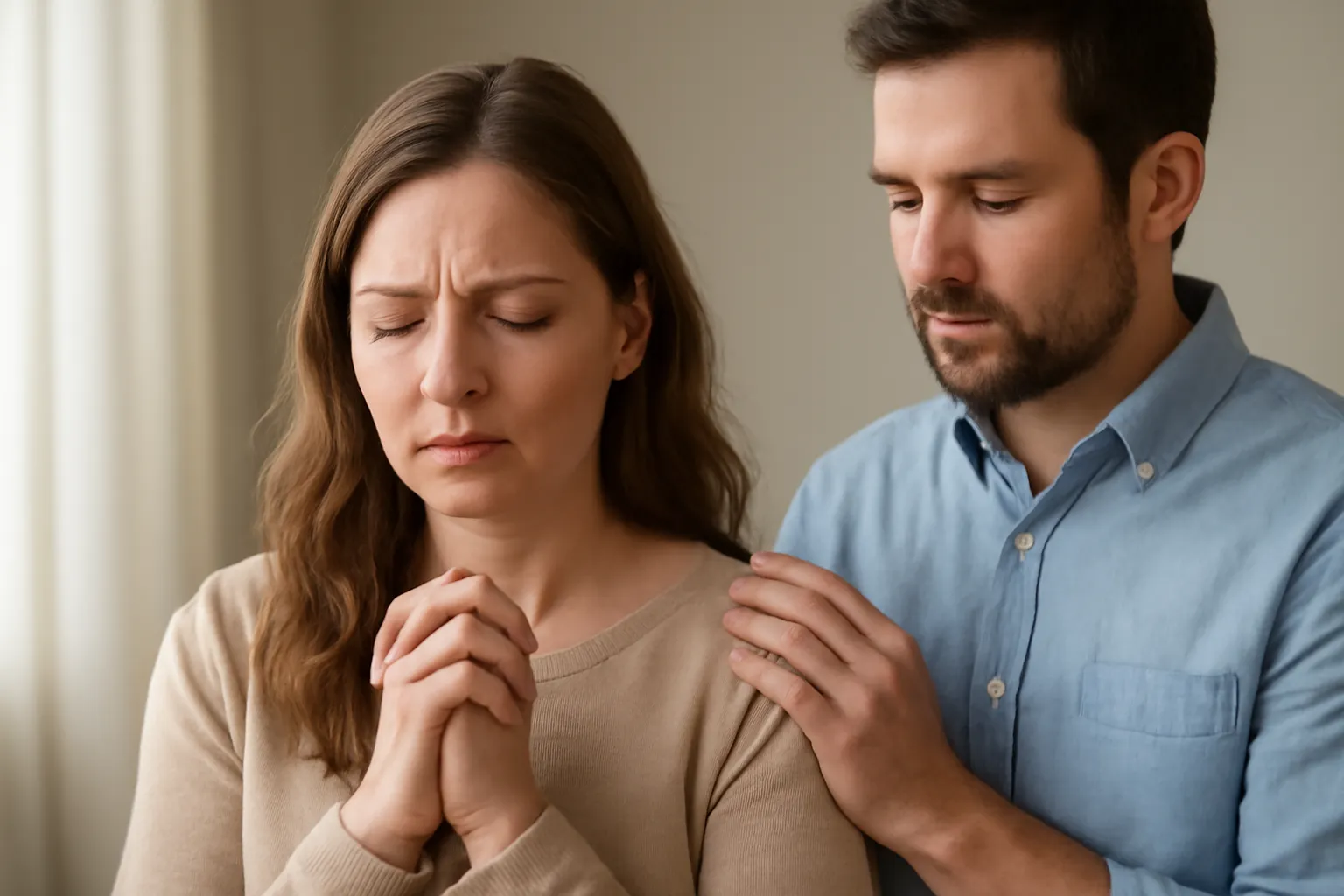
700 Club healing prayer is a facet of contemporary Christian practice that appears on The The 700 Club—a long-running program produced by the Christian Broadcasting Network (CBN). For many viewers, these segments offer guidance on prayer for healing, encouragement to trust in God’s power, and a framework for praying with faith. This article provides an in-depth, educational look at the 700 Club healing prayer and offers practical, respectful guidance on how to pray for healing in a way that honors both faith and personal discernment.
The healing prayer tradition associated with The 700 Club blends elements from evangelical and charismatic prayer practices. It emphasizes the belief that God can heal and restore, and it invites believers to bring their needs before God with honesty, reverence, and faith. While the program itself does not guarantee physical miracles for every viewer, it has helped foster a culture of prayer that centers on faith, Scripture, and community intercession.
In this context, the 700 Club healing prayer usually includes recognizable patterns: an opening invocation, a reading of Scripture, a faith-filled petition, and a closing expression of gratitude and trust, often accompanied by personal testimonies or ministry moments. For many people, these segments offer a roadmap for how to approach prayer for healing with purpose, patience, and humility.
It is important to distinguish between the spiritual practice of prayer for healing and the medical reality of illness. Prayer for healing is about seeking God’s presence, comfort, restoration, and wisdom, while medical care and professional treatment address physical conditions through evidence-based means. A respectful approach honors both dimensions: faith in God and responsible health decisions.
Foundations and principles behind healing prayer
Any robust exploration of the 700 Club healing prayer should start with a clear sense of its biblical and historical roots. While program segments vary, several consistent themes tend to run through them:
Faith as a catalyst for healing: faith is not manipulation but trust in God’s character and promises.
Scripture as the authority for prayer: verses about healing, mercy, and God’s compassion guide the words of prayer.
Confession and repentance where appropriate: healing is sometimes linked to turning toward God in humility and openness.
Intercession for others: the body of Christ prays not only for oneself but for family, friends, neighbors, and those in need.
Patience and perseverance: healing can be immediate or gradual, and the journey often involves endurance, hope, and discernment.
Gratitude and trust: even when healing seems delayed, gratitude for God’s faithfulness sustains the believer.
These foundations help practitioners distinguish the 700 Club healing prayer from sensational claims or coercive expectations. The aim is to cultivate a posture of faith that is honest about pain and hopeful about God’s involvement in the human story.
A central aspect of any discussion about healing prayer is its scriptural grounding. Believers often turn to passages such as:
James 5:14-15 — calling on the elders of the church to pray over the sick and anoint with oil, with the promise that the prayer offered in faith will save the sick.
Isaiah 53 and 1 Peter 2:24— the theme of healing as part of the atonement and Christ’s suffering for humanity.
Mark 5 and Matthew 8— stories of Jesus healing the sick and restoring wholeness to those who come to him in faith.
Psalm 103— God’s benevolent character as a healer who renews the soul and body.
In practice, these verses provide language for prayer and a theological lens through which believers understand healing. For many participants in the 700 Club healing prayer, Scripture becomes both the fuel and the compass—fuel for faith and compass for how to pray with integrity.
How to pray for healing: a practical guide
If you’re seeking a practical approach to how to pray for healing, consider a framework that combines intent, humility, and biblical grounding. Below is a structured guide you can adapt to personal or group prayer times.
Preparation: setting the right posture
Begin with a moment of quiet, acknowledging God’s presence.
Ask for the guidance of the Holy Spirit to shape your words and your heart.
Confess anything that may hinder faith, such as fear, bitterness, or unforgiveness, with a willingness to surrender it to God.
Invite others to join in prayer if you are praying for someone else.
Pray for yourself: personal healing prayer
Approach God with honesty: name your need, pain, or condition without mincing words.
Affirm your trust in God’s sovereignty while expressing your desire for healing.
Ask for spiritual, emotional, and physical restoration, aligned with God’s will.
Pray for others: intercessory healing prayer
Bring the person’s name and a brief description of their need before God.
Pray for comfort, protection, wisdom for medical teams, and relief from suffering.
Ask that God’s presence would sustain them and bring peace regardless of outcome.
Incorporate Scripture: let God’s Word shape your prayer
Read a relevant verse aloud, such as James 5 or Isaiah 53, and reflect on its meaning for the person or situation.
You can weave promises into your prayer, for example, “Lord, you are our healer; let your healing virtue flow.”
End with a confession of trust: “Your will be done; I trust your timing and your care.”
Closing the prayer: faith-filled closure
Thank God for hearing prayer, regardless of the immediate visible outcome.
Offer ongoing prayers and a plan for continued support (visitation, encouraging notes, or practical help).
Close in the name of Jesus, with gratitude and reliance on God’s grace.
Ready-made prayers for different healing needs
If writing your own prayer feels daunting, you can use these sample prayers as templates or inspiration. Each one aims to be respectful, humble, and rooted in biblical trust.
Heavenly Father, I come before you with a heart that longs for healing and peace. You are the source of life and health, and I trust in your good and perfect plan. Please bring relief to my body, calm to my spirit, and strength to my daily life. Guide the hands of my doctors, grant wisdom to my caregivers, and renew my vitality according to your will. I thank you for your love and faithfulness, even in times of uncertainty. In Jesus’ name, amen.
Prayer for physical healing
Lord Jesus, you walked among the sick and laid hands with compassion. I ask you now to touch my body with your healing power. Restore health where it is broken, mend what is weary, and bring restoration to every system that is affected. If healing is part of your plan, I receive it with gratitude. If not, grant me grace to endure with courage, and comfort in your presence. Amen.
Prayer for emotional and mental healing
Compassionate God, you know my inner battles, fears, and ache. Please heal the broken places of my heart, calm my anxious thoughts, and restore hope. Help me to process pain in healthy ways, to forgive where needed, and to receive your peace that goes beyond understanding. Surround me with people who encourage and support me, and remind me that I am not alone. In your mercy, amen.
Prayer for spiritual healing and restoration
God of grace, restore my spirit and renew my faith. Help me to align my life with your purposes, to seek righteousness, and to walk in the freedom you offer. Heal any spiritual wounds, reawaken wonder for your Word, and deepen my trust in your plan. May my life bring you glory, now and forever. In Christ’s name, amen.
Intercessory prayer for others
Lord, You are the great Physician, and I lift up [Name] before you. Please bring relief from suffering, wisdom for treatment, and steady courage during this season. Surround them with your love through family and friends, and let your peace guard their heart. If it pleases you, bring healing; if not, provide comfort and your presence that feels like home. In Jesus’ name, amen.
How to integrate healing prayer into daily life
Healing prayer is not confined to a single moment on a television program or during a church service. It can become a daily rhythm that nurtures faith, compassion, and resilience. Here are practical ideas to integrate this practice into everyday life.
Set aside a regular time for prayer, even if it is brief but consistent.
Keep a prayer journal to track needs, Scripture passages, and perceived answers or lessons learned.
Involve a small group or trusted friends in a weekly or biweekly prayer circle for mutual support and accountability.
Pair prayer with acts of care: meals, rides to appointments, or accompanying someone to medical visits where appropriate and welcomed.
Study relevant verses and stories from the Gospels to deepen understanding of God’s heart for healing.
The goal is not to manufacture outcomes but to deepen relationship with God, cultivate spiritual maturity, and embody compassionate service. The 700 Club healing prayer approach can function as a catalyst for building this ongoing practice.
Frequently asked questions about healing prayer and the 700 Club
Is healing prayer guaranteed to work?
No human prayer program can guarantee a specific medical result. The Bible and the Christian tradition teach that God answers prayer in diverse ways—sometimes with immediate healing, sometimes with gradual improvement, and sometimes with spiritual or emotional renewal that transcends physical symptoms. The emphasis in the 700 Club healing prayer style is on faith-filled petition, God’s mercy, and trust in his sovereignty, rather than on guarantee.
How should I respond if healing seems delayed?
Response should blend patience, continued faith, and wise action. Continue to seek medical care where appropriate, stay connected to supportive communities, and keep praying. Some people experience breakthrough after ongoing prayer, while others grow in resilience and faith through the process of waiting. Both outcomes can be meaningful in God’s economy.
What about people who do not share the same beliefs?
People from many backgrounds value compassion, hospitality, and the universal human concern for healing. If you share prayer practices with someone who has different beliefs, focus on universal themes such as care for the sick, kindness, and hopeful endurance. Respectful dialogue and mutual empathy can be powerful, even when theological differences exist.
Ethical considerations and pastoral care
When engaging in healing prayer, it is important to maintain ethical sensitivity and pastoral care. This includes:
Respecting the person’s autonomy and consent when praying with or for someone else.
Acknowledging the limits of prayer and avoiding coercive or sensational expectations.
Encouraging involvement with medical professionals and evidence-based care as appropriate.
Providing ongoing support beyond prayer, such as practical help and emotional encouragement.
The intention of the 700 Club healing prayer is to comfort, uplift, and point people toward a hopeful dependence on God, while honoring the dignity and agency of each person.
Conclusion: entering with faith and discernment
The 700 Club healing prayer offers a framework for approaching God with needs for restoration, courage, and peace. As you engage with healing prayer—whether through this program’s example, your own church community, or private devotion—carry a posture of humility, perseverance, and compassion. Remember that prayer is not only about outcomes; it is also about growing in faith, experiencing God’s presence, and living as a witness to the care and mercy of a God who invites all people to bring their burdens to him.
If you are seeking more resources, consider exploring scriptures on healing, local prayer groups, and trusted teachings from reputable church leaders or ministries that emphasize careful theology and pastoral care. Whether you call it the 700 Club healing prayer or simply “praying for healing,” the essential ingredients remain the same: faith in a loving God, rooted in Scripture, expressed in humility, and lived out in practical kindness toward others.

 Por Laura Jara