Saint Josemaría Escrivá — Founder of Opus Dei | Life and Legacy
June 26
modernos Saint Josemaría Escrivá
Saint Josemaría Escrivá was a Spanish priest and theologian born in 1902 in Barbastro, Spain. He founded Opus Dei, an apostolic personal prelate promoting holiness among laypeople. Recognized for his deep spiritual insight and dedication, he was canonized in 2002 by Pope John Paul II. He is venerated as a model of living a sanctified life in everyday activities.
The name Josemaría combines the Hebrew name Joseph, meaning 'God will increase,' and María, meaning 'Sea of Bitterness' or 'Desired' in Hebrew, symbolizing devotion to Mary. The name Josemaría signifies dedication to Mary and emphasizes spiritual growth through divine grace. This name reflects cultural reverence for the Virgin Mary in Spanish-speaking communities and the importance of faith in daily life.
Feast Day
June 26
Related Bible Verses
Matthew 5:16
Let your light shine before others, so that they may see your good works and give glory to your Father in heaven.
This verse exemplifies how Saint Josemaría taught laypeople to live their faith openly and as a witness to others.
Colossians 3:23
Whatever you do, work heartily, as for the Lord and not for men.
This verse reflects his emphasis on sanctity in everyday tasks and professional life.
Luke 10:27
You shall love the Lord your God with all your heart, and with all your soul, and with all your strength, and with all your mind; and your neighbor as yourself.
This commands the core of Josemaría's spiritual teaching: love for God and neighbor in daily life.
Martyrdom and Canonization
Saint Josemaría Escrivá was declared a saint by the Catholic Church in 2002 after a thorough canonization process initiated by his followers. His cause was supported by reports of miracles attributed to his intercession, including healings verified by medical boards and Church authorities. His death in 1975 was regarded as a heroic witness to faith and dedication to holiness in ordinary life. He was canonized by Pope John Paul II, who emphasized his universal call to holiness, emphasizing that ordinary people can achieve sanctity through their daily work and responsibilities. His life exemplifies heroic virtue and unwavering trust in divine providence, leading to his recognition as a model for modern Christians striving for holiness.
Miracles and Apparitions
Numerous verified miracles are attributed to Saint Josemaría’s intercession, including healings of terminal illnesses and spiritual conversions. Reported apparitions include moments of spiritual insight and comfort reported by devotees, especially in Spain and Latin America. The Church has documented these miracles through rigorous investigations, affirming their authenticity and divine origin. These miraculous events reinforce the belief that he continues to intercede for the faithful, inspiring devotion and trust in God's power through his intercession. His relics, preserved in Rome and Spain, are considered sources of blessing and healing for pilgrims worldwide.
Prayer and Devotion
Devotees honor Saint Josemaría through prayers like the 'Prayers to Saint Josemaría Escrivá,' novenas, and the wearing of medals and scapulars bearing his image. Many seek his intercession for vocations, family harmony, and spiritual growth, especially in their daily work. Shrines dedicated to him are visited by pilgrims asking for guidance and blessings. The faithful often invoke his name in moments of difficulty, trusting in his spiritual mentorship to lead them toward holiness amidst everyday challenges and responsibilities.
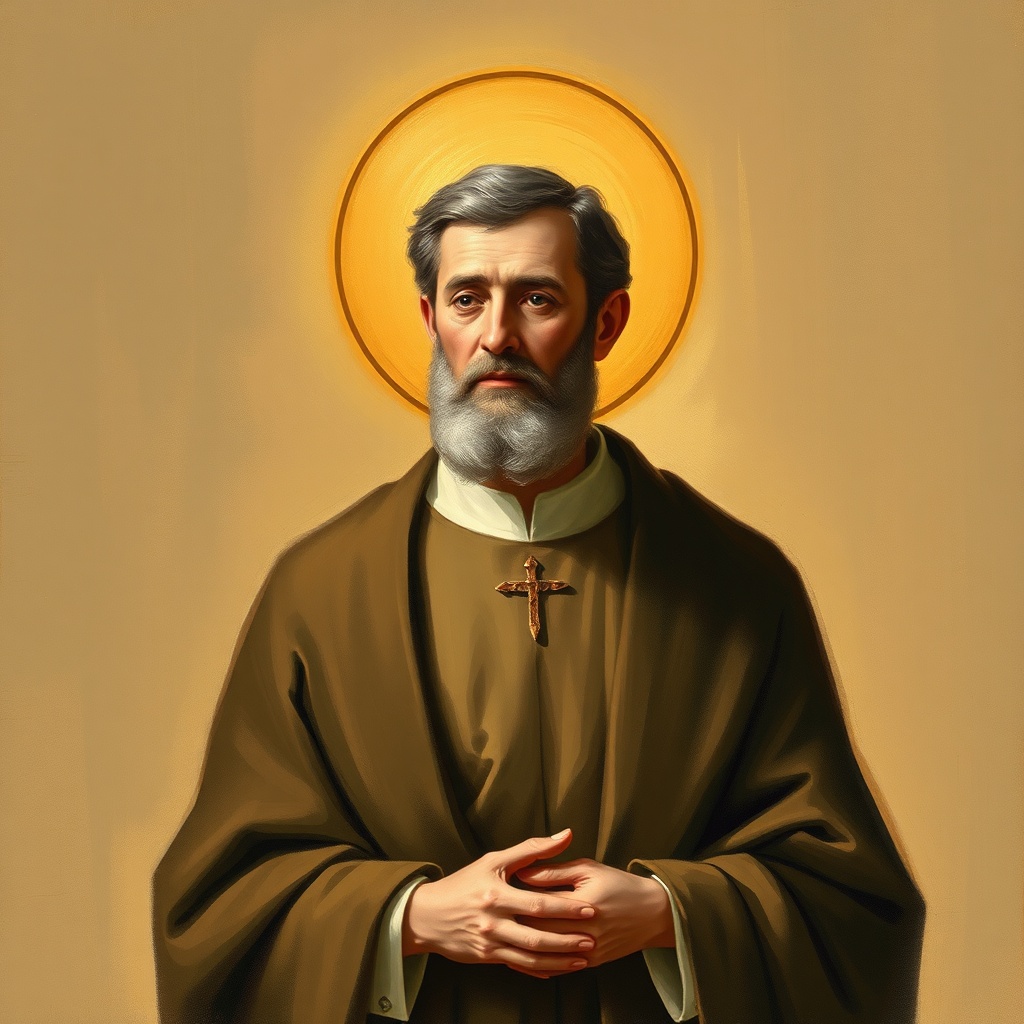
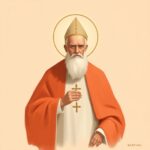
Saint Josemaría Escrivá is often depicted with a crucifix and a Bible, symbolizing his role as a teacher of faith and a reformer of Christian life. His tomb in Madrid and the basilica in Rome attract thousands of pilgrims, and his writings continue to inspire contemporary Catholic spirituality. His teachings emphasize that sanctity is accessible to everyone, especially through the sanctification of work, making him a modern icon of everyday sainthood.
Frequently Asked Questions
What is the main message of Saint Josemaría Escrivá’s teachings?
His main message is that every person is called to holiness through their daily work and ordinary activities, emphasizing the universal vocation to become saints in the midst of the world.
Why was Saint Josemaría canonized so quickly?
His rapid canonization was due to the widespread veneration, numerous verified miracles attributed to his intercession, and his significant impact on the Church's understanding of modern sanctity.
How can I incorporate his teachings into my daily life?
You can seek to sanctify your work, pray regularly invoking his intercession, and strive to love God and neighbor in all your daily activities, following his example of integrating faith into every moment.

 Por Laura Jara