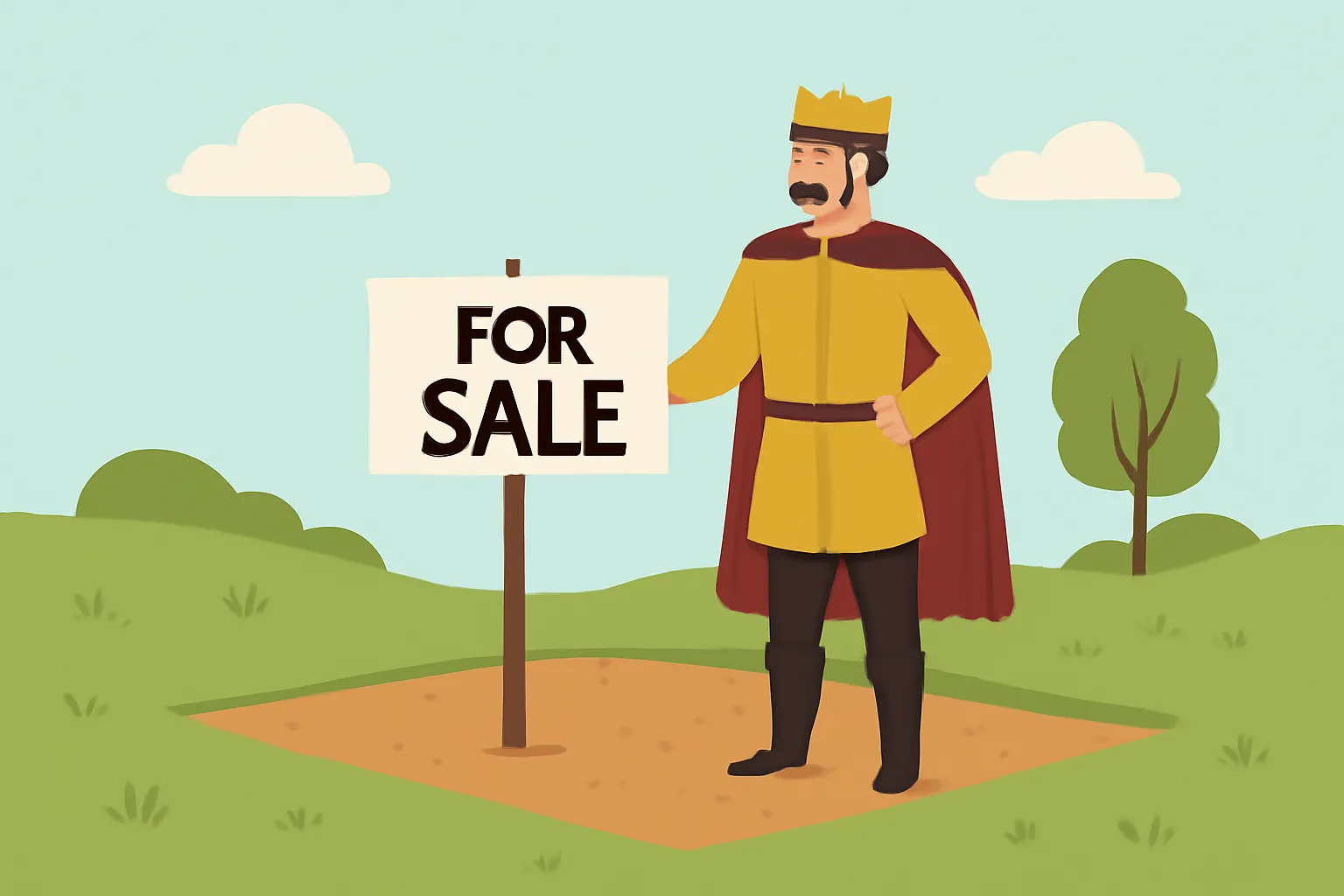
Introduction: The idea of buying land to become a lord in the modern world
The phrase buy land to become a lord evokes a mixture of historical romance and modern curiosity. In the past, land ownership was closely tied to social rank, political power, and legal authority. Today, the connection between owning property and holding a noble title is much more complicated. For many people, the appeal lies not only in potential prestige but in tangible benefits: a private retreat, the ability to shape a piece of landscape, or the cultural satisfaction of stewarding a place with history. This article offers a practical guide to understanding what it means to pursue land ownership with the intent of achieving or simulating lordly status, and it explains the real-world limitations, costs, and opportunities involved.
The modern meaning of becoming a lord: titles, land, and social perception
In contemporary legal systems, a person’s title of nobility is generally not granted simply by owning land. The creation of noble titles such as Baron, Viscount, or Earl remains a sovereign prerogative and is usually conferred by a monarchy or parliament. In most countries, there is no legitimate pathway to purchase a hereditary or ceremonial title that confers formal peerage. That said, there are several phenomena related to land ownership that people often call “lordly” in a cultural sense:
Laird status: In Scotland, owning land historically associates you with the title Laird, which is a legal descriptor attached to landholding but does not create official nobility. Many private plots are marketed with a “Laird” designation for marketing purposes, but it is not a legally protected title in the same way as peerages.
Lord of the Manor and manor rights: Some historic or private sales promote a “Lord of the Manor” title tied to certain properties. In most modern jurisdictions, such titles are largely ceremonial and do not grant political power or formal aristocratic privileges.
Courtesy and ceremonial prestige: People may adopt a “lordly” style in daily life, branding themselves with a distinctive address or branding that conveys status, even though no legal nobility is conferred.
Heritable prestige vs. legal authority: Owning land can attract social recognition, influence in local affairs, or a sense of stewardship, but it does not automatically confer legal authority over others or entitlement to political privilege.
If your aim is to cultivate a sense of territorial prestige, or to establish a private sanctuary with cultural resonance, you can pursue several practical paths. However, you should approach the endeavor with a clear understanding of the difference between owning land and holding a recognized title. This distinction matters for your expectations about public perception, tax obligations, governance of the property, and future succession.
Understanding what ownership entails: rights, responsibilities, and boundaries
Owning land is not simply a purchase; it is the start of a long-term set of duties and rights. When you decide to pursue land ownership with a view toward prestige or legacy, you should be mindful of the following core realities:
Property rights: Title to land gives you possession, use, and transfer rights, subject to local laws, planning rules, and easements. You may own the surface, minerals, and water rights, depending on jurisdiction.
Planning and zoning: Local planning authorities regulate how the land can be developed or used. Even if you own land, you may need permits for building, landscaping, or environmental changes.
Environmental and conservation obligations: Some parcels are protected by environmental laws or conservation covenants. Ownership may come with obligations to maintain habitats, protect biodiversity, or manage runoff and pollution.
Tax implications: Land ownership triggers ongoing taxes, such as property tax, land tax, or potential capital gains tax when you sell. Inheritance or estate taxes may apply to successors.
Maintenance and management: A private property requires ongoing maintenance, security, insurance, and potentially staffing or contractor oversight, especially if the parcel is large or remote.
Access and easements: Your property boundaries may be encumbered by rights of way, utilities, or neighbor agreements that affect your exclusive use.
Federal and local realities: titles vs. land ownership across different systems
Different countries have different legal frameworks. In some jurisdictions, there are formal processes to recognize titles tied to land (for example, feudal remnants or historic deeds). In others, land ownership is straightforward and commercial, with no noble distinctions attached. Before you invest, consult local real estate professionals and, if relevant, legal counsel who specializes in real property and aristocratic titles. You should also verify the exact status of any “title” that a seller advertises. Some offerings may be purely ceremonial or marketing-driven rather than legally substantive.
Practical forms of land investment that relate to prestige
If your goal is land ownership for status and influence, you might consider several practical avenues beyond chasing a legally defined title:
Acquiring a historic property with a documented past can provide tangible cultural capital and a sense of continuity with history.
Estates and manors that offer membership or stewardship programs to supporters, even if the title remains ceremonial.
Conservation or heritage covenants that allow you to participate in land stewardship initiatives, giving a meaningful role in the community and environment.
Architectural and landscape potential to create meaningful spaces for events, arts, education, or private residence that reflect a sense of traditional grandeur.
A practical guide: how to pursue buy land to become a lord in a responsible, informed way
The phrase buy land to become a lord should be understood as a metaphor for pursuing land ownership that carries a sense of authority, heritage, or ceremonial significance rather than a guaranteed noble title. Here is a structured, practical approach to this ambition:
Define your objectives and boundaries
Clarify what you want to achieve: prestige, retreat, investment, conservation, or cultural contribution.
Set a realistic budget that includes not only the purchase price but also taxes, legal fees, surveys, and ongoing maintenance.
Decide on location, climate, accessibility, and existing infrastructure (roads, utilities, proximity to towns or cultural centers).
Assess the legal framework and title reality
Engage a local real estate attorney to review titles, boundaries, encumbrances, and any covenants or restrictions.
Ask about the existence and nature of any “lordly” titles associated with the land, and verify whether such titles are legally recognized or primarily marketing.
Investigate the process and legality of any decorative or ceremonial titles sold with the land, and ensure transparency about what is legally conferred.
Evaluate land types and their implications
Rural agricultural land: Potentially lower purchase prices per acre but with higher farming or conservation obligations.
Forested or nature reserves: May involve conservation requirements; could offer tax incentives in some regions.
Historic estates or manors: Often come with structures, landscapes, and archives that enrich a sense of history but require substantial upkeep.
Coastal or upland parcels: Scenic value and tourism potential, but weather risks and regulatory controls can be significant.
Perform due diligence and financial planning
Arrange for a full land survey to confirm boundaries and assess improvements or encroachments.
Engage environmental consultants to evaluate soil, water, wetlands, and potential contamination issues.
Check infrastructure requirements: access rights, fencing, drainage, power, water, and internet availability.
Estimate total ownership costs, including property taxes, insurance, maintenance, and any conservation or management plan obligations.
Explore financing options
Conventional financing, land loans, or rural development programs in some countries may offer favorable terms for agricultural or conservation-minded purchases.
Private financing or seller financing could be an option for unique properties, but require clear terms and legal counsel.
Consider phased purchases or fractional ownership with trusted partners if you want to manage risk and liquidity.
Negotiate and close the deal
Negotiate price, inclusions (buildings, fixtures, rights of way), and conditions precedent for the sale.
Obtain a comprehensive title insurance policy tailored to land transactions.
Finalize ownership transfer and register the deed in the appropriate land registry, ensuring that the new owner’s name is exactly recorded.
Plan for ongoing stewardship and community engagement
Develop a property management plan that includes conservation, maintenance schedules, and security considerations.
Engage with local communities and authorities to understand expectations and opportunities for cultural or educational engagement.
Document the property’s history and your intended stewardship to create a lasting legacy that resonates with future generations.
Step-by-step practical checklist for a serious buyer
The following sequential guide is designed for readers who want to pursue land ownership with an eye toward a sense of prestige, heritage, or ceremonial significance, while staying anchored in practical realities.
Clarify your goal: Is the aim prestige, privacy, investment, conservation, or cultural contribution?
Set a hard budget: Include purchase price plus all anticipated carrying costs for the first five to ten years.
Choose a region and property type: Consider climate, accessibility, legal framework, and potential for meaningful stewardship.
Engage professionals early: Real estate agents with rural properties, real estate attorneys, and land surveyors.
Request a full due diligence package: Title search, survey, environmental reports, and zoning documents.
Assess public perception and ceremonial aspects: If you plan to use ceremonial language or branding, ensure it is tasteful and culturally appropriate.
Negotiate terms: Define price, inclusions, warranties, and contingencies, especially around title and land use.
Finalize financing: Secure loans or other funding, and understand the impact on liquidity and risk.
Close and record ownership: Complete transfer, insure title, and file the deed.
Establish a management plan: Maintenance, security, environmental stewardship, and community relations.
Important considerations: ethics, legality, and sustainability
A thoughtful buyer understands that land ownership is not a shortcut to official nobility and that ethical stewardship matters. When you pursue land ownership for prestige, consider the following:
Transparency: If a seller markets a title or status, seek written clarity about what is legally conferred and what is ceremonial.
Due diligence: Never skip title checks, boundary verifications, or environmental inspections.
Sustainability: Design a management plan that respects local ecosystems, supports biodiversity, and aligns with community interests.
Long-term commitment: Realize that land ownership is not a one-time purchase; it’s a long-term relationship with a place.
Alternatives to pursuing a formal title while still enjoying a “lordly” sense of place
If the formal recognition of nobility remains unattainable or impractical, you can still achieve a sense of distinction and purpose through meaningful involvement with land and heritage:
Become a steward of a historic property: Join or fund restoration projects, contribute to public access, or support conservation work.
Support cultural programs: Endow or sponsor events, lectures, or art installations on your land or in nearby communities.
Participate in local governance: Serve on local land-use committees or heritage boards to shape outcomes that affect your property and neighbors.
Share the story: Create public-facing writings or tours that contextualize the land’s history, architecture, and landscape design.
Several myths persist around land purchases and noble status. It is helpful to separate fantasy from fact:
Myth: Buying land automatically makes you a lord or baron. Fact: In most places, noble titles require official creation and are not purchased with real estate.
Myth: Landowners control all surrounding rights. Fact: Depending on jurisdiction, rights may be shared or limited by easements, public rights of way, utilities, or neighbor agreements.
Myth: A “Laird” or “Lord of the Manor” is legally binding. Fact: These terms often carry ceremonial or marketing value and do not guarantee legal status or power.
Myth: There is a single universal path to a title. Fact: Title systems vary by country, if they exist at all, and are governed by constitutional law and royal prerogative, not by land purchase alone.
If you pursue land ownership with a view toward social or cultural impact, you can obtain meaningful rewards that are not contingent on a noble title:
Privacy and space: A private retreat away from crowded urban life.
Architectural and landscape opportunities: The chance to design or restore buildings and gardens with historical resonance.
Educational and charitable potential: The property can host programs, tours, or partnerships that contribute to local culture.
Heritage and storytelling: A tangible place to preserve and share history, art, and landscape design.
While every property is unique, the following scenarios illustrate how thoughtful land purchases can create real-world value without relying on a contested or marketing-driven title:
Historic estate revival: A buyer purchases a decaying manor and surrounding grounds, secures restoration grants, and builds a community-centered program around tours, workshops, and collaborations with local historians.
Conservation-focused ownership: A buyer acquires woodland and farmland with conservation covenants, balancing agricultural use with habitat protection and participating in environmental stewardship programs.
Artist residency and cultural hub: A landscape that supports artist retreats, temporary installations, or a seasonal festival, leveraging the setting for cultural exchange.
The journey of buy land to become a lord is best understood as a path toward meaningful ownership, stewardship, and cultural presence rather than a guaranteed ascent into formal nobility. By aligning your strategies with legal realities, ethical stewardship, and transparent practices, you can build a legacy that resonates within your community and across generations. The land you acquire can become a stage on which your values, aesthetics, and sense of responsibility are enacted—whether or not a traditional title accompanies it.
If you are prepared to embark on this journey, here is a distilled set of recommendations to help you proceed with clarity:
Do your homework: Read about local land law, property rights, and any ceremonial titles that may exist in your jurisdiction.
Talk to experts: Real estate professionals, land surveyors, environmental consultants, and tax advisors are essential allies.
Ask for transparency: Ensure the seller clearly states what is legally conferred with the land and what is purely ceremonial or marketing.
Plan for the long haul: Budget for maintenance, repairs, and evolving regulatory requirements over decades.
Engage with the community: Build positive relationships with neighbors, local authorities, and cultural organizations.
Preserve credibility: Avoid misrepresenting titles or using marketing claims that could mislead others about legal status.
In sum, a thoughtful, informed approach to land ownership for prestige can be deeply rewarding. While no purchase can guarantee a formal noble title, a well-chosen parcel can provide a durable, meaningful platform for personal, cultural, and environmental initiatives. If you want to communicate your intent clearly, you might frame your objective as “to acquire and steward land with historical significance, offering a space for reflection, learning, and community engagement.” In that framing, you emphasize responsibility, stewardship, and value to others—the enduring hallmarks of a lasting legacy.

 Por Laura Jara