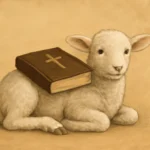
Blood of the Lamb — Biblical Meaning, Significance, and Theology
elementos Blood of the Lamb
The Blood of the Lamb refers to the sacrificial blood of Jesus Christ, symbolizing His atoning death to remove sin and reconcile humanity with God. In biblical context, it signifies cleansing, protection, and the fulfillment of God's plan for salvation. This imagery is central in Passover and Christian communion, emphasizing sacrifice and deliverance. It embodies the promise of eternal life through faith in Christ’s sacrifice.
The term originates from Greek, with 'αἷμα' (haima) meaning 'blood' and 'ἀμνός' (amnos) meaning 'lamb.' The phrase 'Blood of the Lamb' is a symbolic reference developed in Revelation and linked to Jesus Christ, the Lamb sacrificed for humanity. Over time, it evolved to represent the salvific power of Christ’s sacrifice metaphorically and doctrinally within Christian theology.
Key Bible Verses
Exodus 12:13
The blood applied to the doorframes signified protection for the Israelites during the Passover, sparing them from death.
This verse establishes the Biblical origin of blood as a symbol of protection and deliverance, foreshadowing Christ's sacrifice.
John 1:29
John describes Jesus as the Lamb of God who takes away the sins of the world, highlighting His sacrificial role.
This verse directly links Jesus to the lamb imagery and the significance of His blood in salvation.
Revelation 7:14
The saints are described as washed in the blood of the Lamb, symbolizing purification and victory through Christ’s sacrifice.
This verse emphasizes the victorious and redemptive power of the Lamb's blood in eschatological context.
Theological Significance
Theologically, the Blood of the Lamb signifies divine atonement, redemption, and eternal life. In the Old Testament, blood sacrifices symbolized atonement for sins, referencing the later fulfillment in Christ’s death. The New Testament develops this concept, portraying Jesus’ shed blood as the ultimate sacrifice that bridges the gap between God and humanity. This idea is fundamental to understanding salvation history, illustrating God's love and justice working through Christ’s sacrificial death. The blood also symbolizes ongoing spiritual purification through faith and communion with Christ.
Across Christian Traditions
Catholic tradition emphasizes the Eucharist as a participation in Christ's sacrifice where His blood is mystically received. Protestant denominations often focus on the atonement completed through Christ’s death, emphasizing faith in its sufficiency. Orthodox Christians venerate the Blood of the Lamb through liturgical practices, linking it to Holy Communion as a means of spiritual renewal. Evangelicals highlight personal acceptance of Jesus' sacrifice, often emphasizing the symbolic and redemptive power of His blood in salvation.
Application in Christian Life
Christians apply the concept of the Blood of the Lamb by trusting in Christ’s sacrificial death for salvation. It encourages living with gratitude, repentance, and commitment to follow Christ’s teachings. Many believers participate in Holy Communion regularly to remember and spiritually partake in His sacrifice. The blood inspires acts of forgiveness, compassion, and spiritual cleansing in daily interactions. It also offers reassurance of God's grace and promise of eternal life.
The phrase 'Blood of the Lamb' became prominent in the 20th century during the Jesus Movement and was popularized through Christian hymns and revival songs. Historically, the imagery of blood sacrifices predates Christianity, but its Christian interpretation specifically emphasizes Jesus as the ultimate sacrificial Lamb, making it a powerful symbol of salvation across cultures.
Frequently Asked Questions
What does the Blood of the Lamb symbolize in the Bible?
It symbolizes Jesus Christ’s sacrificial death that atones for sin and grants salvation, originating from the Passover and fulfilled in Christ’s sacrifice (John 1:29).
Why is Jesus called the Lamb of God?
He is called the Lamb of God because He is the sacrificial offering that takes away the sins of the world, fulfilling Old Testament lamb sacrifices (John 1:29).
How is the Blood of the Lamb remembered in Christian worship?
It is remembered and commemorated through the Eucharist or Holy Communion, symbolizing participation in Christ’s sacrifice and divine grace (1 Corinthians 11:23-26).

 Por Laura Jara