Bible Verse: What You Sow Is What You Reap — Meaning, Implications, and Practical Application
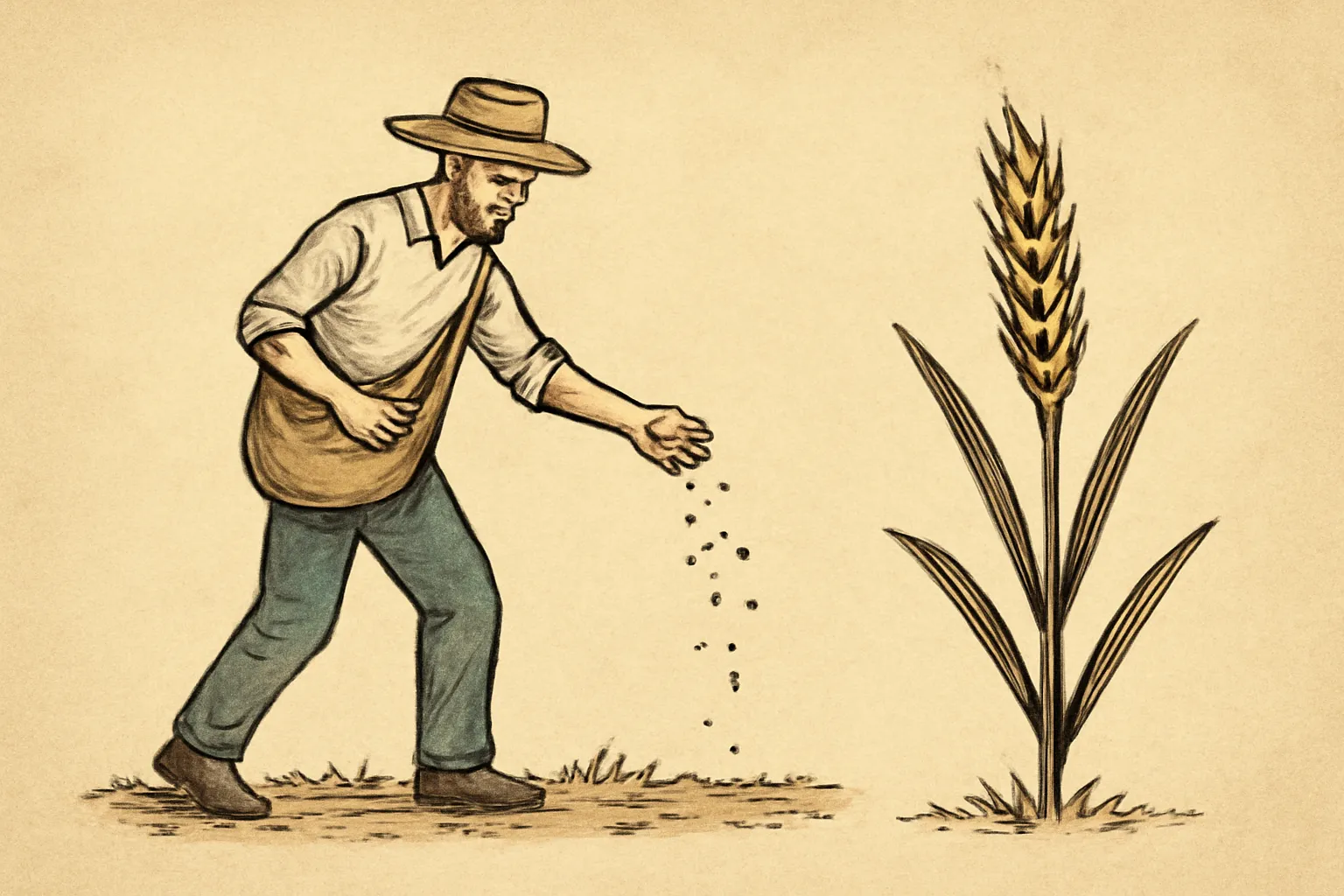
The phrase “what you sow is what you reap” is one of the most familiar mental models in both religious and secular discourse. It captures the idea that our choices today seed outcomes tomorrow. In biblical language, this is often framed as a moral law of cause and effect: one plants certain seeds, and a harvest corresponding to those seeds follows. This article explores the origins, variations, and meanings of the saying, examines its implications for individuals and communities, and offers practical guidance for applying the principle in everyday life. Throughout, we will consider how the idea appears in scripture in different forms—sometimes as a direct proverb, other times as a broader spiritual principle about harvest, consequence, and blessing.
Origins and variations: how the idea appears in scripture
Even if you have heard the phrase in modern speech, you may not realize how widespread the imagery of sowing and harvesting is in the Bible. Seed, soil, cycles of planting and gathering, and the language of reaping appear across both the Old and New Testaments. The core idea remains the same: actions are seeds, and their consequences are the harvest. Below are several representative variations and related passages that illuminate the breadth of the concept.
“Whatsoever a man soweth, that shall he also reap.” — a direct assertion found in the King James Version in Galatians 6:7, often cited as the canonical expression of the principle. It communicates the inevitability of consequences that match the actions we initiate.
“You reap what you sow.” — a succinct, modern rendering that captures the essential cause-and-effect dynamic in everyday language. This form is widely used in sermons, devotional guides, and moral discussions.
“As you sow, so shall you reap.” — a slightly archaic rendering that echoes the cadence of biblical language while remaining accessible to contemporary readers.
“Whatever a man sows, that shall he also reap.” — another formulation common in English translations, emphasizing personal responsibility for the seeds one plants.

 Por Laura Jara