Abide in Me Scripture: John 15:4-7 Explained for Spiritual Growth
In Christian discipleship, few passages capture the daily, intimate rhythm of life with Jesus as clearly as the words about abiding in Christ. The section commonly known as John 15:4–7 invites believers to a relationship that is not merely
intellectual assent but a living, ongoing connection. This article surveys the meaning, the implications for growth, and practical ways to live out the
instruction to stay connected to the Vine so that one’s life bears noticeable fruit for God and others.
Overview of the Passage: What John 15:4-7 Teaches Us About Abiding
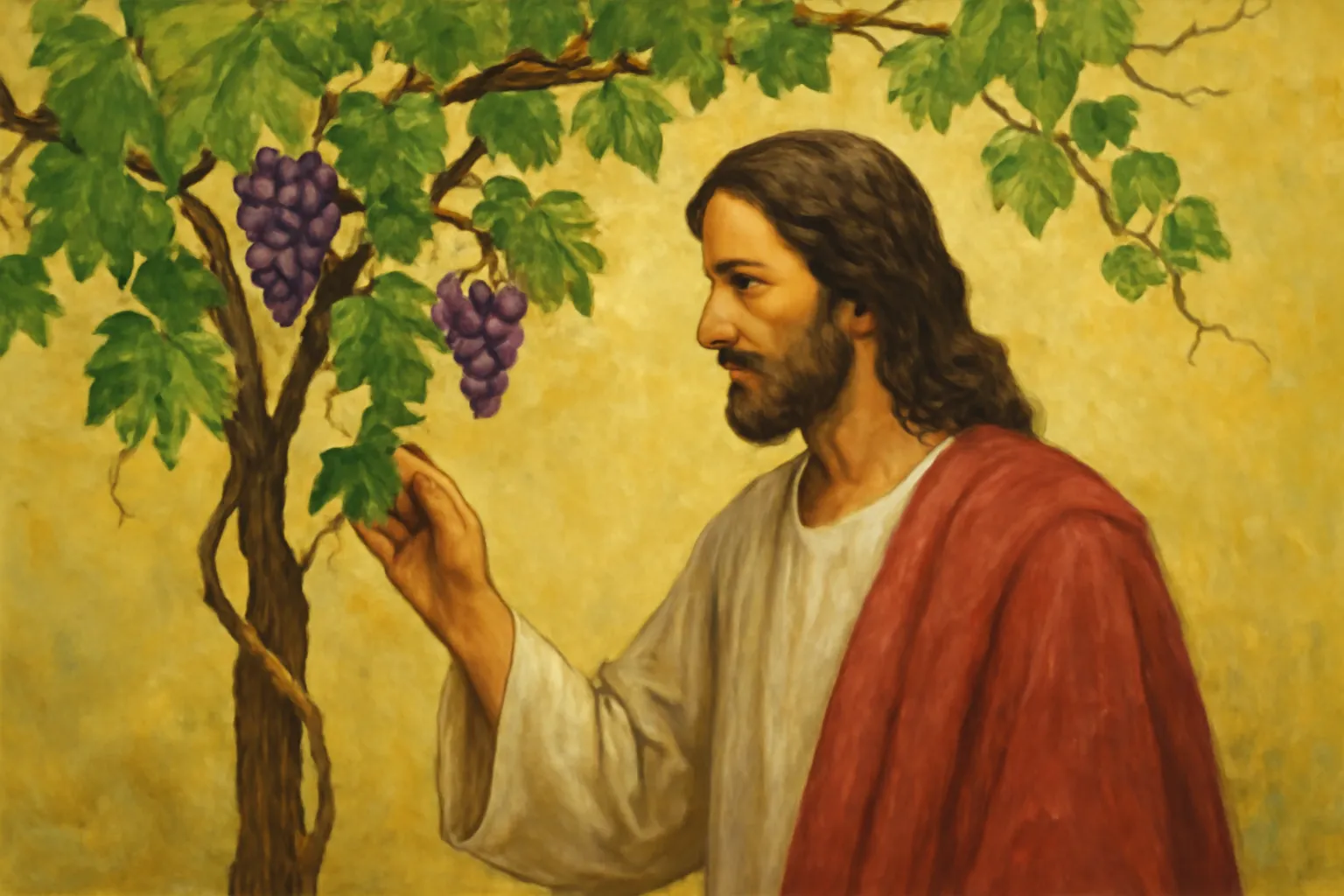
In the farewell discourse, Jesus paints a vivid image: I am the vine, you are the branches. A branch derives life and vitality
from the vine; in the same way, believers draw spiritual life from their relationship with Christ. The core commands in these verses are simple
in wording but transformative in effect: abide in me, and if you do, I will abide in you; apart from me, you can do
nothing. The immediate spiritual economy is clear—sustained life in the Spirit comes from continual alignment with Christ and adherence to His
words.
The passage links two related realities: a reciprocal relationship (Christ in us and we in Him) and a practical outcome (fruitfulness). When
the believer remains in union with Jesus and treasuring His teachings, prayer grows in power, and requests align with divine purposes. The
Father’s glory is the ultimate aim, revealed through the bearing of much fruit, which demonstrates authentic discipleship.
Key Concepts in Abiding: What It Means to Remain in the Vine
The Living Connection: Christ as the Source of Life
The image centers on life-sustaining connection. Just as a branch cannot generate life apart from the vine, a person cannot experience
true spiritual vitality without remaining tethered to Jesus. This is not mere sentiment but a dynamic relationship characterized by trust,
obedience, and continual dependence.
Connection as a daily posture: Rather than treating faith as a one-time decision, abiding describes a daily
orientation toward Jesus.
Dependence as a virtue: Real growth often comes through acknowledging limits and inviting divine strength to work in and through us.
Vitality as fruitfulness: When the life-giver flows through the believer, spiritual fruit becomes evident in character and
action.
A distinctive feature of the passage is the mutual indwelling: abide in me, and I in you. This mutual indwelling points to
a relational dynamic in which the believer’s identity is defined through union with Christ. The indwelling of Christ by the Spirit empowers
obedience, sustains hope, and enables the believer to walk in love even when circumstances are challenging.
Fruitfulness as Evidence of Abiding
The intended outcome of abiding is fruit—likely a broad category that includes character transformation, spiritual maturity, and outward
impact. The Text emphasizes, bearing much fruit as the Father’s glory in the Son is magnified. Fruitfulness reflects a life
that mirrors Jesus in attitudes and actions—love, joy, peace, patience, kindness, and faithfulness among others.
Spiritual Growth Through Abiding: How It Shapes Personal Transformation
Abiding in Christ is not primarily about performing certain spiritual tasks; rather, it is a way of living that aligns every moment with
Christ’s presence and promises. This alignment fosters growth across several domains:
Identity Formation: Living in union with Christ reshapes how you see yourself. You are rooted in love, chosen, forgiven, and
equipped for service. This identity undergirds confidence and humility in daily life.
Character Development: The abiding life tends to produce ethical consistency—love, truthfulness, self-control, and a
generosity of spirit that blesses others.
Prayer and Dependence: When you stay connected to Jesus, prayer becomes less about strategy and more about communion,
with requests aligned to God’s purposes rather than merely personal preferences.
Faith that Endures: The process of remaining in the vine helps believers weather trials, knowing that the Spirit’s work
is deeper than current pain and will yield lasting fruit.
Mission Alignment: Abiding orients energy toward meaningful acts of love and proclamation that honor Christ and invite
others into the same relationship.
Practical Dimensions of Abiding: How to Live Out John 15:4-7 Day by Day
The abstract idea of remaining in Jesus becomes tangible through concrete practices. Here are practical ways to cultivate an abiding life that
aligns with the rhythm of the Vine.
Daily Posture: Begin with Connection
Set a daily moment for stillness and listening—three to five minutes of quiet, inviting Christ to dwell with you as you
start the day.
Practice presence by acknowledging the Spirit’s nearness in ordinary tasks—work, meals, commutes, and conversations.
Engagement with the Word: Let the Word Abide in You
Meditate on the words of Jesus and the surrounding Gospel narrative. Reflect on how His sayings shape your choices today.
Memorize core verses that anchor your identity and courage, especially passages about abiding, pruning, and fruitfulness.
Prayer: Communing with God in Alignment
Ask for alignment with God’s will rather than asserting your own preferences. Pray for discernment, courage, and love.
Pray in dependence on the Spirit to empower faithful living rather than relying on personal ability.
Share the journey with trusted friends or mentors who can encourage, correct, and remind you of your need to depend on Christ.
Bear one another’s burdens as a tangible way of living out the “one another” commands that flow from an abiding life.
Obedience to Jesus’ Teachings
Treasure His words and let them guide decisions in relationships, finances, work, and time management.
Apply truth practically by choosing actions that reflect love, justice, and mercy, even when it’s inconvenient.
Pruning as a Positive Process
Another essential dimension of abiding is recognizing that growth often comes through pruning—less about loss and more about clarity and
redirected vitality. The Father, as the divine Gardener, may prune branches to increase health and fruitfulness. This perspective helps
believers endure changes, trust God’s plans, and welcome transformation as a sign of a living, abiding faith.
Common Questions About Abiding in Christ
What does it mean to «abide» in Me in practical terms?
To abide in Jesus means to maintain a continual, dynamic relationship with Him—rooted in trust, bound to His teaching, and
lived out in daily obedience. It is more than devotional ritual; it is a way of life where every moment is permeated by faith-shaped
perception and action.
How is abiding different from merely following a set of rules?
Abiding emphasizes relational intimacy with Christ instead of external compliance. While obedience to Jesus’ commands is essential, the motive
is union with Him, not mere performance. When you remain connected to Him, obedience flows naturally as a response to love and trust.
Can one truly bear fruit without abiding?
The text answers with a decisive no: apart from me you can do nothing. Fruitful living—character, influence, and spiritual impact—
emerges from a living connection to Christ, not from human effort alone. This fruit demonstrates authenticity and displays God’s work in the
believer’s life.
What role does prayer play in abiding?
Prayer is both evidence of abiding and a vehicle for continued dependence. When you remain in Christ, your prayers align with the heart of
God and reflect a readiness to participate in His purposes. The promise attached to abiding—that God answers requests that align with His will—highlights
the intimate exchange between the branches and the Vine.
How does pruning fit into the idea of staying in Christ?
Pruning is not punitive but formative. God may remove distractions, prune away unproductive patterns, or refine desires to yield greater
fruitfulness. Embracing pruning with trust deepens spiritual resilience and broadens one’s capacity to reflect Jesus in more areas of life.
Historical and Theological Context: Why This Image Resonates Across Generations
The vine-and-branches metaphor has deep roots in biblical imagery and Jewish horticultural practices. In an agrarian society, the imagery would
have been immediately understandable: a vine requires careful cultivation, pruning, and pruning-based renewal. Theologically, this image
communicates several enduring truths:
Union with Christ is foundational for life and identity. The believer’s vitality comes from the connected life of the
branch to the vine.
Divine partnership—the Spirit’s work and the Father’s design cooperate to produce fruit. Believers are not solitary agents
but participants in a cosmic project of redemption and love.
Transformative discipline—pruning and correction, when received with faith, refine character and redirect purposes toward
God’s glory.
Abiding in Contemporary Life: Navigating Modern Challenges While Staying Connected to Christ
In today’s fast-paced world, maintaining a steady pace of abiding can be challenging. Yet the same principles can be adapted to modern
life in ways that are both practical and spiritually sustaining.
Digital stewardship: Treat time spent online as you would time spent with people you love—limit distractions, invite
Christ into digital spaces, and choose content that fosters peace, truth, and mercy.
Work-life integration: View work as an arena for bearing fruit; let integrity and compassion guide decisions rather than
mere efficiency or ambition.
Relationships: Practice love that bears fruit—patience, kindness, and forgiveness—with family, friends, neighbors, and
strangers. Abiding life overflows in acts of service and grace.
Establish a regular rhythm: a daily quiet time, even if brief, that centers your heart on Christ.
Make space for Scripture to shape your thinking: choose a Gospel or a short passage and let it reframe your day.
Engage in Spirit-led prayer that invites God to shape your desires to reflect Him.
Practice accountability with a trusted friend or mentor who can encourage perseverance and spiritual growth.
Conclusion: The Abiding Life as a Path to Spiritual Growth
The invitation to abide in Me and to allow Christ to abide in you is not a call to passive religiosity but
to an active, growing relationship that reshapes every facet of life. By staying connected to the Vine, believers discover a robust source of
life, power, and purpose. The promise is radiant: when you live in this intimate union, you will bear fruit that reflects God’s love and
truth, and your life will testify to the reality of a God who draws near to us in mercy, teaches us through His Word, and transforms us by
His Spirit.
Whether you are new to the Christian faith or have walked with Jesus for decades, the organic rhythm of abiding remains a practical,
hopeful, and deeply transformative way to grow. It asks for honesty about dependence, courage to surrender, and a daily choice to remain,
to dwell, to trust, and to follow. The more you practice this way of life, the more you discover that true spiritual growth is
not primarily about achievements but about becoming more fully alive in Christ.
In the end, the abiding life is a journey of relationship—a journey that invites you to stay, to rest in Him, and to watch as the Father
uses your life to produce fruit that lasts. Through this practice, you not only grow personally but also become a conduit of grace for
others, shining as a testimony to the transformative power of abiding in the Vine.

 Por Laura Jara