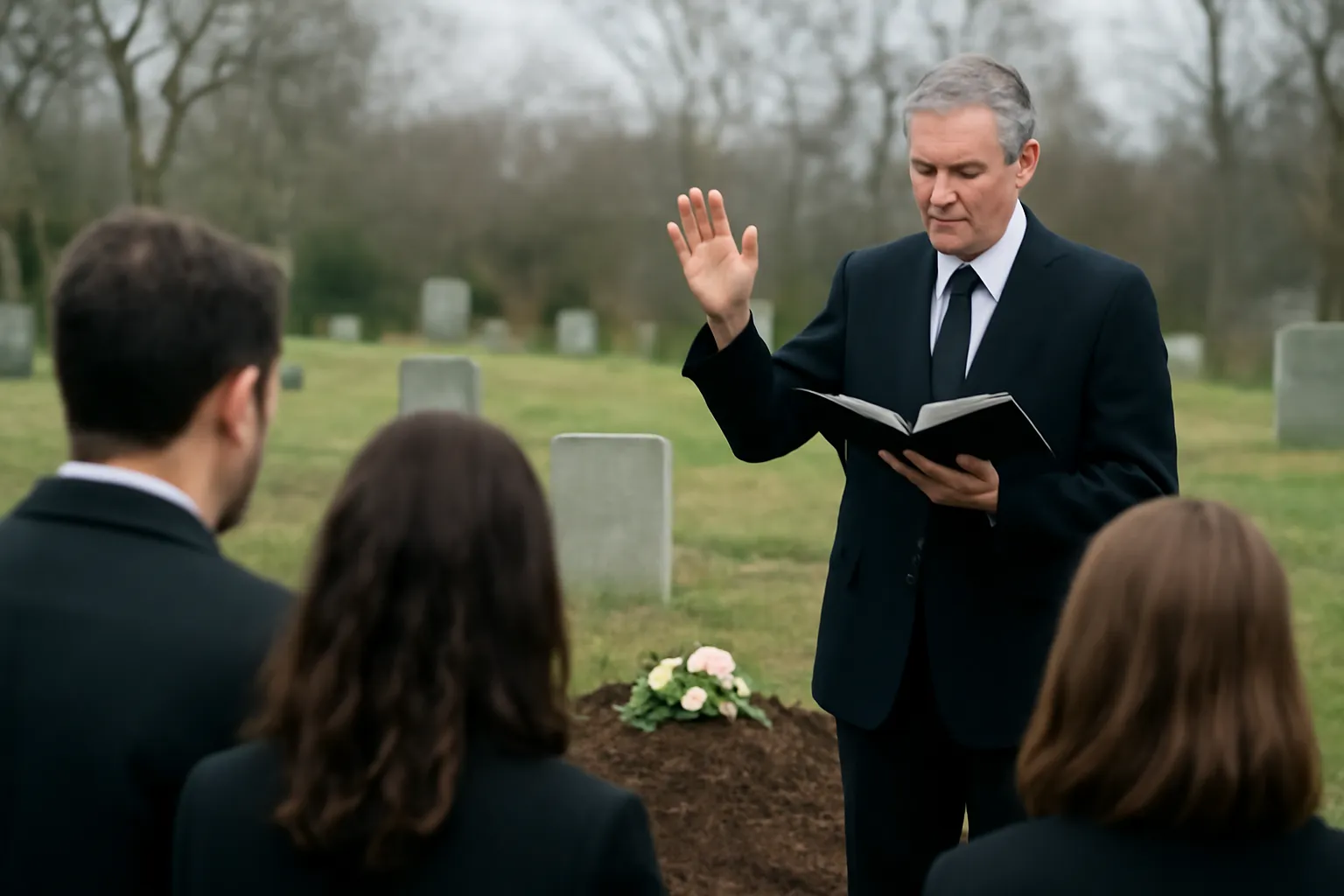
Burial Sermon: A Practical Guide to Delivering a Compassionate, Meaningful Eulogy is not only a broadcast of memory but a deliberate act of care. In many traditions, the ceremony that follows a death—whether labeled a burial sermon, funeral sermon, or memorial address—serves as a bridge from grief to gratitude, from loss to remembrance. This article provides a practical, respectful, and comprehensive approach to crafting and delivering a eulogy that honors the deceased while guiding mourners toward healing. Throughout, we will use a variety of terms—burial sermon, funeral message, eulogy, memorial tribute, and obituary homily—to reflect different traditions and styles, and to acknowledge that the goal remains the same: to offer compassion, clarity, and meaning in a difficult moment.
Before writing or speaking, it helps to anchor the purpose of the burial sermon. A well-crafted eulogy should celebrate life, acknowledge loss, and invite the community to remember with intention. The following principles form the bedrock of an effective funeral sermon or memorial address:
Compassion toward the audience and the grieving family, recognizing that listeners carry their own pain.
Authenticity—speaking truthfully about the person and the impact they had on others.
Respect for diverse beliefs and backgrounds represented in the service.
Hope and resilience that can coexist with sorrow.
Clarity—a clear structure, memorable stories, and a meaningful takeaway.
Breathability—an appropriate pace, length, and rhythm that allow listeners to absorb and reflect.
In practice, these principles translate into a sermon that is inclusive, tender, and purposeful. It should never feel like an opportunity to grandstand or to minimize grief; rather, it should offer light within the darkness and a sense of shared humanity among those gathered.
Preparation: Gathering Material and Setting Boundaries
The practical work of a burial sermon begins long before you step to the podium. Preparation involves research, conversation, and ethical consideration. Here are concrete steps you can take to prepare a memorial address that resonates:
Consult the family. Ask what they want emphasized and what to avoid. Some relatives may want a strictly celebratory tone; others may prefer a more somber or spiritual approach. Clarify constraints such as time limits and service format.
Gather stories. Speak with close friends, colleagues, and family members to collect anecdotes that illuminate the deceased’s character, values, and loves. Aim for a balance of humor (when appropriate) and reverence.
Ethical boundaries. Obtain consent for personal stories, particularly if they involve sensitive or potentially embarrassing details. Respect privacy and avoid sharing information that could be hurtful to survivors or the deceased’s memory.
Understand the audience. Consider children, elders, faith traditions, and cultural backgrounds represented in the gathering. Craft language and references that are accessible and respectful to all present.
Determine the structure. Decide on a flexible outline that can accommodate family wishes, service length, and any ceremonial elements (scripture readings, prayers, musical interludes).
During this preparation, you should also reflect on tone and intent. If you are delivering a secular memorial tribute, you may lean on memory, gratitude, and meaning-making without religious language. If this is a faith-based funeral sermon, you will integrate scripture, liturgy, or spiritual reflections in a way that honors tradition while staying accessible to all listeners. The core aim remains the same: to help the living carry the memory of the deceased into everyday life with renewed purpose.
Crafting the Message: Structure, Flow, and Language
A burial sermon is a narrative—its most powerful form is storytelling. A well-structured address typically follows a few key stages that guide listeners from mourning to memory, from sorrow to comprehension, and finally to action: living with grace, gratitude, and generosity. Below is a practical template you can adapt for funeral sermons or eulogies:
Suggested outline for a respectful eulogy
Opening remarks that acknowledge the loss, welcome attendees, and establish the tone. A gentle greeting, a moment of silence, or a brief invocation can set the stage.
Introduction of the deceased with a concise portrait—who they were, what they valued, and how they touched others.
Core stories and examples that illustrate the person’s character, relationships, and impact. Use 2–4 vignettes that reveal different facets of their life.
Values and meaning—connect the anecdotes to broader themes such as generosity, curiosity, perseverance, or faith.
Bridge to the present moment—a reflection on grief, community, and hope; acknowledge the pain while naming possibilities for healing.
Spiritual or secular reflections as appropriate—this could be a prayer, a reading, a quotation, or a moment of stillness.
Closing thoughts that offer a memorable takeaway and invite continued remembrance in daily life. A benediction, blessing, or invitation to carry forward the deceased’s values can be powerful.
In writing and delivering the language, keep a few stylistic guidelines in mind. Use concreteness (specific details over generic statements), clarity (avoid convoluted phrasing), and breathable phrasing (short sentences, natural rhythm). Consider balancing moments of humor with moments of reverence—humor can humanize the deceased, but it should be respectful and situationally appropriate.
Language, Tone, and Delivery: Bringing the Script to Life
Even a carefully crafted text will lose some of its power if delivered without care. The delivery of the burial sermon is as important as the content. Here are practical tips to help you present a compassionate, meaningful eulogy with presence and grace:
Practice aloud multiple times, ideally in the same setting or with the same equipment you’ll use in the service. This helps control pace, intonation, and pauses.
Moderate pace. Speak slowly enough to be understood, but with a natural cadence. Allow pauses after significant statements to let meaning sink in.
Voice and volume. Use a comfortable volume that reaches the back of the room without shouting. A microphone imperfectly amplifies, but deliberate projection trumpets presence.
Pause intentionally. Use silence to honor a moment of remembrance or to give listeners time to reflect on a story.
Nonverbal presence. Maintain eye contact, use open gestures, and stand with relaxed posture. Your body language should support a message of empathy, not theatrics.
Compassionate pacing. If you feel emotion rising, allow a brief pause or a well-timed breath. It is normal—and often comforting—to show human feeling in service contexts.
When it comes to tone, aim for a balance between honesty and consolation. A burial sermon does not require glossing over pain, but it invites listeners toward a space where memory and meaning can coexist with grief. If you are asked to include religious elements, integrate them respectfully and concisely, so that spiritual language comforts without alienating those who come from different beliefs.
Special Considerations: Cultural and Religious Variations
Across cultures and faiths, formal addresses honoring the dead take different forms. A pragmatic author of a funeral sermon or memorial address should be sensitive to these variations. The following subsections provide broad, respectful patterns you may encounter or adopt, noting alternatives for interfaith or secular contexts.
In many Christian contexts, a burial address may lean on scripture, prayer, and a sense of eternal continuity. Practical tips:
Begin with a gentle blessing or invocation that matches the service’s ethos.
Highlight virtue and grace in the deceased’s life; connect these virtues to biblical themes when appropriate.
Offer comfort rooted in faith, while honoring the family’s need for honest grief.
Jewish memorial address
Jewish obsequies often emphasize memory, community, and the mitzvah of comforting the mourners. Points to consider:
Use concise, clear phrasing; avoid excessive embellishment.
Include mentions of life-cycle milestones and the impact on the living.
Respect traditional customs around mourning and prayer.
Muslim funeral sermon
In Muslim contexts, a janazah sermon or funeral message may emphasize submission to God’s will, accountability, and the afterlife. Guidelines:
Respect religious offerings, but keep language accessible for attendees from various backgrounds when appropriate.
Keep a dignified, modest tone consistent with spiritual reverence.
Hindu and other Eastern traditions
Hindu rites and other traditions may foreground remembrance through rituals, family teachings, and philosophical reflections. Practical considerations:
Incorporate guiding principles (dharma, karma) in a way that connects to everyday life.
Coordinate with ritual leaders or family members to align with ceremony format.
Secular and interfaith contexts
For secular or interfaith gatherings, the focus is often on memory, gratitude, and shared humanity rather than doctrinal content. Techniques include:
Using human stories, universal values, and acts of kindness as throughlines.
Inviting participation through readings, poems, or songs that have broad resonance.
To help you begin or refine a memorial tribute, here are practical language tools. The aim is to provide language that feels natural and respectful, not formulaic. You can mix and match sections, switch pronouns, and adapt to your own voice and the family’s wishes.
Opening lines
“We gather with heavy hearts to remember and honor a life that touched us all.”
“Today we say farewell to a beloved person who leaves behind a legacy of love, generosity, and service.”
“In this moment of quiet, we speak the name of ______ and hold the memory close.”
Transitions between stories
“That small moment reveals a larger truth: ______.”
“If we pause here, we notice how deeply this influenced the way ______ lived.”
“From this story, we can see a thread that runs through a life of ______.”
Value-centered reflections
“In remembering _____, we commit to carrying forward the best parts of their example.”
“May we honor their memory by practicing ______, even when it is hard.”
“The measure of a life is not in its length, but in the impact it leaves on others.”
“Let us hold fast to the hope that, while we grieve, we are not alone—our community remains with us.”
“May we live with the gratitude that life invites, and the courage that memory requires.”
“As we depart, let us bring with us the best of ______’s life: kindness, curiosity, and love.”
Remember to tailor these templates to the deceased and the audience. Use specific details rather than generalized statements. The goal is to elicit a vivid sense of the person’s presence in the room and to anchor collective memory in tangible acts—little acts of care, a habit of hospitality, a stubborn optimism, or a shared laugh.
Examples of Language for Different Moments
Below are some short exemplar passages you can adapt for openings, transitions, and closings. They illustrate how to weave stories, values, and consolation into a cohesive burial sermon or funeral address:
Opening: “Today we remember a life that shaped ours in quiet and enduring ways. ____ taught us to listen first, to seek humor in hard moments, and to show up for others with steady hands.”
Story turn: “In the kitchen, on a crowded holiday, ____, with a joke and a plate of warmth, reminded us that family is not only biology but belonging.”
Value statement: “If we take anything from ____, let it be the practice of offering grace—to ourselves and to others—when the path feels steep.”
Closing benediction (secular tone): “May we carry ____’s memory with gentleness and with resolve, doing small acts of goodness that brighten the days of those who follow.”
Delivery Mechanics: Handling Emotions with Dignity
In the moment of speaking, you may encounter a range of emotions. A successful eulogy demonstrates emotional intelligence—your own and the audience’s. Practical tips for handling emotion during a burial sermon:
Accept emotion as part of the process. Tears are not a failure; they are a sign that the life remembered mattered.
Use breath to manage intensity. Inhale slowly before a deeply emotional line; exhale as you speak it through.
Pause without apology. A moment of silence can honor the gravity of the moment and give others space to reflect.
Decide in advance how to handle interruptions. If you become overwhelmed, a brief pause or a trusted colleague stepping in can help.
If you are uncertain about your own ability to present, consider involving a co-speaker or sharing the gateway passages with a family member who can read certain sections. A well-timed collaboration can preserve the warmth of a single voice while ensuring the service remains coherent and comforting.
Practical Logistics: Time, Setting, and Coordination
The effectiveness of a funeral sermon is also shaped by practical details. Use these considerations to ensure the delivery is smooth and respectful.
Time management. Common formats range from 5 to 15 minutes for a short tribute to 20–30 minutes for a full eulogy. Respect the service’s schedule and the preferences of the family.
Venue and acoustics. Check microphone quality, lectern height, and room acoustics. Speak clearly and avoid leaning too close to the microphone, which can cause distortion.
Script stability. If you are using a written manuscript, use a clean layout and legible font, with ample margins for occasional hand gestures without losing place.
Coordination with service elements. Align your remarks with readings, music, and prayers so transitions feel seamless rather than abrupt.
Permissions and privacy. If you quote other people or use personal stories, confirm permissions where necessary and respect desired privacy boundaries.
A eulogy or memorial tribute carries ethical obligations: to tell the truth without exploiting grief, to respect privacy, and to avoid sensationalism. The following ethical guidelines help ensure a burial sermon serves the family and the deceased’s memory with dignity:
Truthfulness without excessive sensationalism; focus on meaningful, verifiable details rather than gossip.
Privacy and consent. Refrain from sharing information family members are uncomfortable with or that could cause ongoing distress.
Inclusivity. Acknowledge diverse beliefs present in the audience and avoid language that could alienate listeners who hold different faiths or no faith at all.
Humility. Recognize that your perspective is one among many in the room; aim to elevate others’ memories rather than centering your own voice.
Variations in Style: Tailoring the Burial Sermon Across Contexts
Some occasions call for a more narrative, story-forward approach; others benefit from a thematic arc—focusing on a life’s work, a specific virtue, or a lasting contribution. Here are some stylistic approaches you may consider depending on the family’s preferences and cultural expectations:
Story-driven approach. A sequence of short, vivid anecdotes that illustrate the deceased’s character.
Value-centric approach. Center the sermon on the most important values the person embodied and how those values can guide the living.
Prayerful or liturgical approach. Weave prayers, psalms, or liturgical readings into the structure, keeping them aligned with the service’s tradition.
Hope-forward approach. Emphasize resilience and practical steps for coping with grief, complemented by gratitude for shared memories.
Checklist: Quick Reference for a Successful Burial Sermon
Clarify expectations with family and service coordinators about tone, length, and religious elements.
Collect material through interviews and memory prompts; seek 2–4 vivid stories.
Draft and revise with attention to specificity, rhythm, and accessibility.
Practice delivery aloud, adjust pacing, and plan pauses for reflection.
Prepare contingencies for emotion and technical issues at the venue.
Coordinate with other speakers to ensure a cohesive service flow.
Provide a written copy or summary for family members who may wish to share or reflect later.
Common Pitfalls and How to Avoid Them
Even experienced speakers can stumble. Here are frequent missteps and practical ways to avoid them in a funeral sermon or burial message:
Too long. Respect the audience’s endurance; aim for conciseness and impact rather than exhaustiveness.
Overly somber or overly cheerful. Seek a balanced tone that acknowledges grief while honoring memory.
Vague statements. Replace generic phrases with concrete memories and observable actions.
Self-centered narration. Center the deceased’s life and the well-being of the grieving family, not the speaker’s skill alone.
Aftercare: Continuing the Memorial in Daily Life
The impact of a burial sermon often extends beyond the service itself. Consider offering the family practical ways to continue the memorial process in daily life. Ideas include:
Sharing a memory book or a collaborative memory wall where attendees offer brief notes of gratitude and specific memories.
Creating a community gift project in the deceased’s honor—such as volunteering, charity donations, or a local mentorship program—that embodies the person’s values.
Providing a short, written summary of key messages from the funeral sermon for attendees to revisit during difficult days.
In closing, a well-executed burial sermon is a gift—one that blesses the living by offering a clear path through pain toward meaning. It is not merely a speech but a shared practice of memory that sustains the community in its most vulnerable moment. The goal is to leave listeners with a sense of connection—to the deceased, to one another, and to the everyday opportunities to live out the virtues cherished in the life being remembered.
Final Reflections: The Buried Seed of a Life Lived Well
As you prepare a funeral sermon or eulogy, remember that you are not only documenting a life but also shaping a moment of shared healing. The phrases you choose, the stories you tell, and the respect with which you hold the living and the dead will become a seed planted in the hearts of those who hear. If the room is heavy with grief, let your words be a gentle rain that nourishes hope. If the room is open to gratitude, let your memory invite a deeper sense of purpose. A memorial tribute performed with compassion and clarity becomes a lasting beacon of how we choose to remember and live after loss.

 Por Laura Jara