The advent wreath church tradition stands as a rich symbol in many congregations around the world. It blends beauty, ritual, and catechesis to guide a community through the season of Advent—a time of expectant waiting for Christmas and of preparation for the coming of Christ. Whether your congregation is a historic cathedral, a mid-sized parish, or a small rural church, the advent wreath offers a tangible focal point for worship, teaching, and fellowship. This article explains what an Advent wreath is, how to use it effectively in a church service, and how to adapt the practice to different liturgical styles, sizes, and generations. It also covers practical considerations, safety, and creative extensions that keep the practice meaningful year after year.
What Is an Advent Wreath, and Why Is It Used in the Church?
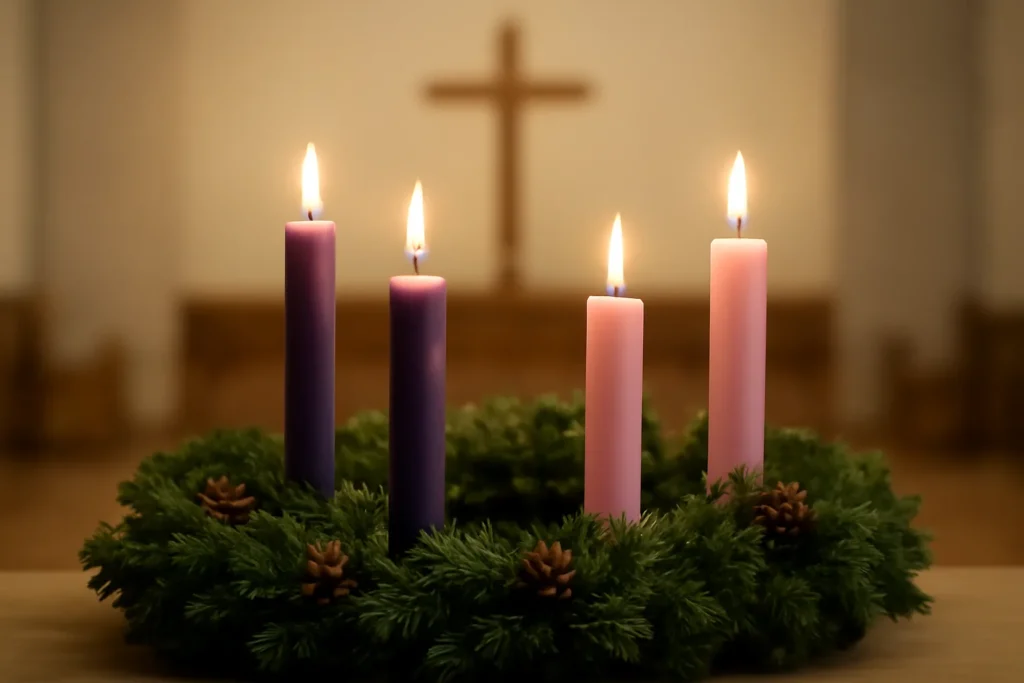
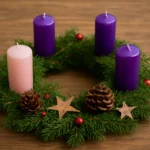
An Advent wreath is typically a circular arrangement of evergreen branches that symbolizes eternity, life, and the unending love of God. Its evergreen green is a reminder that God’s promises endure beyond the changing seasons of the year. The wreath usually bears four candles, one for each Sunday of Advent, and sometimes a fifth candle—the Christ candle—placed at the center and lit on Christmas Eve or Christmas Day. The lighting sequence, readings, and prayers associated with the wreath provide a structured rhythm that helps worshippers slow down, reflect, and anticipate the coming of Christ.
Common components and their meanings
Evergreen ring: Signifies eternal life and the continuity of God’s faithfulness.
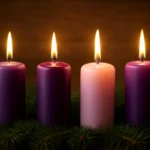
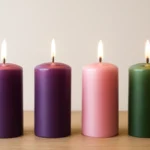
Candles: Each candle’s color and the order of lighting carry symbolic meanings tied to the liturgical year (often purple or blue for longing, pink for joy, and white for the Christ candle).
Candles arrangement: A four-candle design is most common, with proximity to the center reflecting proximity to the Incarnate Word. Some designs use three purple candles and one pink candle; others use blue or violet and pink, depending on the denomination.
Christ candle (optional): A white candle lit on Christmas Eve or Christmas Day to celebrate the birth of Jesus.
Wreath placement: It can be placed in a central worship space, near a lectern or pulpit, or within a liturgical procession route to emphasize its central role in worship during Advent.
Historical Context and Variations Across Traditions
The Advent wreath has its roots in Western Christianity and has become a widely emulated practice across many Protestant, Catholic, Anglican, Lutheran, and other church traditions. While the underlying symbolism remains consistent—anticipation, light in darkness, joyous expectation—the advent wreath church adaptations differ. Some parishes emphasize penitence with more subdued color palettes and somber readings, while others highlight hopeful expectation with brighter music and more celebratory prayers. Here are some common variations you might encounter:
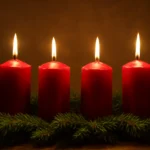
Color schemes: Purple or blue candles for most Sundays, pink for a Sunday of joy (often the third Sunday), and white for the Christ candle in some configurations.
Optional Christ candle: In many Catholic parishes, the Christ candle is lit on Christmas Eve or Christmas Day, signaling the arrival of the Word made flesh. In some Protestant churches, the Christ candle is lit during a Christmas Eve service or on Epiphany.
Indoor vs. outdoor displays: Some churches display the wreath prominently in the nave or sanctuary, while others incorporate it into a home, classroom, or chapel setting to involve families and children more directly.
Aesthetic choices: The wreath can be simple and traditional or decorated with symbols relevant to the congregation—such as crosses, anchors, or country-specific motifs—so long as the central message remains clear: the Advent journey is a pilgrimage toward Christmas.
Planning Your Advent Wreath Service: Goals and Considerations
Every church community brings its own history, culture, and pace to Advent worship. When planning an advent wreath church observance, consider these core goals:
Engage the congregation through meaningful symbolism that connects scripture to everyday life.
Create an orderly, predictable rhythm that helps worshippers feel the sacred tempo of Advent.
Provide opportunities for all ages to participate—older members can lead readings, while children can help with lighting or prayers.
Encourage thoughtful preparation rather than hurried performance, so the ritual remains reverent and approachable.
Offer flexibility for special services—midweek services, family services, or carol sing practices—without diluting the core Advent message.
Designing the liturgy around the wreath
When building the liturgy, consider the following elements for a cohesive experience:
Scripture readings aligned with each Sunday’s theme (e.g., Hope, Peace, Joy, Love).
Responsive prayers that invite the congregation to participate aloud or in silence.
Liturgical responses such as “Blessed be the name of the Lord” or similar acclamations, depending on tradition.
Music selections that reflect Advent’s mood—anticipation, reflection, and celebration—without overwhelming the readings.
Practical details such as candle lighters, readers from different age groups, and a brief explanation at the beginning for newcomers.
Lighting the Advent Wreath: Order, Prayers, and How-to
The lighting sequence is the centerpiece of the Advent wreath ritual. The most common practice is a Sunday-by-Sunday progression through the four Advent candles, with a culminating Christ candle. Here is a practical guide you can adapt to your church’s liturgical tradition:
Standard lighting sequence
The first candle is lit on the first Sunday of Advent and represents Hope. Prayers focus on God’s promises and the hope that sustains believers in difficult times.
The second candle is lit on the second Sunday, symbolizing Peace. Readings emphasize reconciliation, mercy, and the peace that Christ brings to the world.
The third candle is lit on the third Sunday (the “Rose” or “Gaudete” Sunday in many traditions), representing Joy. This candle often accompanies music and testimonies that celebrate present blessings and future fulfillment.
The fourth candle is lit on the fourth Sunday, signifying Love. Prayers highlight God’s love revealed in the Incarnation and the call to live as witnesses of that love.
If a Christ candle is used, it is lit on Christmas Eve or Christmas Day, concluding the Advent sequence and marking the fullness of the season.
Sample prayers and prompts for each lighting
These prompts are adaptable to your church’s language and denominational style:
First light (Hope): “We light this first candle as a sign of enduring hope in God’s faithfulness, who keeps every promise. Open our hearts to the future you prepare for us.”
Second light (Peace): “May this candle remind us that true peace comes from healing, forgiveness, and reconciliation. Help us be instruments of Your peace in our homes and streets.”
Third light (Joy): “As we light this candle, celebrate the joy that comes from knowing you are near. Let our songs and prayers overflow with gladness, even amid life’s challenges.”
Fourth light (Love): “This flame shines with the depth of your love shown in the Word made flesh. Empower us to love as you love, with courage and mercy.”
Christ candle (Christmas celebration): “All lights together proclaim that the Light of the World has come. Jesus, you are God-with-us—refresh us, transform us, and send us to share your light with all we meet.”
Practical Setup: Where to Place the Advent Wreath and How to Stage It
A well-planned setup helps the wreath become a natural focus rather than a distraction. Consider these practical guidelines:
Placement: Position the wreath in a place that is visible to the entire congregation, ideally near the center of the nave or sanctuary, or in a location where processions can begin or end near it.
Protection and safety: If using real candles, ensure a fire-safe base, non-flammable holders, and a plan for extinguishing candles safely. In spaces with children or high traffic, consider LED candles to reduce risk.
Accessibility: Ensure that readers and candle lighters can reach the wreath safely without crossing aisles or disrupting worship. For larger sanctuaries, a platform or riser can help.
Visibility: Choose a height and angle that keeps candles visible from the back rows; use warm lighting to avoid glare on the wreath’s surface.
Maintenance: Before Advent begins, check the wreath for damaged wires, dry branches, or candle holders that may need repair or replacement.
Engaging the Congregation: Participation and Inclusion
A meaningful Advent wreath service invites broad participation while honoring the sacred pace of the ritual. Here are several ways to engage different age groups and skill sets:
Children’s involvement: Involve children as liturgists, candle lighters, or readers. A simple explanation card can help young participants understand the symbolism.
Intergenerational involvement: Pair younger readers with seasoned members for the readings, strengthening community bonds and sharing different voices in worship.
Volunteer roles: Train a small team to manage the wreath lighting each week, including someone to prepare the readings, prayers, and reflections.
Accessibility considerations: Provide printed copies of prayers and readings in large print or provide audio recordings for those who may have difficulty reading.
Music, Readings, and Visuals: Enhancing the Experience
Music and scripture readings are essential to the Advent wreath’s impact. A thoughtful program of songs, readings, and visuals can deepen the experience without turning Advent into a performance:
Scripture selections: Choose passages that align with each candle’s theme—hope, peace, joy, love, and the Christ event itself. Suggested sources include Isaiah, the Psalms, Luke’s nativity accounts, and Paul’s letters about living in the light.
Anthems and hymns: Opt for hymns and contemporary worship songs that reflect Advent’s mood and message. Avoid songs that upstage the liturgy or rush the pace.
Responsive readings: Short congregational responses or call-and-response prayers can foster active participation without lengthening the service excessively.
Visuals: Projected images, a simple banner, or a short devotional video can augment the candles’ symbolism—always ensuring visuals support rather than replace the spoken word.
Variations for Denominational Contexts
Different church traditions approach the Advent wreath with distinct emphases. Below are some practical variations you might consider, depending on your denominational context or local culture:
Catholic and Anglican: The Christ candle is often part of a coordinated Christmas Eve or Christmas Day celebration, with Marian or nativity readings integrated into the Advent season. Focus on the Word made flesh and the anticipation of the Incarnation.
Lutheran and Reformed: Emphasis on the Reformed practice of Advent reflects themes of repentance (often with violet or blue) and hopeful expectation. The lighting sequence may align with the lectionary readings for the Sundays of Advent.
Methodist and Evangelical traditions: A balance of contemplative worship and communal song. The Advent wreath can serve as a central anchor for family services, youth gatherings, and mission-focused reflections during the season.
Orthodox-adjacent and ecumenical contexts: Some communities incorporate Advent-like fasts or separate feast days; the wreath serves as a bridge between traditions, highlighting shared anticipation of Christ’s coming.
Education and Catechesis: Teaching the Meaning of Advent
Teaching about Advent and the wreath is an ongoing process that can reach all ages. Here are ideas to embed learning into the life of the church:
Adult education: Offer a short series on the symbolism of the wreath, the meaning of the candles, and the biblical narratives that illuminate Advent themes.
Children’s program: Create a kid-friendly Advent curriculum that includes crafts, reading passages, and simple prayers associated with each candle.
Home-centered resources: Provide families with take-home packets or digital devotionals that pair with the weekly candle lighting, encouraging family discussions and prayer time.
Pastoral reflection: Include brief sermons or homilies that connect Advent themes to daily life—work, neighborhood, and acts of service.
Safety, Maintenance, and Practicalities
Well-managed Advent wreath practices keep the focus on worship rather than on risk. Consider these practicalities to ensure a smooth season:
Fire safety: If using real candles, train a designated person in safe handling, extinguishing methods, and maintenance checks. Have a backup plan in case of wax drips or candle malfunctions.
Lighting schedule: Create a written schedule with names responsible for each Sunday to prevent confusion and ensure a seamless service.
Weather and power considerations: For venues with lighting or sound concerns, have LED candles as a reliable alternative; ensure that any power-dependent lights have backup power or contingency plans.
Ongoing care: Store the wreath in a safe, dry place between Sundays; check evergreen durability and replace as needed to maintain a fresh appearance each year.
Digital and Hybrid Worship: Advent Wreath for Online Audiences
In today’s church environment, many communities reach participants beyond the physical sanctuary. The Advent wreath can be a powerful online symbol when used thoughtfully:
Live or recorded lighting moments: Include a brief candle-lighting moment in livestreamed services or post short clips with the candle-lighting readings for virtual worshippers.
Interactive elements: Create online devotionals where viewers submit short reflections or prayers for each candle, which can be featured in subsequent services or social media posts.
Visual storytelling: Use close-up, warm-toned video of the wreath during the lighting moments to preserve reverence in a digital format.
Accessibility in digital space: Provide captions and text overlays for prayers and readings to assist participants who watch later or have hearing differences.
Illustrative Service Outline: A Model for a Month of Advent
Below is a flexible, adaptable outline you can tailor to your church’s timetable and tradition. It uses a traditional four-Sunday Advent wreath structure and accommodates both traditional and contemporary worship styles.
Welcome and Lighting Introduction: Brief welcome, explanation of the wreath’s meaning, and the lighting of the first candle.
Opening Prayer: A short general prayer inviting God’s presence and blessing on the worshipers.
First Scripture Reading: A passage that speaks of Hope (e.g., Isaiah 9:2-7 or Luke 1).
Song or Anthem: A congregational hymn or reflective song tied to Hope.
Response and Reflection: A brief reflection linking the reading to modern life and offering a prayer for the week ahead.
Second Candle Lighting: Lighting the second candle with a short prayer for Peace.
Second Reading: A passage focusing on Peace (e.g., Luke 2:14 or Romans 5:1-5).
Music and Interlude: A calm musical piece or instrumental interlude to nurture contemplation.
Third Candle Lighting: Lighting the pink candle (or the next Advent candle) with a Joyful reflection.
Third Reading: A Joy-themed passage (e.g., Luke 2:10-11 or Galatians 5:22-23).
Congregational Response: A short sung or spoken response, with a blessing for the processional or dismissal.
Fourth Candle Lighting: Lighting the final candle, focusing on Love and the culminating anticipation of Christ’s coming.
Christ Candle (if included): Lighting the Christ candle with a proclamation of Christmas joy and a commissioning prayer to bear Christ’s light into the week.
Closing Hymn or Song: A benediction-like anthem that sends the congregation into the week with hopeful anticipation.
Dismissal: Final blessing, with a reminder of the weekly Advent theme and the date of the next lighting service.
In an age characterized by rapid pace, digital attention shifts, and constant busyness, the advent wreath church tradition provides a concrete, shared ritual that grounds a community in time and story. It fosters:
Communal memory: Recalling the promises of God and the anticipation of the Incarnation helps a church remember its identity and mission.
Spiritual focus: The lighting sequence invites reflective prayer and intentional time for listening to Scripture and each other.
Family and generational engagement: The wreath invites people of all ages to participate in a shared discipline that transcends generations.
Educational depth: The symbolism provides an accessible entry point for catechesis, catechumenate, and ongoing faith formation.
To keep the Advent wreath meaningful rather than merely decorative, avoid these frequent missteps:
Over-technicalization: Don’t let the ritual become a stiff chore. Keep readings and prayers concise, and allow space for silence and personal reflection.
Venue distractions: Ensure the wreath does not compete with the altar, pulpit, or screen. Place it where it can be seen without needing to strain the necks of worshippers.
Inconsistent practice: Maintain a predictable schedule and liturgical pattern each week so newcomers can learn quickly and regular attenders feel continuity.
Safety lapses: If real candles are used, never leave a lit candle unattended and ensure a clear exit path for any necessary emergencies.
Conclusion: Embracing the Advent Wreath in Your Church
The Advent wreath church tradition is more than a seasonal decoration; it is a deliberate practice that invites a faith community to slow down, study the Word, and live in hopeful anticipation. When thoughtfully implemented, it becomes a unifying thread through Advent—linking worship, teaching, music, and service in a cohesive whole. The wreath’s enduring symbolism—eternal life (evergreen), light in darkness (candles), and the coming fulfillment in Christ (Christ candle)—offers a compact, powerful pedagogy for every generation. By prioritizing intentional planning, inclusive participation, safety, and adaptability across denominations, your congregation can use the Advent wreath to enrich worship, deepen catechesis, and inspire acts of love in the weeks leading up to Christmas. In short, a well-executed Advent wreath practice not only marks the season; it transforms it.




Leave a Reply