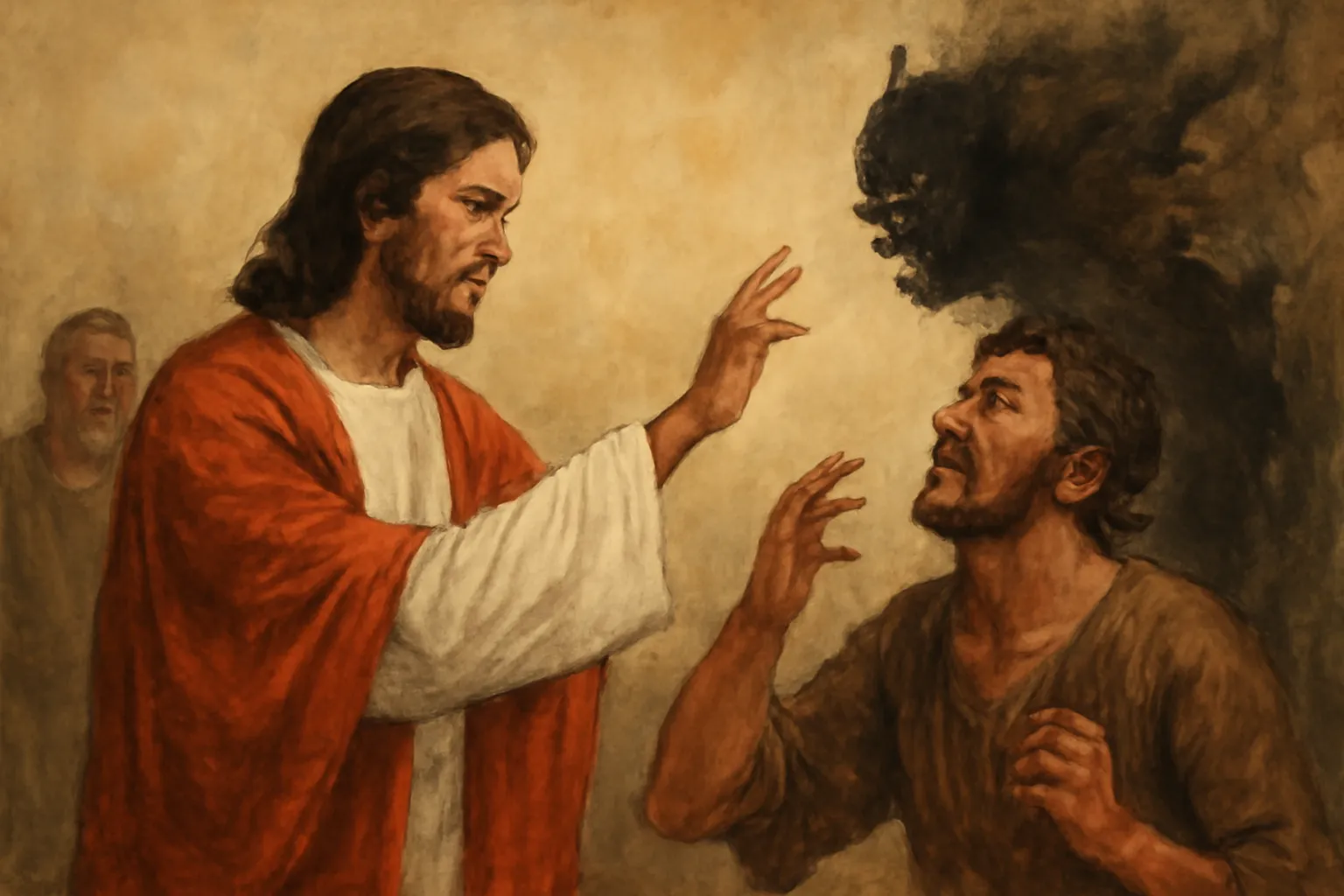
Across Christian tradition, the practice of casting out demons—often called exorcism or deliverance—appears in many forms. This article gathers essential Bible verses on exorcism and deliverance, offering context, interpretation, and practical guidance for readers seeking to understand how the Bible treats the authority of Jesus over unclean spirits and the power believers may access through faith. While the language of the Bible sometimes uses historical and cultural imagery that can feel distant, the core themes are consistent: Jesus’ authority over demons, the purpose of the Spirit-filled life in resisting evil, and the call for discernment and responsible ministry in an age of spiritual warfare.
What does it mean to cast out demons in the Bible?
In biblical usage, casting out demons refers to the action of expelling unclean spirits or demonic powers from a person, a place, or a situation. The practice is most clearly recorded in the Gospels, where Jesus demonstrates authority over evil spirits, often accompanied by healing. But the phenomenon is not merely a collection of miracle stories; it is embedded in a larger theological frame: the kingdom of God is advancing, the power of the name of Jesus is real, and believers are invited to participate in spiritual warfare with discernment, faith, and compassion. In the New Testament, several distinct but related terms appear, including exorcism (the older English term), deliverance, and driving out demons or casting out unclean spirits.
Authority and identity: Jesus speaks and spirits obey (Mark 1:27; Luke 4:35).
Authentic deliverance: Restoration of people and communities, not merely a momentary exorcism.
Discernment: Not every claim of deliverance is from the Spirit; the church is called to test spirits (1 John 4:1; cf. Acts 19:13-16).
With that groundwork, we turn to a careful survey of key verses on exorcism and deliverance that illuminate how this theme unfolds across the biblical witness.
Key Bible verses on exorcism and deliverance
Below is a curated set of verses that Christians often study when exploring casting out demons, exorcism scriptures, and deliverance ministry. For each verse, a brief note explains its place in the narrative or teaching and how it has been understood in church history.
From the Gospels: Jesus’ authority over unclean spirits
Matthew 8:16 — “When evening came, many who were demon-possessed were brought to him, and he drove out the spirits with a word and healed all the sick.” This verse highlights authority demonstrated by words and the integration of deliverance with healing ministry.
Mark 1:23-26 — A man with an unclean spirit in the synagogue confronts Jesus, who responds with a command: “Be quiet! Come out of him!” The scene emphasizes the immediacy and authority of Jesus over demonic power.
Luke 4:33-36 — In the synagogue, a man possessed by a demon is silenced and expelled by Jesus: “Jesus rebuked him, saying, ‘Be quiet, and come out of him!’” The incident connects deliverance to Jesus’ teaching voice and demonstrates a public sign of the Kingdom.
Luke 11:20 — Jesus says, “If I drive out demons by the finger of God, then the kingdom of God has come upon you.” This links exorcism to the inaugurating power of God’s reign.
Jesus’ commissioning of his followers: authority to exorcise
Matthew 10:1 — “And he gave them authority over unclean spirits to cast them out.” The sending of the Twelve includes a transfer of authority for dealing with demonic powers in mission.
Luke 9:1 — Jesus “gave them power and authority to drive out all demons and cure diseases.” This broad mandate situates deliverance in the broader ministry of healing and proclamation.
Mark 3:14-15 — Jesus appoints the Twelve to be with him and to have authority to drive out demons, signaling the continuity of power in the apostolic ministry.
Apostolic practice and early church examples
Acts 8:7 — “For unclean spirits, crying with loud voice, came out of many that were possessed.” A public demonstration of the Spirit’s work through the church in Samaria.
Acts 16:16-18 — Paul commands a spirit of divination to depart from a slave girl: “I command you in the name of Jesus Christ to come out of her!” The episode shows the authority of Jesus manifested through the apostolic church, sometimes in conflict with political and social powers.
Acts 19:13-16 — The curious episode of the sons of Sceva, who attempt to invoke Jesus’ name without true faith and encounter a stronger demon: “Jesus I know, and Paul I know, but who are you?” This cautionary tale underscores the need for authentic faith and discernment in deliverance ministry.
Deliverance in the broader New Testament framework
Mark 16:17 — “In my name they will drive out demons.” A promise about the post-resurrection mission of believers empowered by Jesus’ name.
Luke 10:17 — The seventy-two return with joy: “Even the demons submit to us in your name.” A practical confirmation that authority over demons is a shared experience in mission.
The theological themes behind these verses
Several core themes run through the verses about casting out demons and deliverance. Understanding these helps readers interpret individual passages within the broader biblical message.
Christ’s supremacy over spiritual powers: Demons acknowledge Jesus’ authority; his word defeats the powers that oppose God’s reign.
Authority given to believers: Jesus entrusts his followers with the ability to confront demonic powers as part of the mission of the church.
Kingdom of God breaking into the present age
The casting out of demons is often framed as a sign that the kingdom has come and is being established in the world.
Discernment and responsibility: Not every claim of deliverance is from God; the church must test spirits and practice restraint and respect for the dignity of the person being delivered.
Integration with healing and wholeness: Deliverance ministry is frequently linked to physical and emotional healing, illustrating the holistic nature of Jesus’ ministry.
Spiritual warfare and the believer’s armor: Verses about exorcism sit within a larger call to stand firm against evil, bearing in mind the defensive posture of faith (Ephesians 6:10-18).
These themes encourage readers to approach deliverance ministry with humility, careful study, and reliance on the Holy Spirit, rather than as a formulaic set of techniques.
Important cautions and clarifications for modern readers
Reading these verses responsibly requires recognizing both the power and the limits of biblical deliverance. Many churches and ministries practice exorcism or deliverance in ways shaped by their historical and cultural contexts. Here are some cautions to keep in mind:
Not every problem is a demon: Suffering, illness, addiction, or emotional distress may have multifaceted causes, including biology, trauma, and social factors. Biblical deliverance must be part of a compassionate, holistic approach.
Discernment matters: The Bible warns about false spirits and counterfeit signs. Test the spirit and seek wise counsel (1 John 4:1).
Authority is in Christ, not in technique: The power to cast out demons arises from faith in Jesus’ name and the work of the Spirit, not from clever methods or hype.
Pastoral care and safety: In any ministry of deliverance, protect the vulnerable, avoid sensationalism, and prioritize the dignity and consent of participants.
Humility in outcomes: Not every encounter ends with a dramatic exorcism; some deliverances are gradual and sanctifying, aligning with God’s timing and purposes.
These cautions do not minimize the reality of spiritual warfare; rather, they orient believers toward a thoughtful, Christ-centered practice that honors Scripture and safeguards people who seek relief and freedom.
How to study these verses responsibly: practical approaches
For readers who want to engage these passages in a thoughtful, life-giving way, here are practical steps that integrate study, prayer, and community discernment.
Context first: Read the surrounding chapters and the broader gospel narrative to grasp the social and theological setting of each passage.
Compare translations: Different Bible translations render terms slightly differently; compare several to capture nuance (e.g., “unclean spirits,” “demons,” “evil spirits”).
Cross-reference: Link gospel passages with Acts and Epistles that discuss faith, spiritual authority, and prayer in deliverance contexts.
Note the audience and purpose: Some passages describe public demonstrations; others speak to training the disciples; know what the author aims to communicate to early readers and how that translates to today.
Pray for discernment: Approach these verses with prayer for wisdom, humility, and love for those who are seeking deliverance.
Additionally, many readers find it helpful to study with a community: pastors, teachers, or small groups can provide guidance, accountability, and a shared framework for interpreting difficult passages.
Historical context and how the early church understood deliverance
Understanding the historical backdrop helps interpret the practice of casting out demons in the Bible. In the first-century Mediterranean world, belief in spirits, totemic powers, and personal possession was common across cultures. The biblical writers present deliverance as a sign of Jesus’ authority and as part of the evangelistic proclamation that the Kingdom has arrived. Early Christians encountered both genuine deliverance experiences and opposition from those who misunderstood or tried to imitate the ministry. The apostolic writings caution readers to maintain the integrity of the Gospel while engaging with the spiritual realm in a way that honors Christ.
Across church history, voices have differed on how to practice deliverance ministry. Some traditions emphasize communal prayer and compassionate presence, while others develop more formalized rites or public exorcism-like events. What remains constant is the conviction that the ultimate victory over evil lies in the person and work of Jesus Christ, exercised through the power of the Holy Spirit and directed by Scripture.
Frequently asked questions about exorcism and deliverance verses
Below are common questions people ask when exploring the topic of demons cast out in the Bible, along with brief responses grounded in Scripture and historical interpretation.
Are believers able to cast out demons today? The New Testament anticipates a continued ministry of deliverance for those who bear Christ’s name, yet practice should be anchored in faith, discernment, and pastoral care. Verses like Mark 16:17 and Luke 10:17 point to ongoing authority for believers, while Acts 19 and 16 show apostolic practice in early churches.
What about the “Sceva incident” in Acts 19? It functions as a warning against casual or inauthentic use of Jesus’ name. The demon’s reply—“Jesus I know, and Paul I know, but who are you?”—highlights the importance of genuine faith and the Holy Spirit’s work.
Is exorcism a private or public ministry? The biblical record includes both private and public demonstrations of deliverance. Practices vary by church tradition, but both are aimed at the same Gospel mission: the healing and restoration of persons under spiritual oppression.
Practical takeaways: living in the light of biblical deliverance
For readers who want to apply these verses in daily life, here are practical takeaways that keep focus on gospel-centered living and compassionate ministry.
Center on Christ: Always anchor deliverance efforts in the name, authority, and gospel of Jesus Christ, not in human power or clever techniques.
Promote freedom and dignity: Deliverance ministry should aim to restore the whole person—spirit, mind, body, and relationships—within a community of faith.
Practice responsible discernment: Use prayer, scripture, and wise counsel to evaluate claims of demonic activity and to avoid sensationalism.
Encourage healing and discipleship: Deliverance is often linked to learning to follow Jesus more deeply, including prayer, worship, and accountability in community.
Ultimately, the Bible presents casting out demons as part of the broader reality of spiritual conflict in a fallen world, held in tension with the church’s mission to bring the message of peace, reconciliation, and new life through Christ. By studying the verses listed here, readers can cultivate a robust, biblically faithful understanding of how the ancient practice intersects with modern faith practice.
In sum, Casting Out Demons Bible Verse material invites readers into a conversation about authority, spiritual warfare, and the transformative power of the gospel. From Jesus’ authoritative commands in the Synagogues to the apostolic practice of the early church and the ongoing questions faced by contemporary believers, these verses form a thread that weaves through the narrative of the New Testament: in Christ, the powers of darkness are confronted, and the shalom of God is offered to those who trust in Him.

 Por Laura Jara