Infant Baptism vs Believer Baptism: A Comprehensive Guide
Baptism has long stood at the center of Christian identity, signaling entry into the church and a response to God’s grace. Across Christian traditions, two major paths to baptism are widely discussed: infant baptism and believer baptism. This guide explores the differences, the theological underpinnings, historical developments, and practical implications of these two approaches. By surveying both sides, readers can gain a nuanced understanding of how churches practice baptism, how families navigate the decision, and how communities interpret the meaning of baptism in the life of faith.
Understanding the two practices
At the heart of the discussion are two distinct understandings of who should be baptized and when. The first is the practice of baptizing infants, typically within the context of a family or community faith, often tied to faith commitments historically understood as a corporate or covenantal act. The second is the practice of baptizing individuals who have professed personal faith in Christ, often following a conversion experience or explicit declaration of belief.
What is infant baptism?
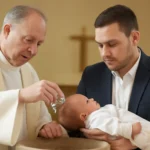
Infant baptism is the rite of baptism administered to a child, typically soon after birth or within the early years of life. The practice is most commonly associated with historic traditions such as the Roman Catholic Church, the Eastern Orthodox Church, and many Protestant denominations including Lutherans, Anglicans, Methodists, and some Reformed communities. The theological rationale often rests on the idea of baptism as a sign and seal of God’s grace extended to the child as part of the covenant community. In this view, even though the child cannot personally confess faith, the church and family commit to nurture the child in the Christian faith, and the infant’s baptism signifies inclusion within the people of God.
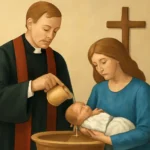
In practical terms, infant baptism typically involves a ritual of water, the invocation of the Trinity, and a commitment by parents or guardians to raise the child in the Christian faith. Some traditions invite the congregation to participate in the promise of upbringing, catechesis, and mentorship. The ceremony often emphasizes the child’s identity as a member of the church and the spiritual family that surrounds the child with prayers and guidance.
What is believer baptism?
Believer baptism, sometimes called adult baptism or credo baptism, is the practice of baptizing a person who has made a personal profession of faith in Jesus Christ. This approach is common in many Protestant circles—Pentecostal, Baptist, Anabaptist, and many Evangelical communities—and is based on the conviction that baptism should follow a conscious personal decision to trust in Christ and to repent of sin.
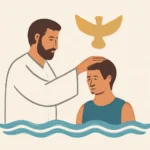
In the practice of believer baptism, the candidate typically undergoes a period of instruction or catechesis, publicly testifies to faith in Christ, and then is immersed in water as a symbol of dying to the old life and rising to new life in Christ. The emphasis is often on individual voluntary faith, personal repentance, and a public profession before the church community. The rite is frequently associated with a symbolic act performed in a baptismal pool, a lake, river, or font, and may be preceded by a time of prayer, mentoring, and accountability within the church.
Historical and theological context
To understand why the two practices diverge in emphasis, it helps to survey the historical terrain and the theological frameworks that shape each approach. The development of baptism in early Christianity, along with the environment of Reformation-era debates, played a crucial role in shaping contemporary views of infant and believer baptism. Different churches place different weights on tradition, Scripture, and the interpretation of covenant language in their reasoning about baptism.
Origins and development
The earliest Christians practiced baptism as part of the initiation into the church, often in connection with conversion to faith in Jesus. In the early centuries, infant baptism began appearing in various Christian communities as Christianity grew more family-oriented and as the Church sought to bring whole households into the faith. Some theologians argued that infants could be included in the covenant community, while others emphasized personal faith as a prerequisite for baptism.
During the Protestant Reformation, debates about baptism intensified. Reformers such as Ulrich Zwingli and John Calvin offered influential—but sometimes divergent—perspectives. The Anabaptists argued against infant baptism, insisting that baptism should follow a personal decision of faith. Other reformers, notably Luther and later Anglican and Reformed theologians, maintained that infant baptism could be appropriate within a covenantal framework. These historical conversations produced a spectrum of practices that continue to shape modern churches.
Denominational variations
Across Christian traditions, the practice of infant baptism or believer baptism is often connected to broader ecclesiological and sacramental understandings. Some denominational families emphasize baptism as a means of grace administered through the church’s ministry, while others see baptism primarily as a rite of obedience and public identification with Christ after a personal confession of faith. Each tradition may also vary in the way the rite is celebrated, the role of godparents or sponsors, and the expectations placed on families or converts in the surrounding catechetical program.
Biblical foundations
Biblical justification is central to any discussion of baptism. Advocates of each view point to different passages and interpret them through distinct theological lenses. A careful study often involves considering the genre, historical context, and the overarching storyline of Scripture—from creation and fall through the gospel, the church’s growth, and the future hope of redemption.
Scriptural perspectives often cited in favor of infant baptism
Covenant continuity: Proponents point to passages describing households being baptized (for example, household baptisms in Acts and the practice of circumcision in the Old Testament as a sign that infants were included in the covenant community).
God’s promise to the next generation: Some emphasize God’s faithfulness across generations and see baptism as the visible sign of inclusion in the community of faith for children as part of that multi-generational promise.
Community identity: The argument is that baptism integrates the child into the life of the church, where the community commits to instruct and sustain the child in Christian faith.
Scriptural perspectives often cited in favor of believer baptism
Personal faith and repentance: Supporters highlight passages where baptism follows an individual's confession of faith and repentance, underscoring baptism as an outward sign of inward faith.
Discipleship and conversion: The sequence of hearing the gospel, believing, repenting, and then being baptized is emphasized in many New Testament narratives.
Voluntary commitment: The practice is presented as a voluntary act of commitment to Christ, appropriate for those who can consciously assent to the gospel message.
Theological frameworks
Beyond specific scriptural verses, the theological frameworks—such as covenant theology, baptism as a sacrament, or baptism as an ordinance—shape how communities understand infant and believer baptism. These frameworks influence how baptism relates to faith, grace, salvation, and church membership.
Covenant theology and infant baptism
In covenant-based interpretations, baptism is frequently understood as the New Testament counterpart to circumcision in the Old Testament, signaling inclusion in God’s covenant people. Proponents often argue that households in the early Christian era symbolically reflect a multi-generational covenantal community that includes infants. Under this view, baptism becomes the outward sign of an inward faith that may be nurtured in the family and church, with the expectation that the child will be raised within a community of faith and eventually profess personal faith as they mature.
Believer baptism and the regulative principle
In other contexts, baptism is framed as a personal response to the gospel that follows an explicit confession of faith. Some traditions emphasize the regulative principle—only practices explicitly commanded or clearly implied in Scripture should be practiced in worship. This can lead to a strong emphasis on believer baptism as a voluntary act of obedience, paired with a subsequent period of discipleship or catechesis to ensure a prepared witness to the faith.
The choice between infant baptism and believer baptism carries practical consequences for worship, catechesis, church membership, and family life. These implications extend to historical traditions, day-to-day ministry, and the ways communities support nurturing faith in individuals and households.
Infant baptism: Rituals, roles, and promises
Ritual elements: A standard infant baptism ceremony may include water baptism, the invocation of the Trinity, an exhortation to live under God’s grace, a dedication by parents, and often the involvement of sponsors or godparents who commit to supporting the child’s spiritual formation.
Family and community responsibilities: The rite commonly interprets baptism as a communal obligation to teach and model Christian faith to the child, with the church providing catechetical programs, Sunday school, and family ministries.
Church membership: In many traditions, infant baptism is closely linked to incorporation into the church, with the belief that the child becomes part of the visible body of Christ and will be nurtured toward eventual confirmation or a personal profession of faith.
Believer baptism: Conversion, profession, and public witness
Ritual elements: The sequence typically includes a personal confession of faith, repentance, and immersion or pouring as a vivid symbol of dying to sin and rising to new life in Christ, often witnessed by the church.
Discipleship emphasis: This path emphasizes ongoing discipleship, instruction, and accountability as the baptized person begins or continues a life of faith within a local church community.
Church membership and identity: Believer baptism commonly aligns with a stated commitment to Christ and to the church as a voluntary member who participates in the life and mission of the body of Christ.
Ecumenical and interdenominational considerations
In today’s global church landscape, how different traditions approach baptism frequently reflects broader ecumenical dialogues and local church life. Some communities emphasize unity in essential beliefs while allowing diversity in practice about baptism. Others maintain more defined boundaries around baptism as a doctrinally determinate issue.
Interactions between traditions
In practice, many churches engage in respectful dialogue about infant and believer baptism, recognizing both the spiritual significance and pastoral importance of baptism. Some strategies include:
Child dedication programs in denominations that emphasize believer baptism, offering families a public vow to raise the child in the faith without baptizing the child until a later point.
Intergenerational catechesis that includes both babies and older children in faith formation, so families have a common language about faith milestones.
Shared worship spaces in parish contexts where a church home hosts different baptismal practices and communicates clear theology for newcomers.
Common questions and misconceptions
Many readers come to this topic with questions shaped by their own tradition or background. Here are some frequently asked questions with concise explanations, followed by deeper considerations for thoughtful discernment.
Does infant baptism replace personal faith?
No. For many traditions, infant baptism does not replace the need for personal faith. It signals inclusion in the faith community and a commitment to nurture faith in the child. As the child grows, they are typically encouraged to personally profess faith when they reach an age of understanding or after a period of catechesis and study. The expectation is that faith becomes personal later in life, not automatically at baptism.
Is believer baptism mandatory for church membership?
In some communities, yes; in others, no. In traditions that emphasize the voluntary nature of faith, believer baptism is often a prerequisite for full church membership and leadership roles. In other traditions, baptism is the sacramental rite of initiation (sometimes called an ordinance) but does not by itself determine membership status in every church context. The practical outcome varies by denomination and local church policy.
What about infant baptism in non-Catholic contexts?
Even within Protestant circles, you will find a spectrum. Some Protestant churches practice infant baptism as a covenantal sign and a means of grace within their own theological framework, while others reserve baptism for those who can articulate faith. The key is understanding the theological rationale a given church uses to justify or limit infant baptism and how they articulate the role of faith formation in the child’s life.
How churches navigate between practices
Many churches seek to honor conscience, Scripture, and pastoral care by offering inclusive pathways that respect differing convictions while fostering unity in mission. Below are some common approaches you might encounter in local church life.
Both paths under one roof: Some churches welcome families who have infants baptized and others who prefer their children to be baptized after professing faith, with coordinated catechesis and discipleship tracks to support everyone along the same journey toward maturity in Christ.
Tiered milestones: Distinct milestones (such as infant dedication, infant baptism, confirmation, or believer’s baptism) can be offered within a single church community to teach about grace, faith, and obedience in varied stages of life.
Pastoral sensitivity: Leaders often approach baptism with sensitivity to personal histories, family dynamics, and the spiritual needs of children and adults, seeking to avoid coercion and foster genuine faith experience.
Communal witness: Regardless of the path chosen, baptism is treated as a public declaration of belonging to Christ and to the church’s mission, with families and congregations alike called to support one another in spiritual growth.
Practical guidance for families and individuals
Whether you are a parent navigating infant baptism for your child, an individual considering believer baptism, or a church member supporting others in baptism decisions, practical considerations matter. The following guidance can help frame conversations, planning, and the spiritual formation that surrounds baptism.
For families considering infant baptism
Understand the covenant language: Consider how your tradition explains the relationship between baptism, grace, and the covenant community. Reflect on the commitments being made by the congregation and by you as parents or guardians.
Plan for nurture: Engage in ongoing catechesis, family worship, and involvement in the local church’s faith formation programs. Make a plan to teach your child about faith in age-appropriate ways.
Clarify expectations: Talk with your pastor or priest about the roles of sponsors or godparents, the baptismal vows, and how the church intends to support your family in spiritual formation.
For individuals considering believer baptism
Assess personal faith and understanding: Before baptism, many churches require a period of instruction or a catechetical process that helps you articulate your faith in Christ and understand the meaning of baptism.
Prepare for public testimony: Be ready to share your conversion story and explain how your life is being shaped by the gospel, since baptism is a public confession before the community.
Consider the community context: Baptism often takes place within a faith family; think about how your local church will support your ongoing growth in discipleship and accountability.
FAQs: Clarifying terms and concepts
Here are some frequently asked questions that people bring up when comparing infant baptism with believer baptism. The goal is to offer concise, clear explanations while recognizing diverse theological perspectives.
Is baptism the same as salvation?
Across traditions, there is not a universal agreement on this question. In some streams, baptism is understood as a means of grace that accompanies salvation, while in others it is primarily a public symbol of an inward faith. The relationship between baptism and salvation varies by tradition, and many churches teach that faith in Christ is the key to salvation, with baptism serving as its sign and seal within the church.
Yes. Some churches practice infant baptism within a covenant framework and also baptize believers who have made a personal confession of faith later in life. In such communities, both infant baptism and believer baptism may be accepted, though the emphasis and theological rationale differ for each rite.
What about dedication ceremonies for infants?
In many places, especially where infant baptism is not practiced, churches offer infant dedication as a separate rite. This ritual affirms the child’s place in the faith community and commits the family to raise the child in Christian faith, but without the claim of baptism as a sacrament or sign of grace in some traditions. Dedication can be a meaningful alternative that respects family conscience while focusing on nurture and blessing.
Concluding reflections on infant baptism vs believer baptism
Both infant baptism and believer baptism are meaningful rites that express essential truths about Christian identity, grace, and community. Each practice highlights different aspects of the Christian life: the corporate dimension of faith, the faith of the family, and the personal response of faith in Christ. In the end, the central aim is to cultivate a community that supports growth in faith, obedience to Christ, and a witness to the gospel in the world. Churches that emphasize grace, faith, and discipleship—whether they practice baptism of infants, believers, or both—seek to guide their members toward a lifelong journey of following Jesus together.
For readers navigating this topic, the most important questions often revolve around the pastoral context, the theological emphasis of the local church, and the spiritual formation of individuals and families. By exploring the varied expressions of baptism—be it infant baptism, believer baptism, or a combination of practices—churches can thoughtfully meet people where they are while upholding the commitments of the gospel. The journey toward understanding baptism is less about choosing a single correct model and more about discerning how a faith community embodies grace, instructs new believers, and sustains the spiritual growth of families across generations.







Leave a Reply