What is Baptism? A foundational look at the baptizmo or baptismal rite
Baptism is one of the oldest and most widely practiced rites in the Christian tradition. While the specifics vary among families of faith, the central idea remains consistent: it is an act of initiation that welcomes a person into the body of Christ and the local church. Across cultures and centuries, the act has carried layers of meaning—cleansing from sin, spiritual birth, and a public declaration of faith. In many contexts, baptism is understood as both a sacrament or ordinance, depending on tradition, with water functioning as a powerful symbol of new life and cleansing.
In practical terms, the baptismal process is not merely a moment in time, but a sequence of moments, conversations, and rituals that prepare a person for the mystery of what is happening. The language used by churches emphasizes a transition from one way of living to another—from self-reliance to a life oriented toward God and neighbor. When you read about the baptism process, you will encounter phrases such as initiation, confession of faith, water symbolism, and public witness, all of which point toward a shared aim: to mark a shift in relationship with God and with the community.
Although the baptism process appears in many forms, there is a recognizable arc that helps learners and families navigate what to expect. The journey typically unfolds in a sequence that includes preparation, a profession of faith, the actual rite, and ongoing belonging within the church community. Some traditions emphasize catechesis and instruction before the rite; others emphasize a more immediate form of initiation for infants or new believers. Regardless of timing, the core elements tend to stay consistent: instruction, water (or its symbolic counterpart), the Word (Scripture), and the community’s welcome.
Preparation and inquiry or catechesis, which can span weeks, months, or years depending on age and tradition.
Declaration of faith or assent to a set of beliefs, usually articulated by the person being baptized or by the parents and sponsors on their behalf.
The baptismal rite, which centers on the water and the invocation of God’s name, often within a liturgical framework.
Public reception into the congregational life and a commissioning for Christian living.
Ongoing formation after the baptism, including participation in the Eucharist (where applicable) and regular involvement in the church community.
Step 1: Preparation and Catechesis
The first stage in the baptism process centers on preparation and catechesis—that is, teaching and formation. The aim is not simply to memorize a creed, but to invite a person into a lived understanding of what it means to follow Jesus, to live in the church, and to participate in the life of the Spirit. Depending on tradition, this stage may vary in duration, but the following elements are commonly included:
Scriptural foundations: Key passages about Jesus, repentance, faith, and the Spirit.
Doctrine and creeds: Brief summaries of belief, such as the Apostles’ Creed or the Nicene Creed, which help anchor the baptismal intent.
Repentance and faith: A call to turn away from destructive patterns and to trust in Christ’s saving work.
Meaning of the water: Reflection on how water represents cleansing, birth, and new life.
Church life and responsibilities: An orientation toward prayer, worship, service, and accountability within a community.
For families welcoming an infant, catechesis often involves the parents and godparents. The aim is to shape a household that embodies the faith and fosters spiritual growth for the child as they mature. For adults or older children, the instruction may resemble a class or a series of conversations that gradually introduce the individual to the rhythm of church life and the meaning of the baptismal promise.
A distinctive feature of the baptismal process in many traditions is the involvement of sponsors or godparents. These individuals commit to supporting the baptized person in living out the vows they will make publicly. The roles can include guiding spiritual formation, modeling a Christ-centered life, and standing as witnesses to the faith journey.
Godparents or sponsors: Selected to assist the child or convert in their faith journey, agreeing to accompany the person as they grow in faith.
Parents and guardians: Responsible for nurturing a home life that reflects Christian values, prayers, and practices.
Pastors, priests, or ministers: Provide guidance, teach the necessary theology, and lead the baptismal rite with reverence to tradition.
Church community: A welcome party of believers who commit to pray, teach, and reinforce the identity of the baptized as a member of the church.
The collaboration among these figures reinforces that baptism is not a private ceremony but a moment of public surrender to a life within the community of faith. In many contexts, this collaborative network of care helps sustain the new believer through questions, challenges, and moments of growth in faith.
Step 3: The Rite Itself: Water, Word, and Promise
The heart of the baptism process lies in the ritual act itself. Most traditions frame the rite as a sacred encounter involving three core elements: water, the Word, and the invocation of the Triune God. The precise grammar and timing can differ, but these are the pillars that give the rite its coherence and meaning.
A typical structure in many churches includes:
Opening prayers and Scripture readings that prepare the heart and mind for the rite.
Profession of faith or a recitation of a summary of beliefs, often by the person being baptized or by parents/sponsors for infants.
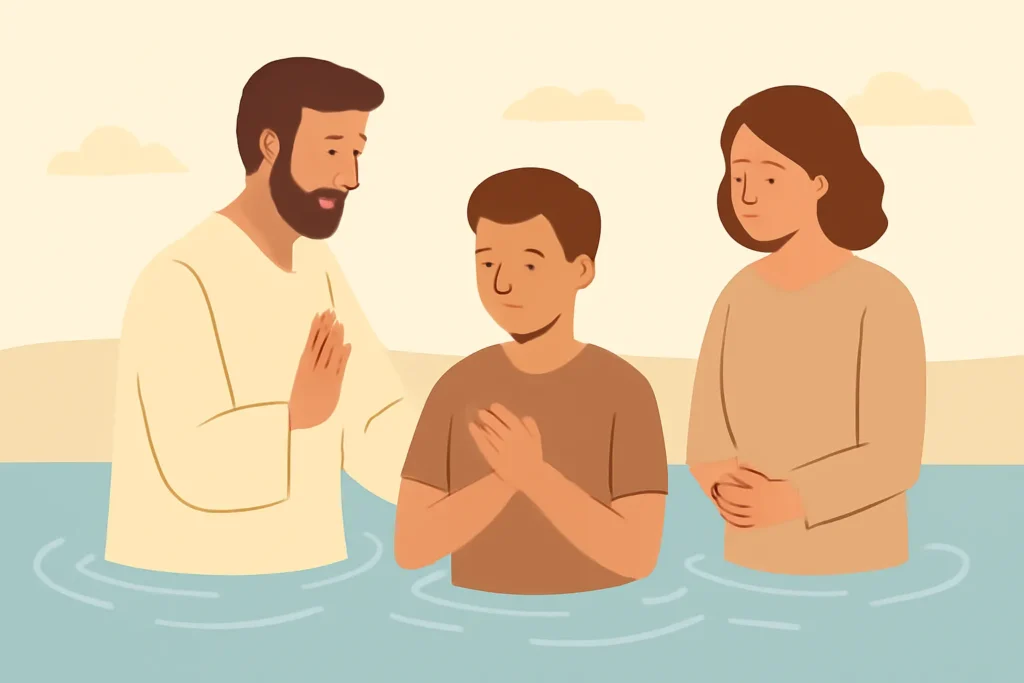
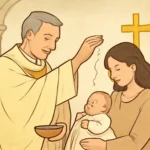
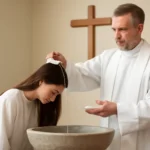
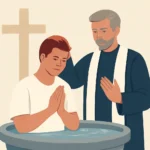
Water action: The actual act with water—through immersion, pouring, or sprinkling—performed in the name of the Father, and of the Son, and of the Holy Spirit (the Form of the rite).
Anointing with oil in some traditions as a symbol of setting the person apart for God’s purposes.
White garment and candle: Symbols of purity and the light of Christ that the baptized are called to carry into the world.
Blessings and commission: The community blesses the newly baptized, and a priest or minister sends them with a mission to live out the faith.
The exact sequence can be adapted to fit cultural norms or theological emphases. In immersion-focused traditions, water is poured over the head as a symbol of being cleansed and raised to new life; in pedobaptist contexts, the water is often poured or sprinkled on the infant and then joined to a larger liturgical act. Some traditions also include a baptismal confession of faith by the adult or child, while others rely on parents and sponsors to affirm the commitment on behalf of the child.
In Catholic and Eastern Orthodox practice, baptism is often administered with immersion or tailorable pouring, followed by chrismation/or confirmation in Orthodox contexts. The rite is frequently part of a larger liturgy, and the baptism is considered a sacrament that conveys grace as part of the church’s ongoing life.
Many Protestant communities emphasize the profession of faith and the personal decision to follow Christ. The mode of water use can vary—some lean toward immersion as a clear sign of dying to the old life and rising to new life; others favor pouring or sprinkling for practical reasons or theological emphasis.
Anglican and Episcopal practice
The Anglican tradition frequently uses a combination of water in the name of the Trinity and a pastoral liturgy that includes baptismal vows, a sign of the covenant, and a communal welcome into the body of Christ. The liturgy often blends elements of earlier Catholic practice with a Reformed emphasis on faith in Christ.
Other Christian communities
Some churches, such as certain Baptist groups, prioritize full immersion and a public confession of faith, while others in the broader Reformed family may place emphasis on the involvement of the congregation and the explicit public declaration of belief.
Step 4: The Baptismal Vows and Public Affirmation
A distinctive moment in the baptism process is the vows or profession of faith that accompanies the rite. This public declaration is a pledge to live according to the ways of Jesus and to participate in the life of the church. The exact wording differs by tradition, but the components usually include:
Renunciation of sin: A turning away from what harms ourselves and others.
Belief in Jesus Christ: A declaration of trust in God’s saving work through Christ.
Commitment to the church: A pledge to participate in worship, service, and discipleship within the community.
Witness to the world: An invitation to live as a light in the world, showing the love of God through actions and words.
In infant baptisms, the vows are typically expressed by parents and sponsors on behalf of the child, while the child may later make a personal reaffirmation of faith as they grow—often during a separate rite such as confirmation or first communion, depending on tradition.
Step 5: Aftercare: Community Life and Discipleship
The baptismal act is a doorway, not a destination. The long-term shape of life after baptism is framed by belonging to a faith community and growing in the practices that sustain faith. This post-baptismal phase often includes:
Regular worship: Participation in weekly or daily gatherings and liturgical life.
Holy Communion or the Eucharist where it is practiced in the tradition—often a rhythm tied to baptism in some churches.
Spiritual disciplines: Prayer, Scripture reading, fasting, service, and stewardship as ongoing formation.
Moral formation: Guidance in ethical living and relationships in the light of Christian understanding.
Community care: Continued mentorship from sponsors and peers within the church for accountability and encouragement.
The form of discipleship after baptism is shaped by local leadership, doctrinal emphases, and the needs of the baptized. In some communities, the emphasis is on immediate reception to the Eucharist and a strong emphasis on mission; in others, it includes a period of catechetical reinforcement and structured mentorship.
Frequently Asked Questions about the Baptism Process
Below are common questions people ask as they explore baptism. While answers can differ between traditions, these points capture some shared understandings.
Who can be baptized? In most traditions, baptism is available to those who have a faith confession (or who are being raised in the faith by parents and sponsors). Infants are often baptized to signify the grace of God that precedes personal response, while older children and adults may choose baptism after a period of instruction.
What is the role of water? Water stands as a sign of cleansing, rebirth, and the incorporation into Christ’s body. The method (immersion, pouring, sprinkling) communicates different theological emphases but shares the same symbolic center.
Is baptism necessary for salvation? Different traditions hold various teachings about the relationship between baptism and salvation. Most would affirm that baptism is the means by which God’s grace is imparted in the context of community and faith, but the precise soteriological (salvation-related) logic can vary.
What happens after baptism? The baptized person enters a life of discipleship, worship, and service; they are welcomed into the church’s mission and supported by a community that continues to grow them in faith.
Why do some churches require catechesis? Catechesis is a way to ensure that new participants understand the meaning of the rite, the beliefs they are professing, and their responsibilities within the community.
Glossary of Terms in the Baptism Process
Understanding baptism often involves some specialized terms. Here are brief definitions to help readers navigate the language.
Baptism: A rite of initiation that involves water and the invocation of God, marking admission into the church.
Catechesis: Instruction or teaching about the faith, typically aimed at preparing candidates for baptism.
Immersion: A method of baptism in which the candidate is fully submerged in water.
Pouring or Sprinkling: Methods of baptism where water is poured or sprinkled on the candidate’s head.
Confirmation: A separate rite in many traditions that completes baptism by affirming the faith and receiving the Holy Spirit in a deeper way.
Sponsor or Godparent: A person who supports the baptized person in their faith journey.
Practical Considerations for Families and Individuals
Organizing a baptism involves logistical and pastoral decisions. Here are some practical aspects to consider as you plan a rite that honors tradition and honors the needs of the participant.
Choosing a tradition: Different denominations parse the baptismal act in slightly different ways. It helps to understand what each tradition emphasizes, such as covenantal inclusion or sacramental grace.
Timing: Many communities arrange baptisms during a worship service, which can enhance the sense of witness. Some parishes offer dedicated baptism services or seasonal opportunities.
Preparation time: For infants, this often means a series of classes for parents and sponsors; for adults, it may involve longer periods of study and reflection.
Family participation: The rite often invites family members to participate in readings, prayers, or acts of proclamation, fostering a sense of shared commitment.
Resources and follow-up: Many churches provide devotional materials, a baptismal certificate, and opportunities for ongoing formation after the ceremony.
The overall goal is to ensure a meaningful and memorable experience that anchors the person’s new life within a supportive faith community.
Putting It All Together: The Baptism Process as a Pathway into Community
Across traditions, the baptism process serves as a doorway into the life of the church. It is a doorway that invites believers to live in trust, to receive grace in concrete ways, and to grow in a spiritual family. By attending to preparation, the rite itself, and ongoing discipleship, churches seek to honor the depth of what baptism represents: a transformation of identity, a gifting of grace, and a public witness to a life shaped by the Gospel.
For anyone exploring baptism—whether for themselves, as a parent considering infant baptism, or as a sponsor preparing to support a candidate—the journey is an invitation to ask big questions with a communal heartbeat. How does a person begin this life with Christ? How does a church help someone mature in faith? What does it mean to live as a member of a community that embodies mercy, justice, and love? The answers are deeply rooted in the local faith community, rooted in Scripture, and sustained by daily practices of prayer and service.





Leave a Reply