Old Testament Women | Deuterocanonical Women | Symbolic Figures
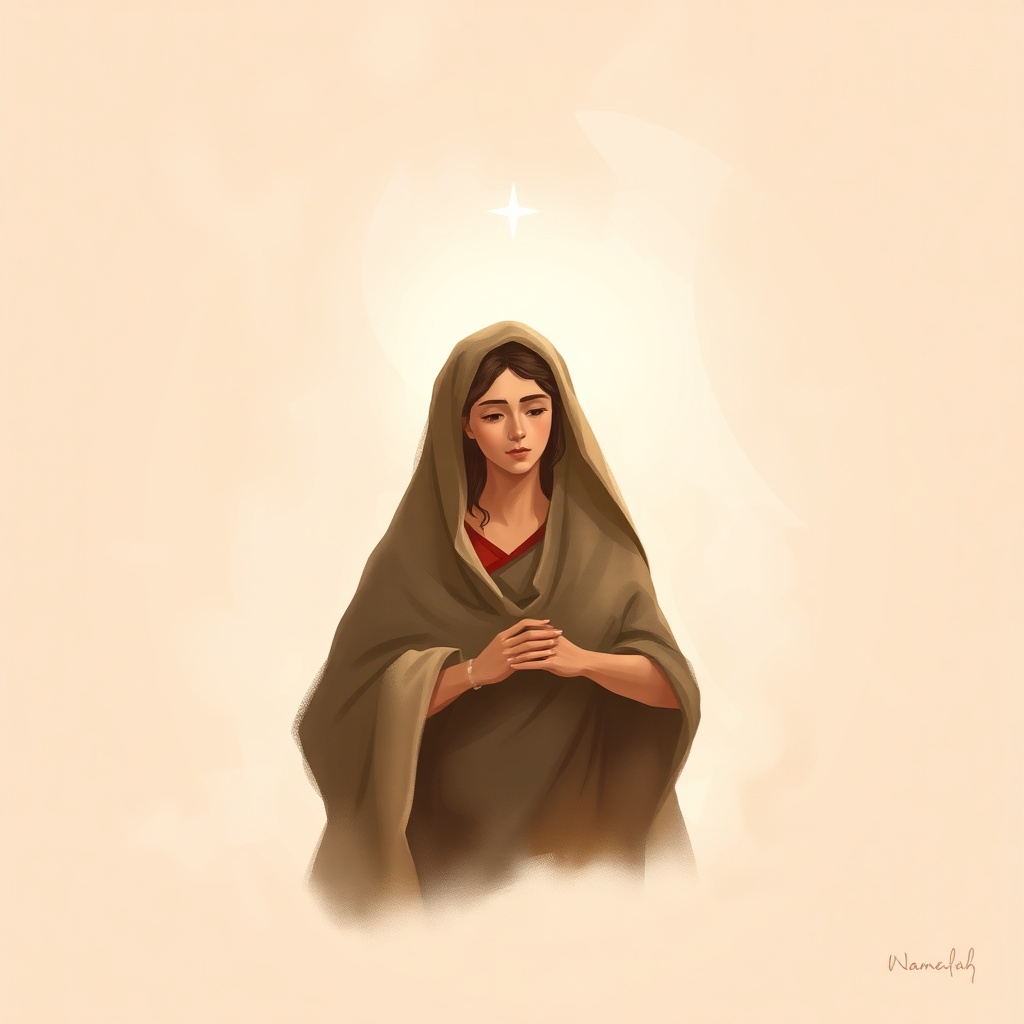
Naamah (Wife of Solomon): Biblical Woman of Significance and Mystery
📅 10th century BCE, during the reign of King Solomon · 📜 Naamah's name means 'pleasant' or 'beautiful' in Hebrew, conveying grace and attractiveness, symbolizing her role as a woman of allure and significance.
NaamahSolomonOld Testament womenBiblical profiles
And Rehoboam his son reigned in his stead, and Solomon slept with his fathers, and was buried in the city of David his father: and Rehoboam his son reigned in his stead.— 1 Kings 14:31
Naamah is mentioned as one of Solomon’s wives in the biblical record, primarily in 1 Kings. She is notable as the mother of Rehoboam, the heir to Solomon’s throne, indicating her influence in the royal lineage. Her story symbolizes the integration of foreign wives into Israel’s monarchy, reflecting political alliances and cultural diversity. While not a central figure in biblical narratives, Naamah's role underscores themes of transition, continuity, and the complexities of royal relationships. Her presence highlights the significance of women in legitimizing and shaping the dynasty. As a wife of Solomon, her influence extends indirectly through her son Rehoboam, who inherits the kingdom. Though her story remains largely archetypal, her inclusion emphasizes the importance of women behind the scenes in biblical history and royal succession.
Naamah lived during Israel’s golden age under Solomon’s reign, a period marked by prosperity, wisdom, and diplomatic marriages. Women in ancient Israel generally held roles centered around family, kinship, and domestic responsibilities, but royal wives often played crucial political roles through marriage alliances. Foreign wives like Naamah represented diplomacy and cultural exchange, sometimes facing tension between their native customs and Israelite traditions. Despite limited personal agency in some cases, royal women influenced succession and state affairs indirectly. Naamah’s position reflects the intersection of political strategy and gender roles in ancient Near Eastern culture, where marriage alliances were vital for maintaining peace and expanding influence. Her story exemplifies a woman navigating complex cultural dynamics while fulfilling her familial and political duties.
👨👩👧 Family Connections
Naamah was the wife of King Solomon, the son of King David. Her familial background is not explicitly detailed in biblical texts, but she is believed to be from the tribe of Judah. She was the mother of Rehoboam, Solomon's son and successor.
Naamah’s mention, though brief, underscores the importance of women in the lineage leading to Israel’s royal house, highlighting God’s sovereignty in using diverse backgrounds for His divine purposes. She symbolizes faithfulness and the continuity of God’s promises through lineage. Her role as mother of Rehoboam connects her to divine providence in the establishment of the Davidic covenant. Naamah's inclusion reflects themes of inclusion and God’s sovereign use of history’s tapestry—encompassing different nations and cultures—to fulfill salvation history. Her presence invites reflection on God's grace extended beyond Israel, foreshadowing the inclusive nature of salvation and God’s eternal plan for His people.
God uses people from diverse backgrounds for His divine plans; our differences can serve His purposes. Embracing cultural diversity can lead to greater understanding and unity.
📖 Lesson 2
The influence of women in biblical history reminds us that behind-the-scenes roles are vital. Faithfulness and loyalty in family and community are significant in God’s kingdom.
📖 Lesson 3
Lineage and legacy matter; our actions can impact future generations. Trusting God’s sovereignty in our family and societal roles brings lasting significance.
🔗 Connections to Other Biblical Women
Naamah’s story connects to other biblical women who played roles behind the scenes, such as Bathsheba and Ruth. While most women like Eve or the prophets are known for their active roles, Naamah’s influence is primarily through lineage and legacy, contrasting with women who directly shaped biblical narratives. Her silence in the text echoes the many women whose importance is recognized through their descendants or impact rather than their words or actions alone. She exemplifies the quiet strength and foundational influence characteristic of many women in biblical history.
📜 Scripture References
Reference
1 Kings 14:21
1 Kings 14:31
❓ Frequently Asked Questions
Who was Naamah in the Bible?
Naamah was a wife of King Solomon and the mother of Rehoboam, as mentioned in 1 Kings 14:21-31. Her primary significance lies in her role in the royal lineage.
Is Naamah mentioned outside the Bible?
Naamah is also referenced in Jewish tradition and extra-biblical texts, where she is sometimes associated with noble or royal lineage, but the biblical account remains minimal.
What does Naamah’s story teach us?
Her story emphasizes the importance of family legacy and how women’s roles, even if not detailed explicitly, influence history and faith. It reminds us that divine purpose can be fulfilled through every role.
✨ Did You Know?
Naamah’s name appears in various Jewish traditions as linked to noble or even mythical qualities, and some texts suggest she may have been a descendant of the notable figures of the Near East. Interestingly, her mention highlights how royal marriages served as diplomatic ties across nations, illustrating the blend of cultural influences in biblical history.

 Por Mario Acevedo