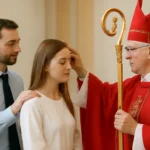
The word confirmation evokes a moment of spiritual strengthening and maturation in the life of a believer. Across Christian traditions, it is embraced as a sacred process in which a person is invited to deepen their baptismal grace and to receive the Holy Spirit in a fuller way. It is important to note that the Bible does not always use the modern term “sacrament of confirmation” explicitly. Instead, it offers a rich set of passages about the Holy Spirit, the laying on of hands, and the sealing or gifting of God. Those biblical ideas form the scriptural backbone for the understanding of confirmation in many churches, especially in Catholic and Orthodox traditions, as well as in many Protestant communities that emphasize the Spirit’s empowering presence after baptism.
The Biblical Foundation for the Sacrament and the Spirit
When we study scripture on confirmation, several themes repeatedly surface. The first is the gift and seal of the Spirit. The Bible speaks of God giving the Spirit as a mark of belonging and as a guarantee of what is to come. The second theme is the impartation of the Spirit through prayer, laying on of hands, and reception. The third theme highlights the empowerment for service and witness that comes with the Spirit, which is central to the purpose of confirmation as a strengthening of faith for mission in the world. Finally, the believer is encouraged to remain in the Spirit and to grow in grace, living out the gospel with tenderness, courage, and perseverance.
Across these themes, the Bible provides a cohesive framework for understanding how the Holy Spirit works in the life of a believer through the experience many traditions describe as confirmation.
Key Verses and Their Meanings: Core Scriptural Foundations
John 20:22 — The Breath of the Spirit
In a pivotal moment after the Resurrection, Jesus breathed on them and said, “Receive the Holy Spirit.” This verse is often cited as a biblical precursor to the more formal reception of the Spirit that takes place in the life of the church. The imagery of breath and the command to receive highlight two ideas: presence and participation. In the context of confirmation, this text points to the Spirit’s availability to believers and the invitation to respond in faith.
Key takeaway: the Spirit is not distant; the Spirit is given to believers, and the believer is invited to receive and cooperate with this gift.
Related reflections: consider how a person might prepare to welcome the Spirit through prayer, repentance, and openness to God’s grace.
Acts 2:38 — Repent, Be Baptized, and Receive the Spirit
Peter’s exhortation to the crowd—“Repent and be baptized, and you will receive the gift of the Holy Spirit.”—ties together repentance, baptism, and the reception of the Spirit in a single liberating sequence. While the exact ordering of rites can vary among traditions, this verse anchors the idea that the Spirit’s gift is connected to turning toward Christ and publicly identifying with him in baptism, a trajectory that many churches carry forward into the experience labeled as confirmation.
Key takeaway: the Spirit’s gift is promised in response to genuine conversion and baptism, inviting ongoing formation in the faith.
Related reflections: a catechetical journey can help believers understand how the Spirit strengthens virtues, gifts, and fidelity to the gospel.
Acts 8:14-17 — The Laying on of Hands and the Reception of the Spirit
In the story of Philip and the Ethiopian Eunuch, we read that after believers in Samaria were baptized, Peter and John laid hands on them, and they received the Holy Spirit. This passage is often cited in discussions of confirmation because it highlights the laying on of hands as a conduit for the Spirit’s impartation within the believing community.
Key takeaway: the community’s sacramental practices often include a hands-on moment of blessing and the intentional reception of grace from the Spirit.
Related reflections: the act of laying on of hands can signify accountability, prayer, and the transfer of spiritual authority for ministry.
Acts 19:6 — The Spirit Comes through the Apostolic Blessing
When Paul laid his hands on some disciples in Ephesus, the Holy Spirit came on them, and they spoke in tongues and prophesied. This scene reinforces the pattern that the Spirit’s descent can be associated with the work of the apostolic community and the laying on of hands, a dynamic that is central to understanding confirmation as a renewal and strengthening of grace previously received.
Key takeaway: spiritual empowerment can be linked to prayerful blessing and the apostolic witness that kneads the church’s life together.
2 Corinthians 1:21-22 — The Spirit as Seal and Guarantee
The apostle Paul writes that God anoints and also puts his seal on us, giving us his Spirit in our hearts as a guarantee of what is to come. This passage is foundational for the theological understanding of confirmation as a sign that God has claimed us as his own and has committed to our ultimate salvation.
Key takeaway: the Spirit’s seal is a divine guarantee—an assurance that God’s work in us is real and ongoing.
Ephesians 1:13-14 — The Spirit as a First Installment and Seal
In this passage, believers are described as having heard the word of truth and, having believed, they are sealed with the promised Holy Spirit, who is the guarantee of our inheritance. The imagery of a seal communicates both ownership and a divine pledge, aligning with the experience of a faith-filled moment when the Spirit is summoned to bear witness within a person’s life.
Key takeaway: the Spirit’s seal is a visible sign of God’s ownership and a pledge of future glory.
Romans 8:16 — The Spirit Bears Witness with Our Spirit
Paul declares that the Spirit himself bears witness with our spirit that we are the children of God. This intimate testimony within the believer’s interior life is an essential dimension of confirmation, reinforcing that the Spirit’s presence confirms our identity as God’s children and empowers us for faithful living.
Key takeaway: the Spirit’s witness is a personal, inner assurance that accompanies outward rites and community life.
1 Corinthians 12:13 — One Spirit, One Body
The apostle writes that we were all baptized by one Spirit so as to form one body, whether Jews or Gentiles, slaves or free. This verse underscores the Spirit’s unifying work in the church and the role of Spirit-filled identity in bringing believers into a shared life. In the context of confirmation, it highlights the Spirit’s enabling power in the life of each member for participation in the church’s mission.
Key takeaway: the Spirit’s presence binds the community together and equips each member for ministry.
2 Timothy 1:6 — Stir Up the Gift
Paul encourages Timothy to stir up the gift of God that is in him through the laying on of his hands. This verse is particularly resonant in discussions of confirmation as a call to cultivate and exercise the Spirit-given gifts for the sake of the church and the world.
Key takeaway: confirmation is not a one-time event alone but a lifelong invitation to nurture spiritual gifts.
Galatians 5:25 — If We Live by the Spirit, Let Us Also Walk by the Spirit
The exhortation to live by the Spirit complements the experience of receiving the Spirit. It invites believers to walk in step with the Spirit, permitting the Spirit’s fruit to mature in character and conduct. This aligns with the purpose of confirmation as empowerment for holy living and courageous witness.
Key takeaway: the Spirit’s transformative work should be evident in daily life, not only in ceremonies.
1 Thessalonians 5:19-21 — Do Not Quench the Spirit, but Test Everything
Paul cautions against quenching the Spirit while encouraging discernment and the continued growth in truth. In the framework of confirmation, this passage invites believers to remain open to the Spirit’s ongoing activity and to test teachings and experiences against the gospel.
Key takeaway: a mature faith involves receptive discernment and faithful stewardship of God’s gifts.
How These Verses Relate to the Sacrament of Confirmation
The biblical verses above do not all read like a manual for a single sacramental rite. Instead, they provide a theological ecology in which the Holy Spirit’s coming, sealing, gifting, and empowerment are understood as ongoing aspects of Christian life. In many traditions, confirmation is viewed as a distinct moment in which a baptized believer—often an adolescent or adult—confesses faith in Christ more explicitly, receives a special laying on of hands, and is strengthened by the Holy Spirit to live out discipleship with greater vigor.
– Catholic and Orthodox perspectives often treat confirmation as a sacrament that completes baptism and bestows a unique outpouring of the Holy Spirit for witness and service. The bishop’s laying on of hands and anointing with oil are common elements in celebratory rites.
– Many Protestant traditions emphasize baptism and the reception of the Spirit as a continuous process, with confirmation seen as a rite of maturation within the faith community rather than a separate sacrament. The focus tends to be on the believer’s personal faith declaration, catechesis, and empowerment for ministry.
Common ground: a shared conviction that the Spirit strengthens the church, seals God’s ownership, and equips believers for mission.
Variations of Verse About Confirmation: How Translations Shape Understanding
Biblical verses about the Spirit’s coming and reception appear in multiple translations, sometimes with nuanced differences in terminology. Here are a few variations that illustrate breadth across English translations:
Acts 8:17 (NIV): “Then lay their hands on them and they received the Holy Spirit.”
(KJV: “Then laid they their hands on them, and they received the Holy Ghost.”)
John 20:22 (NIV): “And with that he breathed on them and said, ‘Receive the Holy Spirit.’”
(ESV: “And when he had said this, he breathed on them and said to them, ‘Receive the Holy Spirit.’”)
2 Corinthians 1:22 (NIV): “Set his seal of ownership on us and put his Spirit in our hearts as a deposit, guaranteeing what is to come.”
(NRSV: “He has put his seal on us and given us his Spirit in our hearts as a first installment.”)
Ephesians 1:13-14 (NIV): “When you believed, you were marked in him with a seal, the promised Holy Spirit, who is a deposit guaranteeing our inheritance.”
These variations show how readers encounter the same theological realities—ownership, presence, and guarantee of the Spirit—in different ways. Regardless of the exact wording, the core idea remains consistent: the Spirit is given, witnessed, and entrusted for the believer’s growth and service.
Practical Ways to Engage with Bible Verses on Confirmation
Study Guide for Individuals and Groups
Read and reflect on a set of scriptures each day, focusing on the themes of receiving the Spirit, laying on of hands, and living in the Spirit.
Compare translations of a verse (e.g., Acts 2:38, John 20:22, Ephesians 1:13-14) to observe nuance in wording and emphasis.
Journal prayers and questions tied to each verse, noting how the Spirit’s presence should shape daily choices, relationships, and service to others.
Catechesis and Confirmation Preparation
For communities offering a formal rite of confirmation, a structured program can help participants wrestle with the biblical foundations and practical implications. Resources might include:
Foundational modules on baptism, baptismal promises, and the role of the Holy Spirit.
Sessions that explore the gifts and fruits of the Spirit (as described in Galatians 5:22-23) and how they manifest in Christian living.
Guided prayer with the verses above, inviting individuals to articulate how the Spirit’s gifts enable them to witness to Christ in their contexts.
Prayer Practices Centered on Scripture
Deepening faith through prayer can accompany the experience of confirmation. Some effective approaches include:
Breath prayers based on John 20:22, echoing the divine breath that fills the believers with the Spirit.
Prayers of sealing and trust in God’s ownership, drawing on Ephesians 1:13-14 and 2 Corinthians 1:22.
Journaling prayers that respond to the Spirit’s gifts (1 Corinthians 12:4-11) and seek wisdom, courage, and love for service.
Conclusion: Living as Spirit-Filled Followers
The Bible offers a rich tapestry of verses that illuminate the experience commonly described as confirmation. While the exact practice may differ across traditions, the underlying biblical themes are clear: the Holy Spirit is given to believers, the Spirit seals and guarantees God’s ownership, and the Spirit equips and empowers for mission in the world. The laying on of hands, the reception of the Spirit, and the ongoing life in the Spirit are all integral to the church’s call to discipleship.
As you engage with these scriptures, you can grow in confidence that one of the core aims of confirmation is to deepen fidelity to Christ, strengthen the bonds within the church, and empower every believer to bear witness to the gospel with wisdom, courage, and love. May these verses inspire prayer, study, and compassionate action as you walk in step with the Spirit.

 Por Laura Jara