Introduction: Why Prayers for Forgiveness Matter in Catholicism
In the Catholic tradition, forgiveness is not a one‑time feeling but a spiritual practice that helps believers grow toward mercy and reconciliation with God, with others, and with themselves. Prayer serves as the primary channel through which grace is received, conscience is clarified, and the heart is opened to God’s merciful love. The topic we explore here—Catholic Prayers for Forgiveness: Mercy and Reconciliation—covers a spectrum of prayers, from personal acts of contrition to liturgical formulas, from devotionally rich chaplets to Psalm-based prayers of repentance. Together, these prayers form a path toward healing, conversion, and renewed relationship with the divine Source of all forgiveness.
This article explains not only what these prayers say, but also why they matter theologically, how they fit into the life of the Church, and practical ways to use them in daily prayer. Readers will encounter variations of the same core idea: the recognition of sin, the desire to change, the acceptance of divine mercy, and the willingness to pursue reconciliation with God and neighbor.
Understanding Mercy, Forgiveness, and Reconciliation
In Catholic theology, divine mercy is God’s compassionate response to human weakness. Forgiveness is the gift of God that cancels the debt of sin and restores the relationship that sin disrupts. Reconciliation is the process by which a person returns to right relationship with God and with others, often expressed concretely in the Sacrament of Penance (confession) and through personal actions of repentance.
Three key ideas recur across Catholic prayers for forgiveness:
Contrition or genuine sorrow for sin, accompanied by the resolve to avoid sin in the future.
Confession of sins to God and, where appropriate, to a priest, in the Sacrament of Penance.
Penitence or satisfaction (doing penance) to repair the harm caused by sin and to grow in holiness.
Prayers of forgiveness commonly invoke God’s mercy, acknowledge human frailty, and ask for the grace to live anew. They may be private expressions, liturgical prayers recited with a community, or devotional formulas that focus on the mercy of Christ. Across cultures and generations, Catholics have formed a rich repertoire of prayers that emphasize mercy, forgiveness, and reconciliation.
The Sacrament of Penance and Forgiveness
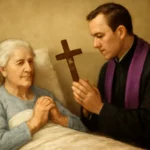
The Sacrament of Penance, also known as confession or reconciliation, is a central institution in Catholic life. Through this sacrament, a baptized Catholic receives absolution from a priest for sins confessed with genuine contrition and the intention to amend. The rite expresses the Church’s mission to accompany sinners on the journey toward mercy and renewed communion with God.
While the Sacrament of Penance has a liturgical form and necessary elements, many Catholics also find value in private prayer and communal prayers for forgiveness. These prayers can prepare the heart for confession, accompany someone before and after the sacramental act, and reinforce the ongoing practice of conversion that the Christian life calls for.
It is important to recognize that forgiveness in Catholicism is not simply forgetting the past; it is the healing of a broken relationship with God, strengthened by grace, and expressed in concrete acts of reform, charity, and living in line with Gospel values.
Below is a curated set of prayers commonly used by Catholics to seek forgiveness, to invoke mercy, and to strive for reconciliation. Each prayer has its own history, emphasis, and practical use in personal devotion, family prayer, parish liturgy, or private contemplation.
1. The Act of Contrition
The Act of Contrition is a classic personal prayer that expresses sincere sorrow for sins and the resolve to reform. There are several accepted forms in Catholic practice; two widely used versions are presented here.
Traditional form (longer version):
O my God, I am heartily sorry for having offended Thee, and I detest all my sins, because of Thy just

 Por Laura Jara