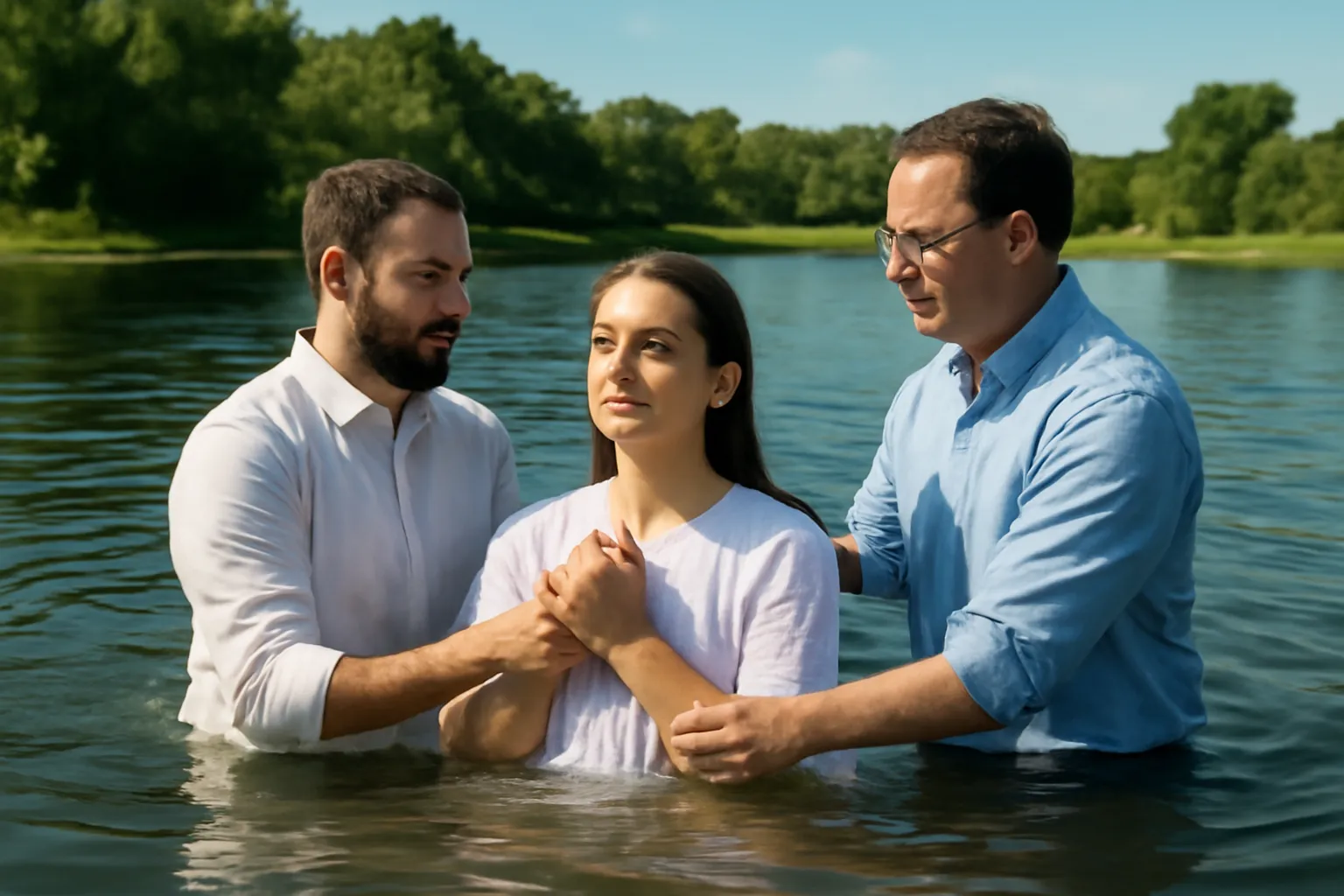
Outdoor baptism is a powerful and memorable experience that can bless a community when prepared with care and intentional planning. This guide offers a comprehensive, step-by-step approach to outdoor baptism planning, covering vision, logistics, safety, and worship elements. Whether you are organizing an open-air baptism at a lake, river, ocean, or garden pool, the following sections provide practical advice, checklists, and considerations to help you execute a meaningful ceremony with clarity and confidence.
Before you choose a date or location, ground your planning in a clear vision. A well-defined purpose helps keep decisions aligned with heart and theology, and it informs every other step in the process. In this initial stage, you’ll also assemble a team that can execute outdoor baptism planning with competence and compassion.
Clarify purpose and scope
Ask: What is the purpose of this baptism in the outdoor setting? Is it a public proclamation, a pastoral milestone, or a celebration of faith for a specific family or community?
Define the style: immersion, pouring, or sprinkling; private or public; congregational or family-centered.
Consider theology and teaching: how will the service reflect core beliefs while honoring the outdoor venue?
Identify the size of the gathering: how many participants, guests, and volunteers will be involved?
Choose a lead organizer who can coordinate timelines, permissions, and communications.
Designate a safety lead responsible for risk assessment, lifeguarding, medical readiness, and emergency planning.
Assign a worship coordinator to plan the liturgy, music, and readings in the outdoor context.
Recruit volunteers for roles such as readers, hospitality, photography, and crowd management.
Establish a small, trusted team for logistics and equipment (sound, seating, water access, and shelter).
Communicate early and align expectations
Share the vision with church leadership, families involved, and any hosting organization.
Outline responsibilities, timelines, and decision-making processes to prevent confusion later.
Draft a basic schedule and a transparent plan for contingencies (weather delays, water conditions, or accessibility concerns).
Step 2 — Time, place, and environment
The choice of venue and timing is central to the success of outdoor baptism planning. This step focuses on selecting a location that supports safety, reverence, accessibility, and practicality, along with a schedule that respects worship rhythms and guest comfort.
Location considerations
Water source and accessibility: Is the water appropriate for baptism (depth, temperature, cleanliness), and is it accessible for the baptism participants?
Permissions and permissions: Do you need permission from landowners, park authorities, or facility managers? What forms or waivers are required?
Privacy and modesty: Will there be adequate screening or discreet areas to respect participants’ comfort?
Accessibility: Is the site accessible for elderly or disabled participants and volunteers? Are paths, restrooms, and parking sufficient?
Facilities: Availability of changing areas, restrooms, shelter, and handwashing stations.
Acoustics and amplification: Will there be a PA system or speakers to aid worship and announcements without disturbing wildlife or neighbors?
Parking and crowd flow: Can guests move safely in and out, especially with children or mobility devices?
Timing and weather matchmaking
Choose a date and time that maximize predictable weather patterns for the season and the local climate.
Establish a weather contingency plan with alternative times or indoor backup options if the outdoor venue becomes unusable.
Consider seasonal factors such as heat, cold, wind, or storms, and plan for shade, hydration, and shelter as needed.
Coordinate with the hosting location regarding seasonal restrictions (e.g., salt water exposure, algae advisories, or water quality alerts).
Step 3 — Permits, water use, and legal considerations
Outdoor baptisms intersect with legal, environmental, and safety frameworks. Proactive attention to these areas reduces risk and ensures a respectful, compliant ceremony that honors the setting and participants.
Permits and permissions
Secure necessary permits or written permissions from landowners, parks departments, or water authorities.
Clarify whether the event is a private ceremony or a public gathering, and ensure signage reflects any applicable rules.
Establish a process for ongoing approvals if the event spans multiple days or requires setup and teardown on site.
Water use and environmental considerations
Respect local environmental guidelines regarding water quality and contamination, especially in natural bodies of water.
Ensure that all activities avoid disturbing wildlife, erosion-prone banks, or fragile ecosystems.
Plan for waste management—trash containment, water bottle disposal, and any food wrappers—so the site remains clean after the ceremony.
Insurance and risk management
Consult your church or organization’s insurance policy to confirm coverage for outdoor events, including water-related activities.
Document a formal risk assessment that identifies potential hazards (slippery surfaces, water depth, crowds) and corresponding mitigations.
Prepare waivers or consent forms for participants where appropriate, especially for minors or guests who may be volunteering in activities near water.
Step 4 — Safety planning and risk assessment
Safety is a cornerstone of successful outdoor baptism planning. A thorough risk assessment, clear roles, and practiced procedures will help protect participants and observers while preserving the solemnity of the moment.
Water safety and supervision
Determine whether baptisms will be conducted in shallow areas or deeper locations and ensure trained observers are present.
Assign a dedicated water watcher for the baptism act, with a clear line of sight to the officiant and participants.
Assess the need for flotation devices, safety rope or line management, and a plan for assisting anyone who falters in the water.
Medical readiness and first aid
Have a basic first aid kit on site, including bandages, antiseptics, gloves, a thermal blanket, and a phone for emergencies.
Identify the nearest medical facility and prepare emergency contact information for coordinators and church leadership.
Know if any participants have allergies, medical conditions, or mobility concerns that require accommodations during the ceremony.
Emergency procedures and communication
Develop an emergency action plan with step-by-step instructions for weather events, injury, or a need to pause or relocate the service.
Establish a communication protocol: who informs the crowd, how to alert volunteers, and how to coordinate with local authorities if necessary.
Run a brief safety briefing before the ceremony to ensure all volunteers know their roles and responses.
Step 5 — Equipment, logistics, and setup
Outdoor settings demand careful attention to equipment and logistical details that can dramatically affect the ceremony’s flow and comfort. A well-planned logistics map helps volunteers execute smoothly and keeps the focus on the sacred moment.
Equipment essentials
Water access gear: portable steps or a stable platform, non-slip mats, a towel station, a bucket or container for immersion if needed, and a backup water source.
Sound and communication: portable speaker(s), wired or wireless microphones for officiant and readers, and a sound technician or capable volunteer.
Protection from elements: pop-up canopies, shade sails, sunscreen, insect repellent, and warm blankets for participants between segments.
Seating and circulation: folding chairs for guests, a clear pathway to the baptism area, and audience-friendly viewing zones while preserving modesty.
Sanitation and hospitality: handwashing or sanitizing stations, hydrations stations, and a wayfinding sign to restrooms or changing areas.
Site layout and staging
Create a simple map showing the baptism location, seating, entry and exit routes, and emergency access points.
Position the officiant and baptismal area to maintain a sense of reverence, while ensuring clear sightlines for the congregation.
Prepare a small buffer zone around the water for privacy and to avoid crowding during the moment of immersion or blessing.
Step 6 — Worship plan and baptism protocol
An outdoor ceremony requires adapting the worship order to the environment. The plan should honor the sacred act of baptism while leveraging the unique atmosphere of the outdoors—natural light, sounds of wind and water, and the shared experience of the community.
Opening, call to worship, or invocation that grounds participants in the setting and purpose.
Scripture reading or a short reflection that connects faith and nature.
Musical elements: hymns, psalms, or modern worship songs that suit an outdoor acoustical environment.
The baptism moment: who administers the baptism (pastor, elder, or designated church leader) and how the baptism will take place (immersion, pouring, or sprinkling).
Closing benediction and post-ceremony guidance for participants and guests.
Liturgical details
Prepare a succinct, respectful script for the baptism moment, with prompts for readings or prayers if included.
Coordinate song selections to avoid overpowering natural soundscapes while ensuring congregational participation.
Plan for a brief reflection or testimony from the baptismal candidate or family, if appropriate, while preserving decorum and safety.
Step 7 — Participants, preparation, and comfort
Outdoor settings introduce unique considerations for participants, including dress, timing, and access to changing areas. Thoughtful preparation helps candidates feel secure and dignified throughout the ceremony.
Preparation for baptismal candidates
Provide clear instructions on what to wear, what to bring, and how to prepare the body for immersion or blessing.
Offer a private changing area or a discreet space where participants can prepare before and after the baptism.
Schedule a rehearsal that allows the candidate to acclimate to the water, steps, and sequence of the service if possible.
Attire and modesty considerations
Recommend modest, practical attire suitable for water immersion and outdoor conditions.
Provide options such as robes, towels, or changing cover-ups to help participants feel comfortable.
Respect cultural or denominational norms regarding modesty and visibility of the baptismal moment.
Guest experience and accessibility
Ensure seating with a clear view for all attendees and consider accessibility needs for elderly or disabled guests.
Communicate accessibility details in advance and provide assistance as needed on the day.
Offer good-flow signage and ushers to guide guests to restrooms, water stations, and viewing areas.
Step 8 — Rehearsal, run of show, and coordination
A successful outdoor baptism rarely happens by accident. A well-timed run-through helps everyone understand their role, reduces nerves, and prevents miscommunication on the day of the ceremony.
Rehearsal best practices
Schedule a concise rehearsal with all key participants including the officiant, water watcher, musicians, and readers.
Walk through the sequence multiple times, focusing on timing, cues, and safety handoffs at the water’s edge.
Test equipment: microphone levels, sound checks, and any visual aids to be used during the ceremony.
Run of show for the day
Draft a minute-by-minute timeline that includes setup, welcome, readings, the baptism moment, and post-ceremony activities.
Share the schedule with all volunteers and teams, with contact details for immediate coordination if adjustments are needed.
Assign a flow coordinator to manage transitions, keep the congregation informed, and maintain a calm pace.
Step 9 — Prayer, reflection, and post-ceremony considerations
After the moment of baptism, the outdoor gathering can transition into times of prayer, testimony, or fellowship. Thoughtful post-ceremony planning helps participants carry the spiritual significance into the days ahead.
Offer a short prayer or reflection that acknowledges the commitment being made and the community’s ongoing support.
Provide a moment for personal or corporate blessing, ensuring the pace remains respectful and unhurried.
Post-ceremony hospitality and outreach
Plan a simple reception or refreshments area that minimizes environmental impact and provides a place for attendees to connect.
Communicate practical next steps for baptismal candidates, such as baptismal certificates, membership considerations, or follow-up meetings.
Share a brief summary of the day with the church or hosting community, including photos or a devotional reflection if appropriate.
Step 10 — Privacy, humility, and community ethics
Outdoor baptisms involve public elements, but care must be taken to protect participants’ privacy, dignity, and consent. Ethical considerations help preserve trust and ensure the experience remains sacred and welcoming.
Offer opt-in details for photography and video—clearly communicating how media will be used and who will have access.
Provide options for participants who prefer a more private moment or a less crowded viewing area while still allowing the congregation to share in the blessing.
Ensure signage or announcements emphasize mutual respect for personal boundaries and consent in all interactions around the water.
Foster a welcoming atmosphere for families, friends, and visitors who may be attending outdoors for the first time.
Be mindful of cultural sensitivities and diverse backgrounds, offering clear explanations of symbols, rituals, and logistics as needed.
Provide accessibility accommodations and language support where appropriate to ensure everyone can participate meaningfully.
Step 11 — Follow-up, evaluation, and long-term impact
After the outdoor baptism event, a thoughtful debrief helps improve future outdoor baptism planning and strengthens the community that gathered around the water.
Debrief and learning
Collect feedback from participants, volunteers, and hosts about what went well and what could be improved.
Assess safety outcomes, timing, and coordination to refine your risk management plan for future events.
Document lessons learned and adjust checklists, roles, and communications accordingly.
Documentation and celebration
Archive photos and reflections with sensitivity to consent and privacy preferences.
Share a closing devotional or summary that highlights growth, community, and future opportunities for baptism and discipleship.
Plan follow-up pastoral care or baptismal education for new believers or families journeying through faith milestones.
Common variations and considerations for different outdoor settings
Outdoor baptism planning is not one-size-fits-all. Depending on the setting—riverside, lakeside, seaside, garden ponds, or outdoor baptismal pools—the plan should adapt while preserving the core elements of reverence, safety, and communal involvement. Below are some practical variations and considerations for diverse contexts.
Riverside and lakefront baptisms
Natural settings offer striking beauty but may introduce stronger currents, uneven banks, and wildlife considerations. Prioritize stability and supervision near the water.
Wind and sun exposure can be significant. Use canopies or shaded areas, and plan for hydration breaks and sun protection.
Access may involve parking on uneven terrain; provide clear directions and assistive volunteers to guide guests safely.
Seaside or oceanfront baptisms
Saltwater immersion may feel different physically and spiritually for participants. Include clear guidance about the process and expectations.
Temperature and waves can impact safety. Choose sheltered coves or protected zones and have a contingency plan for rough conditions.
Salt air and sun exposure—prepare for environmental wear on equipment and provide protective coverings for electronics and sound gear.
Garden or poolside outdoor baptisms
Pools and ponds within church grounds are often easier to control but still require privacy considerations and modesty screens.
Ensure filtration and water quality are appropriate for immersion or blessing, and plan for water access with non-slip surfaces.
Poolside settings can be ideal for private or small gatherings with intimate family participation.
Key phrases to guide your planning and communication
Throughout the process, certain terms can help you articulate the plan clearly to volunteers, participants, and stakeholders. Consider emphasizing:
Open-air baptism planning nuances and safe execution
Water access and safety protocols
Permits and permissions to prevent delays
Accessibility considerations for all participants
Weather contingency and adaptability
By focusing on these areas, you can maintain a consistent, compassionate approach to outdoor baptism planning that honors both the spiritual significance of the moment and the practical realities of an outdoor environment.
Final thoughts for a thoughtful outdoor baptism experience
Executing a successful outdoor baptism requires more than logistical competence; it demands sensitivity, hospitality, and a catechetical emphasis on the meaning of baptism within the faith community. From assembling a capable planning team to honoring privacy and ensuring safety, each step builds toward a moment that can inspire and strengthen faith for years to come.
As you embark on outdoor baptism planning, remember to stay flexible, communicate openly, and center the participants’ dignity and spiritual nourishment. The outdoor setting, with its beauty and its unpredictability, can become a profound backdrop for a life-changing step of faith, inviting a broader circle of witnesses to celebrate a sacred vow and a public declaration of belief.

 Por Laura Jara