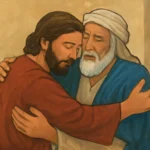
Forgiveness stands at the heart of biblical teaching, woven through both the Old and New Testaments as a dynamic force that heals relationships, restores communities, and points people toward God’s mercy and grace. In Scripture, forgiveness is not merely a feeling or a one-time event; it is a deliberate choice, a ongoing practice, and a reflection of the character of God. From the rhythms of prayer and confession to parables about mercy and reconciliation, the Bible invites readers to see forgiveness as a transformative path—for personal healing, for communal harmony, and for a renewed relationship with the divine.
This article surveys a spectrum of biblical passages about forgiveness, highlighting key verses, unpacking their meaning, and offering practical guidance for living out forgiveness in daily life. You will encounter variations of the same theme across different books and genres—narratives, poetry, epistles, and prophetic writing—that together form a coherent biblical vision: forgiveness flows from God, is extended to others, and gradually reshapes the heart and habits of the forgiven.
Below are selected passages that illuminate central aspects of forgiveness in Scripture. Each entry includes a concise note on the context and the main point conveyed, followed by a brief reflection to help readers grasp its voice and application.
Matthew 6:14-15 — Forgiveness as a Condition of Divine Forgiveness
“For if ye forgive men their trespasses, your heavenly Father will also forgive you: But if ye forgive not men their trespasses, neither will your Father forgive your trespasses.” (KJV)
In the Lord’s Prayer section, this pair of verses anchors human conduct in light of divine mercy. The message is clear: forgiveness given to others is the channel through which believers access God’s forgiveness. The verse invites a posture of generosity toward the faults of others, recognizing that the Christian life is lived in the tension between being forgiven and choosing to forgive.
Reflection questions:
What bitterness or grievance am I holding that may hinder my own experience of God’s mercy?
How can I extend forgiveness today in a way that mirrors Christ’s attitude toward me?
Matthew 18:21-35 — The Parable of the Unforgiving Servant
“Then came Peter to him, and said, Lord, how oft shall my brother sin against me, and I forgive him? till seven times?” Jesus saith unto him, “I say not unto thee, Until seven times: but, Until seventy times seven.” (KJV)
This parable emphasizes that forgiveness is expansive and ongoing, not limited by a fixed number. The king’s mercy to the servant who owed an immense debt mirrors the divine mercy offered to humanity, while the servant’s subsequent refusal to forgive a much smaller debt demonstrates the danger of a postured heart that withholds mercy after receiving it. The core lesson is that forgiveness received should overflow into forgiveness given, shaping how one treats others who sin against them.
Takeaway prompts:
In what situations do I struggle to forgive others—even after I have sought forgiveness from God?
How can I embody gracious mercy in practical acts of reconciliation today?
Luke 7:47-48 — Forgiveness as a Demonstration of Love and Gratitude
“Wherefore I say unto thee, Her sins, which are many, are forgiven; for she loved much: but to whom little is forgiven, the same loveth little.” And he said unto her, “Thy sins are forgiven.” (KJV)
In this scene, the woman’s extravagant love for Jesus is linked to the magnitude of forgiveness granted. The passage underscores that the experience of forgiveness, when recognized and embraced, awakens a life of gratitude and devotion. Forgiveness is not only a legal declaration but a transformative encounter that reshapes affection, loyalty, and worship.
Discussion prompts:
How does recognizing God’s forgiveness reshape my worship and daily choices?
What steps can I take to respond to forgiveness with renewed love and service to others?
Luke 17:3-4 — A Practical Guide to Forgiveness in Community Life
“Take heed to yourselves: If thy brother trespass against thee, rebuke him; and if he repent, forgive him. And if he trespass against thee seven times in a day, and seven times in a day turn again to thee, saying, I repent; thou shalt forgive him.” (KJV)
This teaching emphasizes a continuous rhythm of caution, accountability, repentance, and forgiveness within community life. It signals that forgiveness is not a one-off act but a repeated gracious response to genuine repentance. The instruction to forgive “seven times in a day” illustrates the limitless quality of mercy Jesus commends when hearts remain open to reconciliation.
Reflection questions:
Am I quick to withhold forgiveness when repentance is offered?
What boundaries or safeguards can accompany forgiveness to protect both parties and the community?
Luke 23:34 and Parallel Accounts — Jesus’s Example of Forgiving from the Cross
“Then said Jesus, Father, forgive them; for they know not what they do.” (Luke 23:34, KJV)
Beyond the public pronouncements of forgiveness, Jesus models a radical compassion in the face of hatred and violence. The cruciform forgiveness displayed here is not a sentimental sentiment but a costly, active mercy that continues to invite humanity into healing and reconciliation. This instance is often cited as the supreme demonstration of divine forgiveness embodied in human history.
Key takeaways:
Forgiveness can be extended even when hurt runs deep and harm has been caused.
The motive behind such mercy is love for enemies and trust in God’s ultimate justice and mercy.
Psalm 103:12 — The Depth of Divine Forgiveness
“As far as the east is from the west, so far hath he removed our transgressions from us.” (KJV)
This verse poetically depicts the distance God places between sins and the forgiven person. It communicates both a reality of forgiveness and a reassurance of restoration. The imagery invites readers to rest in the liberating truth that once God extends forgiveness, the record is decisively and completely separated from the one who trusts in Him.
Reflection prompts:
How does visualizing distance help you receive God’s forgiveness without lingering guilt?
In what ways can you reflect that far-reaching mercy toward others who have wronged you?
Isaiah 1:18 — The Invitation to Abundant Mercy
“Come now, and let us reason together, saith the LORD: though your sins be as scarlet, they shall be as white as snow; though they be red like crimson, they shall be as wool.” (KJV)
This prophetic invitation frames forgiveness as a divine transformation that redefines identity and moral standing. The emphasis is not merely on pardon but on renewal—a turning from guilt toward a new life marked by purity and restored relationship with the Creator.
Guiding questions:
What false narratives about yourself must you let go of in light of God’s offer to make you clean?
How can you live as someone who has been transformed by forgiveness into a person of integrity and hope?
1 John 1:9 — Confession, Cleansing, and Ongoing Fellowship
“If we confess our sins, he is faithful and just to forgive us our sins, and to cleanse us from all unrighteousness.” (KJV)
Forgiveness begins with personal confession and the assurance that God remains faithful to cleanse and restore. This passage highlights the ongoing nature of forgiveness in the believer’s life, stressing that forgiveness is not a single event but a continuing renewal that sustains intimate fellowship with God and with others.
Practical note:
Regular confession and repentance help maintain a healthy rhythm of forgiveness in daily life and relationships.
Concrete acts of moral renewal often follow a well-formed posture of humility before God.
Ephesians 4:32 — Forgiveness as Kindness and Compassion
“And be ye kind one to another, tenderhearted, forgiving one another, even as God for Christ’s sake hath forgiven you.” (KJV)
This epistle links ethical behavior with theological grounding: forgiveness is woven into the fabric of daily interpersonal conduct. The invitation is to imitate the generous mercy God has already shown, extending that mercy across all kinds of relationships.
Reflection prompts:
What practical acts of kindness can you offer to someone who has wronged you?
How does recognizing God’s mercy toward you empower your willingness to forgive others?
Colossians 3:13 — Bearing With One Another in Love
“Forbearing one another, and forgiving one another, if any man have a quarrel against any: even as Christ forgave you, so also do ye.” (KJV)
Forgiveness here is framed as a communal virtue grounded in Christ’s own example. It acknowledges conflict within a community and presents forgiveness as a forgiving posture that binds people together in love, patience, and mutual care.
Discussion points:
What conflicts in your circle need a posture of forgiveness to heal?
How can you model Christ-like mercy even when reconciliation feels difficult?
Mark 11:25 — Prayer, Reconciliation, and the Call to Forgive
“And when ye stand praying, forgive, if ye have ought against any: that your Father also which is in heaven may forgive you your trespasses.” (KJV)
In the context of prayer, forgiveness becomes a practical prerequisite for intimate communion with God. The verse positions forgiveness as a condition for receiving divine forgiveness, linking worship, vulnerability, and mercy into a single ongoing practice.
Questions to ponder:
Are there offenses you have carried into your times of prayer that need release?
How can you cultivate a prayerful life that accompanies forgiveness with trust in God’s justice and mercy?
“Who is a God like unto thee, that pardoneth iniquity, and passeth by the transgression of the remnant of his heritage? he findeth not his anger forever, because he delighteth in mercy. He will turn again, he will have compassion upon us; he will subdue our iniquities; and thou wilt cast all their sins into the depths of the sea.” (KJV)
These verses celebrate the heart of God as a merciful and forgiving ruler who chooses mercy over judgment. The imagery of casting sins into the depths of the sea communicates the comprehensive nature of divine forgiveness and restoration.
Discipleship insight:
Forgiveness begins with the conviction that God’s mercy is greater than human failure.
Believers are invited to model this mercy in their communities, letting go of lingering grudges and choosing reconciliation.
Hebrews 8:12 — The Promise of Complete Forgiveness Through a New Covenant
“For I will be merciful to their unrighteousness, and their sins and their iniquities will I remember no more.” (KJV)
This verse frames forgiveness within the renewal of the covenant community. It emphasizes divine forgetfulness of sins for those who trust in God, a promise that fuels the believer’s assurance and motivates generous, forgiving living toward others.
Guidance note:
Let this promise quiet your conscience and empower you to engage forgiveness as a gift you’ve received and a gift you can extend.
Meaning: Key Themes and Theological Threads
Across these passages, several core themes about forgiveness emerge. First, forgiveness is rooted in God’s character. It is described as an act of mercy that God extends to humans, a mercy that believers are invited to imitate and propagate in their relationships. Second, forgiveness is both forensic and relational: legally, God declares sinners righteous through Christ, and relationally, forgiveness reshapes how people live with one another. Third, forgiveness is costly and transformative; it often requires humility, courage, and a willingness to release resentment for the purpose of healing and reconciliation. Finally, forgiveness is communal; it is a discipline practiced within families, churches, and broader communities that fosters trust, justice, and peace.
Important dynamics to notice:
Divine forgiveness and human forgiveness are deeply connected. As recipients of divine mercy, believers are empowered to extend mercy to others.
Repentance and forgiveness often go hand in hand. When repentance is genuine, forgiveness is affirmed, and relationship is restored where possible and safe.
Sin and grace are understood in tension: forgiveness does not negate accountability, but it invites a renewed life empowered by grace.
Memory and forgetting in biblical forgiveness are nuanced. God remembers sins no more in Christ, not to minimize accountability, but to remove the burden of guilt for those who trust in Him.
The breadth of forgiveness language in the Bible also includes the idea of restoration (bringing a person back into healthy relationship with God and neighbor) and reconciliation (the renewed relationship between parties). Some passages emphasize the moral and ethical dimension of forgiveness—how we treat one another with mercy—while others emphasize the salvific dimension—how God acts to heal the broken relationship between humanity and Him.
In exploring these themes, readers may notice different tones: some verses invite awe and gratitude for God’s lavish mercy; others challenge readers to be persistent in mercy, even when forgiveness is hard. Yet throughout, the message remains consistent: forgiveness is a defining mark of faith, a tangible expression of trust in God, and a pathway to genuine living in community.
Practical takeaway: when the Bible speaks of forgiveness, it is often inviting a holistic response—confession to God, repair where possible, and a compassionate posture toward others. This integrated approach fosters inner peace and outward harmony, creating a more just and humane community that reflects the heart of the Creator.
Guidance for Practicing Forgiveness in Daily Life
The biblical vision of forgiveness has concrete implications for how people live in homes, churches, workplaces, and public life. Below is a practical framework drawn from the passages above, designed to help individuals and communities embody forgiveness in everyday circumstances.
Pray for the grace to forgive. Prayer aligns the heart with God’s mercy and strengthens resolve to release offenses rather than nurse bitterness. Regular prayer helps maintain the humility needed to endure difficult forgiveness moments.
Trust in God’s timing and justice. While you release a hurt, believe that God will rightly address wrongs in His perfect wisdom. This trust reduces the need to control outcomes and opens space for healing.
Confess and seek reconciliation where possible. If the relationship can be restored, take steps toward reconciliation with honesty, repentance, and mutual accountability, while preserving healthy boundaries where necessary.
Set healthy boundaries. Forgiveness does not always require exposure to repeated harm. Practice wise boundaries to protect yourself and others while preserving a forgiving spirit.
Practice mercy in small things. Forgiveness grows through small, daily choices—overlooking minor slights, offering a kind word, or choosing to de-escalate tensions before they escalate.
Seek to understand before judging. A compassionate posture seeks the underlying hurt and the perspective of the other person, which often paves the way for true healing.
Make forgiveness a communal discipline. Encourage accountability partners, small groups, or mentors who can help sustain a culture of mercy, confession, and restoration within a community.
In family life, forgiveness can be a daily practice: parents forgiving children, siblings choosing mercy after conflicts, spouses renewing trust after mistakes. In workplaces and schools, forgiveness reduces cycles of retaliation and fosters environments where people can take risks, learn, and grow. In churches and faith communities, forgiveness anchors mission, facilitates healing from betrayal, and preserves unity in the face of disagreement.
Practical tools to cultivate forgiveness:
Memorize a short forgiveness verse, such as Matthew 6:14-15 or Colossians 3:13, to recall in moments of tension.
Keep a forgiveness journal where you record offenses, your response, and the moment you release them—alongside notes about reconciliation if it occurs.
Seek pastoral or counselor guidance when a fault or grievance feels overwhelming or destructive.
Engage in acts of mercy—practical help to someone who has harmed you—as a way to embody forgiveness in action.
Common Questions and Clarifications
Is forgiveness conditional on repentance?
In many biblical passages, forgiveness is linked to repentance and humility (for example, Luke 17:3-4 and Matthew 18:21-35). However, God’s forgiveness toward humanity is ultimately grounded in His grace through Christ. Human-to-human forgiveness often depends on the willingness of the offender to repent, though a forgiving person can still grant emotional or relational release even when repentance is uncertain or incomplete.
Can I forgive someone without trusting them again?
Yes. Forgiveness can be offered without immediate restoration of trust. In many contexts, safe boundaries and accountability may be necessary, but the heart posture of mercy and release can still be present, allowing healing to begin and paving the way for future reconciliation if conditions permit.
Is forgiveness the same as reconciliation?
Not always. Forgiveness is a personal, internal or interpersonal decision to release resentment; reconciliation is a mutual process that may require time, healing, and changes in behavior. Reconciliation may be possible, but it should never require someone to re-enter an unsafe or abusive situation. The aim is restoration, but safety and integrity must come first.
What does it mean that God forgives “as far as the east is from the west”?
That image communicates the completeness and finality of divine forgiveness. When God forgives, the record is removed in a way that does not persist in guilt or condemnation for those who trust in Him. This promises inner peace and a fresh start, grounded in God’s mercy.
How should forgiveness affect justice and accountability?
Biblical forgiveness affirms both mercy and justice. The offended party may pursue accountability and restoration, while the one who offended may receive mercy. Healthy forgiveness preserves truth and integrity while dispelling bitterness and the desire for vengeance. It is a balance that honors God and seeks the well-being of all involved.
Conclusion: A Lifelong Journey of Mercy and Restoration
Across the breadth of Scripture, forgiveness emerges as a compelling invitation to live differently—less resentful, more hopeful, and increasingly conformed to the character of Christ. It begins with recognizing one’s own need for mercy, continues with receiving God’s forgiveness through faith, and flows outward in loving action toward others. The biblical record shows forgiveness as both a divine gift and a human responsibility—one that requires courage, humility, and a persevering commitment to truth and grace.
Whether you are reflecting on a personal wound, seeking to mend broken relationships, or teaching others about the Christian path, the Bible offers rich and varied guidance on forgiveness. It is not merely a distant doctrine but a practical, daily practice that can transform hearts, mend communities, and illuminate the way toward reconciliation with God and neighbor.
If you are exploring forgiveness for the first time, or you are renewing your resolve to live as a merciful person, consider starting with one of the key verses above. Let the words sink in, let God’s mercy encounter your heart, and let that mercy flow into your life as a generous gift to others.

 Por Laura Jara