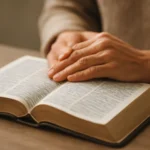
In a world that constantly moves, the Bible offers a generous invitation to rest that goes beyond physical downtime. It speaks to a deep, enduring peace that soothes the soul, steadies the heart, and steadies the mind in the midst of life’s storms. Bible quotes about rest are not merely poetic lines; they are practical anchors—promises to cling to, meditations to repeat, and channels through which the divine life can flow into everyday experience. This article explores the theme of rest in Scripture and how it can become a practical, accessible practice—an ongoing rhythm of peace that nourishes faith, resilience, and hope. We’ll survey key verses, variations in language, and concrete steps for making peaceful rest a normal part of daily living.
Foundational Verses That Speak of Rest
Across generations and linguistic translations, certain scriptural lines recur with clarifying force. They frame rest not as mere absence of activity, but as a trusting posture before God. Here are some core passages often cited for guidance on rest and peace, along with concise paraphrases to help you internalize their meaning.
Matthew 11:28 — “Come unto me, all ye that labour and are heavy laden, and I will give you rest.” This is a clarion call to transfer weariness to a trustworthy source. The emphasis is on relief that arises from surrender and relationship, not simply from a momentary lull.
Psalm 23:2-3 — “He maketh me to lie down in green pastures: he leadeth me beside still waters. He restoreth my soul.” Here, rest is portrayed as a divinely guided restfulness that renews the soul through gentle provision.
Psalm 46:10 — “Be still, and know that I am God.” The call to stillness is a path to trust and intimate knowledge of the divine presence.
Psalm 4:8 — “I will both lay me down in peace, and sleep: for thou, LORD, only makest me dwell in safety.” Peace and security converge as a daily blessing when God is trusted.
Isaiah 40:29-31 — “He giveth power to the faint; and to them that have no might he increaseth strength. Even the youths shall faint and be weary… but they that wait upon the LORD shall renew their strength.” A powerful reminder that rest is tied to reliance and divine timing.
Psalm 55:22 — “Cast thy burden upon the LORD, and he shall sustain thee.” Rest includes releasing burdens into the care of a trustworthy God.
Isaiah 26:3 — “Thou wilt keep him in perfect peace, whose mind is stayed on thee, because he trusteth in thee.” Peace is linked to steady focus and deep trust.
John 14:27 — “My peace I give unto you: not as the world giveth, give I unto you. Let not your heart be troubled, neither let it be afraid.” A distinct promise of peace that defies circumstance.
Psalm 37:7 — “Rest in the LORD, and wait patiently for him.” Rest is paired with patience and confidence in God’s timing.
These verses represent a spectrum: some invite immediate relaxation, others invite patient trust, and a few emphasize stillness as a gateway to knowledge of God. When you repeatedly encounter these lines, they begin to form a habit of peace that can weather anxiety, fear, and fatigue.
Translations differ in phrasing, but the underlying invitation remains consistent: rest as a relational, contingent, and hopeful response to God. Throughout this article, you may notice phrases like rest for the weary, soul rest, quiet rest, and peaceful rest. Each variation helps us approach the same divine source from different angles—spiritual, emotional, and practical.
Rest for the Soul: The Spiritual Core of Peace
When Scripture speaks of rest for the soul, it points beyond physical fatigue to the inner life. Rest for the soul is not the absence of trouble; it is the presence of God amid trouble. It is a secure anchor in uncertain times and a deep inner settlement that can outlast external circumstances.
Be still and know
moments of stillness are not passivity; they are intentional pauses that open space for divine discernment. Scripture invites us to cultivate quiet attention as a spiritual discipline—an act of trust that God’s perspective matters more than our hurried plans.
Peace as a steady state
In a culture that equates peace with the absence of conflict, the biblical vision reframes peace as a steady state of trust in God. Even when life roars, the soul can rest in the reality that God is present, faithful, and able to sustain what is weary.
Psalm 4:8 describes a nightly rhythm of peace followed by rest. The verse links contentment with safety and the capacity to sleep with divine protection.
Isaiah 40:31 speaks to renewed strength for those who wait on the Lord, turning expectancy into energy for daily life.
John 14:27 foregrounds an intimate, experiential peace that is given by Christ and sourced in a relationship rather than external circumstances.
Rest for the Body: Peace that Enters Daily Life
Rest is not only a spiritual posture; it also includes the physical and practical rhythms of life. When the body is cared for, the mind and spirit can more readily rest. Scripture recognizes the interplay between rest, health, and daily conduct.
The Bible celebrates rest as a divine gift and a regular habit, not as a luxury. Incorporating intentional pauses, Sabbath rhythms, and regular times of physical recovery can transform how you engage work, family, and service. Restored energy becomes the fuel for compassionate action and creative productivity.
Prayer as physical rest
Many people find that prayer and contemplation calm the body’s stress responses, leading to better sleep, steadier breathing, and a calmer heart rate. The practice of turning outward to God often turns inward toward tranquility.
Psalm 23:2 anchors the body’s rest in divine guidance—leading to nourishment and refreshment even in the presence of life’s enemies or demands.
Psalm 127:2 reminds us that when we work, we should trust that God grants sleep as a gift—a reminder that rest is a rightful pace, not laziness.
Practical Paths to Rest: How to Live Out the Promise
Restworthy scripture becomes life-giving when it is translated into daily practice. Here are practical paths to cultivate rest in household routines, personal disciplines, and relationships. Each path includes concrete steps you can begin today.
Daily quiet time
Develop a routine of daily quiet time that centers on scripture, prayer, and listening. Even a brief, focused period can recalibrate your mood, reduce anxiety, and reorient your priorities toward rest and trust.
Keep a journal where you record a verse about rest each day, a short reflection, and an application. Writing out a plan to apply a particular verse can solidify your understanding and create a personal memory of peace.
Mindful stillness
Practice brief moments of stillness during the day—three breaths, a minute of quiet, or a pause before responding to a stressful message. These micro-rests accumulate into a steadier inner peace.
Start with one minute of quiet, gradually increasing as you feel led.
Pair stillness with a simple reminder: “Be still and know that He is God.”
Use a short blessing at the end of your quiet time, such as a verse or a personal prayer of trust.
Sleep and nightly rhythm
Scripture honors the gift of sleep. Create a nighttime routine that signals rest, such as winding down electronics, practicing a brief prayer, and reflecting on blessings from the day. A settled evening posture can improve sleep quality and prepare the heart for the next day’s duties.
Rest in Community and Worship
Rest is not isolated; it is reinforced in community. Worship gatherings, supportive friendships, and responsive service all reinforce a shared peace that can buoy individuals during difficult seasons.
Worship as a rest for the soul
In communal worship, believers echo the biblical invitation to be still before God and to find strength in one another. Singing, lament, and gratitude become a collective practice that unites hearts and reduces isolation in times of stress.
Supportive relationships
Healthy relationships can be a conduit of rest. Friends, mentors, and faith communities can remind you of God’s faithfulness, pray with you, and help you carry burdens that feel too heavy to bear alone.
Psalm 62:1-2 emphasizes rest in God as the best refuge, a shelter from the storms of life.
Hebrews 4:9-11 invites believers into a spiritual Sabbath—a continuing rest in Christ that can be experienced in community and in life lived in trust.
Rest in Times of Trouble: Peace That Endures
When hardship comes—whether personal loss, relational strain, or global turmoil—rest takes on a more urgent shape. Scripture offers strategies for finding peace in adversity, including rediscovering God’s character, releasing control, and practicing faithful endurance.
Release and entrust
Scripture repeatedly teaches the discipline of releasing burdens into God’s care. This act of surrender is not a capitulation; it is a conscious decision to place trust in a Maker who remembers and sustains.
Hope anchored in promises
Rest comes when we anchor our hope in God’s steadfast love and ongoing faithfulness. Even when circumstances change, the unchanging nature of God provides a stable ground for peace.
1 Peter 5:7— “Casting all your care upon him; for he careth for you.” This is a practical invitation to lay down worry and receive care in return.
Philippians 4:6-7— “Be careful for nothing; but in every thing by prayer and supplication with thanksgiving let your requests be made known unto God. And the peace of God, which passeth all understanding, shall keep your hearts and minds through Christ Jesus.”
In practice, you can recenter during stress by reciting a favorite verse, taking a breath, and choosing a response rooted in peace rather than panic. The habit of turning to scripture in trouble creates stability and a living memory of God’s presence.
Overcoming Obstacles to Rest: Common Barriers and How to Move Through Them
Even with compelling biblical invitations, real life can press for busyness, distraction, and distrust. Recognizing common barriers helps you create strategies to overcome them. Below are some frequent obstacles and biblical responses that help you cultivate restful endurance.
Overload from work or worry: Prioritize, delegate, and schedule times of rest; let God’s promises shape your pacing.
Intrusive thoughts that race in the mind: Practice short prayers or phrases (mantras) that redirect attention to God’s presence and care.
Doubt in God’s timing: Remember Isaac’s laughter in the old age of Abraham; trust that God’s timing is often slower and richer than ours.
Distractions from screens and noise: Designate a daily “quiet hour” and create a physical space that invites calm.
Guilt about rest: Reframe rest as spiritual obedience—a necessary rhythm that honors God’s design for body, mind, and soul.
In each obstacle, a biblical approach can recalibrate perspective: turn to a comforting verse, invite a trusted friend into your struggle, and act on a practical step rather than remaining in paralysis. Rest becomes not a retreat from life but a resilient stance within life’s pressures.
Examples of practical reframes
From “I must solve this alone” to “I will cast my cares on the Lord and seek wisdom.”
From “I cannot stop” to “I will pause, breathe, and refocus on God’s possibility.”
From “value past achievements” to “value ongoing peace and trust in God’s leadership.”
Memorizing and Meditating: Deepening the Practice of Rest
Memorization of select verses can anchor your heart in times of stress. Meditation, too, helps you dwell on the truth of God’s character and promises. Here are some practical approaches to making Bible quotes about rest a natural part of daily life.
Choose a core verse that resonates with your current season (for example, Matthew 11:28 or Isaiah 26:3).
Post and repeat the verse on sticky notes in visible places—mirror, kitchen, desk—so you encounter it often.
Morning declutter prayer: a brief prayer that aligns your day with the verse’s truth (e.g., “Help me rest in you today.”).
Evening reflection: end the day recounting one moment of rest you experienced and one way you’ll trust God tomorrow.
As you grow in practice, you may find it helpful to think of rest in categories: soul rest, heart rest, mind rest, and body rest. Each category can be anchored by a verse or a short refrain you repeat during the day, transforming stress into a pathway to peace.
Conclusion: A Life of Restful Peace
“Rest” in biblical terms is not a passive withdrawal from life; it is an active posture of trust, a steadying dependence on God, and a practical discipline that manifests as daily peace. By looking at foundational verses, exploring their variations in language, and translating them into daily habits, you can cultivate a life where peace becomes the default rather than the exception. The Bible invites you to come to Jesus, to lie down in green pastures, to be still, and to trust. It invites you to make rest a habit worthy of endurance—for yourself, for your loved ones, and for the world you inhabit.
As you continue to study these passages, consider building your own personal collection of rest-promoting verses. Add notes about how a particular verse spoke to you in a season of trouble or how it helped you sleep at night. Allow the words to weave themselves into your daily routines—your mornings, your commutes, your evenings, and your quiet moments of reflection. In doing so, rest becomes not only a topic for reflection but a powerful practice—one that renews your strength, steadies your heart, and leads you toward lasting peace.

 Por Laura Jara