Bible Verse Sin Separates Us From God: What the Bible Says
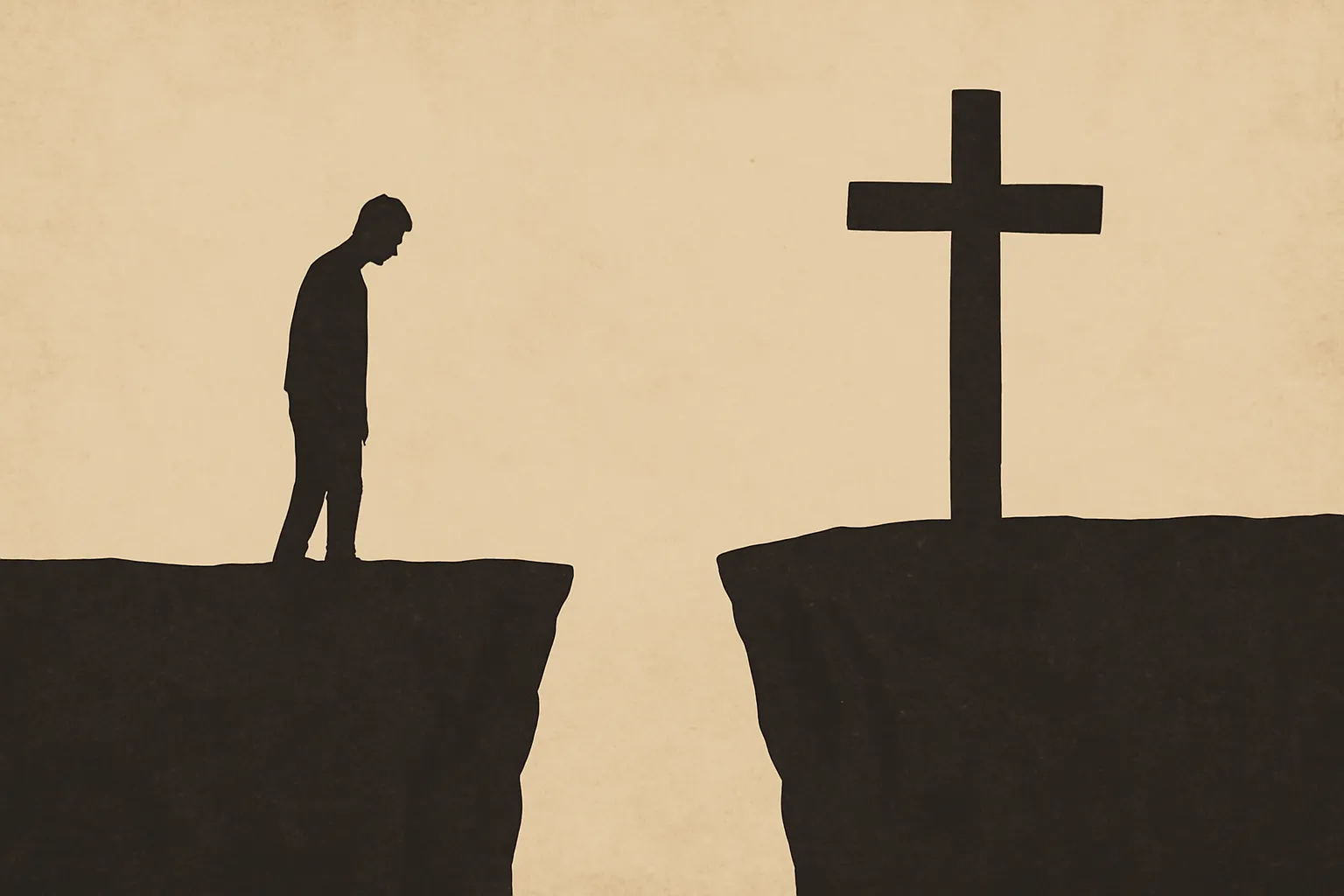
Across both testaments, the Bible speaks with a consistent, sober emphasis: sin creates distance between humanity and God. This is not merely a metaphor for moral error; it is a spiritual reality that affects relationship, worship, and destiny. In this article, we explore how the Bible describes sin separating us from God, how that separation began, how it is cited in key verses, and how the biblical narrative moves toward reconciliation through Christ. The goal is to help readers understand the doctrine clearly, see its implications for faith and practice, and consider how individuals can respond to God’s invitation to restoration.
Old Testament foundations: why sin creates distance
The garden, disobedience, and the first estrangement
The earliest human beings encounter a dramatic break in fellowship after choosing to eat from the tree of the knowledge of good and evil. In the Genesis account, sin separates people from God in a very personal, experiential way. When Adam and Eve disobey, their eyes are opened to their nakedness, and they hide from the presence of the Lord among the trees of the garden. The Lord confronts them with questions that reveal a changed relationship: “Where art thou?” (Genesis 3:9). The moment of sin becomes a moment of spiritual distance, a rupture in intimate communion that had previously characterized human existence in the garden.
Genesis 3:24 demonstrates how God responds to that rupture by removing the way to the tree of life, placing Cherubim with a flaming sword to guard the entry. This imagery is not merely punitive; it indicates that sin has created a barrier between mortals and divine life and that restoration must address the barrier itself. The language of the early chapters of Genesis sets a pattern: sin introduces separation, and God’s plan from the outset involves a way back into fellowship, though it will require a costly path.
Key verses showing separation caused by sin
The Bible contains a spectrum of verses that explain the problem of sin separating us from God in concrete terms, from individual guilt to communal estrangement. Below are some of the most cited passages and how they contribute to the larger narrative of reconciliation.
Romans 3:23 – “For all have sinned, and come short of the glory of God.” This succinct line states the universal problem: every person fails to measure up to God’s standard, creating a gap that needs mercy and rescue.
Isaiah 59:2 – “But your iniquities have separated between you and your God, and your sins have hid his face from you, that he will not hear.” The prophet names separation as a direct consequence of sin, including the sense that sin can impede communication with God.
Romans 6:23 – “For the wages of sin is death; but the gift of God is eternal life through Jesus Christ our Lord.” Human sin not only creates distance but leads toward death—but there is a gift that closes the gap.
Romans 5:10 – “For if, when we were enemies, we were reconciled to God by the death of his Son, much more, being reconciled, we shall be saved by his life.” The status of humanity before God is described as enmity caused by sin; reconciliation is the divine solution.
Ephesians 2:1-3 – “And you hath he quickened, who were dead in trespasses and sins; … among whom also we all had our conversation in times past … fulfilling the desires of the flesh and of the mind; and were by nature the children of wrath.” Here the spiritual condition before Christ is described as a form of spiritual death and alienation.
John 3:18-19 – “He that believeth on him is not condemned: but he that believeth not is condemned already, because he hath not believed in the name of the only begotten Son of God.” The text links unbelief with ongoing separation from God.
Isaiah 1:18 – “Come now, and let us reason together, saith the LORD: though your sins be as scarlet, they shall be as white as snow.” The prophets also point toward a future reality in which sin can be cleansed and fellowship restored.
These verses collectively present a frame: sin disrupts relationship, and the results are not merely emotional or social; they are existential—estrangement from the source of life and light. Yet the Bible continues to tell a story of how distance is bridged, not left unaddressed, by God’s gracious initiative.
The New Testament lens: Christ as the bridge over the divide
If the Old Testament describes sin separating us from God, the New Testament describes how God makes possible reconciliation through Jesus Christ. The central claim is that fellowship with God is restored not by our effort but by God’s own action in Christ. The cross, resurrection, and ongoing work of the Spirit are presented as the means by which the distance created by sin is closed.
Reconciliation and the ministry of Christ
The apostle Paul emphasizes that God was in Christ, reconciling the world to himself. In 2 Corinthians 5:18-19, he writes: “And all things are of God, who hath reconciled us to himself by Jesus Christ, and hath given to us the ministry of reconciliation; To wit, that God was in Christ, reconciling the world unto himself, not imputing their trespasses unto them.” This is the biblical statement that sin is forgiven and the relationship is restored through the work of Christ.
Further, Romans 5:8-10 centers on the mercy demonstrated while we were sinners and enemies: “But God commendeth his love toward us, in that, while we were yet sinners, Christ died for us. … For if, when we were enemies, we were reconciled to God by the death of his Son, much more, being reconciled, we shall be saved by his life.” The sequence is clear: the separation is overcome by sacrificial love, extended to all who believe.
In Colossians 1:19-22, Paul describes the cosmic scope of this reconciliation: “For it pleased the Father that in him should all fullness dwell; And, having made peace through the blood of his cross, by him to reconcile all things unto himself.” The language makes clear that peace has a decisive, historical source in Christ’s atonement, and that a personal response is necessary to receive that peace.
Purification, cleansing, and ongoing renewal
The New Testament also speaks of cleansing from sin and transformation of life as the ongoing result of responding to Christ. 1 John 1:9, for instance, promises that “If we confess our sins, he is faithful and just to forgive us our sins, and to cleanse us from all unrighteousness.” Confession, forgiveness, and cleansing restore what sin had damaged: fellowship with God.
Hebrews highlights the heavenly assurance of approaching God, not through ritual alone but through the sacrifice of Christ: “Let us draw near with a true heart in full assurance of faith, having our hearts sprinkled from an evil conscience, and our bodies washed with pure water.” (Hebrews 10:22). This language signals that reconciliation is a present reality for believers who approach God in faith.
Responding to sin: faith, repentance, and reconciliation
Understanding sin separates us from God is not enough; the Bible calls readers to respond in faith, repentance, and trust in Christ’s finished work. The pathway is not a human ladder but a divine invitation who makes the way clear through the gospel.
John 3:16-17 presents the core message: “For God so loved the world, that he gave his only begotten Son, that whosoever believeth in him should not perish, but have everlasting life. For God sent not his Son into the world to condemn the world; but that the world through him might be saved.”Belief in Jesus is the decisive response that closes the distance between sinner and God.
Confession and ongoing cleansing
Confession is not a one-time act but a continuous posture of alignment with God. 1 John 1:9 emphasizes that the God who forgives is also faithful to cleanse. Regular confession, transparency, and humility are part of the process that keeps fellowship with God open.
New life by grace, not merit
Ephesians 2 makes explicit that our reconciliation is a gift of grace: “For by grace are ye saved through faith; and that not of yourselves: it is the gift of God: Not of works, lest any man should boast.” The pathway from separation to restoration is not earned by good deeds but received by faith in Christ.
Practical implications: living in restored relationship
When the Bible speaks of sin separating us from God, it also speaks of a transformed life that follows reconciliation. Christians are invited to live in a way that continually honors the relationship God has secured through Christ. Here are several practical implications for daily living:
Prayer and worship become the natural expression of restored fellowship. Because fellowship with God is restored, prayer is no longer a guilt-driven ritual but a conversation with a Father who loves us.
Holiness and sanctification are ongoing processes shaped by the Spirit. The distance created by sin is not instantly erased from experience, but the believer is called to pursue righteousness and be conformed to Christ’s likeness.
Community and reconciliation extend beyond personal life. The New Testament repeatedly emphasizes reconciliation within the body of Christ and toward others as an expression of the reconciled life.
Hope and mission arise from the belief that sin’s hold is breakable. The gospel compels believers to share the message of reconciliation with a watching world, illustrating that the gap can be closed by God’s grace.
Ethics and mercy become practical indicators of restored relationship. When people understand their separation and receive grace, they respond with mercy, justice, and kindness toward others.
In practical terms, the Bible’s approach to sin separating us from God invites humility, dependence on God’s grace, and a life oriented toward worship, service, and love for neighbor. The repeated biblical pattern is: sin distances, Christ restores, believers respond with faith and obedience, and communities reflect God’s redemptive purposes in the world.
Common questions and clarifications
Does sin always separate believers?
The Bible distinguishes between estrangement that comes through unbelief and ongoing struggles that believers experience as they grow in grace. While sin can disrupt intimate fellowship, the New Testament emphasizes that believers are secure in Christ through the Spirit’s work. The question is not whether sin exists in a believer’s life, but whether the believer remains in relationship with God through repentance, faith, and the continuing work of Christ.
What about grace—how does it relate to separation?
Grace is the biblical answer to the problem of sin separating us from God. Grace provides forgiveness, cleansing, and new life, enabling a renewed relationship. Romans 5:20-21 suggests that where sin increased, grace abounded much more: “Moreover the law entered, that the offence might abound. But where sin abounded, grace did much more abound.” Grace does not trivialize sin; it defeats its ultimate consequences by restoring fellowship with God through Christ.
How does confession relate to restoration?
Confession aligns the heart with God’s truth and invites divine forgiveness. 1 John 1:9 presents this sequence: confession leads to forgiveness and cleansing, restoring the fellowship we were meant to enjoy. Confession is a humble posture of reliance on God’s mercy rather than self-justification.
What role does faith play in restoration?
Faith is the means by which individuals receive God’s gift of reconciliation. John 3:16 and Romans 3:28 together underline that trust in Christ is the means by which separation is overcome. It is not our own merit but faith in Jesus that opens the door to eternal life and renewed relationship.
Historical and literary perspectives on sin and distance
Beyond individual verses, the Bible as a whole frames sin separating us from God within a grand, saving storyline. The creation-fall-redemption arc moves from a world where God walks with humans in the garden to a world where God’s people are invited into a reconciled life through Christ. The prophets repeatedly speak of return from exile and restoration of worship, signaling that distance is not the final word—God’s purposes include a redeemed humanity that can draw near to Him. The New Testament expands this vision to include Gentiles and all peoples, announcing that reconciliation through Christ is the hope of a broken world.
Conclusion: embracing the Bible’s message about separation and reconciliation
The biblical message about sin separating us from God is not a distant theological idea but a call to respond to God’s initiative. The Bible teaches that separation is real—a consequence of humanity’s rebellion and a barrier that cannot be removed by human effort alone. Yet the good news is equally clear: God has bridged the gap through Jesus Christ. The cross stands at the center of the narrative as the decisive act that reconciles you to God. By faith, confession, and reliance on the Spirit, individuals can experience the restoration of intimate relationship with God, the forgiveness of sins, and new life that begins now and lasts forever.
As you reflect on these verses, consider these guiding takeaways:
Sin creates distance from God, affecting every person and every level of life.
God’s solution is gracious: Jesus Christ’s atonement makes reconciliation possible.
Faith and repentance are essential responses to receive God’s gift of restored relationship.
Life in relation to God is characterized by ongoing sanctification, worship, and love for others.
The Bible’s message about separation and reconciliation is not only about private belief but about a transformed life that bears witness to God’s grace in the world.
In short, the biblical statement that sin separates us from God is a sober diagnosis and a hopeful invitation. It acknowledges the gravity of moral and spiritual failure while pointing decisively to the gospel—the news that reconciliation with God is possible through faith in Christ. This is the consistent, hopeful thread that runs from Genesis to Revelation: the distance created by sin is real, but the way back to God is open to all who turn to Him in faith, confession, and trust in Jesus Christ.

 Por Laura Jara