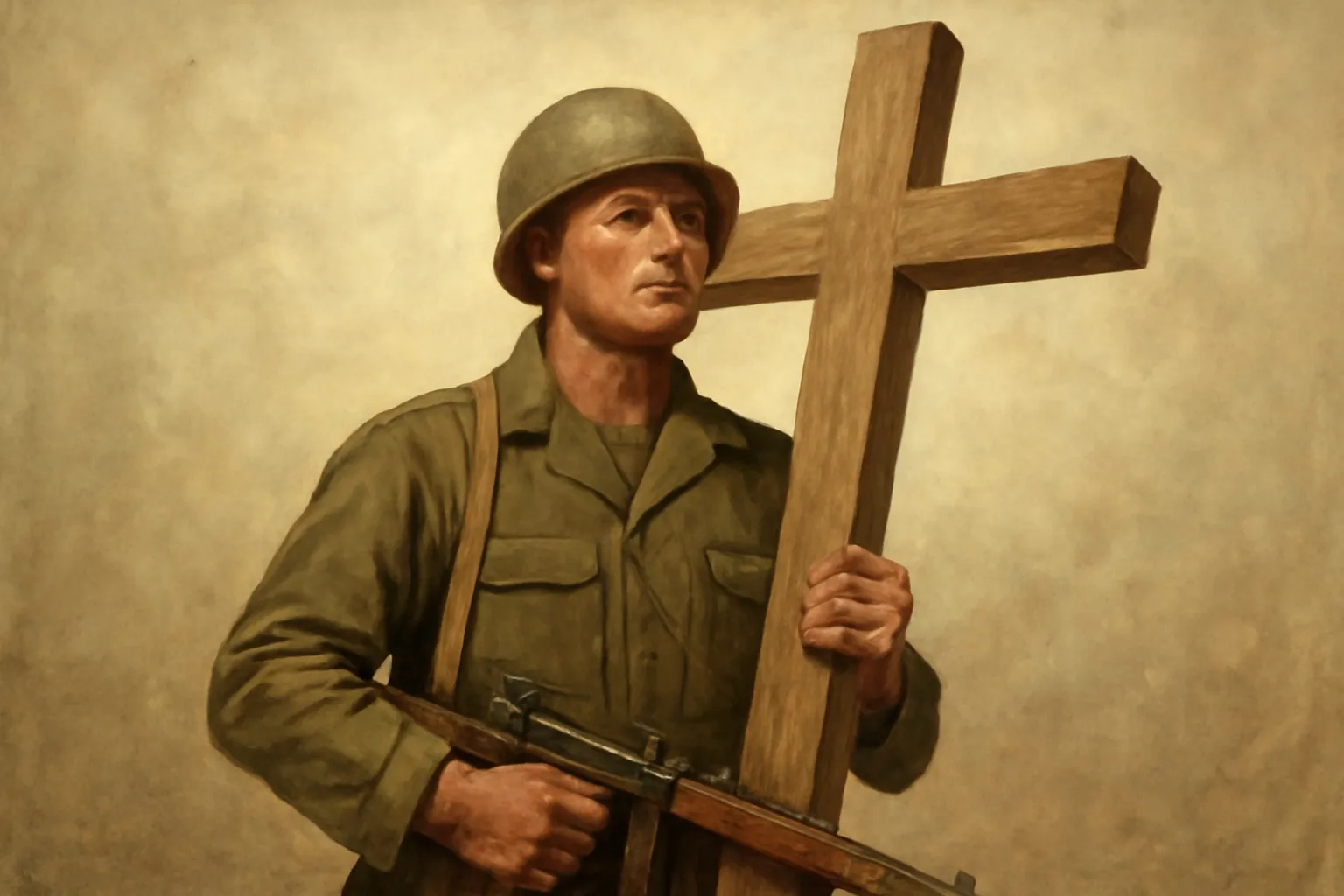
In a world filled with noise, distraction, and moral ambiguity, the call to live as a Christ Soldier stands as a clear invitation to participate in a larger story. This article offers an in-depth guide to living as a warrior of faith, a Christian warrior who fights not against people but for truth, justice, compassion, and radiant hope. Whether you are just beginning your spiritual journey or seeking deeper alignment with your calling, the path of the Christian soldier is marked by discipline, courage, and a steadfast reliance on God’s strength.
The first and most foundational truth about the soldier of the cross is identity. Before any action, a true professional of faith knows that their identity is rooted in Christ. This means recognizing that you are adopted into God’s family, forgiven, and empowered by the Holy Spirit to live a life that reflects the character of Jesus.
Beloved child of the Father, never isolated in battle, but carried by grace.
Called ambassador for the message of reconciliation, entrusted with witness and mercy.
Called to transformation—ongoing sanctification that makes you more like Christ day by day.
The terminology: variations on the same theme
Throughout history and across Christian traditions, different phrases have described this calling. You may hear Christ warrior, soldier of the cross, warrior of faith, or disciple in arms. Each term highlights a facet of the same life: courage grounded in love, obedience that yields freedom, and a mission oriented toward God’s Kingdom. The important thing is not the exact label, but the lived reality of trust, sacrifice, and perseverance under God’s guidance.
The Armor of God: Equipment for the Faithful Warrior
The Apostle Paul presents a compelling image for spiritual readiness: the Armor of God. This is not armor you manufacture or fashion by human effort alone; it is ontologically grounded in God’s provision. Wearing the armor means aligning your daily life with divine truth and choosing to stand firm against spiritual forces that oppose righteousness.
Overview of the armor and its aim
Each piece of armor corresponds to a core aspect of Christian living. Together, they enable the Christian fighter to endure trials, resist deception, and advance with integrity.
Belt of truth — a commitment to honesty, not only in speech but in motive and action.
Breastplate of righteousness — living with integrity, justice, and obedience to God’s commands.
Gospel shoes of peace — readiness to carry and share the message of peace with humility and courage.
Shield of faith — confidence in God’s promises, enabling you to resist fear and doubt.
Helmet of salvation — security in your identity as forgiven and redeemed, protecting your thoughts from despair.
Sword of the Spirit — the word of God, used with discernment and prayer to cut through confusion and deception.
Prayer as the constant companion — not a separate activity but the lifeblood that sustains every other piece of equipment.
In practice, wearing the armor involves a daily rhythm: grounding decisions in truth, choosing righteous actions when easier paths tempt you, and maintaining a posture of trust in God through prayer. The armor is not a performance but a partnership—between your will and God’s power.
Daily Practices of a Christian Warrior
The life of a faithful warrior requires consistent, disciplined practices. These routines help sustain spiritual vitality, cultivate character, and equip the believer to respond well to testing times.
Foundational daily habits
Prayer as conversation with God, practiced at set times and in moments of need throughout the day.
Scripture intake—regular reading, meditation, and memory of passages that shape thinking and behavior.
Worship as a posture of praise and surrender, both privately and in communal settings.
Fellowship with other believers for accountability, encouragement, and service.
Service—practical acts of love that express the gospel through words and deeds.
In addition to these daily habits, consider these practical applications:
Regular confession and repentance when you stumble, recognizing grace as a power to change rather than a license to continue.
Mindful grounding in truth to resist the lure of counterfeit narratives and moral compromise.
Purposeful pursuit of justice and mercy—acts that mirror Christ’s compassion in tangible ways.
Structured routines that honor the mission
For many believers, structuring the day around a few constants helps maintain focus:
Begin with a short time of prayer and gratitude, acknowledging dependence on God.
Read a block of scripture, selecting a theme (grace, faith, mercy, truth) to guide the day.
Journal reflections on how the word applies to decisions, conversations, and temptations.
Engage in at least one act of mercy or service, whether big or small.
End the day with prayers of thanksgiving and requests for strength to persevere.
Throughout all these, the constant companion is the Holy Spirit, who guides, convicts, strengthens, and comforts. Relying on the Spirit is not a passive hope but an active partnership that shapes every choice.
Living Out Courage and Humility
A mature saint in service embodies both boldness and humility. Courage without humility can become arrogance, while humility without courage can become passivity. The faithful warrior learns to pair bold proclamation of truth with compassionate, self-giving love.
Boldness without arrogance
Courage means speaking truth when it is unpopular, standing firm when pressure mounts, and acting with integrity even when it costs you. Yet boldness is tempered by love: you seek the good of others, avoid coercion, and treat opponents with respect and mercy.
Share a clear, winsome witness without coercing others into your beliefs.
Stand for justice, defending the vulnerable while offering grace and pathways to reconciliation.
Choose tough conversations with gentleness, aiming for reconciliation and understanding.
Humility as a constant posture
Humility does not dismantle courage; it keeps courage oriented toward God and others rather than toward self-glorification. A humble warrior admits mistakes, seeks counsel, and remains teachable.
Seek accountability from trusted brothers and sisters in the faith community.
Recognize your dependence on God’s grace in every victory and in every setback.
Celebrate the strengths of others and give credit where it is due.
Community and Fellowship: The Band of Brothers and Sisters
No soldier fights alone. The life of a Christian disciple thrives in community where accountability, encouragement, and shared mission abound. The image of a band of brothers and sisters reflects the interdependence that strengthens resolve and deepens joy.
Join or form a small group focused on Bible study, prayer, and mutual care.
Establish a mentorship relationship with a more seasoned believer who can guide your growth.
Engage in service teams that meet practical needs in your church or community.
Practice shared spiritual disciplines, such as communal fasting or testimony nights, to strengthen unity.
Witness, Evangelism, and Missions: Sharing the Gospel as a Warrior’s Duty
A central aspect of the life of a soldier of the cross is witness—speaking truth in love and inviting others into the mercy and power of Christ. Evangelism is not a display of prowess but a generous invitation to experience life in the Kingdom.
Practicing witness with integrity
Effective evangelism blends clarity with humility:
Present the gospel in terms that honor the listener’s experience and questions.
Share personal testimony with authenticity, focusing on transformation rather than performance.
Invite people to explore faith at a pace that respects their conscience and timeline.
Serving as a missional presence
Mission is broader than geography. A faithful warrior can be a witness in the workplace, classroom, home, or online spaces. Your life should reflect the values of Christ in practical, observable ways—character, generosity, and consistent love.
Practice ethical integrity in all professional and personal dealings.
Offer practical help to those in need and advocate for vulnerable communities.
Use your gifts to contribute to your church’s mission initiatives and community outreach.
Overcoming Trials: Spiritual Warfare in Everyday Life
The life of a Christ-follower is marked by opposition, but the defeated foe is not the believer. Spiritual warfare involves recognizing the sources of pressure, distinguishing truth from deception, and persevering in faith despite hardship.
Recognizing and resisting temptations
Temptations often come in familiar forms: pride, fear, resentment, or self-reliance apart from God. The warrior of faith resists by clinging to truth, praying for strength, and seeking accountability.
Identify the trigger patterns that lead you away from God’s paths.
Rehearse Scripture that counters the lie you’re facing.
Replace a harmful habit with a constructive spiritual discipline (service, study, or prayer).
Discernment and temptation management
Discernment is the skill of distinguishing God’s voice from competing voices—whether cultural pressure, inner discouragement, or spiritual deceit. Practical discernment involves:
Regular time in the Word and in prayer to attune your senses to truth.
Seeking counsel from trusted spiritual mentors when faced with difficult choices.
Testing ideas against the core truths of the gospel, rather than following trends alone.
Perseverance in hardship
The journey of faith is long and sometimes strenuous. Perseverance grows when you cultivate hope grounded in God’s promises, lean on a supportive community, and remember past victories as signs of divine faithfulness.
Keep a record of answered prayers to reinforce hope in future trials.
Maintain rhythms of rest and renewal to prevent burnout.
Celebrate small wins and learn from setbacks with grace.
Practical Routines and Rituals of a God-armed Soldier
Beyond broad principles, real-life discipline matters. Routines help encode faith into daily behavior, turning beliefs into continued practice.
The public arena is a theater where the faithful warrior’s character is often tested. Maintain integrity in speech, avoid demeaning language about others, and practice mercy even when confronted with hostility.
Guard your online presence as vigilantly as your real-life interactions.
Respond to conflict with calm, constructive language rather than sarcasm or contempt.
Let your conduct reflect a posture of service and humility that points others toward Christ.
Common Misunderstandings About Spiritual Warfare
To walk well as a Christ follower, it helps to clear away myths that can misguide or distort the journey.
Myth: Spiritual warfare is primarily about dramatic battles
While dramatic moments can occur, most spiritual growth happens in ordinary fidelity—steadily choosing truth, resisting deception, and loving neighbors well.
Myth: Victory is measured by external results
God’s work often operates through unseen means—transformation of character, endurance under pressure, and the quiet witness of a life surrendered to love.
Myth: The path of obedience is solitary
The Christian soldier’s journey is deeply communal. Strength is amplified through shared faith, accountability, and mutual encouragement.
A Lifelong Campaign: Sustaining Faith Through Seasons
The life of faith is not a sprint but a long campaign. Seasons of blessing and seasons of testing refine the soldier’s character and posture toward God. A well-sustained life of service keeps returning to these core commitments: truth, righteousness, mercy, and love.
Seasonal reflections for ongoing renewal
Reflection on God’s faithfulness in the past informs confidence for the future.
Repentance when needed, embracing God’s mercy and recommitting to the path of obedience.
Re-engagement with community and mission after times of rest or trial.
In every season, remember that you are not alone. The Band of believers around you, the witness of Christ in your community, and the power of the Holy Spirit sustain your march. The aim is not just to endure but to thrive in love, to radiate the character of Christ, and to advance justice, mercy, and grace in a broken world.
Conclusion: Walking as a Faithful Warrior of Christ
Becoming and remaining a Christ Soldier is a lifelong journey marked by identity, discipline, courage, humility, and community. It involves putting on the Armor of God daily, pursuing truth in all areas of life, and carrying out acts of love and mercy that reveal the beauty of the gospel. Whether you face moments of quiet perseverance or times of urgent spiritual conflict, your calling remains clear: to live as a faithful warrior of Christ, bearing witness to the transformative power of God’s grace while offering hope to a world yearning for genuine peace.

 Por Laura Jara