The Dome of the Rock, also known by its Arabic name al-Qubbah al-Sakhrah, is one of the most enduring and recognizable monuments in the world. Situated atop the revered Temple Mount, often referred to as Haram al-Sharif in Arabic, the structure stands at the heart of a complex that has shaped religious, cultural, and political life in the city for centuries.
This site is not merely an architectural icon; it is a powerful symbol that carries layered meanings across traditions. To many Muslims, the Rock beneath the gilded dome marks a sacred threshold associated with prayer, revelation, and ascent. To Jews, it is linked to the ancient Temples and the biblical foundations of ritual practice. To Christians, the location evokes early pilgrimage routes and the broader history of Jerusalem as a center of faith. Because of these overlapping associations, the dome of the rock israel, in its various forms, is frequently described as a touchstone of interfaith dialogue and a focal point in the ongoing conversation about sacred spaces in the modern world.
This long, richly detailed article surveys the Dome of the Rock from multiple angles: its history, its architecture and artistic program, its deeply rooted religious significance, and practical guidance for visitors today. It also explains how the monument, sometimes called the Rock Dome in English, has become a symbol that extends beyond its immediate precincts to influence scholarly discourse, tourism, and public memory around the world.
Historical Roots and Construction
Origins, the site’s sacred geology, and early religious associations
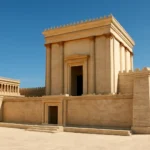
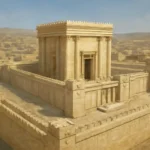
The precinct that surrounds the Dome of the Rock sits on a rocky promontory that has been considered sacred in the region since antiquity. Jewish tradition identifies this rock as the Foundation Stone, the spiritual point from which creation began and where, in biblical narratives, the Temple stood in ancient times. For centuries before the advent of Islam, the hill hosted temples and sacred rituals, earning its place as a magnet for pilgrims and rulers seeking to connect with the divine narrative of the city.
By the late antique period, as the city was becoming a crossroads of cultures, the Ummayad caliphate sought to imprint a new Islamic narrative on the sacred landscape. The Dome of the Rock, then known to contemporaries as al-Qubbah al-Sakhrah, emerged as a bold statement: a monumental shrine that would honor the Rock while signaling a new era of Islamic architectural and theological expression. The motive was as much theological as it was political: to demonstrate continuity with the revered stories of the Prophet Muhammad and to establish a distinctive architectural voice within the capital of the expanding Islamic empire.
Construction timeline and the Ummayad vision
The Dome of the Rock was constructed during the early medieval period, with scholarly consensus placing completion around 691–692 CE under the direction of the Umayyad caliph Abd al-Malik and his court. This places the monument among the oldest surviving Islamic architectural achievements and among the few monumental buildings from the era that continue to attract study and devotion.
The decision to place a sacred octagonal structure centered on the Rock reflected a sophisticated approach to sacred geography. Rather than mimicking the dimensions of the nearby Byzantine churches or the more expansive mosques of the era, the designers chose a compact, plan-driven form that would enclose the Rock within a ceremonial space. The result is a self-contained shrine that communicates a clear message about divine presence, sacred geography, and political legitimacy.
Continuity, restoration, and changes through the centuries
Over the centuries, the Dome of the Rock has undergone various restorations and conservation efforts. Natural aging, weathering, and periodic earthquakes necessitated careful interventions to preserve its exterior gilding, mosaics, and inscriptions. While the overall composition—an octagonal structure crowned by a gilded dome—remains recognizable, the surface decoration, the interior program, and the surrounding precincts were adjusted to reflect changing aesthetics, religious needs, and political realities.
The Dome of the Rock is celebrated for its distinctive octagonal plan, which frames a central rock and creates a sense of layered, concentric sacred space. The exterior presents a blend of architectural vocabularies, combining Islamic decorative elements with pseudomorphic references to earlier Byzantine forms. The octagonal court is surrounded by a covered arcade, creating a visually dramatic enclosure that both shelters the shrine and frames it from various angles for pilgrims and visitors.
The Golden Dome and exterior ornament
The dome itself is the most conspicuous feature: a luminous, golden dome that dominates the Jerusalem skyline. Its gilded surface has become a universal emblem of the monument, a beacon visible from many neighborhoods beyond the Temple Mount. The exterior walls feature a mosaic program with intricate geometric and vegetal motifs, along with arabesque calligraphy that quotes verses from the Qur'an. The interplay of light on the gold and enamel work creates a shimmering presence that has drawn artists, scholars, and pilgrims for centuries.
Interior space, decoration, and the rock beneath
Inside, the interior is richly decorated with intricate mosaics and inscriptions. Although the inner chamber hosts a sacred rock that is not a mosque’s mihrab or qibla wall, it has a sense of sanctuary. The rock at the heart of the Rock Dome is revered in Islamic tradition as the site from which the Prophet Muhammad, in the event known as the Night Journey (Isrā' wa-Mi'raj), is believed to have ascended toward heaven. The surrounding interior is ornamented with inscriptions that emphasize themes of faith, submission to God, and the unity of the divine message.
The relationship with the nearby shrine complex
The Dome of the Rock sits near, but is distinct from, the adjacent al-Aqsa Mosque complex. The surrounding Temple Mount precinct includes other significant structures and outdoor spaces that together form a living religious and archaeological landscape. The juxtaposition of the Rock Dome with the larger congregational space around it emphasizes the layered sacred geography that has attracted devotion across generations.
Religious and Cultural Significance Across Faiths
The Dome of the Rock in Islamic tradition
For Muslims, the al-Qubbah al-Sakhrah is a central icon of the faith’s early decades. The structure commemorates the Prophet Muhammad’s miraculous journey, a narrative that is deeply embedded in Islamic theology and liturgy. The site reinforces the sense of authenticity and continuity in the Islamic story of Jerusalem, emphasizing the city’s place as a hub of prophetic history and divine revelation. The monument’s presence during periods of religious devotion and political change alike makes it a potent symbol of spiritual authority and communal identity.
Judaism and the biblical link to the site
The Rock, which anchors the Dome’s interior, is widely associated in Jewish tradition with the Foundation Stone—the place where creation, revelation, and the Temple’s sanctification were historically anchored in the mind of the people. The broader Temple Mount complex is identified with the location of the First and Second Temples, sacred to Judaism for millennia. Even as the present-day Western Wall and surrounding sites evoke ancient pilgrimage and ritual, the Dome of the Rock sits as a counterpoint—a living reminder of the city’s layered religious landscape.
Christian perspectives and historical intersections
In Christian history, Jerusalem has long been a pilgrimage destination, and the Dome of the Rock has appeared in the collective imagination as part of the city’s sacred topography. While the Dome itself is not a Christian church, its presence and the stories it carries contribute to the broader tapestry of Jerusalem’s religious sites and the way Christians contemplate biblical history in the Holy Land. The building’s ongoing story intersects with interfaith dialogue, scholarly inquiry, and the shared memory of Jerusalem as an ancient capital of faith.
Political, Cultural, and Global Context
The Dome of the Rock exists at a unique intersection of faith, history, and modern politics. Its status and stewardship reflect how sacred space can become a stage where religious devotion, national identity, and international diplomacy converge. The Temple Mount/Haram al-Sharif is administered within a framework that involves a chain of custodians, security considerations, and legal frameworks established by multiple authorities. The monument’s prominence makes it a focal point in discussions about access, sovereignty, and the responsibilities of guardianship over sacred spaces.
UNESCO and other international bodies have recognized the broader significance of the Temple Mount area, acknowledging its value as a cultural and historical inheritance that transcends single religious traditions. At the same time, the political realities of the region mean that the Dome of the Rock remains a site of ongoing negotiation, where heritage conservation, religious practice, and public policy must navigate complex and sometimes tense circumstances. As a result, visitors and scholars alike approach the site with a sense of reverence for sacred memory and a recognition of its role in contemporary life.
Custodianship, access, and security considerations
The care of the Rock Dome and the Temple Mount precinct is traditionally associated with a Waqf (an Islamic trust) operating under local arrangements. In practice, access and security are coordinated with Israeli authorities and custodians, reflecting the site’s dual religious significance and its place within the modern political map of the region. This arrangement has shaped both daily experiences of visitors and the timing of ceremonies, prayers, and tours. Understanding this context helps visitors engage with the site with sensitivity and respect for its custodial responsibilities.
Visiting Guide: Planning Your Visit to the Dome of the Rock
General access: what travelers should know
Visiting the Dome of the Rock, in any of its forms, is an experience that blends sacred atmosphere with a sense of cultural and historical scholarship. The site is located on the Temple Mount in the Old City of Jerusalem, a place that requires careful planning due to security considerations, religious observances, and the scheduling of tours. Prospective visitors should anticipate that hours, access policies, and permitted activities can vary by season and current events. For many, the most meaningful approach combines a respectful pace, a willingness to learn, and an appreciation for the monument’s enduring symbolism.
Access, hours, and practical timing considerations
In broad terms, visiting the Dome of the Rock and the Temple Mount precinct is possible during daylight hours, but entry rules can differ for Muslims and non-Muslims, and for men and women. Non-Muslim visitors may be restricted from entering during certain prayer times or during special ceremonies. To minimize surprises, it is best to check with official sources or trusted tour operators for current hours and entry requirements before planning your trip. Arranging your visit with an authoritative guide can help clarify security checks, identification needs, and the sequence of sites to see in the surrounding area.
What to expect on arrival: etiquette, dress, and conduct
Modern visitors should come prepared to follow a respectful code of conduct. Important considerations include dressing modestly, removing shoes when required, and refraining from disruptive behavior. The sanctity of the site means that photography policies may vary by zone and time of day; some areas may restrict cameras or require permission for certain shots. Visitors should be mindful that the dome itself is a sacred shrine, and the surrounding precincts host active worship and routine religious practice.
Where to begin: planning routes and guided experiences
If you wish to maximize your understanding of the Dome of the Rock, consider a guided tour or an audio guide that provides historical context and architectural terminology. Guides can explain the symbolism of the Foundation Stone within the Rock, discuss the calligraphic inscriptions, and point out the differences between the Rock Dome and other nearby structures such as the al-Aqsa Mosque.
Practical tips for different types of visitors
Scholars and students: bring notebooks, plan time for closer study of inscriptions, and request access to any available interpretive panels or scholarly guides.
Pilgrims: bring a respectful demeanor, participate in planned rituals if invited, and be prepared for slower-paced tours that emphasize contemplation and reverence.
Photographers: check policy in advance and respect prayer times; dusk and dawn can offer dramatic lighting without disrupting ceremonies.
Families with children: explain the significance of the site in accessible terms and plan for breaks in the surrounding historic streets of the Old City.
Preservation, Conservation, and Challenges
The Dome of the Rock has benefited from ongoing conservation work that aims to preserve its exterior gilding, mosaics, and the interior program without compromising its integrity as a living sacred space. Restorations have addressed structural concerns, weathering, and the need to maintain the vibrancy of the tilework and inscriptions. Because the monument sits at a crossroads of faith and politics, conservation efforts are often accompanied by careful considerations of accessibility, ritual use, and the broader cultural heritage of the wider Temple Mount site.
International scholars, historians, and conservation professionals frequently discuss the Dome of the Rock in the context of world heritage. While it has not always been designated with a specific UNESCO site status on its own year-by-year, its value as part of Jerusalem’s heritage landscape has been recognized in wider conservation dialogues. The ongoing balance between preserving an ancient monument and supporting living religious communities is a central theme in any discussion of restoration, protective measures, and educational outreach related to the Rock Dome.
Common myths and questions about the Dome of the Rock
Because the Shrine sits at the intersection of legend and history, it has spawned questions that are frequently asked by visitors and students:
Is the Dome of the Rock a mosque? No. It is a shrine built to commemorate the Rock and to preserve its sacred significance within Islamic tradition.
Was the Dome of the Rock the site of the First Temple? The Rock under the dome is traditionally identified with the Foundation Stone associated with the Temples in Jewish tradition; the physical temple structures stood on or near this location in ancient times.
Why does the dome shine so brightly? The gilded surface reflects sunlight, making the dome one of the most recognizable features in the Jerusalem skyline.
Nearby Attractions and Related Experiences
The Dome of the Rock sits at a historic crossroads where several important sites converge. Visitors often pair a visit to the Rock Dome with explorations of related landmarks in the Old City of Jerusalem:
Al-Aqsa Mosque: A central site within the Temple Mount complex that serves as a major mosque for daily prayer and religious observances.
Western Wall (Wailing Wall): A sacred Jewish site adjacent to the Temple Mount precinct, rich with history and ritual significance.
David’s Tower and Davidson Center: An archaeological complex offering insights into Jerusalem’s ancient urban layout and the city’s fortifications.
The City of David National Park: A broader historical landscape that illuminates the biblical era and the development of ancient Jerusalem.
For travelers, the rhythm of the Old City—its narrow lanes, markets, and centuries of layered memory—enhances a conceptual journey through the Dome of the Rock’s narrative. Museums and educational centers nearby provide context for visitors who want to understand the architecture, inscriptions, and historical chronology that culminate in the Rock Dome’s distinctive appearance.
Open Questions for Researchers and Curious Readers
Scholars continue to debate certain aspects of the Dome of the Rock’s construction, decoration, and historical role, as new archival finds and conservation studies emerge. Some lines of inquiry include:
The exact sources of the architectural influences that shaped the Shrine’s octagonal plan and its decorative repertoire.
The precise nature of the inscriptions and the linguistic choices employed in the ornamentation, including how verses from the Qur'an were selected and arranged.
How different periods of architecture—Byzantine, Persianate, and local Islamic styles—converged in this unique monument.
The evolution of visiting policies, ritual practices, and custodial arrangements across centuries of political change.
Engaging with these questions helps illuminate why the Dome of the Rock remains a living symbol rather than a static relic. It stands as a repository of memory, faith, and identity for communities near and far.








Leave a Reply