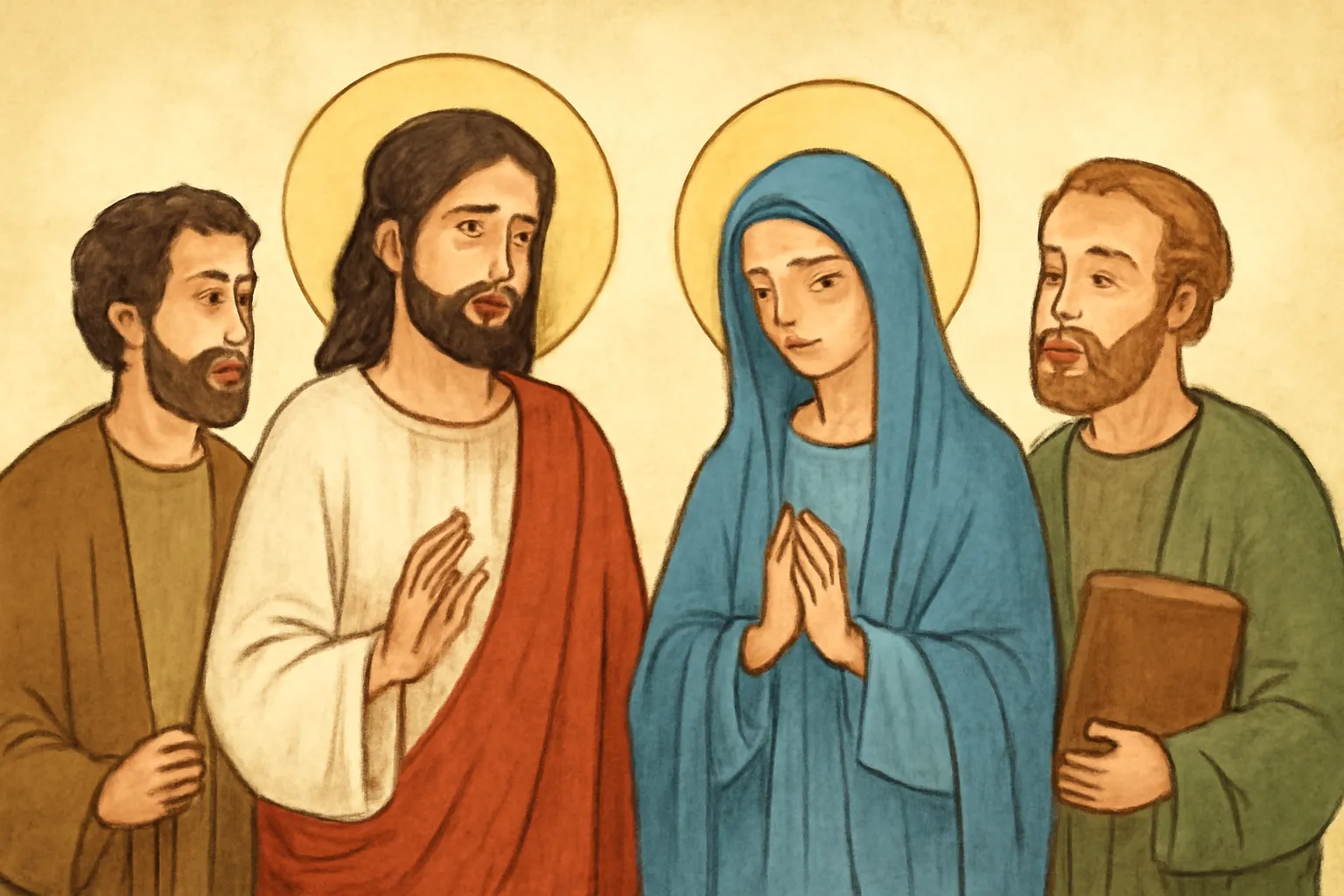
Welcome to Christianity characters: a comprehensive guide to the biblical figures who shape the narrative of the Christian faith. This article surveys key personalities across the Bible—from the earliest chapters of Genesis to the early church—and explains not only who they were, but why their stories matter for readers today. By studying these scriptural personalities, readers gain insight into themes like faith, covenant, obedience, deliverance, and redemption. The aim is to introduce you to a diverse cast of characters often referred to as saints, prophets, patriarchs, apostles, and witnesses, highlighting how their lives illuminate Christian belief and practice.
Long before the birth of Christ, the biblical figures of the Old Testament established patterns of trust, failure, judgment, and mercy. Their lives illustrate how God interacts with individuals and communities, and how faithfulness often unfolds within real-world challenges. Below are some of the most influential scriptural personalities in this period, grouped by their primary roles.
Patriarchs and Matriarchs
Adam — The first human in the biblical narrative, Adam embodies humanity’s origins, responsibility, and the complexities of free will. His choices set into motion themes of exile, longing for restoration, and the promise of a renewed relationship with God. The story of Adam helps readers understand human nature, accountability, and the enduring hope for a Creator who remains involved with creation.
Eve — As Adam’s partner, Eve represents the human experiences of invitation, temptation, and consequence. Her place in the Genesis narrative highlights the seriousness of disobedience and the reach of divine mercy. Yet her presence also signals the life-giving potential of partnership and the human longing for companionship in the divine plan.
Noah — A model of faithfulness in a corrupt world, Noah is remembered for heeding God’s warning and building the ark. His story foregrounds the themes of salvation through obedience, the steadfastness of God’s covenant, and a fresh start for humanity after judgment.
Abraham — Known as the father of many nations, Abraham embodies the power of faith and the practice of trust in God’s promises. The Abrahamic covenant, extending to descendants and blessing, shapes the theological framework for how Christians understand promise and obedience within a relationship with God.
Sarah — As the wife of Abraham, Sarah participates in the unfolding narrative of faith, bearing a son in old age and teaching about God’s timing and sovereignty. Her story invites reflection on patience, faith in God’s plan, and the way God uses ordinary people for extraordinary purposes.
Isaac — The son of Abraham and Sarah, Isaac carries forward the line of blessing and the testing of faith. His life emphasizes continuity—how God’s covenant remains active through generations—and the gentle guidance that accompanies obedience within family life.
Jacob — Also called Israel, Jacob is a figure of struggle, perseverance, and divine encounter. His experiences—flight, wrestling with God, and a transformed name—highlight the theme that genuine faith often arises through trials and intimate communication with the divine.
Rachel and Leah — The matriarchs who contribute to the lineage of Israel, their stories speak to themes of longing, family dynamics, and the ways in which God works through imperfect circumstances to fulfill a larger purpose.
Joseph — A model of steadfast integrity in the face of adversity, Joseph demonstrates how God’s guidance can turn hardship into rescue. His ability to forgive, interpret dreams, and steward a nation under hardship offers a paradigmatic portrait of providence and leadership.
Moses — A central figure who leads the Israelites out of slavery, Moses embodies divine authority, lawgiving, and mediation between God and the people. His life introduces readers to the moral framework of the covenant and the call to holiness within community life.
Aaron — As Moses’ brother and high priest, Aaron plays a key role in ritual leadership and the establishment of liturgical practices that reflect the people’s relationship with God.
Deborah — A rare female judge and a strong voice of wisdom, Deborah demonstrates decisive leadership and courageous faith in difficult times, reminding readers that God works through diverse leaders.
Samuel — The prophet and priest who anoints Israel’s first kings, Samuel embodies spiritual discernment, accountability, and the ongoing guidance of God’s voice in national life.
Elijah and Elisha — Prophets who confront injustice and call Israel back to fidelity, these figures highlight the power of prophetic presence, miracle-working faith, and the transition of prophetic authority between generations.
Isaiah and Jeremiah — Major prophets whose writings address judgment, hope, and the coming Messiah, their voices shape Christian expectation of redemption and the longing for a restored creation.
Daniel — In a foreign land, Daniel remains faithful to God amid pressure, demonstrating wisdom, bold prayer, and the belief that divine sovereignty governs earthly kingdoms.
Naomi and Ruth — A tale of resilience and loyalty, their story highlights God’s providence working through intimate relationships, migration, and faithfulness in ordinary life.
David — The shepherd-king who becomes a national figure, David is celebrated for courage, heart-searching repentance, and the poetic expressions of faith found in the Psalms. His life raises questions about power, mercy, and the long arc of the divine plan.
Solomon — Known for wisdom and achievement, Solomon embodies both the peak of national prosperity and the risk of turning away from the heart of God. His reign invites reflection on the costs of wisdom without fidelity.
New Testament Figures: Life, Mission, and Witness
In the New Testament, the focus shifts to the life, teachings, death, and resurrection of Jesus Christ, followed by the formation of the early Christian church through the apostles and early believers. The scriptural personalities here illuminate the meaning of Jesus’ ministry and the spread of the gospel across cultures and continents. The following entries explore a spectrum of New Testament characters who have shaped Christian belief and practice for two millennia.
The life of Jesus and the Gospels
Jesus of Nazareth — Central to the Christian story, Jesus is revered as the incarnate Son of God, teacher of parables, healer, and the crucified and risen Lord. His parables, teachings on the Kingdom of God, and model of fearless love provide the core basis for Christian ethics, worship, and hope for restoration. The narrative of Jesus’ life invites believers to consider what it means to live with compassion, justice, and mercy in a broken world.
John the Baptist — The forerunner who prepares the way for Jesus, John emphasizes repentance, baptism, and the urgent call to turn toward God. His witness anchors Christian expectations of spiritual renewal and the dawning of a new era in which the Messiah is at the center of history.
Mary, the Mother of Jesus — A model of humility and obedience, Mary embodies trust in God’s plan. Her responses to divine revelation provide a lens on discipleship that emphasizes surrender, faith, and service in everyday life.
Joseph (Jesus’ earthly father) — A figure of faithful care and protective stewardship, Joseph demonstrates how men and families participate in God’s redemptive work through quiet, steadfast obedience.
Peter — A principal leader among the first followers of Jesus, Peter embodies both bold proclamation and the need for growth in understanding. His sermons, pastoral care, and leadership shaped the early church’s structure and mission, and his transformation illustrates the power of grace in healing fear and doubt.
Paul — Formerly known as Saul, Paul becomes a dominant voice in early Christian theology and mission. His letters—addressing faith, grace, church life, and ethical living—form a substantial part of the New Testament and guide Christian thought across cultures and eras.
John — The beloved disciple who writes with deep spiritual insight, John emphasizes themes of love, truth, and eternal life. His Gospel and letters invite readers into a intimate relationship with Christ and a vision of a community grounded in divine love.
James — A leader in the early church and a practical teacher, James stresses the connection between faith and works, wisdom in daily life, and the call to care for the vulnerable in society.
Mary Magdalene — A devoted follower of Jesus, Mary Magdalene exemplifies steadfast witness and courageous devotion in the wake of Jesus’ crucifixion and resurrection. Her presence signals the importance of women in the earliest Christian mission.
Thomas — Often remembered for doubt, Thomas ultimately confesses belief in the risen Christ. His journey highlights the value of honest questions on the path to faith and the transforming encounter with the resurrected Lord.
Priscilla and Aquila — A dynamic married couple who instructed and encouraged early Christians. Their partnership in teaching and hospitality shows how community and mentorship were vital to the spread of the gospel.
Stephen — The first Christian martyr, Stephen boldly proclaims the gospel even as he faces persecution. His example links faith with courage and steadfast witness under pressure.
Philip — An active evangelist and organizer of the early church’s mission, Philip demonstrates how the Spirit guides mission beyond boundaries to reach new audiences with the message of Christ.
Lydia — A businesswoman and seeker who becomes a bridge between the gospel and the Gentile world. Lydia embodies hospitality and open-hearted leadership that nurtures Christian communities.
Phoebe — A deaconess who helps carry the early church’s work, Phoebe illustrates the important roles women played in organizing, supporting, and spreading Christian faith.
Junia — Recognized in some traditions as a prominent apostle or early Christian leader, Junia signals the diverse leadership within the earliest church and the inclusive nature of the gospel message.
Key Themes Across Christianity Characters
Across the biblical figures and the New Testament personalities, several enduring themes emerge. These ideas help readers connect ancient stories to contemporary life:
Faith and obedience — Many scriptural personalities illustrate the dynamic between trust in God and action in daily life. Whether through Abraham’s willingness to sacrifice or Peter’s bold sermons, faith is shown as lived experience, not merely belief.
Covenant and promise — The narratives of patriarchs, prophets, and apostles revolve around God’s faithfulness in keeping promises. The concept of covenant binds God to people and inspires ethical living, communal responsibility, and hope for the future.
Redemption and liberation — From Moses leading the Exodus to Paul’s proclamation of grace, Christian readers encounter a throughline of deliverance—freedom from sin and fear through divine intervention and personal transformation.
Wisdom and discernment — The prophets, sages, and church leaders emphasize discernment, moral courage, and prudent leadership. The exercise of wisdom helps communities navigate conflict, injustice, and growth.
Community and mission — The early church depicts a shared life and mission, where believers support one another, share resources, and spread the message beyond familiar borders. The figures here model service, hospitality, and courageous witness to the world.
Guidance for Readers: How to Engage with These Characters
Reading about these biblical personalities is not a purely historical exercise. It invites readers to reflect on personal growth, ethical decision-making, and spiritual formation. Here are practical ways to engage with these figures:
Contextual study — Consider the historical, cultural, and literary contexts in which each figure appears. This helps illuminate why certain choices were made, what was at stake, and how readers today can interpret the messages responsibly.
Thematic journaling — Identify recurring motifs such as faith under pressure, covenant faithfulness, or leadership under challenge. Journal about how these themes appear in your life and what adjustments you might make to live more consistently with these ideals.
Character contrasts — Compare and contrast figures who demonstrate different responses to God’s call. For example, weigh the humility of Mary against the boldness of Peter, or the patience of Abraham against the impulsiveness of others. These contrasts reveal the spectrum of faithful living.
Prayerful reflection — Use the stories as a basis for prayer, asking for wisdom, courage, and grace. Scriptures featuring these figures often contain lines of supplication, praise, or thanksgiving that can shape devotional practice.
Ethical application — Translate lessons about justice, mercy, and mercy into concrete actions: community service, advocacy for the vulnerable, and encouragement of spiritual growth in others.
Conclusion: Why These Christianity Characters Matter Today
The characters in Christianity’s sacred texts are more than antiquated legends; they are living mirrors that invite readers to examine the depths of faith, character, and communal life. By studying biblical figures from creation through the early church, believers can see how God remains at work across eras, cultures, and personal histories. The stories of patriarchs, prophets, apostles, and disciples offer a map for navigating moral dilemmas, spiritual growth, and the ongoing mission of the church. Whether you approach these figures as saints, mentors, or arguments for theological ideas, their lives invite us to participate in a larger narrative—one that centers on faith, love, and the hope of reconciliation with God through Jesus Christ.
In the end, the study of Christianity characters provides more than historical knowledge. It fosters a deeper sense of purpose, a more robust ethical imagination, and a richer practice of faith. May this guide help you recognize the enduring relevance of these scriptural personalities and inspire you to explore their stories with curiosity, reverence, and transformative hope.

 Por Laura Jara