In Christian belief, the journey begins with the assertion of a single, personal God who is the Creator and Sustainer of all that exists. This monotheistic foundation shapes every other tenet, because everything else flows from the character and purposes of this God. Across Christian traditions, theologians speak of the Trinity—the mystery of one God in three coequal persons: the Father, the Son, and the Holy Spirit. The Trinity is not a mathematical formula but a confession about relationship, love, and action within the Godhead that spills over into creation and into human history.
God’s nature is described in Scripture with enduring attributes: holiness, justice, mercy, omnipotence, and omniscience. Christians stress that God is not distant or indifferent, but holy and loving, and that God acts in history to redeem and restore. The Creator’s love is not abstract; it culminates in the sending of Christ, through whom humanity is invited into a reconciled relationship with God. Because God is three-in-one, Christians believe that God’s presence and power can be known in different, yet coherent ways: in creation, in the person and work of Jesus, and through the ongoing influence of the Holy Spirit in the life of the Church.
This section highlights a core implication: because there is a single God who relationally means to be known and worshiped, the Christian life centers on trust, obedience, and gratitude toward the triune God. The creed—however expressed in different communities—remains a compact declaration that shapes worship, prayer, and daily living. In summary, the essentials of God’s nature—oneness, triune fellowship, and transforming holiness—provide the theological axis around which all other Christian beliefs rotate.
Jesus Christ: The Incarnate Word and Redeemer
A defining claim of Christianity is that Jesus Christ is the incarnate Son of God, fully divine and fully human. Through the mystery of the Incarnation, God enters human history in the person of Jesus, sharing in the human condition, experiencing temptation, suffering, and joy, all without diminishing the divine nature. Christians affirm that Jesus is the Messiah, the promised King who reveals the character of God most clearly and who bears the responsibility of salvation for humanity.
Central to Christian belief is the idea of atonement—that Jesus’ life, death, and resurrection accomplish reconciliation between God and people. His crucifixion is understood not as a tragic accident but as a voluntary offering that pays the price for sin and breaks the power of death. The resurrection, witnessed by many, is taken as the decisive demonstration of victory over that which corrupts life. By rising, Jesus confirms his claims and inaugurates a future hope for all who trust him. The Ascension, likewise, points to Jesus’ ongoing authority and his role as intercessor and advocate.
Faith in Jesus also entails recognizing his lordship: he is the Teacher who reveals God’s will, the Savior who grants forgiveness, and the pattern for human living. Christians anticipate the ongoing work of Jesus in the world through the Holy Spirit, who empowers believers, guides conscience, and forms communities that embody love, justice, and mercy. Across traditions, the message remains: to know Christ is to enter into a transformative relationship with God, and to follow him means aligning one’s life with his teachings, his example, and his mission for the world.
Scripture, Revelation, and the Authority of the Believer’s Life
A foundational conviction in Christianity is that God has spoken, revealing divine will through the Scriptures—a body of writings deemed inspired and trustworthy. The Bible is regarded as the primary source of revelation about God, humanity, salvation, and ethics. Believers are invited to read, study, and ponder these sacred texts with humility, guided by the Holy Spirit, community discernment, and wise scholarship. The authority of Scripture is not to be understood as a mere legal instrument; rather, it is the means by which God communicates truth that forms conscience and life.
In addition to Scripture, many Christian traditions acknowledge the role of tradition and community discernment in interpreting the biblical message. The living church—through preaching, catechesis, and worship—helps readers understand how the ancient texts speak meaningfully to contemporary situations. This does not imply that tradition outruns Scripture, but that the Spirit works through the church across generations to illuminate truth and preserve doctrinal coherence.
A practical outcome of this belief is a life shaped by ongoing spiritual formation: personal prayer, communal worship, and diligent study become means by which believers are conformed to the image of Christ. The moral imagination of Christians is formed by Scripture, but it is also tested by experience, reason, and cultural context. In essence, the Christian life centers on paying attention to God’s voice in Scripture, allowing it to inform worship, inspire mission, and guide everyday decisions.
Salvation: Grace, Faith, Repentance, and Transformation
A defining axis of Christian teaching is that salvation is a gift from God, not earned by human effort alone. This gracious salvation is received through faith—trusting in God’s promises as expressed in Jesus Christ. A key phrase often used is grace alone, through faith alone, yet this grace invites a response: repentance, transformation, and a life oriented toward God’s purposes.
The process of salvation is described in stages in different Christian traditions, but several core elements recur:
Hearing the gospel—the invitation to trust in Christ and turn from self-reliance.
Faith and repentance—a turning toward God coupled with trust in Jesus’ saving work.
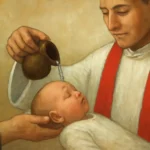
Baptism—a public identifying sign that signals death to the old self and new life in Christ.
Regeneration or new birth—an inner transformation whereby the Holy Spirit begins to renew desires and loyalties.
Sanctification—a lifelong process of growing in holiness, empowered by the Spirit, through obedience, discipline, and community support.
Importantly, Christian teaching emphasizes that salvation brings a radical reorientation of life. Believers are invited into the church as a community of transformation, not as isolated individuals. A saved life bears fruit—love for neighbor, integrity in speech, generosity toward the poor, and a hopeful outlook in the face of suffering. The goal is glorifying God through obedience, worship, and mission, as individuals and communities participate in God’s renewal of all things.
The Sacred Signs: Baptism and the Lord’s Supper
Among the distinctive acts of Christian worship are two widely recognized sacraments or ordinances. They are not merely symbolic rituals; they are means of grace and visible signs of invisible realities.
Baptism is traditionally understood as an outward sign of inward commitment. It represents identification with Christ’s death, burial, and resurrection, and a public entry into the Christian community. Practices around baptism vary: some traditions practice infant baptism, seeing it as the sign of the covenant, while others practice believer’s baptism, emphasizing a conscious profession of faith. The method of baptism—sprinkling, pouring, or immersion—also varies across communities, yet the central meaning remains fellowship with Christ and inclusion in his body.
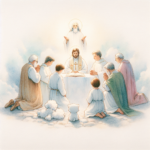
The Lord’s Supper (often called the Eucharist or Communion) commemorates Jesus’ last supper with his disciples and interprets it as a participation in his ongoing life. In some traditions, the elements are symbolic memorials; in others, they are understood as a real though mysterious presence of Christ with his people. Frequent observance varies—from monthly to weekly—yet the practice consistently invites believers to remember, proclaim, and anticipate the heavenly feast in the coming kingdom.
Across denominations, the two sacraments/ordinances are treated with reverence because they embody the work of God in the world: grace received, faith expressed, and a concrete reminder that the Christian life is communal and rooted in Jesus.
Prayer, Worship, and Spiritual Formation
A vital dimension of Christian life is regular engagement with God through prayer, worship, and spiritual disciplines. Prayer is the means by which believers converse with God, express praise, present needs, seek guidance, and confess sins. Worship—whether in quiet devotion, liturgical setting, or informal song—forms the rhythm of the Christian year and shapes the community’s imagination about God and the world.
Spiritual formation is not a solo enterprise; it unfolds within the fellowship of the church. Christians are invited to cultivate habits that sustain faith across changes and challenges:
Studying Scripture and applying its truth to daily life
Participating in communal worship and sacramental life
Engaging in confession, fasting, and self-examination
Practicing generosity, service, and acts of mercy
Seeking guidance from the Holy Spirit for discernment
The Holy Spirit’s presence is understood as a source of wisdom, comfort, and empowerment. Believers are encouraged to listen for the Spirit’s prompting in decisions, relationships, and work. In addition to individual devotion, corporate practices—such as preaching, catechesis, hymnody, and liturgical seasons—help shape a shared life of faith and mission. In this sense, prayer and worship are not merely personal routines; they anchor a community’s identity and purpose as witnesses to God’s justice and mercy.
Ethical Teachings: Love, Justice, and the Moral Life
Central to Christian ethics is the Great Commandment: to love God with all one’s heart, soul, mind, and strength, and to love one’s neighbor as oneself. This double commandment grounds a comprehensive moral vision that touches personal conduct, family life, work, and public responsibility. The ethical framework is not reduced to a list of prohibitions; instead, it envisions a life oriented toward the flourishing of others and the common good.
Core moral aims include honesty, integrity, compassion for the poor and marginalized, and a commitment to justice and peace. The Ten Commandments provide a timeless outline for personal holiness, while the gospel calls believers to extend mercy, practice forgiveness, and pursue reconciliation. Christians are called to examine social issues—economic disparity, human rights, care for creation, and the dignity of every person—and to participate in repair, advocacy, and service.
It is important to acknowledge diversity in how Christians translate these ethical ideals into concrete practice. Some communities emphasize individual repentance and personal holiness, while others stress social transformation and collective advocacy. Across the spectrum, the underlying aim remains the same: to live in a way that reflects God’s character—loving, just, and merciful—toward friends and enemies alike.
The Church: Community, Sacraments, and Mission
The Church is understood as the worldwide body of Christ, a living community where believers are united by grace, nourished by word and sacrament, and sent into the world for witness and service. The local church gathers for instruction, fellowship, worship, and mutual care, while the universal church proclaims a universal message that transcends culture and time.
Within the church, there are diverse expressions of governance, worship style, and theological emphasis. Some communities center on a more sacramental framework, others on scriptural preaching and evangelical mission, while yet others cultivate a contemplative or charismatic rhythm. Each tradition seeks to honor the authority of Christ and to follow his commission to make disciples of all nations.
The church’s mission is twofold: worship God and participate in God’s redemptive work in the world. This means proclaiming good news, teaching obedience to God’s ways, offering mercy to the needy, and cultivating communities where forgiveness, reconciliation, and hope can flourish. The church acts as a sign and agent of God’s kingdom, embodying a present reality that points toward a future consummation when God’s purposes will be fully realized.
Eschtology: Hope, Resurrection, and the Coming Kingdom
Christian teaching about life beyond the grave anchors hope in the promise of resurrection and judgment. Believers affirm that death is not the final word; through Christ, God will raise the dead and judge the living and the dead. The exact order and timing of end-time events are interpreted in various ways across Christian communities, yet the essential conviction remains: God has begun a redemptive work in Christ that will be brought to completion.
Key elements of this hope include the resurrection of the righteous, the defeat of sin and suffering, and the establishment of a new creation where peace, justice, and joy prevail. The imagery of heaven and earth being renewed points to a future in which God’s reign is fully realized. For Christians, eschatology is not mere speculation; it fuels ethical living, perseverance in faith, and courage in witness as the world awaits God’s transformative work.
Creeds, Confessions, and Theological Variation
Across the history of Christianity, believers have summarized essential beliefs through creeds and confessions. The most enduring among them include the Apostles’ Creed and the Nicene Creed, which articulate core commitments about the nature of God, the person of Christ, the work of the Holy Spirit, and the life of the Church. These confessional statements help Christians across cultures maintain unity while affirming doctrinal essentials.
Theological diversity is a hallmark of Christian history. Within the broad umbrella of Christianity, there are distinct traditions—Catholic, Orthodox, and Protestant—each with its own emphases, practices, and interpretations. Within these broad families, denominations and independent churches articulate their beliefs with varying degrees of emphasis on grace, faith, sacraments, church government, and the role of tradition. Yet, in common, they seek to confess the gospel of Jesus Christ, to worship the triune God, and to bear witness to God’s kingdom in the world.
Readers may encounter different doctrinal nuances—such as the exact nature of baptismal effectiveness, the presence of Christ in the Eucharist, the role of Mary and the saints, or the authority of the Pope and episcopal structures. While these differences shape worship and community life, they often sit within a shared core: belief in the one God, the saving work of Jesus, the guiding presence of the Holy Spirit, the authority of Scripture, and the call to love God and neighbor.

 Por Laura Jara