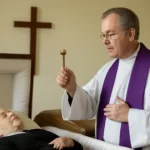
Grief is a universal human experience, and funeral prayers form a meaningful bridge between loss, memory, and hope. Across cultures and faiths, these prayers bring people together, honor the person who has died, and offer guidance to the living. In this article, we explore the meaning of funeral prayers, outline the major types across traditions, and provide practical guidance on how to say them—whether you are leading a service, participating as a mourner, or offering a short prayer at a graveside. The goal is to equip readers with a clear understanding of what these prayers symbolize, how they are structured, and how to adapt them with care and authenticity to different contexts.
Funeral prayers are more than ritual words; they are acts of meaning-making in the face of mortality. They can serve several interconnected purposes:
Comfort for the bereaved. The prayers acknowledge pain, express shared sorrow, and affirm community support.
Honor for the deceased. The prayers affirm the dignity of a life lived and the gratitude of those left behind.
Hope or the invitation to reflect on the afterlife, legacy, or memory, depending on belief systems.
Explicit remembrance. The prayers preserve the name, story, and values of the deceased within the communal memory.
Moral and ethical framing. They often call survivors to acts of kindness, gratitude, and service in memory of the departed.
Different traditions frame these aims using distinct theological concepts, but the underlying function is similar: to transform private sorrow into shared meaning, to mark a transition, and to invite the living to continue in a spirit of compassion and fidelity to what matters most.
When discussing the range of funeral prayers, it is helpful to distinguish between two broad categories: liturgical prayers that are part of a formal service and devotional or personal prayers offered individually or in small groups. Both kinds play important roles in many communities.
Overview of Traditions and Types
Funeral prayers exist in many faiths and spiritual communities, and each tradition has its own genres, languages, and rituals. The following overview highlights some of the most common forms, while recognizing that within each tradition there are variations by denomination, culture, and region.
Christian funeral prayers: Catholic, Protestant, and Orthodox variations
Across Christian practice, funeral prayers often appear within a larger liturgy or service. They may include readings from scripture, hymns, a eulogy, and a homily, but the core moments typically involve prayer for the dead, consolation for the bereaved, and a reminder of eternal life or divine mercy.
Catholic context. A Funeral Mass or a funeral liturgy centers on the Eucharist, accompanied by prayers for the deceased, and the vesting of the body with ritual readings, prayers, and blessings. The Requiem—the Mass for the dead—emphasizes the communion of saints and the hope of resurrection.
Protestant context. Funeral services may feature a sermon, hymns, and prayers such as the Lord’s Prayer and personal dedications. In many communities, prayers of comfort and plenary prayers on behalf of the deceased are central elements.
Orthodox context. The service often emphasizes the-afterlife faith and the prayers of the community for the departed, including processions, specific chants, and intercessions for the soul.
Jewish funeral prayers: El Malei Rachamim, Kaddish, and related readings
In Jewish practice, funeral prayers include a solemn set of liturgical pieces. The El Malei Rachamim is a primary memorial prayer invoking God’s mercy for the departed, commonly recited at funerals and at the grave. Mourners participate in the Mourner’s Kaddish, a traditional blessing that honors God and signifies the community’s steadfast presence, even during grief. Additional psalms and readings may accompany the service, and the burial ceremony has its own sequence of blessings and prayers.
Islamic funeral prayers: Salat al-Janazah and supplications
In Islam, the standard ritual is Salat al-Janazah, a congregational funeral prayer that is distinct from ordinary daily prayers. It is traditionally performed with four takbirs (utterances of “Allahu Akbar”) and a sequence of supplications for the deceased and for the community. The structure is generally:
First takbir: recitation of Surah Al-Fatiha or a short silent prayer.
Second takbir: blessings on the Prophet Muhammad (durood or salat on the Prophet).
Third takbir: supplications for the deceased and all believers, living and dead.
Fourth takbir: completion with tasleem (salutation) to the right and left.
Beyond Salat al-Janazah, many Muslim communities offer additional du’a for mercy, forgiveness, and steadfastness for the family, often recited in Arabic or the community’s language.
Hindu funeral prayers and rites: antyesti and shraddha
In Hindu practice, the funeral rites are part of a broader set of antyesti (last rites) and shraddha (ancestral rites). Prayers and mantras are chanted to honor the soul of the deceased, request peaceful transition, and sustain the departed on the journey beyond life. The prayers may be offered by family members in the home or at the cremation site, often accompanied by offerings, sacred fire, and ritual gestures that mark the passage of the soul from one state of existence to another.
Buddhist and secular perspectives on funeral prayers
Buddhist practice often centers on chanting, metta (loving-kindness) prayers, and reflections on impermanence, with the aim of releasing suffering and guiding the deceased toward a gentle transition. In secular contexts, families may use non-religious memorial prayers, focused readings, and meditations that honor the person’s life and provide solace for the living.
Sikh funeral prayers: Ardas and Anand Sahib
Sikhs frequently draw on prayers such as the Ardas (a long, supplicatory prayer of remembrance and aspiration) and verses from the Granth. The service emphasizes courage, hope, humildy, and the remembrance of the divine name (Naam) as survivors pray for the soul of the deceased and for the community’s well-being.
While these descriptions illustrate common patterns, the exact words, order, and emphasis of funeral prayers will vary widely. The key is to honor the deceased, support the bereaved, and remain faithful to the tradition’s beliefs and customs.
Common Elements Across Traditions
Despite differences in language, theology, and ritual practice, most funeral prayers share a core set of elements. Recognizing these can help you engage respectfully in any tradition or when composing a personal tribute.
Address to the divine or ultimate reality. Most prayers begin with a focus on the sacred, the divine, or the universe’s larger order.
Meaningful remembrance. The deceased is named or remembered in a way that honors their life and impact.
Petition for mercy, comfort, or guidance. Prayers often ask for mercy for the departed and solace for the living.
Affirmation of faith or values. The prayer may restate core beliefs or moral commitments associated with the person’s life.
Community and continuity. Prayer is a communal act that connects present mourners with the deceased and with future generations.
Ritual actions. The structure may include kneeling, standing, prostrating, reciting, singing, or quiet contemplation, along with symbolic acts like lighting candles or placing flowers.
These elements are often arranged in a variety of patterns, from short invocation to long liturgical pieces. When reading or reciting a funeral prayer, you can keep these common elements in mind to maintain a sense of coherence and reverence across contexts.
Practical Guide: How to Say Funeral Prayers
Whether you are leading a service, participating in a ceremony, or offering a personal tribute, here are practical steps to help you say a funeral prayer with care and clarity.
Before the service: preparation and sensitivity
Consult with the family or religious leader about the preferred form and language of the prayers.
Choose a tone that matches the mood of the gathering—solemn, hopeful, or celebratory of life as appropriate.
Prepare the wording in advance if you are delivering a personal prayer or reading. If you are quoting a traditional text, practice pronunciation and rhythm.
Consider including the deceased’s name early in the prayer to personalize the tribute.
Follow the order of the service, but allow for natural pauses between sections so attendees can reflect or pray silently.
Speak clearly, slowly, and respectfully. When reading aloud, project your voice so those in attendance can hear without strain.
Use inclusive language that honors diverse beliefs in the room, while remaining faithful to the tradition you represent.
If you are leading a multilingual gathering, you may provide translations or offer the prayer in the communal language first, followed by a short explanation or translation.
Elements you may include in a funeral prayer
Name the deceased and share a brief, respectful remembrance or virtue.
Invoke mercy, compassion, or peace for the deceased and for the bereaved.
Offer gratitude for the life that was shared and the support from community members.
Encourage ongoing acts of kindness, charity, and remembrance as a living legacy.
Close with a benediction, blessing, or final blessing of peace, depending on tradition.
Personal prayers and non-traditional formats
In many communities, personal prayers or non-traditional tributes are welcomed alongside formal liturgy. Suggestions include:
Personal reflection. A short, sincere meditation on what the person’s life meant to you or to the community.
Memory sharing. A brief remembrance or anecdote that honors the deceased’s character or impact.
Gratitude and service. A commitment to acts of kindness, volunteering, or charity in memory of the deceased.
Glossary of Terms and Phrases
Below is a compact glossary of terms frequently used in discussions of funeral prayers. Understanding these terms can help you navigate conversations, liturgies, and written prayers with greater ease.
du’a (Arabic): a supplication or prayer for mercy, guidance, or blessings.
takbir (Islam): the proclamation «Allahu Akbar» said during prayers, here in the context of the four takbirs of Salat al-Janazah.
El Malei Rachamim (Jewish): a memorial prayer for the deceased asking God for mercy and peace.
Kaddish (Jewish): a prayer sanctifying God’s name, traditionally recited by mourners as part of the grieving process.
Requiem (Latin: «rest») or Funeral Mass (Catholic): liturgical music and prayers honoring the dead and praying for light and peace in the afterlife.
Salat al-Janazah (Islam): the Islamic funeral prayer performed by the community for the deceased.
Antyesti (Hindu): last rites performed for the departed, including prayers and rituals for the soul’s journey.
Ardas (Sikh): a long supplicatory prayer asking for divine blessings and strength for the community and the soul on its journey.
Examples and Variations of Funeral Prayers
To illustrate the range of approaches, here are sample texts that reflect different traditions. These examples are designed to be adaptable; you can tailor them to your own context while preserving the respectful tone required by a solemn occasion.
Sample Christian funeral prayer (generic, non-denominational)
O God of all comfort, we gather to remember a life that touched our hearts. We give thanks for the years we shared, for the kindness we witnessed, and for the love that remains in our memory. In sorrow we find your strength; in grief, your peace. May the memory of our loved one be a blessing to all who knew them. May we carry forward their example of compassion, generosity, and faith. Grant rest to their soul, and grant courage and consolation to those who mourn. Amen.
May God the compassionate One grant rest to the soul of our beloved, and may the light of God shine upon them forever. May their memory be for a blessing, and may we be sustained by the warmth of communal care as we recall their deeds. May we find strength in one another, and may peace be with us all as we honor their life and legacy. Amen.
Sample Muslim funeral prayer (paraphrased structure)
O Lord of mercy, forgive our departed brother/sister, have mercy on them, and grant them a noble station in Your presence. Strengthen their family in this time of trial. Help us to be gentle with one another, to support the bereaved, and to remember the good deeds of the departed. We seek Your mercy, Your forgiveness, and Your peace. Ameen.
Sample Hindu remembrance prayer (shraddha-inspired, non-ritualistic)
O eternal soul, may your journey be peaceful. We offer our gratitude for the teachings you shared and the love you gave. May your memory inspire us to live with kindness, integrity, and humility. We bow to your memory, and to the divine presence that sustains us all. May peace prevail in our shared path forward.
May all beings be free from suffering. May the one who has passed on find ease and release, and may those who remain find compassion for themselves and others. May we remember with gratitude the life that was shared, and may our remembrance lead us to act with greater kindness in the days ahead.
Sample secular remembrance tribute
We gather to honor a life well lived. We remember the laughter, the generosity, the quiet acts of care that made a difference. Though we feel the ache of loss, we also celebrate the gifts this person gave to us and to the world. May their memory guide us to live with courage, curiosity, and compassion.
Tips for Personalizing Funeral Prayers
Personalization can deepen the meaning of funeral prayers while honoring tradition. Here are practical ideas for making prayers feel authentic and respectful:
Name the deceased early in the prayer to ground the tribute in the person’s life.
Acknowledge the grief. It’s appropriate to recognize pain and the reality of loss as a part of the prayer.
Include a memory or characteristic that captures the person’s spirit—kindness, humor, generosity, courage.
Connect to life values. Tie the tribute to values the deceased embodied and how those values continue to inspire the living.
Offer a practical commitment. If appropriate, propose a concrete act—volunteering, donating to a cause, or supporting family members—that aligns with the person’s legacy.
Common Mistakes to Avoid
Presuming a single right form. Rituals vary; seek guidance from a family member or religious leader when possible.
Using overly personal language without consent. While personalization is good, ensure it respects the beliefs of all attendees.
Rushing through the prayers. Take your time to allow reflection and silence where appropriate.
Forgetting the bereaved. Prayers should center both the deceased and the living, offering comfort to the family and friends.
Conclusion: The Enduring Value of Funeral Prayers
Across traditions and languages, funeral prayers offer a durable means of facing loss with reverence and care. They help communities elevate memory, affirm shared values, and support those who grieve. Whether you are reciting ancient liturgy, delivering a personal homage, or offering a brief moment of silence at a graveside, the essential aim remains consistent: to hold the memory of the departed with dignity, to comfort the living, and to remind us all of the continuing thread of human connection. By understanding the meaning, types, and practical approaches to saying them, you can participate in these rituals with confidence, empathy, and steadiness during one of life’s most challenging moments.

 Por Laura Jara