What Is an Evil Spirit? A Comprehensive Guide to Its Definition, Origins, and Signs
An evil spirit is a term used across many cultures and belief systems to describe a non‑physical being believed to manifest malevolence, harm, or disruption in the lives of human beings. Definitions vary widely depending on religious, cultural, and historical context, but a common thread is that such entities are regarded as conscious, autonomous beings whose influence is experienced as harmful, distressing, or morally objectionable. In some traditions they are considered demonic forces, in others they are seen as displaced or misplaced souls, and in still others they are understood as ancestral or elemental beings that have gone astray from a desired cosmic order.
In everyday language, you will encounter several interchangeable phrases that aim to describe the same phenomenon from different angles. For example, you might hear about a malevolent entity, a demonic presence, a malign spirit, a shadowy force, or a spiritual disturbance. Across cultures, the idea of an evil spirit often carries moral implications: such beings are linked to wrongdoing, temptation, or the erosion of social or spiritual norms. This article explores these definitions, their origins, the signs associated with them, and the ways people interpret and respond to such experiences.
Definitions and Variants
What counts as an evil spirit can be understood through several lenses, each highlighting a different facet of the same general phenomenon. Below are common ways scholars, theologians, and storytellers describe these entities.
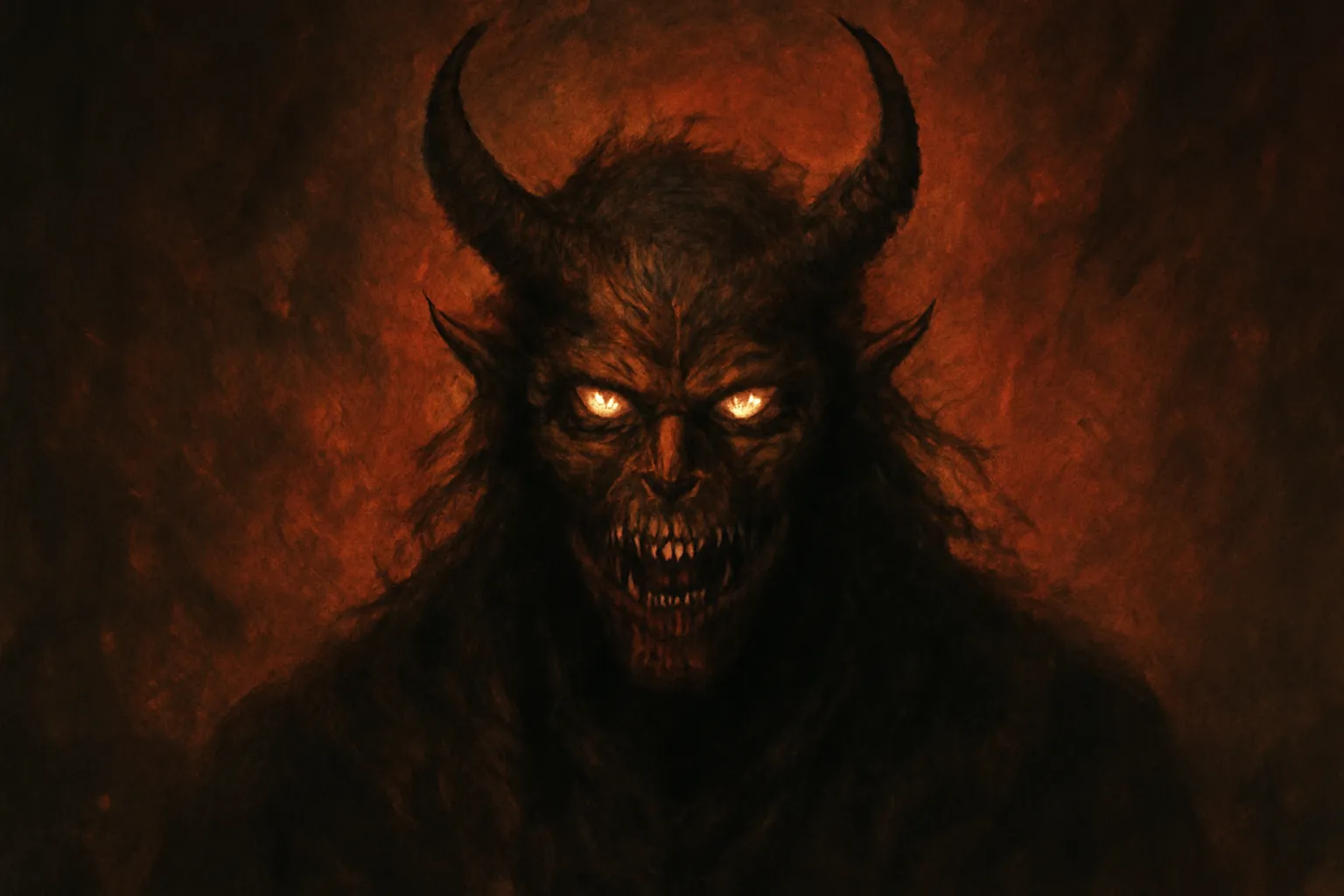
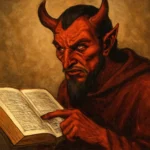
Demonic presence: In many religious traditions, an evil spirit is a conscious, autonomous being opposed to human well‑being and divine order. This framing often includes ideas of supernatural agency, moral opposition to goodness, and the capacity to tempt, possess, or corrupt.
Malevolent entity: A broader term that can apply to various non‑human beings reputed to cause harm, from mischievous spirits to genuinely dangerous beings. It emphasizes intentional harm rather than ritual or doctrinal definitions.
Possessing or oppressive spirit: In some traditions, the focus is on how an entity interacts with a living person—taking control of thoughts or actions (possession) or exerting persistent pressure (obsession or oppression).
Unseen or liminal forces: A more diffuse category where the entity is not easily categorized as strictly good or evil, but is nonetheless associated with disruption, misfortune, or spiritual disequilibrium.
Mythic or folkloric archetype: In folklore, evil spirits often symbolize collective fears—disease, drought, war, social upheaval—and serve as narrative devices to teach lessons or explore taboo topics.
Another important distinction is between personal beings with names, personalities, and histories (for example, a demon with a backstory) and abstract forces or ancestral memories that manifest as disruptive phenomena. In everyday discourse, people may use descriptors such as dangerous energy or unsettling presence to discuss experiences that some interpret as caused by a malevolent agent, while others attribute them to non‑supernatural explanations.
Where do stories of evil spirits come from, and why do they appear in so many different cultures? The answer lies at the intersection of theology, history, psychology, and social practice. The idea of evil spirits emerges from humanity’s attempt to explain suffering, misfortune, and moral conflict, and to regulate behavior through shared beliefs. Across the centuries, belief in these beings has been shaped by religious doctrine, historical events, and local customs.
Theological and religious foundations
In many faith traditions, evil spirits are part of a larger cosmology that includes divine powers, cosmic laws, and moral accountability. Some key themes include:
Cosmic opposition: A moral universe in which benevolent forces seek to support human flourishing, while malevolent forces seek to undermine it. This dualistic framework appears in various forms in different religions.
Temptation and moral testing: Evil spirits are portrayed as agents that test individuals’ virtue, resolve, or faith, often attempting to lure people into wrongdoing.
Disorder and chaos: In many theologies, evil spirits symbolize disorder—disease, chaos, and rebellion against divine order—that must be overcome through ritual, prayer, or exorcism.
Different traditions have their own exemplars and vocabularies. For instance, in Western monotheistic traditions, the term “demon” is common, with particular lore about hierarchy, attributes, and methods of influence. In other religious ecosystems, figures such as djinn (in some Islamic and Arabian contexts) blur the line between spiritual beings and natural forces. In Hindu and Buddhist thought, malevolent entities may be described as asuras, yakshas, or spirits of affliction, each with unique characteristics and methods of interaction with humans. These variants reveal how the concept of an evil spirit adapts to local moral economies and metaphysical models.
Historical evolution and social function
Beyond formal theology, the belief in malign spiritual beings evolves with historical circumstances. During periods of upheaval—plague, famine, war—communities often interpret misfortune as the action of evil forces, which justifies collective rituals, social cohesion, and moral reform. Folkloric traditions may encode warnings about taboo subjects, such as illicit behavior, disrespect toward elders, or violation of sacred spaces, through stories of evil intruders into households or villages.
In some regional traditions, spirits are not strictly external antagonists; they can be seen as embodied memories of past traumas or as embodiments of collective guilt. This perspective helps explain why the same category of beings appears in diverse cultural landscapes with similar roles in maintaining social norms and transmitting cultural knowledge.
Theories About Origins
Scholars debate how to account for the persistence and spread of beliefs in evil spirits. There are several overlapping theories, each offering a different lens for interpretation. These theories are not mutually exclusive; they often inform one another.
Theological and doctrinal explanations
From a faith‑based standpoint, evil spirits arise from the metaphysical order. They are created or permitted by a higher power as part of a tested world, with the purpose of guiding believers toward righteousness, moral discipline, or spiritual growth. In this frame, exorcism, deliverance, or cleansing rituals are designed to restore alignment with the divine plan and banish the malevolent force from the afflicted person or space.
Within this view, the existence of malevolent beings serves to personify moral stakes. The interplay between free will and spiritual agency becomes a central theme: individuals may yield to temptation or resist, thereby shaping their own destinies and the spiritual climate around them.
Psychological and social interpretations
Many scholars argue that beliefs in evil spirits are deeply entwined with human psychology and social dynamics. Some key ideas include:
Projection: People may project their internal fears, anger, or guilt onto external agents—creating a tangible target for inner conflict.
Ambiguity resolution: Explaining mysterious illnesses, unexplainable behavior, or sudden misfortune through a personal agent can make sense of randomness in a structured narrative.
Social control: Spiritual authority figures use the concept of malevolent spirits to enforce norms, condemn deviance, and mobilize communities for collective action.
Ritual healing and rehabilitation: Rituals addressing evil spirits can offer structured pathways for communities to cope with loss, trauma, or grief.
From a secular lens, some researchers highlight how environmental stress, misdiagnosis, or cultural storytelling can generate experiences that communities interpret as encounters with an otherworldly malevolence. The result is a rich tapestry in which the idea of an evil spirit serves as a flexible instrument for understanding human experience, rather than a single objective reality.
Signs and Phenomena Associated with Evil Spirits
People who report encounters with a malevolent entity often describe a set of recurring signs. While not everyone experiences these phenomena in the same way, certain patterns recur across cultures and historical periods. The following categories help organize the typical indicators associated with a spiritual disturbance.
Behavioral and experiential signs
Sudden changes in mood or energy: A shift toward fear, agitation, or irritability that seems disproportionate to ordinary circumstances.
Unexplained movements or activity: Objects moving, doors or windows opening and closing, or sensing a “presence” without a physical cause.
Nighttime disturbances: Sleep paralysis, nightmare envelopment, or a sense of oppression that intensifies at night.
Unusual vocalizations or whispers: Disembodied voices, murmurs, or sounds that others cannot hear or explain.
Uncanny familiarity or dread: A compelling sense that a space or person is dangerous, even in the absence of rational reasons.
Environmental and physical signs
Cold spots or sudden changes in temperature without a clear source.
Electronic or mechanical disturbances: Unexplained static on devices, short circuits, or battery drain that cannot be accounted for.
Unusual odors: Fragrances or smells that seem linked to an entity or space, often described as sulfurous, rotten, or acrid.
Patterns of misfortune: Recurrent accidents, health problems, or economic difficulties that seem to cluster around a person or dwelling.
Direct possession or control: A classical concern in many traditions, where a person’s actions or voice appear to be guided by another entity.
Oppression or influence: Ongoing pressure that affects thoughts, choices, or behavior without full possession.
Haunting or visitation: A space or object is repeatedly visited by an entity or its energy, often tied to a location’s history.
It is important to note that many of these signs can have non‑supernatural explanations. sleep disorders, high stress, neurological conditions, environmental factors, and cultural expectations can all produce experiences that are interpreted as encounters with evil forces. In clinical settings, professionals emphasize careful assessment, grounding, and evidence‑based explanations before attributing phenomena to supernatural causes.
Cross-cultural Perspectives on Evil Spirits
Different cultures describe and classify malignant spiritual beings in ways that reflect local cosmologies, moral concerns, and social practices. Here are some representative snapshots that illustrate semantic breadth and respect for cultural nuance.
In Western Christian and Jewish traditions
Many communities distinguish between “spirits of danger” and “spirits of temptation.” In these settings, demonic entities are often correlated with sinful behavior, and intervention typically involves prayer, sacramental rites, or exorcism. The focus is frequently on returning an afflicted person to a state of ritual purity and social order.
In Islamic and Middle Eastern lore
The term djinn is used in many contexts to describe spiritually potent beings, some of which may be malevolent. In these narratives, spirits vary in moral alignment and power, and rituals for protection and purification—such as recitation of sacred verses or blessings—are common. The line between human vulnerability and spiritual danger is often framed through concepts of spiritual contamination and divine safeguard.
In South Asian and Southeast Asian traditions
Malign forces may be described as asuras or other term families, frequently tied to anthropological concepts of order and chaos. Rituals, charms, and offerings to appease or redirect the spirit world are traditional tools for maintaining harmony in family life and community spaces. The emphasis tends to be on restoring balance and honoring the broader cosmic order.
In African and Indigenous belief systems
Many communities view malevolent spirits as ancestors or nature spirits that require respectful interaction. The focus is often on reciprocity, ritual boundaries, and the protection of communal spaces. Evil influence may be seen as a breach of customary law or an offense against the lineage, demanding restorative justice as well as spiritual cleansing.
Across these diverse contexts, a shared feature is the belief that the human and the spiritual are connected. What is perceived as an evil spirit is often a signal of imbalance, moral concern, or communal vulnerability, urging action—whether through ritual, social reform, or personal discipline.
The Role of Evil Spirits in Literature, Folklore, and Art
Artists and storytellers have long used the figure of the malevolent spirit to explore fundamental questions about fear, power, and the limits of human agency. While the specifics vary by tradition, several enduring functions recur in creative works.
Monster as morality tale: A malevolent entity embodies a vice or social danger, forcing characters to confront ethical choices.
Test of character: Encounters with evil presences serve as tests that reveal resilience, courage, or moral collapse.
Mirror of collective anxiety: Stories about corrupting spirits reflect cultural concerns—war, illness, displacement, or modernization—and help communities negotiate fear.
Ritual and healing narratives: The arc of exorcism, purification, or reconciliation offers a framework for communal resilience and shared values.
In modern media, the trope travels through genres such as horror, fantasy, and supernatural drama, while still inviting audiences to consider the ethics of fear, the psychology of suggestion, and the social meaning of spiritual danger. The portrayal of evil spirits—whether as insidious whispers or as grand, towering entities—can highlight how societies understand the boundaries between the sacred, the profane, and the human realm.
Modern Interpretations and Debates
Contemporary discussions about evil spirits often balance tradition with skepticism, science, and mental health awareness. Several currents shape current discourse.
Skepticism and scientific inquiry
Many scientists and secular thinkers emphasize natural explanations for experiences attributed to evil spirits. Sleep disorders, sleep paralysis, temporal lobe phenomena, sensory misinterpretation, and environmental factors are common topics in debates about alleged supernatural encounters. Skeptics advocate for rigorous testing, critical thinking, and a cautious approach to extraordinary claims, while still acknowledging the cultural significance of the belief in malevolent beings.
For believers, evil spirits remain a meaningful aspect of the spiritual landscape. Practices like prayer, blessing rites, protective amulets, and community ceremonies are deployed to restore harmony and protect vulnerable individuals and spaces. Respecting diverse religious frameworks is essential when discussing these subjects, since many communities rely on these beliefs for comfort, moral guidance, and social cohesion.
Psychology, trauma, and healing
Some researchers explore how experiences attributed to evil spirits intersect with trauma, trauma‑related disorders, and coping mechanisms. Rituals and rituals’ social dynamics can play a therapeutic role by offering structure, collective support, and a vocabulary for expressing fear and grief. In clinical settings, professionals may work with individuals to distinguish between psychological symptoms and culturally meaningful interpretations of those symptoms, with sensitivity to personal beliefs.
Practical Guidance for People Exploring These Beliefs
Whether you are studying these ideas academically, engaging with family or community traditions, or experiencing something that resembles a spiritual disturbance, a measured approach is prudent. Here are practical avenues to consider.
Stay grounded and informed
Document experiences: Keep a journal of events, locations, times, and accompanying emotions. This helps in pattern recognition and distinguishing correlation from causation.
Rule out natural explanations: Consider sleep quality, stress levels, medication side effects, environmental factors, and physical health before drawing supernatural conclusions.
Seek supportive voices: Talk to trusted friends, family, or community leaders who are respectful of your beliefs and who provide nonjudgmental listening.
Engage with respectful communities
Consult knowledgeable practitioners: If you belong to a tradition that uses rites for cleansing or protection, consider consulting trained and reputable practitioners within that tradition.
Respect cultural contexts: Recognize that beliefs about evil spirits are culturally embedded; approach differences with curiosity rather than judgment.
Acknowledge boundaries: If others in your circle hold different beliefs, strive for mutual respect and avoid coercive discussions or practices.
When to seek professional help
Persistent distress or impairment: If experiences cause ongoing fear, sleep disruption, or functional impairment, consider consulting a mental health professional or medical provider.
Safety concerns: If there is risk of harm to self or others, seek immediate help from local emergency services or crisis hotlines.
Coexisting conditions: Some symptoms may accompany medical conditions (for example, neurological or psychiatric disorders) that require diagnosis and treatment.
Terminology and Clarity: A Guide to Language
As you explore this topic, you may encounter a spectrum of terms. Recognizing this variety helps prevent conflation and supports precise communication. Key terms include:
Evil spirit or malevolent spirit: General descriptors used across many traditions to denote harmful, non‑physical beings.
Demon or demonic entity: Often tied to theological systems with specific lists, hierarchies, and ritual protocols.
Possessing spirit or oppressive entity: Focuses on the relationship between the spirit and a living person.
Haunting or disquieting energy: Used in secular or folk contexts to describe persistent, unsettling phenomena without asserting supernatural causation.
Nature or ancestral spirit with malevolent attributes: In some traditions, dangerous energy is not external to the person but connected to lineage, place, or environment.
Key Takeaways and Ethical Considerations
Whether you approach this topic from a religious, folkloric, psychological, or literary standpoint, several cross‑cutting ideas are worth keeping in mind:
Belief is diverse: The same concept—an evil spirit—can function in many different ways, depending on culture, history, and personal experience.
Symbolic significance: Evil spirits often symbolize moral conflict, social fears, or inner psychological states, serving as a narrative and ethical framework for communities.
Human agency matters: People’s responses—rituals, prayers, cleansing rituals, or seeking help—reflect agency, resilience, and the desire to restore balance.
Careful interpretation is essential: Distinguishing between metaphor, cultural tradition, and potential clinical concerns is important for respectful discourse and personal safety.
In sum, the concept of an evil spirit is not a monolith. It is a multifaceted construct that travels across time and space, adapting to different moral universes and social needs. Whether as a theological category, a folkloric archetype, a psychological metaphor, or a literary device, the moral and existential questions it raises remain deeply relevant: How do communities respond to fear? How do individuals distinguish danger from explanation? And how can we engage with beliefs that shape people’s lives in meaningful, respectful ways?

 Por Laura Jara