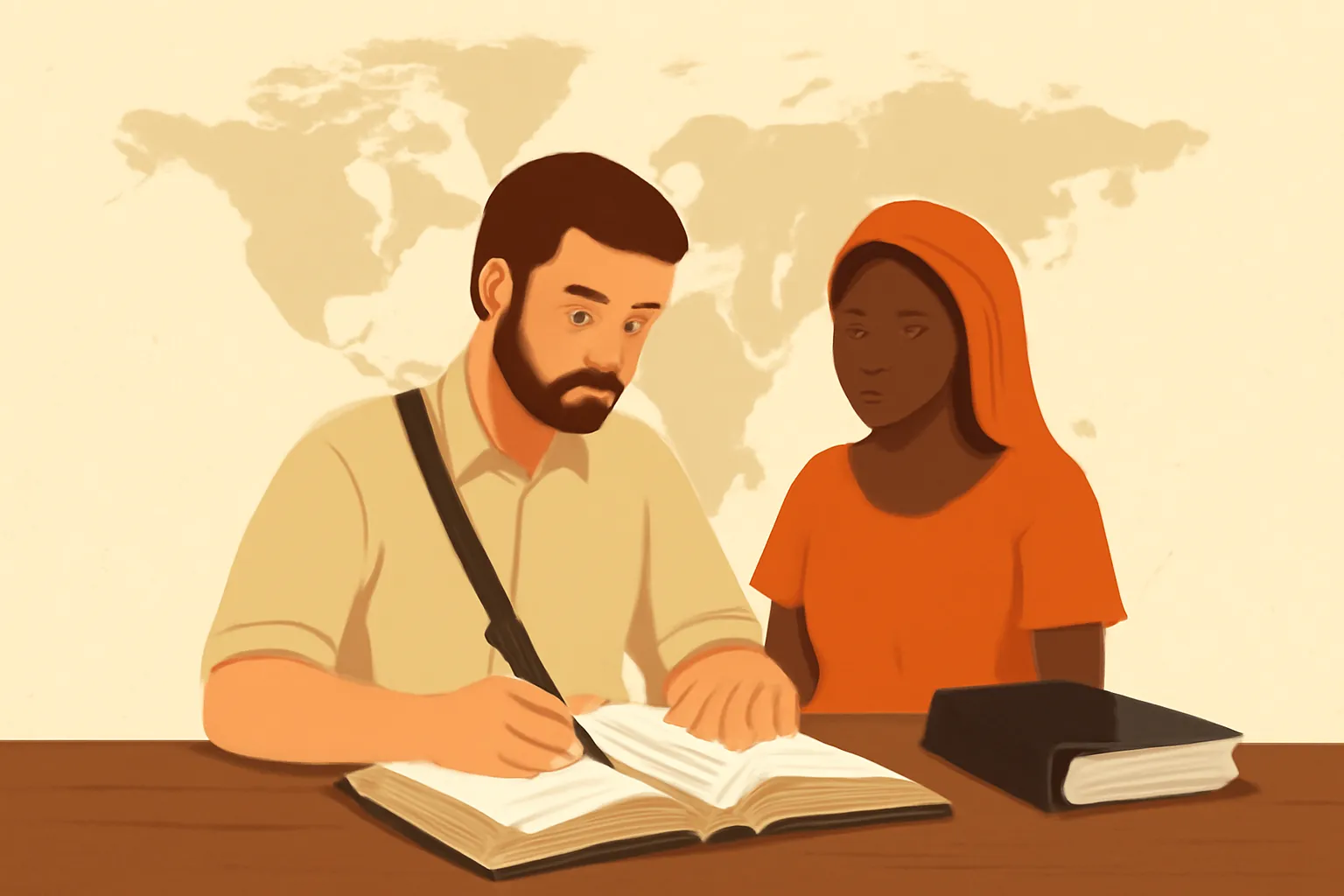
Bible translation missions, also described as scripture translation efforts or bible translation projects, are a global endeavor to render sacred texts into languages that have historically lacked a full, accurate, and culturally resonant rendering. These missions are not merely about converting words from one language to another; they are about preserving meaning, idiom, tone, and theological nuance so that communities can read, hear, and study Scripture in their own language. The work is carried out by teams that often span disciplines—linguistics, theology, literacy education, software engineering, audio production, and pastoral leadership—each contributing to a holistic process that reaches from fieldwork to widespread distribution.
Across the globe, biblical language revival and language stewardship are central to how translation missions operate. Many of these efforts begin in partnerships with indigenous language communities, churches, and academic institutions, emphasizing local ownership and long-term capacity building. The goal is not only to produce a translation but to foster a sustainable ecosystem for ongoing study, teaching, and worship in the heart language of the people.
The Core Mission and Its Rationale
The bible translation mission is rooted in the conviction that Scripture is most meaningful when read in the language in which a person thinks, dreams, and interacts with the world. When a language has a complete and accurate translation, communities gain access to the full range of biblical genres—narrative, law, poetry, prophecy, wisdom literature, and gospel accounts. This access supports:
Spiritual formation: individuals encounter Scripture as it was intended to shape belief, worship, and daily practice.
Educational benefits: literacy development, bilingual education practices, and enhanced critical thinking around texts.
Cultural vitality: translation efforts can affirm linguistic heritage and empower communities to translate other cultural materials.
Community cohesion: joint projects foster collaboration among churches, schools, and local leaders.
Faithful transmission: future generations inherit a stable foundation for debates, teaching, and discipleship.
Translation missions are not isolated projects; they are interconnected with language development, literacy initiatives, and digital distribution strategies. When executed with relational integrity and shared leadership, these efforts create durable changes that extend beyond the printed page to audio resources, study guides, and community literacy programs.
Variations in Approach: How Different Teams Do It
Community-led Bible translation initiatives
In many contexts, community-led translation teams are the most effective because they bring insiders’ knowledge of culture, metaphor, and everyday language. These teams often comprise native speakers who collaborate with linguists, theologians, and translators from outside the community. The emphasis is on ownership by the language community, ensuring that the final product reflects local meanings rather than outside expectations.
Interdenominational and ecumenical collaborations
Some translation projects emerge from interdenominational partnerships, recognizing that Scripture belongs to a broad spectrum of believers. These collaborations pool resources, training, and theological perspectives to produce translations that serve a wider audience while maintaining accuracy and respect for doctrinal diversity.
With advances in translation software, term databases, and mobile interfaces, some translation missions prioritize digital-first approaches. This can involve crowd-sourced revision, alignment with universal linguistic standards, and the creation of audio recordings and interactive literacy tools to reach populations with limited literacy.
Education-focused and literacy-centered models
A growing trend in bible translation missions is pairing Scripture translation with literacy programs. In many communities, literacy training is an essential companion to translation work, because reading capability increases engagement with Scripture. This model often partners with schools, libraries, and local literacy NGOs to build a foundation for sustained Scriptural study and community leadership.
How You Can Support Global Bible Translation
Financial support: funding translation and capacity-building
Sustainable financial support is a cornerstone of successful bible translation missions. Donors can contribute to general funds or earmarked projects that align with the needs of a language community. Key areas to fund include:
Field linguist salaries and stipends for long-term researchers
Translation software licenses, data storage, and linguistic documentation
Training programs for local translators and literacy instructors
Community centers, libraries, and printing costs for Bible portions and study materials
Audio production, including storytelling recordings and radio-friendly formats
Monitoring and evaluation to measure impact and guide future work
Transparent stewardship and regular reporting help donors see how their gifts translate into tangible outcomes—accurate translations, increased literacy, and broader access to Scripture.
Prayer and advocacy: sustaining spiritual momentum
Prayer is a foundational aspect of bible translation missions. Prayer networks sustain field teams facing logistical, cultural, and emotional challenges and invite spiritual discernment during complex translation decisions. Advocates can also raise awareness by sharing stories of transformation, highlighting linguistic diversity, and encouraging churches to value long-term commitments to language communities.
Volunteer opportunities: skills and roles that help scale impact
Volunteers can contribute in numerous ways beyond traditional missionary roles. Some possibilities include:
Linguistic analysis and terminology development to create precise lexical databases
Translation checking and consistency reviews to ensure accuracy and readability
Scripture engagement programs, including Bible study guides and devotionals in local languages
Digital product support, such as app localization, website maintenance, and data management
Project coordination and community outreach to foster trust and participation
If you’re considering volunteering, seek opportunities that align with your skills and are led by experienced organizations that respect local leadership and consent processes.
Partnerships with churches and schools: multiplying impact
Churches and educational institutions can be powerful allies in bible translation missions. By integrating translation projects into discipleship training, Sunday school curricula, and seminary programs, these partnerships help sustain translation work while reinforcing the motivations for language preservation and spiritual growth.
Technology and distribution: expanding reach
Distribution strategies matter. In addition to printed Bibles, modern translation missions leverage:
Audio Bibles for oral learners and non-literate speakers
Mobile apps and offline readers to circumvent connectivity limitations
Online libraries and cloud-based glossaries for researchers and educators
Radio programs and community media to reach wider audiences
Partnerships with local publishers for affordable printing
By combining traditional text with multimedia formats, bible translation missions can reach children, youth, and adults in diverse settings, ensuring that Scripture remains accessible in daily life.
Ethical engagement is central to successful translation missions. Respect for language sovereignty, consent from communities, and careful handling of theological nuances are non-negotiable. Challenges often include:
Balancing literal fidelity with natural readability in the target language
Navigating cultural sensitivity around scriptural translation choices
Ensuring community ownership of the translation outputs and ongoing revisions
Maintaining quality assurance across multiple dialects or registers
Addressing logistical barriers such as geography, funding cycles, and political constraints
Guarding against dependency by fostering local leadership and capacities
Responsible practitioners emphasize transparency, ongoing consultation, and accountability to language communities. When communities see themselves as partners rather than receivers, translation efforts become more durable and culturally affirming.
Impact and Outcomes: What Success Looks Like
The impact of bible translation missions can be measured in several dimensions:
Increased literacy rates and reading engagement in the heart language
Worship enhancement through accessible liturgy, prayers, and sermon texts
Educational improvements via Bible-based literacy curricula and study materials
Community empowerment as language work becomes a source of pride and identity
Access to Scripture for marginalized language groups who previously had no complete translation
Intergenerational continuity as younger speakers connect with elders through shared texts
Real-life testimonies often highlight how a freshly translated verse or a story from Scripture can illuminate moral questions, encourage reconciliation, and spur new worship expressions rooted in local culture. These outcomes, while spiritual in nature, frequently produce practical benefits in health, education, and social cohesion.
Getting Involved: A Step-by-Step Guide
If you want to contribute to the global effort of bible translation missions, here is a practical path to consider:
Educate yourself about linguistic diversity, language endangerment, and translation methodologies.
Identify reputable organizations with a track record of ethical engagement and community-led work (for example, well-established bible translation organizations and regional partners).
Choose a focus area (e.g., fundraising, literacy, software development, field support, prayer networks, or outreach).
Pray and discern about your role, ensuring alignment with the needs and permissions of language communities.
Commit long-term: translation projects often take years. Consistency and reliability are valued more than bursts of funding or activity.
Support responsibly by giving through vetted organizations, advocating for ethical practice, and promoting inclusive participation.
Share stories and learnings to raise awareness while respecting confidentiality and consent concerns.
Case Studies and Real-World Narratives
To illustrate the breadth of bible translation missions, consider a few representative scenarios where translation work has transformed communities:
A coastal language community partnered with a linguist team to publish a complete Bible, plus a parallel text for schools, resulting in measurable gains in literacy and a new sense of linguistic pride among youth.
In a highland region, an ecumenical coalition used a scripture translation project to bridge interdenominational tensions by establishing shared terminology and standardized liturgy in the local language.
Urban centers with multilingual populations leveraged digital distribution to reach migrant communities that historically lacked access to Scripture in their languages, accompanied by audio resources and mobile learning tools.
These narratives underscore that the value of the work extends beyond spiritual outcomes. The processes build language vitality, strengthen families, and support educational systems by providing culturally relevant materials that people can trust.
Key Terms and Concepts in Bible Translation Missions
Having a shared vocabulary helps partners communicate clearly about goals and strategies. Some core terms include:
Source text — the original biblical manuscripts used as the basis for translation
Target language — the language into which Scripture is translated
Exegetical groundwork — the scholarly study of meaning and interpretation
Translation team — a group of linguists, theologians, native speakers, and editors
Glossary and lexicon — a centralized database of theological terms and their translations
Revision and checking — iterative processes to ensure accuracy and naturalness
Community consultation — ongoing feedback from language communities
Distribution channels — printed Bibles, audio recordings, digital apps, and multimedia resources
What Makes a Successful Bible Translation Mission Stand Out?
The most enduring translation efforts share several common attributes:
Local leadership that shapes priorities and guides ethical engagement
Transparent governance and regular reports to supporters and partners
Capacity building through training programs that empower local translators and literacy teachers
Quality assurance practices, including independent review by scholars and community testers
Sustainability plans that ensure ongoing updates and maintenance of translations as languages evolve
Faithful listening to the needs, questions, and aspirations of language communities
Designing a Personal Plan to Support Bible Translation Missions
If you’re forming a personal or organizational plan to engage with bible translation missions, consider these steps:
Clarify your core motivations—what do you hope to see realized in communities through translation work?
Set realistic funding goals and establish a cadence for giving that aligns with project milestones
Develop a prayer and advocacy calendar that keeps translation teams in regular consideration
Learn about ethical guidelines for mission work, including consent, ownership, and cultural sensitivity
Engage with local churches and language groups to understand what success looks like from their perspective
Frequently Overlooked Areas in Bible Translation Efforts
While the foreground of translation work often highlights the Bible text itself, several supporting areas deserve attention:
Oral traditions and the role of storytelling in conveying biblical narratives
Dialect preservation and the challenges of choosing one standard form when multiple dialects exist
Accessibility for people with disabilities, including tactile Bibles and screen-reading compatibility
Cross-cultural theological dialogue to ensure translations reflect a balanced approach to doctrinal diversity
Environmental and logistical considerations in remote or conflict-affected regions
Closing Reflections: The Ongoing Journey of Scripture in Every Language
The work of bible translation missions is never finished, because languages are living systems that continuously change and adapt. Yet each completed translation, each revised edition, and each distributed audio recording moves people closer to Scripture in forms that speak to their deepest questions. By supporting this work, you participate in a long-standing tradition of linguistic stewardship, cultural respect, and spiritual nourishment that honors dignity, promotes literacy, and enables communities to encounter the Bible in their own language.

 Por Laura Jara