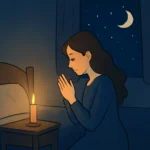
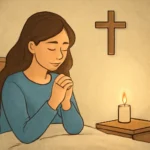
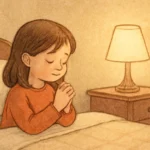
Prayer Before Sleep at Night: Simple Evening Prayers for Peace
In the hush that follows a long day, many people turn to prayer before sleep as a way to settle the mind, soften the heart, and prepare the body for rest. This article offers a comprehensive guide to evening prayers that foster peace, clarity, and restfulness. Whether you come from a tradition that emphasizes formal words, or you prefer a personal, spontaneous format, the practice of night prayer can be adapted to fit your life. The aim is not to impose a rigid ritual, but to invite a moment of pause, gratitude, and trust as night falls.
Across cultures and faith traditions, the idea of turning toward a quiet close to the day is a common thread. You may call it bedtime prayer, nightly supplication, or simply a ritual of winding down. The goals are consistent: to release anxiety, reaffirm values, bless those we love, and invite a sense of peaceful sleep that rests on a foundation of reflection rather than fear. This article presents practical guidance, a variety of short prayers, and ideas to help you craft your own nightly practice—whether you pray aloud, whisper, or pray silently in the quiet of your room.
Nighttime prayer is not about achieving perfection in recitation. It is about creating a reliable moment when the day ends with intention. For some people, this takes the form of a structured liturgy; for others, it is a few personal lines spoken from the heart. The spirit of night prayer is to acknowledge what happened during the day, express gratitude for small mercies, seek calm for the hours ahead, and entrust one’s cares to something larger than oneself. The practice can be secular, spiritual, or religious—what matters is the sense of presence and attention you bring to the moment.
In many forms, evening prayers serve four core purposes: ground the mind after a busy day, soften the heart toward others, cultivate gratitude, and invite a restful sleep. The language you use—whether traditional, contemporary, or improvised—can be tailored to your belief system or lack thereof. It can include elements such as gratitude, forgiveness, blessing, petition for protection, and a closing wish for peace. The flexibility of night prayer makes it accessible to people of diverse backgrounds, ages, and schedules.
Benefits of Praying Before Sleep
Calming the nervous system: a quiet, reflective practice reduces rumination and fosters parasympathetic activation that supports relaxation and sleep quality.
Emotional release: acknowledging fears, worries, or disappointments in a safe space can lessen late-night anxieties.
Focus and clarity: naming worries and priorities can help you set a gentle course for tomorrow.
Gratitude and perspective: ending the day with gratitude shifts attention from stressors to blessings, large and small.
Connection and resilience: praying or reflecting can strengthen a sense of belonging, community, or personal faith, which supports resilience.
Improved sleep quality: a predictable routine signals to the body that rest is coming, aiding sleep onset and continuity.
The benefits are not solely spiritual. For many, the practice offers a practical framework for ending the day with intention, which can improve sleep hygiene, reduce racing thoughts, and create a sense of centered calm as bedtime approaches.
Incorporating Prayer Into Your Evening Routine
Creating a sustainable nightly ritual is less about adhering to a perfect script and more about consistency and simplicity. Here are practical ways to weave night prayers into your routine:
Choose a quiet time and place. A consistent time—whether just after you switch off lights or after you brush your teeth—helps cue the brain that the day is ending.
Limit the duration to 5–15 minutes. Even a brief moment of stillness can be transformative; longer sessions are valuable if they feel nourishing, not burdensome.
Keep a small ritual toolkit if you like: a favorite candle, a devotional book, a journal, or simply a comfortable chair.
Balance structure with flexibility—use a regular set of lines in some nights, and on others improvise from the heart. The blend can be comforting and authentic.
Adapt to life’s pace—when you’re exhausted, a single line of gratitude or a short blessing can be enough; when you have more energy, you can expand into longer reflections.
Demonstrating sensitivity to different beliefs, you can approach this practice with inclusive language. The essential element is the intention to pause, breathe, and invite peace into the night. If family members or housemates pray with you, you can share a moment that honors everyone’s beliefs while maintaining a common routine. For children, a simple, comforting nightly prayer can become a cherished habit that grows with them.
Simple Evening Prayers for Peace
Below is a collection of simple evening prayers for peace designed to be accessible to beginners, adaptable for different traditions, and suitable for individual or family use. Each prayer is presented as a concise, self-contained option that can stand on its own or be used as a starting point for personalization. You can read them aloud, whisper them, or recite them in your own quiet voice as the lights go out.
Prayer of Gratitude:
«Thank you for this day, for the breath I took, for the kindness I received, and for the moments of light and learning. Grant me a gentle heart as I rest, and help me to wake with hope and energy for tomorrow.»
Prayer for Protection:
«May I be watched over through the night by a loving presence beyond fear. Shield me from harm, calm my worries, and keep my family safe until the morning light returns.»
Prayer for Forgiveness:
«If I have spoken harshly, acted without patience, or wronged another, I ask for forgiveness. May mercy soften my heart and guide me toward reconciliation when a new day comes.»
Prayer for Guidance:
«As I lay my head down, I ask for guidance on the choices I will face tomorrow. Grant me wisdom to act with compassion, courage, and integrity.»
Prayer for Restful Sleep:
«Let my body rest and my mind settle. May sleep restore my strength so I wake renewed, ready to serve, learn, and grow.»
Prayer for Loved Ones:
«I lift up those I hold dear—may they be safe, loved, and supported through the night. Bless their dreams and protect their sleep.»
Prayer of Surrender:
«I release today’s burdens into your care. Grant me trust that I am held by something greater than my own plans, and that rest will renew me.»
Short Bedtime Blessing:
«Good night to the day. Good night to the worries. May the dawn bring peace, presence, and possibility for all beings I hold dear.»
If you’d like to tailor your prayers to different themes in a given night, consider these variations. They can be used individually or mixed to suit how you feel at bedtime.
Gratitude-first variation: Start with a gratitude line, then move to a brief request for calm and rest.
Forgiveness-rich variation: Emphasize forgiveness, both giving and receiving, before moving to blessing and sleep.
Protection and mercy variation: Emphasize safety and mercy for yourself and others, then transition to rest.
Nature-inspired variation: Include a line acknowledging the night sky, the moon, the quiet of the house, and the rhythm of the earth as you sleep.
Minimalist variation: A single clear line of gratitude or a short blessing to close the day quickly when time is tight.
To broaden semantic breadth while respecting diversity, you can explore variations that align with different traditions or personal preferences. The exact words are less important than the intention—peace, release, mercy, and a hopeful tomorrow.
Christian-oriented variations: Short prayers to God, Jesus, or the Holy Spirit; verses or phrases such as “Let your peace fill this night” or “Guide me with your wisdom tomorrow.”
Jewish-inspired prayers: Blessings over gratitude, protection, and rest; poetic phrases drawn from traditional night prayers and Psalms, adapted for day’s end.
Muslim-inspired variations: Evening supplications (duaa) that seek protection from harm, ease of heart, and a restful sleep, often with simple phrases like “Allahumma bismika ahya wa amoot” adapted to personal language.
Hindu and Buddhist-inspired variations: Mantras or mindful breath prayers that emphasize peace, compassion, and release of attachment to outcomes.
Secular and humanistic variations: Acknowledgment of personal values, gratitude for human connections, and a commitment to a hopeful, ethical tomorrow without reference to a higher power.
Guided Steps for a Peaceful Night Prayer Practice
Settle your environment: turn off bright screens, dim the lights, and sit in a comfortable position. A calm space supports a calm mind.
Center your breath: take three slow breaths, in through the nose, out through the mouth. Let the body release tension with each exhale.
Name your day: silently or aloud, name one or two things that stood out—one moment of grace, one challenge you released.
Offer gratitude: choose at least three things you are grateful for today, no matter how small.
Speak a closing blessing: a short line or two that sends you toward rest with intention, such as wishing peace for yourself and others.
Close with trust: acknowledge that you are held by a larger sense of order, whether you name it as God, spirit, the universe, or a personal sense of compassion.
Practical Tips for Building a Consistent Night Prayer Habit
Start small—even a single sentence of gratitude or a brief blessing can be enough on busy nights.
Keep it accessible—store a short prayer card or keep a notes document on your phone for quick reference.
Involve others—if you share a home, take turns leading the nightly moment, or invite a family member to contribute a line.
Be flexible—allow your practice to evolve with your needs. Some nights you may seek comfort; other nights you may offer thanks or seek guidance.
Track your progress—a simple journal entry about how you felt after prayer can help you notice patterns and growth.
A nightly ritual is less about rote repetition and more about building a relationship with yourself, your values, and your sense of peace. The rhythm of a regular bedtime practice can create a sense of safety and predictability in a world that often feels unpredictable. You may find that over weeks and months, your evenings become a sanctuary—a time when the mind decompresses, the heart softens, and body prepares for a restorative night.
If you already have routines in place, you can weave night prayer into them without disruption. Consider pairing your prayers with one of the following activities to reinforce a sense of calm:
Journaling: write a brief reflection or list of three things you learned or appreciated today, then pray or reflect on tomorrow’s intentions.
Light and scent: use a soft lamp, candle, or essential oil diffuser to signal the transition from day to night, creating a comforting sensory cue for rest.
Breathwork: follow a short breath-counting exercise (inhale for 4, exhale for 6) to deepen relaxation before prayer.
Prayer companions: involve a partner, child, or friend in a rotating share of lines or verses, strengthening connection and accountability.
Quiet music or ambient sounds: a gentle soundscape can support focus and help your mind settle into sleep.
Remember that the core aim is peaceful transition from waking life to sleep. The exact method—whether you prefer formal language or a casual, conversational tone—matters less than creating a reliable moment of stillness that aligns with your values and sense of purpose.
Common Misconceptions About Night Prayers
It must be lengthy to be effective: Not true. Even a few contemplative breaths and a single blessing can be profoundly meaningful.
Only religious people can pray before sleep: Anyone can engage in a reflective practice that expresses gratitude, hope, mercy, or mercy toward self and others.
It requires perfect quiet: Real life happens in noise and hustle; the key is intention, not perfection.
It should resolve every problem: Night prayer rarely eliminates every worry; it helps you face tomorrow with steadiness, acceptance, and resilience.
If you encounter obstacles—time constraints, fatigue, or restlessness—remember that you can adjust. The practice is designed to be adaptable, allowing you to maintain the core aim of ending the day with awareness, care, and peace.
Crafting Your Own Personalized Night Prayer
A personalized night prayer can be as simple or as rich as you like. Here is a simple framework you can use to write your own nightly lines. Replace the bracketed prompts with language that feels authentic to you.
Begin with presence: “I pause, here and now, to breathe and to be.”
Offer gratitude: “I name three things I am grateful for today: [1], [2], [3].”
Release what you cannot control: “I release today’s burdens into [a larger good/your care/space of mercy].”
Seek guidance or support: “Grant me wisdom for tomorrow, or simply accompany me as I step into the night.”
Close with blessing or wish for peace: “May I sleep with mercy toward myself and others and awaken with renewed hope.”
If you’d prefer, you can incorporate a favorite verse, mantra, or line from a spiritual tradition you resonate with. The most important element is that the words feel true to you and help you transition into rest with grace.
Sample Readings and Prayers by Theme
The following short samples are designed for quick use when time is tight or when you want to diversify your practice. You can print them, save them on your phone, or adapt them into your own lines. Each sample emphasizes a central theme—gratitude, protection, forgiveness, or rest.
Gratitude sample: “Today I am grateful for the breath I drew, the meals shared, and the kindness I received. May my rest honor these gifts until the morning light returns.”
Protection sample: “Blessed be this night with calm and safety. Guard my sleep and the sleep of those I love, until dawn’s soft light appears.”
Forgiveness sample: “If I have fallen short, I offer forgiveness to myself and others. Help me learn, grow, and begin anew with tomorrow’s opportunities.”
Rest and renewal sample: “Let rest renew my body, calm my thoughts, and restore my heart. May I wake ready to live with courage and compassion.”
Blessing for loved ones: “Bless those who share my home and those far away from me. Wrap them in peace and protect their dreams.”
Conclusion: A Gentle Path Toward Nightly Peace
Prayer before sleep at night is not a performance but a practice—a daily invitation to pause, breathe, reflect, and release. The simple act of turning to prayer or quiet contemplation at the close of day can transform your nights and, over time, influence how you wake and how you approach life’s challenges. Whether you are seeking a sense of profound serenity, a deeper connection to your values, or a way to quiet a busy mind, the path of evening prayers offers flexibility, meaning, and a steadying rhythm for life.
By choosing a handful of reliable lines, by writing your own sincere phrases, or by combining both, you can cultivate a nightly habit that fits your schedule and nourishes your spirit. The goal is not to perfect a ritual but to create a trustworthy doorway into rest—a space where your day ends with grace, your heart opens to mercy, and you fall asleep in peace.

 Por Laura Jara