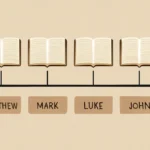
Miracles of Jesus in Chronological Order: A Complete Timeline is an in-depth journey through the signs and wonders attributed to Jesus in the four Canonical Gospels. While the Gospel writers do not provide a single, tightly synchronized chronology, most scholars and readers recognize a plausible sequence that begins with the earliest public signs in Galilee, moves through healings, exorcisms, and nature miracles, traverses Jerusalem and Judea, and culminates in the climactic events surrounding the Passion, Resurrection, and appearances after the Resurrection. This article organizes the miracles in a coherent timeline, drawing on Matthew, Mark, Luke, and John, and notes where Gospel accounts concur or differ. The goal is to offer a comprehensive, readable timeline that helps readers trace the arc of Jesus’ works and their theological significance.
The First Signs and Early Galilean Ministerial Sojourn
Water turned into wine at the wedding in Cana (John 2:1-11). The inaugural sign in John’s Gospel reveals Jesus’ authority over creation and foreshadows the transformative impact of his presence. It marks the formal opening of Jesus’ public ministry according to the fourth Gospel, emphasizing faith as a response to the miracle.
Cleansing the Temple in Jerusalem (John 2:13-22). Though not a healing, this dramatic act demonstrates divine authority over places of worship and signals a call to true worship. Jesus’ actions in the temple set a polemical tone for his early ministry, drawing attention to the spiritual meaning behind signs and miracles.
Healing the royal official’s son (John 4:46-54). This miracle of healing from a distance shows Jesus’ sovereign power over illness and distance, and it highlights the theme of faith that moves Jesus to respond to requests even across distances or barriers.
Healing Peter’s mother-in-law and many in Peter’s house (Matthew 8:14-15; Mark 1:29-31; Luke 4:38-39). This early Galilean healing demonstrates Jesus’ compassion in the home sphere and his power to restore health quickly, giving tangible sign of the kingdom breaking into daily life.
Galilean Signs: Healings, Exorcisms, and Teachings in Capernaum and Surroundings
Healing of a man with leprosy (Mark 1:40-45; Luke 5:12-14). The cleansing of a social outcast—lepers—illustrates the reach of Jesus’ mercy, restoring both physical health and social standing, while underscoring notions of ritual purity and faith.
Casting out a demon in the synagogue at Capernaum (Mark 1:21-28; Luke 4:31-37). Demonstrating authority over the spiritual realm, this exorcism reveals the presence of the Kingdom in Jesus’ teaching and power, provoking astonishment among onlookers.
Healing a paralyzed man brought by friends (Mark 2:1-12; Matthew 9:1-8; Luke 5:17-26). This miracle illustrates faith, the forgiveness of sins, and the power to heal both body and soul, prompting Jesus to declare that faith enables access to God’s grace.
Calming the storm on the Sea of Galilee (Mark 4:35-41; Matthew 8:23-27; Luke 8:22-25). A nature miracle that demonstrates Jesus’ mastery over chaos and his presence as the one who brings peace in the midst of fear and danger.
Walking on water (Matthew 14:22-33; Mark 6:45-52). In the wake of the feeding miracles, Jesus models sovereign power over nature, inviting the disciples to trust him even when the path seems impossible.
Feeding the five thousand (Matthew 14:13-21; Mark 6:30-44; Luke 9:10-17; John 6:5-14). A pivotal sign of providence and compassion, this miracle demonstrates Jesus’ ability to supply and meet human need abundantly, pointing to him as the bread of life.
Healing the blind man at Bethsaida (Mark 8:22-26). A staged healing that underscores Jesus’ role as the light-bringer who gradually reveals truth to those who seek him, sometimes in stages that require faith to deepen.
Feeding the four thousand (Matthew 15:32-39; Mark 8:1-10). A second major sign of supply and compassion, reinforcing the theme that Jesus cares for the needs of diverse crowds and that his kingdom brings abundance beyond human measure.
Exorcism of the Gerasene demoniac (Mark 5:1-20; Luke 8:26-39). This dramatic deliverance demonstrates Jesus’ sovereignty over powerful spiritual forces and his power to restore a person who had long lived under oppression, shattering social isolation.
Raising Jairus’ daughter and the woman with the issue of blood (Mark 5:21-43; Luke 8:40-56). A pair of connected miracles that showcase both faith and power over death, with the daughter raised back to life and a woman healed through persistent faith.
Jerusalem, Judea, and Samaria: Closer Encounters, Controversies, and Public Signs
Healing of two blind men (Matthew 9:27-31; Mark 10:46-52). This sign in a public setting demonstrates Jesus’ compassionate scope and his ability to bring sight where there was blindness, both physical and spiritual.
Healing of a deaf and mute man (Mark 7:31-37). A powerful sign of restoration that illustrates Jesus’ ability to bring harmony between hearing and speaking—key faculties for relationship and communication.
Healing of a man with a withered hand on the Sabbath (Mark 3:1-6; Luke 6:6-11; Matthew 12:9-14). A controversial miracle that challenges religious rigidity and demonstrates mercy as the rightful framework for sabbath observance and righteous action.
Healing of a leper (revisited in different contexts) (Mark 1:40-45; Luke 5:12-14). Reemphasizing Jesus’ reach to those still outside social and religious legitimacy, this repeated motif reinforces the pattern of healing as sign of the Kingdom’s arrival.
The woman with the issue of blood and Jairus’ daughter (paired episode) (Mark 5:25-34; 5:21-43). The two miracles interweave themes of faith, proximity to Jesus, and the breaking in of life into situations of despair.
Rising Tensions in Judea and the Public Life toward the Passion
Raising Lazarus from the dead (John 11:1-44). This climactic sign in Bethany demonstrates Jesus’ authority over life and death, underscoring the central claim of John’s Gospel that Jesus is the Life and the Resurrection. The miracle catalyzes intense opposition from religious authorities and serves as a pivotal turning point in the narrative leading toward the Passion.
Cursing the fig tree and teaching in the Temple precincts (Matthew 21:18-22; Mark 11:12-14, 20-21). While not a miracle of healing in every sense, this sign of judgment and teaching illustrates the authority and prophetic witness of Jesus as he challenges spiritual fruitlessness and hypocrisy among the religious establishments.
Triumphal entry and subsequent teachings in the Holy City (the miracles become interwoven with authoritative teaching and public demonstrations of authority). In the final days, signs continue to punctuate Jesus’ ministry as he speaks with authority and heals where appropriate, even as tension rises with religious and civil authorities.
The Passion Week, Resurrection, and Post-Resurrection Manifestations
Crucifixion and death of Jesus (all four Gospels). The crucifixion itself is the most decisive redemptive act, a paradoxical sign of love and victory through apparent defeat. The crucifixion serves as the context for the greatest spiritual significance of all miracles—the defeat of sin and the opening of a new way of relating to God.
Resurrection of Jesus (Matthew 28; Mark 16; Luke 24; John 20-21). The central miracle in Christian faith, confirming Jesus’ divinity, affirming his teachings, and inaugurating the new creation. The empty tomb and the appearances to the disciples mark the culmination of Jesus’ public miracles in a literal sense and the inception of a new era in the life of the early church.
Post-resurrection appearances (John 20-21; Luke 24; Matthew 28; Mark 16). Jesus appears to Mary Magdalene, to the disciples on the road to Emmaus, to the gathered community, and to Thomas, among others. These appearances reinforce faith, reveal the risen life, and commission the followers to spread the good news with power and authority.
The Ascension (and the entrusting of the disciples with mission) (Luke 24:50-53). Seen as a concluding public sign of Jesus’ earthly ministry, the Ascension marks the transition from the visible presence of Jesus to the ongoing work of his Spirit through the church, empowering the apostles to continue the mission with signs following their message.
Readers should note that the four Gospels arrange events with different emphases and in varying orders. Some miracles are unique to a single Gospel, while others are reported in parallel form across two or more accounts. Because the Gospel writers were addressing different audiences and purposes, a strict, line-by-line chronology is not how the texts were composed. Still, a broad, reasonable chronology emerges when combining the accounts:
Early signs begin with Cana and move toward the temple, demonstrating Jesus’ identity and authority from the start.
Galilee serves as the primary arena for healings, exorcisms, and nature signs that reveal the Kingdom’s present reality.
Judea and Jerusalem bring public challenges and dramatic confrontations, culminating in the Passion.
The climactic miracles occur around or after the Passion week, culminating in the Resurrection and the subsequent appearances.
Why These Miracles Matter: Thematic Threads Across the Timeline
Authority over nature and creation—calming storms, walking on water, and feeding the multitudes—point toward the Creator who sustains life and provides abundantly for those who follow him.
Authority over illness and disability—leprosy, paralysis, blindness, deafness, and other afflictions—demonstrates that Jesus brings wholeness and restoration, echoing the Kingdom’s healing presence.
Confrontations with spiritual forces—exorcisms reveal Jesus’ power over demonic powers and his role as the ultimate Deliverer, liberating people from bondage to evil.
Compassion for individuals and communities—healings in homes, in crowds, and in public places show a Jesus who cares about both the sacred and the ordinary aspects of life.
Life over death—the raising of Jairus’ daughter and Lazarus foreshadow the climactic resurrection, signaling victory over mortality and the promise of new life.
Faith and response—many miracles hinge on the faith of those who seek Jesus, illustrating a theme that genuine trust invites divine action and deeper revelation.
Start with the earliest signs in Cana and the temple cleansing to see how Jesus reveals himself as both Son and Lord over creation and worship.
Move to Galilean miracles to understand how Jesus engages audiences with compassion, power, and teaching that reshapes expectations about the nature of the Kingdom.
In Judea and Jerusalem, note the increasing tension with religious authorities and how miracles function within a larger narrative of revelation, conflict, and invitation.
End with the Passion, Resurrection, and post-resurrection appearances to reflect on the ultimate significance of Jesus’ signs: life, forgiveness, and the invitation to relationship with God through the risen Christ.
In sum, the miracles of Jesus unfold a narrative arc—from initial signs and acts of power in Galilee to confrontations in Jerusalem, culminating in the Resurrection and the ongoing mission of the church. The “timeline” presented here is not a single timetable but a synthesis of Gospel accounts that invites readers to see how each miracle fits into the larger story of God’s redemptive work in Christ. As you study these signs, consider how faith, compassion, authority, and life intersect in the person of Jesus and what they reveal about the nature of the Kingdom he announced.

 Por Laura Jara