Baptism with the Holy Spirit and Holy Ghost Fire: Meaning, Signs, and How to Receive It
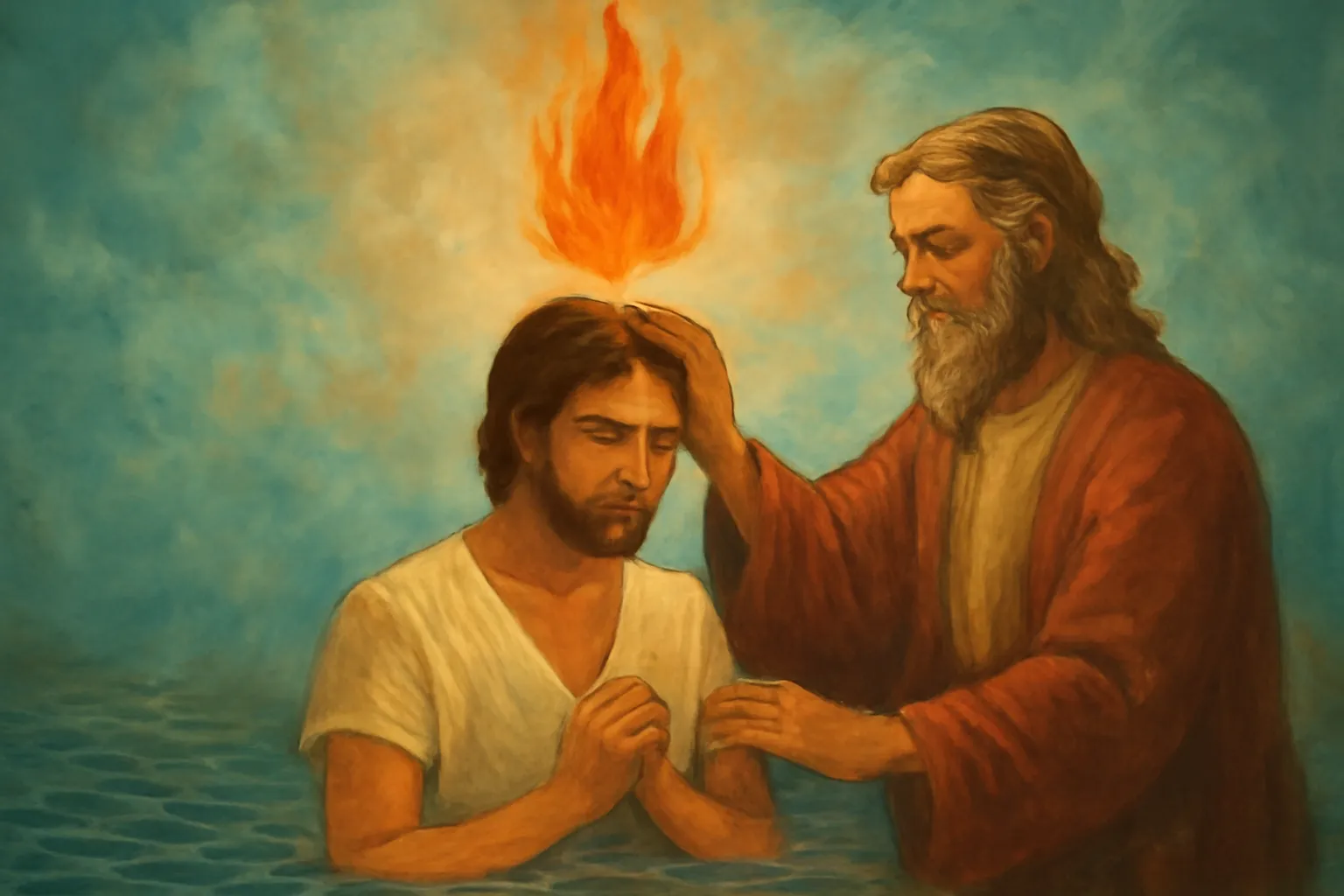
Across Christian traditions, the phrases baptism of the Holy Spirit, baptism with the Holy Ghost, and Holy Ghost fire carry rich, layered meanings. They speak of a divine action that goes beyond water baptism and touches the deepest places of the heart, mind, and life. In this article, we explore the meaning, the signs, and practical ways to seek and receive this supernatural encounter, often described as an empowerment for witness, service, and holy living. We will use variations of the terminology to reflect the breadth of Christian understanding while focusing on a biblically grounded, theologically thoughtful approach.
Throughout this discussion, you will encounter terms like baptism with the Holy Spirit, baptism of the Holy Spirit, Holy Spirit baptism, and Holy Ghost fire baptism. Each of these phrases points toward a vital reality: the Holy Spirit’s active work in a believer’s life, often described with imagery of fire, power, and purification. This article aims to clarify what these phrases mean, what they signify in Scripture and church history, and how a person might seek and receive this gracious gift with reverence and discernment.
Scriptural Foundations and Historical Context
Understanding the baptism with the Holy Spirit begins with Scripture and the historical way the Church has interpreted it. The New Testament presents several occasions and descriptions that shapes our understanding of the Holy Spirit’s dwelling, filling, and empowering power.
Key Biblical Passages
Acts 2:1-4 describes the day of Pentecost, when the disciples were filled with the Holy Spirit and began to speak in other tongues as the Spirit gave them utterance. This event is often cited as the paradigmatic example of the Holy Ghost fire baptism—a public empowerment for mission and witness.
Acts 8:14-17 shows the apostles laying hands on new believers in Samaria so that they would receive the Holy Spirit, illustrating a community and corporate dimension to Spirit reception.
Acts 10:38-44 and Acts 11:15-17 recount how the Holy Spirit came upon Gentile believers, underscoring that Spirit-baptism is not limited by ethnicity or background and is connected to faith in Jesus.
Acts 19:1-6 describes Paul asking believers in Ephesus whether they had received the Holy Spirit since believing, and then laying hands on them to receive the Spirit, signaling a possible second moment of gracious impartation for some.
John 1:33 and John 3:5-8 use the imagery of new birth and being born of the Spirit, highlighting that receiving the Spirit is intimately tied to Jesus’ teaching about life from above.
Across church history, different traditions have emphasized distinct aspects of these passages. Some have highlighted a post-conversion experience commonly associated with speaking in tongues and outward signs of power, while others have stressed a more immediate, interior experience of the Spirit at the moment of conversion or upon faith. The common thread is that the Holy Spirit’s coming is God’s gracious work to renew, empower, and equip believers for a life of faith and mission.
Meaning and Significance of the Holy Spirit’s Filling and the Fire Imagery
The language of fire in Scripture conveys several interrelated ideas. Fire is a symbol of purification, presence, energy, and purification. The phrase Holy Ghost fire or fire of the Spirit often communicates both refinement of sin and empowerment for holy living and service.
Core meanings often associated with the baptism of the Holy Spirit
Empowerment for witness: The Spirit strengthens believers to proclaim the Gospel with clarity, conviction, and boldness.
Equipping for service: The Spirit equips individuals with gifts for ministry, such as teaching, prophecy, healing, and discernment, for the building up of the church.
Purification and transformation: The “fire” purifies desires, motives, and habits, aligning a believer’s life with God’s holiness.
Union with Christ: The Spirit enables a deeper, personal abiding presence with Jesus, shaping intimate fellowship with the Father, Son, and Spirit.
Fillings that lead to a visible life change: The grace-filled encounter manifests as a community-minded generosity, compassion, and ethical living.
In this sense, baptism with the Holy Spirit or Holy Ghost fire baptism is not merely a private sensation but a dynamic work of God that affects beliefs, affections, and actions. While some believers emphasize inner experiences, others focus on outward fruits and life transformation. A healthy approach honors both interior renewal and outward evidence—consistent with biblical teaching about the fruit of the Spirit (Galatians 5:22-23) and the gifts of the Spirit (1 Corinthians 12).
Signs of the Spirit’s Baptism and the Fire’s Work
People describe the experience of baptism with the Holy Spirit in many different ways, depending on tradition, culture, and personal encounter. The most historically grounded signs include both inward transformations and outward manifestations. Below are common indicators that are often associated with the Holy Spirit’s filling and the Holy Ghost fire imagery.
Overview of typical signs
Inward renewal—a growing desire for holiness, repentance from known sin, and a new delight in God’s presence.
Boldness to witness—a strengthened willingness to share faith and stand for truth, even under pressure.
Spiritual gifts in operation—gifts such as teaching, exhortation, prophecy, or healing, given for the church’s edification.
Love and unity—a deeper love for others, humility, and a commitment to unity within the body of Christ.
Harmony with Scripture—a growing desire to follow biblical teaching and live according to God’s Word.
Supernatural encounters—some believers report visible phenomena (like tongues or prophecy) or an intense sense of God’s presence; others report a profound, quiet assurance and peace.
Fruit of the Spirit—increasing evidence of love, joy, peace, patience, kindness, goodness, faithfulness, gentleness, and self-control (Galatians 5:22-23).
It is essential to notice that signs can vary widely. Most Christian traditions caution against reducing the Spirit’s work to a single sign (such as speaking in tongues) and encourage discernment, testing against Scripture, and alignment with the Spirit’s character and fruit.
How to Receive the Baptism with the Holy Spirit and the Fire
Receiving the baptism with the Holy Spirit—often described as the Holy Spirit baptism or baptism in the Holy Spirit—is portrayed in Scripture as a gracious gift from the Father and Son. Different traditions describe the moment and manner differently, but the essential invitation remains: turn to Jesus, trust Him, and seek the Spirit’s fullness with a humble, expectant heart. Below is a practical guide that respects varied expressions of this experience.
Step-by-step guide to seeking the Spirit’s fullness
Place your faith in Christ. Before the Spirit comes, a genuine turning to Jesus in faith—repentance, belief in the Gospel, and commitment to follow Him—is foundational. The Spirit’s work often begins where faith is anchored in Christ.
Open your heart to God’s leadership. Invite the Holy Spirit to reveal any areas of your life that need cleansing, surrender, or transformation. A posture of humility and surrender invites God’s refining fire.
Ask with earnest expectation. Jesus invites His followers to ask the Father for the Holy Spirit (Luke 11:13). Prayer is a significant means of seeking the Spirit’s fullness. You may offer a simple prayer such as, “Come, Holy Spirit; fill me with Your presence, empower me for Your purposes.”
Pray with others and in community. The Spirit’s work often occurs within the context of fellowship, worship, and biblical teaching. Engage with a faith community that emphasizes both the Word and the Spirit, and seek pastoral guidance if you want personal prayer for a fresh filling.
Be baptized in water as a step of obedience and symbol of cleansing and commitment. Water baptism is a public declaration of faith and can accompany the Spirit’s work in the believer’s life, though it is not the same as Spirit baptism itself.
Expect and steward gifts responsibly. If gifts begin to operate, seek discernment—test what you sense or experience against Scripture, seek counsel from mature believers, and pursue humility and love as the guiding principles.
Remain teachable and dependent on Christ. The ongoing life of faith, prayer, Scripture reading, and obedience sustains the Spirit’s work, fostering greater intimacy with God and fruitful living.
In many traditions, the moment of receiving the Spirit is accompanied by an inward assurance, a sense of new hope, or a renewed passion for God’s purposes. Some believers experience a visible or audible manifestation, while others perceive a quiet, enduring empowerment of life and service. Either way, the emphasis is on the Spirit shaping your identity in Christ and enlarging your capacity to love and serve others.
Differences Across Christian Traditions and How They Speak About the Fire and the Spirit
Within the broad spectrum of Christian belief, there are varying understandings of when and how the Holy Spirit comes, what the fire imagery means, and whether Spirit-baptism is a distinct event after conversion or the moment of faith itself. Here are some representative perspectives, presented with care for nuance and accuracy.
Pentecostal and Charismatic perspectives
Post-conversion experience: Many Pentecostal and Charismatic Christians view the Holy Spirit baptism as a distinct, subsequent experience after conversion, often accompanied by the gift of tongues or other spiritual gifts.
Public empowerment: The experience is frequently connected to boldness in witness, prayer for the sick, and signs that accompany divine enablement.
Fire imagery: Fire is frequently used to describe purification, zeal for God, and the intense presence of God in power-filled moments of worship and mission.
Traditional Protestant and Reformed perspectives
One baptism, multiple facets: Some traditions emphasize a single, initial reception of the Holy Spirit at conversion, with ongoing fullness or greater understanding of the Spirit’s work over time, rather than a separate post-conversion event.
Spirit as assurance and sanctification: The Spirit’s primary work is often described in terms of assurance of salvation, sanctification, and the enabling power for holy living, rather than a dramatic public sign.
Catholic and Orthodox perspectives
One Spirit in two sacraments: In Roman Catholic and Orthodox teaching, the Holy Spirit’s work is connected to the sacramental life, particularly the sacrament of baptism and the subsequent anointing or chrismation in certain traditions. Spirit reception is deeply linked to the Church’s liturgical and sacramental life.
Grace through tradition and means of grace: The Holy Spirit is understood to work through Scripture, prayer, sacraments, and community; fire imagery may appear in hymns and spiritual writings as a symbol of divine presence and purification.
Regardless of tradition, there is a shared conviction that the Holy Spirit’s coming is God’s gracious gift to empower believers for renewal, service, and witness. A balanced approach invites biblical humility, careful discernment, and a reliance on Scriptural truth and mature guidance from trustworthy spiritual leaders.
Common Questions and Clarifications
Investigating the baptism with the Holy Spirit raises questions for many. Here are some frequently asked questions, with concise, community-oriented answers that aim to be faithful to biblical teaching while being sensitive to diverse experiences.
Q: Is the Holy Spirit baptism the same as water baptism?
A: Water baptism is a public declaration of faith and represents identification with Christ’s death, burial, and resurrection. The baptism with the Holy Spirit is described as God’s empowering presence and may occur at conversion or as a subsequent experience, depending on tradition. Both are crucial for the Christian life, but they point to different aspects of God’s work—one outward sign, the other inward enabling.
Q: Does every believer receive the Holy Spirit in the same moment or manner?
A: Scripture describes varied experiences. Some believers receive the Spirit at conversion; others encounter a subsequent filling or baptism in the Spirit. The important thing is the Spirit’s ongoing work in faith, growth, and fruit in the believer’s life.
Q: Is speaking in tongues essential to the baptism with the Holy Spirit?
A: No single sign is universal across all Christian communities. While many Pentecostal and Charismatic groups view speaking in tongues as a common or even initial sign, other traditions emphasize the Spirit’s work through gifts, character transformation, and fruit. The Spirit’s primary aim is to empower love for God and neighbor.
Q: How can I discern if what I am experiencing is truly from the Holy Spirit?
A: Discernment criteria include alignment with Scripture, consistency with the life of Jesus, edification of the church, and the fruit of the Spirit. Seek counsel from mature believers and test experiences against God’s Word in prayer and community.
Practical Life After Receiving the Spirit and Living in the Fire’s Firelight
Once the Holy Spirit’s fullness is received or known in a deeper way, the fruits in daily life become crucial. The work of the Spirit is not a one-time event alone; it begins a lifelong process of transformation, service, and mission. Here are practical ways believers live out the reality of the Spirit’s fullness, often described with the imagery of fire and purification.
Daily surrender: A posture of ongoing surrender to God’s will, inviting the Spirit to search the heart and renew the mind (Romans 12:1-2).
Consistent prayer and Scripture: Regular time in prayer and the Word fosters sensitivity to the Spirit’s leading and strengthens faith for daily decisions.
Fellowship and accountability: Engaging with a community that fosters mutual encouragement, correction, and accountability helps protect against spiritual pride or deception.
Love in action: The Spirit’s power is often demonstrated through compassionate service, justice, mercy, and practical care for the vulnerable.
Gifts exercised with love: If gifts are given, they should be exercised in love, with humility, and for the edification of the church (1 Corinthians 13; 14).
Holiness and ethical living: The refining fire seeks to purify motives and sexual ethics, speech, and integrity in daily life.
Followers of Christ who seek the baptism with the Holy Spirit often find that their identity in Christ deepens, their witness becomes more compelling, and their life is marked by a steadier hope in God’s promises. Yet this journey remains deeply personal, connected to one’s unique calling, community, and context.
Guiding Principles for Readers Considering the Holy Spirit’s Fillings
To approach the topic with wisdom and reverence, here are some guiding principles that have helped many believers across traditions.
Scripture first: Let Scripture shape your understanding of the Holy Spirit’s work, even as you welcome spiritual experiences that line up with the Bible.
Christ-centeredness: The Spirit’s work points toward Jesus—glorifying Him, increasing love for Him, and helping believers become more like Him.
Charity over spectacle: The measure of any Spirit-inspired experience is not sensationalism but the life of love, humility, and service it produces.
Discernment and community: Seek guidance from mature believers, test experiences against the Word, and pursue accountability within a healthy church community.
Grace and patience: The Holy Spirit’s work unfolds in God’s timing. Desiring fullness is good, but it should be accompanied by patience and trust.
Conclusion: A Life Transformed by the Fire Within
The topic of baptism with the Holy Spirit, including the imagery of Holy Ghost fire, invites believers to a life of deeper intimacy with God, empowered service, and ongoing transformation. Whether one emphasizes a post-conversion experience, a broader understanding of Spirit fullness, or a steady, Spirit-led sanctification that matures day by day, the essential invitation remains the same: trust in Jesus, seek the Spirit’s fullness, and live fruitfully in love and obedience.
As you consider these truths, you may reflect on questions like what does the Spirit want to purify in my life right now?how can I more boldly share the Gospel while walking in humility and love?which community helps me grow in discernment and grace? The journey is characteristically Christian: a pilgrimage of faith where the Father pours out His Spirit, the Son empowers His church, and the Spirit makes Christ real in everyday life through a life of faith, hope, and love.
In this broad, ecumenical conversation, the core remains clear: the baptism with the Holy Spirit and the experience often described as the Holy Ghost fire represent God’s gracious invitation to a life saturated with divine presence, power for witness, and purification for holy living. May you seek, receive, and steward this gift in a way that honors Christ, blesses others, and builds up the body of believers for God’s glory.

 Por Laura Jara