13 Jesus Disciples: The Complete Guide to the Apostles and Their Roles
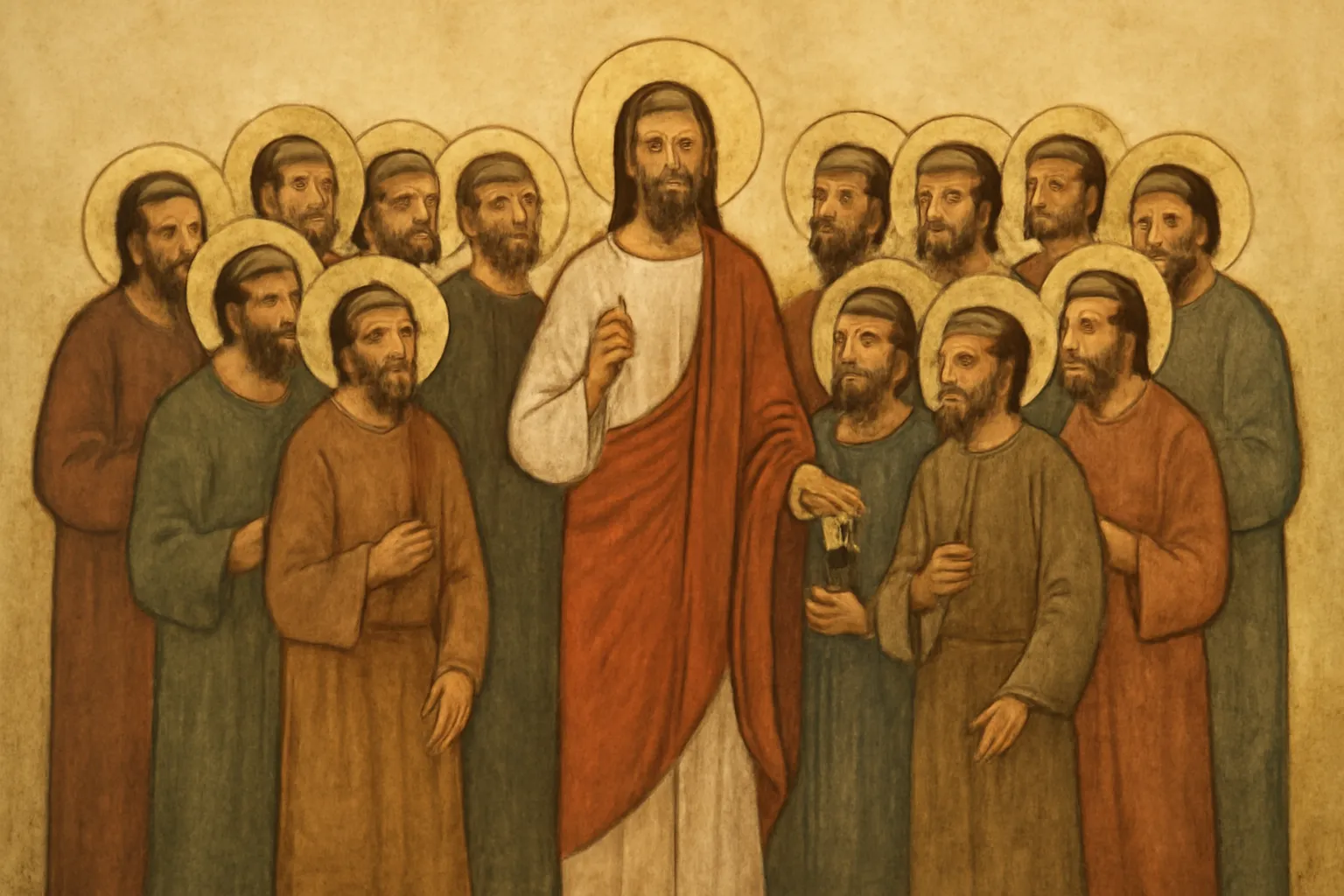
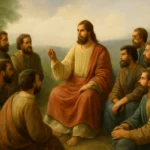
In Christian tradition, the core circle of Jesus’ closest followers is known as the disciples or the apostles.
The original group commonly referred to as the Twelve played foundational roles in the spread of the early church.
Over time, scholars and church historians have also highlighted Paul the Apostle as a distinct and influential figure
whose work helped shape Christian theology and mission. For purposes of a comprehensive guide, this article presents
a curated set of thirteen key disciples whose lives and ministries illuminate the ways in which early
followers understood Jesus, proclaimed the gospel, and built communities of faith.
Throughout this guide, you will see the phrase “the original Twelve” used to refer to the classic group that
followed Jesus during his earthly ministry. When we speak of the thirteenth figure, we are including Apostle Paul as a later-adopted, widely recognized apostolic voice in Christian tradition. Some readers
encounter different lists in historical or denominational contexts, where Matthias sometimes stands in for Judas
Iscariot or where Paul is counted among the apostolic circle. This article uses the thirteen-figure framing to offer a
coherent, education-focused overview of each member’s background, role, and lasting impact.
The Core Thirteen: Names and Roles
The following thirteen figures are commonly cited in discussions of early Christian leadership. Each entry
includes a concise snapshot of their identity and primary function within the movement that followed Jesus.
Peter — Often described as the primary leader among the apostles, Peter is celebrated for
his bold confession of faith, his role in shaping early preaching, and his leadership in the Jerusalem church. He is
associated with key moments such as receiving the “keys of the kingdom” and standing as a pioneering preacher in
Pentecost, Peter’s trajectory embodies the tension between zeal and denial, continuity and reform, authority and humility.
James, son of Zebedee — One of the inner circle that included Peter and John, James the Greater is
remembered as an early martyr whose steadfast witness underscored the cost of discipleship. His example reflects a
form of leadership rooted in loyalty to Jesus, even in the face of persecution.
John — Known as the beloved disciple, John contributed profoundly to the Johannine writings and to the
theology of love and eternal life. His gospel, three letters, and the revelation he received on Patmos shaped a
distinctive strand of Christian faith that emphasizes Jesus as the Word, light, and source of durable hope.
Andrew — Andrew, Peter’s brother, is often portrayed as a bridge-builder who brings others to Jesus.
Tradition credits him with spreading the early message in diverse regions, and he is remembered for his role as a tireless
evangelist who invites people to encounter Christ.
Philip — The thoughtful questioner among the apostles, Philip is associated with encounters that invite
closer examination of Jesus’ identity. His ministry is characterized by practical apprenticeship in faith and persistent
invitation to others to come and see the truth of the gospel.
Bartholomew (often identified with Nathanael)
— Bartholomew is traditionally connected with missionary activity in multiple regions and is honored for his
integrity and zeal. Although detailed biographical notes are sparser, his presence in the list of the core circle
highlights the diverse makeup of the apostolic mission and the breadth of early Christian outreach.
Matthew — A former tax collector who became the author of the Gospel of Matthew, this disciple exemplifies
the transformative power of grace. Matthew’s gospel foregrounds Jesus as the fulfillment of Hebrew scripture and the
inclusion of marginalized groups, illustrating how the invitation to follow Jesus reshapes social boundaries.
Thomas (Didymus) — Known for his famous doubt and subsequent confession, Thomas represents the
journey from uncertainty to faith. In tradition, he is also associated with missionary work and the proclamation of the
gospel in distant lands, illustrating that honest questions can deepen trust in Christ.
James, son of Alphaeus — Often labeled James the Less, this figure is one of the more enigmatic
apostles. While less is written about him in the canonical texts, his presence underscores the communal and diverse
leadership that characterized the early church.
Simon the Zealot — Simon is identified by the epithet the Zealot, signaling a potentially dynamic
background in the political-religious landscape of first-century Judea. His service within the apostolic circle
highlights how the gospel reached people from varied backgrounds and aspirations.
Judas Thaddaeus (often called Judas Lebbaeus or Judas Not Iscariot) — Also known as Thaddaeus, this disciple’s name variations reflect the complexities of early naming conventions.
Tradition associates him with mission efforts in regions such as Edessa, illustrating the global reach of the apostolic
mission in antiquity.
Judas Iscariot — Judas Iscariot is infamous for the betrayal that precipitated the crucifixion narrative. His
story serves as a sober reminder of the vulnerability of even trusted leaders to temptation and spiritual danger.
Paul the Apostle — The Apostle Paul is not one of the original Twelve, but he is widely regarded as a
foundational voice for Christian theology and mission. His dramatic conversion on the road to Damascus,
extensive missionary travels, and extensive letters to early Christian communities helped shape doctrinal
understandings of grace, faith, and church practice, making him a central figure in the broader apostolic witness.
In-Depth Profiles: Individual Profiles and Contributions
Peter: The Rock of the Early Church
Peter stands at the crossroads of leadership and vulnerability. As a fisherman called by Jesus, he
first speaks for the disciples at a crucial moment of recognition in Matthew 16:16–18, where Jesus affirms him as
the spiritual foundation of the church. Peter’s arc includes bold preaching at Pentecost, which marks the moment when
the gospel moves from a Jewish milieu into a broader proclamation. Yet Peter’s journey also evidences human failure,
most notably his denial in Jesus’ trial. The reconciliation after the resurrection demonstrates the pastoral heart of
Jesus’ call: restoration and commissioning. In the early church, Peter becomes a key organizer in Jerusalem, helps
resolve conflicts (such as the inclusion of Gentiles), and continues to model courage in the face of danger.
James, Son of Zebedee: The Inner Circle’s Courage
James the Greater is remembered as part of Jesus’ inner circle alongside Peter and John. This closeness
signals a trusted leadership role in the most urgent moments of Jesus’ ministry. His martyrdom—one of the early acts of
persecution against the Jesus movement—underscores the cost associated with discipleship. The memory of James invites
reflection on steadfast faith, communal witness, and the willingness to endure hardship for the sake of the gospel.
John: The Beloved Disciple and Theologian
John is celebrated as a witness whose writings emphasize the incarnate presence of Christ, eternal life, and
the love that binds believers together. The Gospel of John, along with 1–3 John and Revelation, presents a vision of Jesus
as the Word made flesh, the source of light in the dark world, and the author of ultimate hope. John’s pastoral
letters nurture communities by teaching how love fulfills the law and how truth sustains faith through trials.
Andrew is often depicted as a catalyst for encounter—introducing people to Jesus and helping others find
their own path of discipleship. His example highlights an apostolic style that emphasizes outreach and invitation:
the simple act of bringing a friend to the Master can have lasting consequences for families, towns, and networks of
faith. Andrew’s mobility and willingness to connect communities illustrate a bridge-builder ethos central to early
Christian growth.
Philip: The Seeker Who Sees Jesus Clearly
Philip embodies a thoughtful approach to faith. He asks Jesus to show the Father, prompting a deeper
disclosure of Jesus’ identity and purpose (John 14:8–9). The essence of Philip’s ministry is not merely debate but
the invitation to know and follow Christ more intimately. Philip’s example invites believers to pursue clarity, discuss
questions honestly, and embrace the practical steps needed to move from curiosity to discipleship.
Bartholomew: The Disciple with a Broad Mission
Bartholomew (often identified with Nathanael) represents the diverse array of apostolic voices in the early
church. Tradition associates him with extensive missionary activity in regions far beyond Galilee, including Armenia
and possibly India. Even when specifics are debated, Bartholomew’s presence signals that the apostolic mission
was not limited to one geography or culture but intended to reach many people with the message of Jesus.
Matthew: The Tax Collector Turned Gospel Writer
Matthew presents a compelling narrative of transformation. As a former tax collector, he embodies the
gospel theme that Jesus calls sinners and outcasts into a new form of community. The Gospel of Matthew emphasizes
Jesus’ fulfillment of Hebrew scripture, Jesus’ authority, and the ethical implications of following him. Matthew’s
ministry highlights how the gospel redefines identity, purpose, and belonging within a faith community.
Thomas: From Doubt to Faithful Mission
Thomas is best known for the moment of doubt that becomes a doorway to conviction. His request, “Let us
see the Father” leads to a richer understanding of Jesus’ identity as the way, the truth, and the life. Beyond the
famous doubt, Thomas is associated with courage in missionary work and a persistent proclamation of the gospel in
distant lands. His arc invites believers to wrestle with questions while remaining open to transformative encounters
with Christ.
James, Son of Alphaeus: The Lesser-Known But No Less Important Voice
James the Less reminds readers that not every apostolic figure is defined by public acts or prominent
fame. The early church thrived on a mosaic of leaders who contributed through steady faithfulness, communal care, and
steadfast teaching. James’ presence reflects the communal governance of the church and the value of humble service
within the apostolic circle.
Simon the Zealot: A disciple with a Complex Background
Simon the Zealot signals the breadth of backgrounds within the apostolic family. The epithet “the Zealot”
suggests a historical association with a political-religious movement of the era, illustrating how the gospel
intersects with diverse life experiences. Simon’s witness helps demonstrate that the early church drew people from
various social and political contexts to join the mission of Jesus.
Judas Thaddaeus (Lebbaeus): The Name That Points to Mission Beyond Familiar Maps
Judas Thaddaeus, sometimes called Lebbaeus or Judas Not Iscariot, represents the naming diversity
found in ancient lists. He is associated with missionary activity in regions such as Edessa. The variation in his name
underscores the broader phenomenon of apostolic itinerancy—the movement of the gospel across cultural and geographic
boundaries that defined early Christian expansion.
Judas Iscariot: The Betrayer and Its Lessons
Judas Iscariot is most remembered for his betrayal, a pivotal moment in the narrative of Jesus’ arrest and
crucifixion. His story invites reflection on temptation, free will, and the consequences of choices. The episode
underscores the seriousness with which the gospel confronts sin and the grace that followers seek in the face of failure.
The broader arc of the apostolic narrative, however, continues through the remaining figures and, in later tradition,
through Paul’s expansive mission.
Paul the Apostle: The Missionary Theologian of the Gentile Church
Paul the Apostle is a distinctive figure among the thirteen. Though not part of the original Twelve,
his conversion on the road to Damascus marks him as a transformative voice in the spread of the gospel to Gentile
communities. Paul’s letters—addressing churches across Asia Minor, Greece, and beyond—systematize core Christian
teachings about justification by faith, the role of grace, the unity of Jews and Gentiles in Christ, and the ethics
of Christian living. His perseverance in the face of persecution, his far-flung journeys, and his mentoring of
early Christian leaders contributed to a durable and global church.
Historical Context: Matthias, Paul, and Other Variations in Lists
The designation of “thirteen” disciples can reflect different historical and theological traditions. In some
historical accounts, Matthias is counted as the replacement for Judas Iscariot, restoring a twelve-member circle
after Judas’ betrayal. In other traditions, Paul is counted as the thirteenth apostle due to his influential
work in evangelism and theology—despite not being part of the original Twelve. Modern readers often encounter
both approaches, and many Christian communities emphasize that the core idea is not a fixed numerical roster but
the enduring witness of those who proclaim Jesus and nurture communities of faith.
When studying the apostolic era, it’s helpful to keep a few guiding questions in mind:
Authority and leadership: How did each disciple contribute to the shared authority of the church, and how did
leadership responsibilities evolve as communities formed?
Mission and geography: Where did these apostles travel, and how did their itineraries shape the spread of the
early gospel?
Theological contributions: Which themes are most associated with each figure, and how did their writings or
preaching shape Christian belief?
Human experience: In what ways do the personal struggles and growth of these figures illuminate the path of
discipleship for believers today?
These questions help readers appreciate the diversity of apostolic ministry while recognizing a shared mission:
to bear witness to Jesus, to serve communities with grace, and to foster faith that endures through trials.
Conclusion: Lessons from the 13 Disciples for Today
The story of the thirteen disciples—whether framed as the original Twelve plus Paul or as a broader circle
including other recognized apostles—offers enduring lessons for contemporary readers. Bold leadership that
couples courage with humility, courageous questions invited to deepen faith, and mission-minded living
that seeks to bring others into the transformative presence of Christ are all recurring themes across the profiles above.
The life stories of these figures remind us that discipleship is a dynamic journey. It involves moments of clarity and
conviction, as well as seasons of doubt, challenge, and reform. Yet across time and place, the central message remains:
to follow Jesus, to witness to his life and teaching, and to cultivate communities that reflect his love, mercy, and truth.

 Por Laura Jara