Saint Philip the Apostle — Evangelist and Patron of Portugal | Life & Legacy
May 3
apóstoles Saint Philip the Apostle
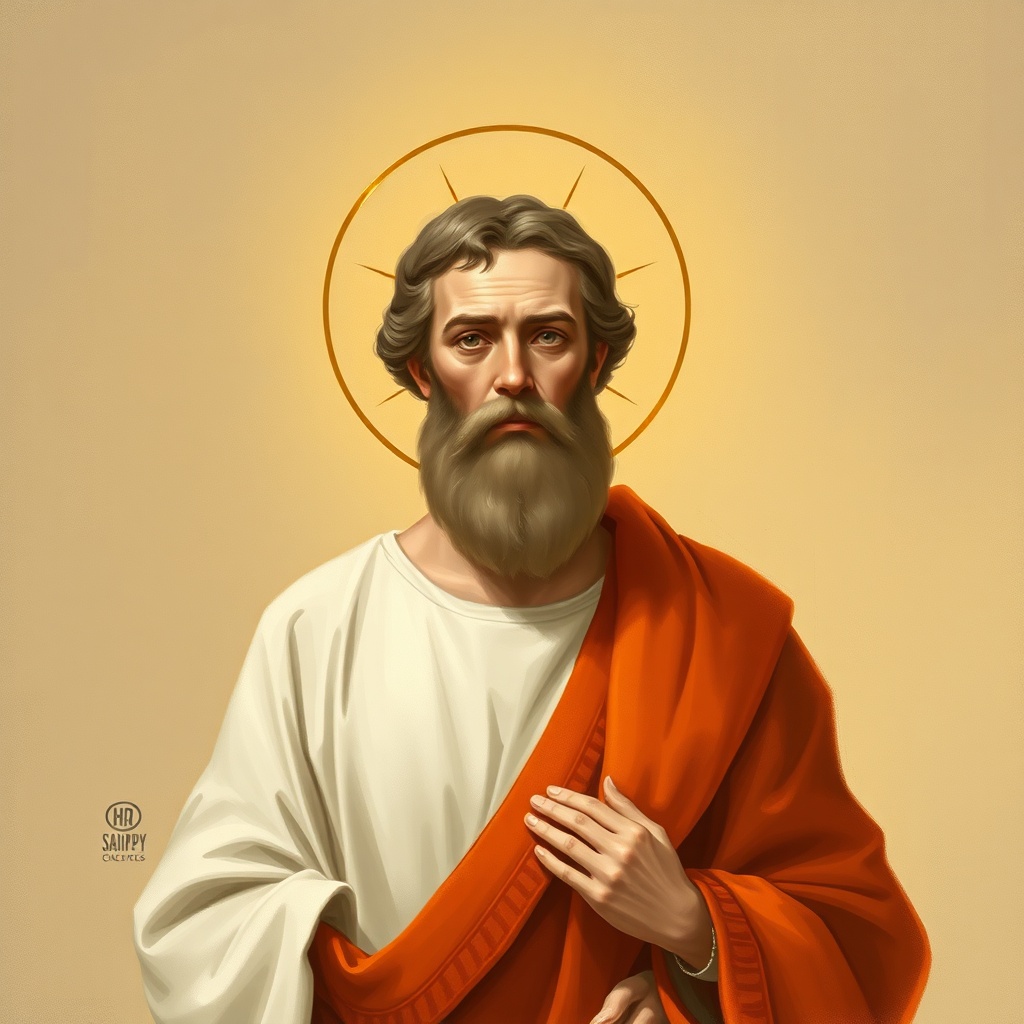
Saint Philip the Apostle was one of the twelve apostles chosen by Jesus Christ during His ministries. He is remembered for his role in spreading Christianity, particularly in Greece and parts of Asia. Traditionally believed to have traveled as a missionary, Philip's unwavering faith and humility earned him veneration. He is also recognized as a patron saint of Portugal and those in doubt, inspiring many faithful through his evangelistic zeal.
The name Philip originates from the Greek name 'Philippos,' meaning 'lover of horses,' derived from 'philos' (loving) and 'hippos' (horse). The name was popular among Greek and Latin speakers, signifying strength and nobility. It reflects cultural values of loyalty and vigor, which are associated with the qualities of Saint Philip himself. Over centuries, the name has remained a symbol of leadership and faithful service.
Feast Day
May 3
Related Bible Verses
John 14:9
Jesus said to Philip, 'Whoever has seen me has seen the Father,' emphasizing faith and revelation.
This verse highlights the importance of recognizing Christ as the visible image of God, encouraging believers like Philip to deepen their faith.
John 1:45
Philip found Nathanael and told him, 'We have found the one Moses wrote about in the Law, Jesus of Nazareth,' illustrating evangelistic zeal.
This introduces Philip’s role as an early evangelist, eager to share the good news of Jesus with others.
Luke 24:19
The disciples described Jesus as 'a prophet powerful in word and deed,' reflecting the virtues Saint Philip exemplified.
This verse connects to Philip’s commitment to proclaiming Jesus’s teachings and miracles.
Martyrdom and Canonization
Saint Philip the Apostle is venerated as a martyr who endured crucifixion or stoning, depending on tradition, for his unwavering faith in Christ. The Church recognizes his missionary zeal and the heroic virtue he displayed throughout his life. His cause for canonization was formally opened, and he was canonized by a papal declaration in the early centuries of Christianity. Miracles attributed to his intercession include healings and protection against evil, reaffirming his status as a powerful intercessor. His martyrdom exemplifies ultimate sacrifice and fidelity to Christ’s mission, inspiring the faithful to live courageously.
Miracles and Apparitions
The most famous verified miracle associated with Saint Philip involves healing the sick and restoring sight through his intercession. Numerous reports of miraculous recoveries at shrines dedicated to him have been documented by the Church, often involving prayer novenas or pilgrimage visits. Apparitions and visions of Saint Philip have been reported in various parts of the world, especially in Portugal, where he is highly venerated. The Church officially recognizes some of these miracles after thorough investigation, strengthening devotion among believers.
Prayer and Devotion
Devotees pray to Saint Philip for guidance in difficult situations, especially in moments of doubt or despair. Traditional prayers, such as novenas on his feast day, invoke his intercession for clarity and courage. Medals and icons depicting him often include a cross or a staff, symbols of his missionary work. Pilgrimages to churches dedicated to him and participation in fiestas strengthen the faithful’s connection to his spiritual legacy, seeking his aid in personal and societal challenges.
Saint Philip is frequently depicted in art holding a cross or a staff, symbolizing his missionary journey. His relics are highly treasured, and in some traditions, his head is preserved as a sacred relic. His influence extends beyond Christianity, inspiring cultural festivals and religious art, especially in Portugal and Greece.
Frequently Asked Questions
Who was Saint Philip the Apostle?
Saint Philip was one of the twelve apostles chosen by Jesus, known for evangelization and humility. He is mentioned in the Gospels and is venerated as a saint in the Catholic Church.
Why is Saint Philip considered a patron of Portugal?
According to tradition, Saint Philip's relics were brought to Portugal, where he became associated with the nation's religious history, and he is honored as a patron saint for his role in spreading Christianity.
What miracles are attributed to Saint Philip?
Many miracles, including healings and protection through prayer, are attributed to Saint Philip’s intercession. Official Church documentation has verified some of these miraculous events, reinforcing his reputation as a healer and protector.

 Por Laura Jara