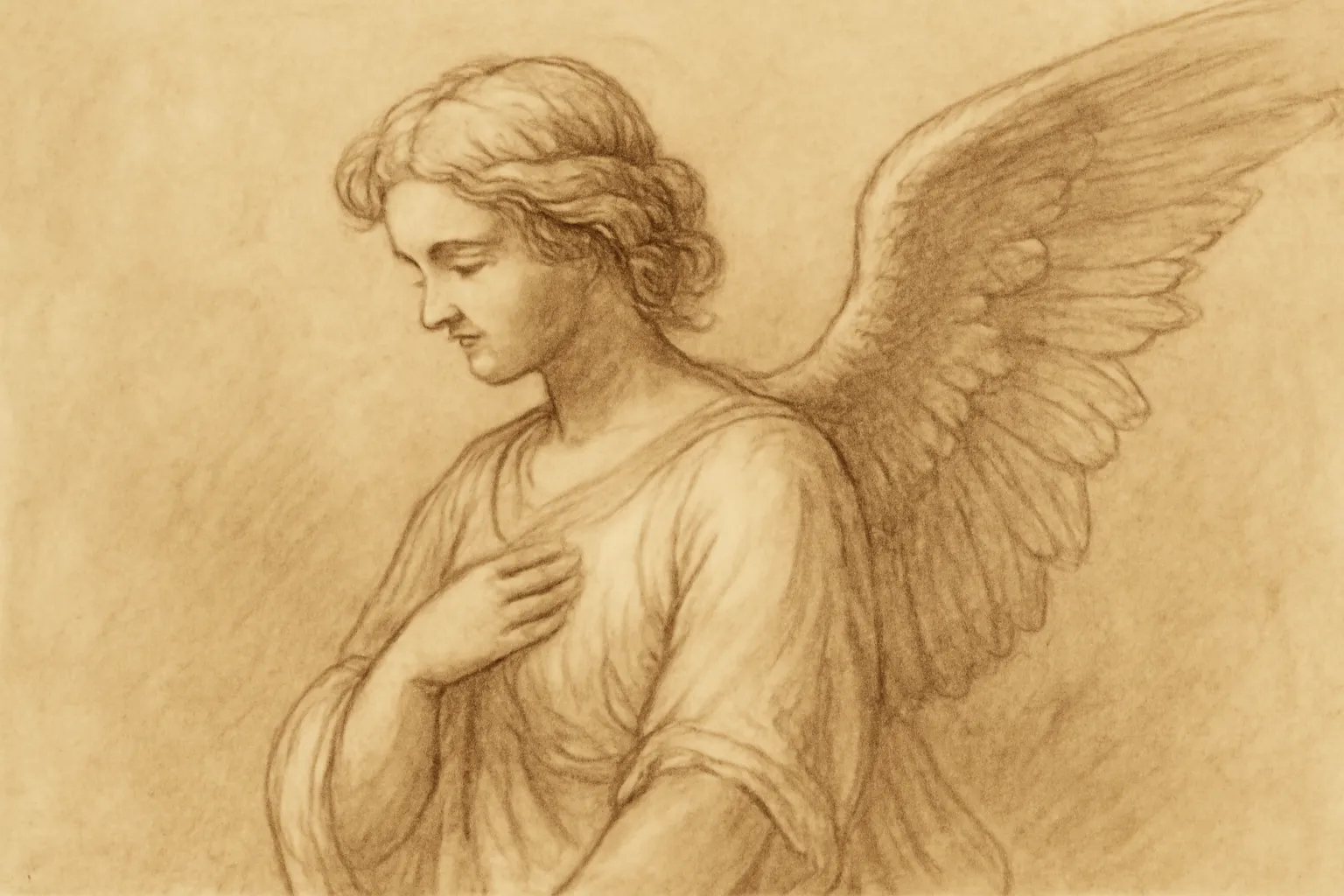
Angel study, often called angelology, is the scholarly exploration of angels and angelic beings across multiple religious traditions, historical periods, and cultural contexts. It is not merely the subject of fairy-t tale motifs or popular fiction; it is a field that intersects theology, anthropology, literature, art, philosophy, and religious experience. In its broadest sense, the study of angels asks: What are angels?What roles do they play in human life? How have different communities understood their existence, nature, and purpose? And how can contemporary readers engage with these ancient ideas in a way that is meaningful, respectful, and intellectually honest?
This definitive guide to understanding angels aims to present a comprehensive overview of angelic belief systems, their historical development, core concepts, diverse methodologies, and practical implications for modern readers. Whether you approach this topic as a student of religion, a curious reader, or a person of faith seeking deeper insight, the study of angels offers a rich lens through which to examine questions about transcendence, mediation, and the boundaries between the seen and unseen.
Historical Overview of Angel Studies
The concept of angels has ancient roots and diverse manifestations. From the earliest Near Eastern texts to medieval Christian mysticism, and later to modern theological debate, the term has carried a spectrum of meanings. Broadly, the history of angel study can be traced through three overlapping streams: ancient and scriptural foundations, medieval and early modern elaborations, and contemporary reinterpretations in philosophy, science, and interfaith dialogue.
Ancient Near Eastern Origins and Biblical Foundations
In the ancient world, beings that functioned as mediators between the divine and human realms appear across cultures. The study of these figures in the biblical tradition laid the groundwork for later angels as deliberative, sometimes martial, emissaries of the divine will. The Hebrew Bible and related texts describe angels as messages or agents sent by God, rather than autonomous co-equal deities. This distinction — divine mediation rather than divine embodiment — becomes a recurring theme in subsequent angelic debates.
Medieval to Early Modern Developments
The medieval period witnessed a formalization of angelic hierarchies and a robust corpus of angelic literature. One influential framework is the Pseudo-D Dionysian schema, which organizes angels into nine choirs within three hierarchies: seraphim, cherubim, and thrones in the first triad; dominions, virtues, and powers in the second; and principalities, archangels, and angels in the third. This model was refined by medieval theologians such as Thomas Aquinas, who integrated angelology into broader metaphysical and theological systems.
Renaissance to Modern Re-Interpretations
The Reformation, the mysticism of figures like St. John of the Cross and Meister Eckhart, and later rationalist critiques all contributed to a more nuanced conversation about angels. In modern times, scholars have emphasized historicity, textual criticism, and cross-cultural perspectives. Some researchers explore the symbolism of angels in literature and art, while others examine how beliefs about angels influence ideas of divine justice, human vocation, and cosmic order.
Core Concepts in Angelic Studies
A foundational step in understanding angels is recognizing the key ideas that repeatedly surface across traditions. These core concepts help readers navigate the field without oversimplification.
Classification and Identity of Angels
In many traditions, angelic beings are classified by function, status, and proximity to the divine. Common categories include:
Archangels – often viewed as leaders who bear special missions or carry complex responsibilities.
Seraphim – frequently associated with burning love or ardent devotion, sometimes imagined as guardians of divine throne-room reverence.
Cherubim – historically linked to guardianship and the protection of sacred spaces, sometimes depicted with a charge of knowledge or cosmic sight.
Authorities and Powers – figures who regulate heavenly or earthly realms, maintaining harmony in cosmic order.
Ruling Angels and Guardian Angels – roles that range from governance to protection and guidance for individuals or communities.
Nature and Ontology
A central debate concerns the nature of angels. Are they immaterial, purely spiritual beings, or do some traditions imagine them as possessing a form of materiality or threshold between the material and the immaterial? Many thinkers argue for a primarily non-corporeal ontology, while others acknowledge metaphorical or allegorical language that expresses real experiential truths about mediation, comfort, or awe.
Roles, Functions, and Teleology
Angels frequently function as messengers, protectors, healers, and counselors. The idea of divine mediation is central: angels act as intermediaries who convey divine messages, enact God’s will, or assist humans in fulfilling their purposes. Some traditions emphasize the redemptive or corrective dimension of angelic action, while others highlight their role as witnesses to human choices.
Angelic Language and Symbolism
Symbolic language is pervasive in angel studies. Color, light, sound, and symbolic creatures all contribute to a broader symbolic language that communicates spiritual realities. Even when literal beliefs are questioned, the symbolic use of angels often serves as a gateway to deeper moral or spiritual reflections.
Methods and Approaches in Angel Studies
Scholars adopt a variety of methodologies to study angels, ranging from traditional exegesis to interdisciplinary inquiry. No single approach fully captures the richness of angelic discourse; instead, a pluralistic toolkit helps illuminate different facets of the topic.
Scriptural Exegesis and Patristic Wisdom
Scriptural exegesis remains foundational in many academic and faith-based contexts. This approach considers linguistic nuances, historical context, and literary forms to interpret passages about angels. Complementing this, patristic tradition—the writings of early Christian church fathers—provides interpretive lenses that shaped centuries of belief. Readers encounter arguments about whether angels are literal beings or symbolic representations of divine action.
Philosophers and theologians explore questions about essence, intellect, and will in angels. How do angels’ intellects compare to human reason? Are angels capable of moral choice, or are they fixed in their roles? The answers vary by tradition, but the questions themselves reveal a shared interest in the nature of rational beings that exist beyond the human realm.
Comparative Religion and Cultural Studies
By studying angels across traditions—Judaism, Christianity, Islam, and Hindu-Brahminical thought in some strands—scholars trace how different communities conceive mediation between the divine and the world. Comparative work highlights both convergences and divergences, such as the way angels are described, named, and depicted in ritual settings or popular culture.
Modern Experience, Narrative, and Testimony
In contemporary contexts, many people report experiences described as encounters with angels. Researchers distinguish between personal testimony, cultural storytelling, and systematic inquiry. While personal experience can be deeply meaningful, scholars encourage careful analysis, corroboration, and sensitivity to religious pluralism when engaging with these narratives.
Debates and Controversies in Angelic Studies
Like any robust academic field, angel studies contains lively debates. These conversations often hinge on the interpretation of sources, the compatibility of belief with modern knowledge, and the practical implications of theological claims.
A long-running debate concerns whether references to angels should be read as literal, ontological beings or as symbolic language describing divine action. Proponents of a literal reading argue that angels are real agents in the world, while symbolic interpreters emphasize metaphorical language that conveys moral truths, spiritual truths, or existential experiences in human life.
Questions about whether angels possess physical form, or whether they are entirely immaterial, have varied over time. Some traditions describe angels with imagery of wings, bodies, or light, while others treat physical descriptions as symbolic devices. The outcome of this debate often informs broader conversations about materiality, immaterial realities, and the boundary between myth and philosophy.
Interfaith Perspectives and Tolerance
As scholars examine interfaith perspectives, they recognize both shared motifs (mediators between the divine and humanity) and distinctive features (names, hierarchies, and rituals). A respectful, evidence-informed approach fosters dialogue across traditions, enabling readers to appreciate the diversity of angelic concepts without reducing one tradition to another.
Angels in Art, Literature, and Pop Culture
The image of angels has left an indelible mark on human culture. From illuminated manuscripts to blockbuster cinema, angelic imagery shapes how people visualize transcendence, protection, and hope. This cross-pollination between scholarly study and creative expression is a vital part of the broader ecosystem of angelic lore.
Visual Depictions Across Eras
Representations of angels have evolved with artistic styles, religious sensibilities, and societal values. Early medieval art might depict angels in pristine robes with simple wings, while Renaissance and Baroque works convey drama, emotion, and moral symbolism through dramatic lighting and expressive figures. Contemporary art often reframes angels in diverse stylistic idioms, reflecting pluralistic religious landscapes.
Narrative Roles in Literature
In literature, angels appear as guides, guardians, or agents of fate. Narratives leveraging angelic mediation explore questions of duty, mercy, and the limits of human agency. Writers use angels to test ethical choices, reveal inner conflicts, or illuminate encounters with the sacred in everyday life.
Angels in Film, TV, and Popular Media
The screen has popularized many archetypes: the benevolent guardian, the stern taskmaster, or the enigmatic messenger. While some portrayals aim for theological accuracy, others embrace allegory or fantasy. For students of angel studies, analyzing these depictions can illuminate how contemporary audiences understand angelic beings, trust, hope, and spiritual purpose.
Practical Implications of Angel Studies
Beyond theory, the study of angels touches daily life, spirituality, and communal practice. The following areas illustrate how a mature engagement with angelology can inform and deepen personal and communal experiences.
Personal Devotion, Prayer, and Spiritual Practices
For many readers, angels are sources of comfort, guidance, and motivation for ethical living. In devotional contexts, references to guardian angels or archangelic intercession can shape prayer routines, meditation topics, and moral reflection. Engaging with angelic mediation as a symbol of care can foster resilience, humility, and gratitude.
Education, Interfaith Dialogue, and Public Understanding
In pluralistic societies, education about angelic beliefs can promote mutual respect and critical thinking. Educational programs that present multiple traditions with historical context help learners appreciate how angel studies contributes to broader conversations about religion, culture, and meaning.
Ethical Considerations and Responsible Representation
Scholars and educators emphasize responsible representation of angels. This includes avoiding sensationalism, acknowledging contested claims, and recognizing the impact of belief on real-world behavior. When discussing angelic beings, a careful balance between reverence, inquiry, and cultural sensitivity is essential.
Scholarly and Clerical Applications
For clergy and theologians, angel studies can inform preaching, liturgical planning, and pastoral care. For academics, it offers fertile ground for cross-disciplinary collaboration — combining philology, history, philosophy, and anthropology to illuminate how humans have understood the unseen for centuries.
While not a policy concern in itself, the public understanding of angels can shape conversations about hope, resilience, and moral agency in communities facing crisis. Framing discussions in terms of universal human experiences—longing for protection, guidance, and meaning—can foster inclusive, empathetic dialogue.
Future Directions in Angel Studies
As the field evolves, several promising directions warrant attention. A forward-looking approach to angelology might integrate technology, cultural studies, and ethical reflection in novel ways, while preserving the seriousness and nuance that responsible scholarship requires.
Interdisciplinary Collaboration
The next wave of angelic studies could benefit from closer collaboration among historians, literary scholars, theologians, anthropologists, and cognitive scientists. Such collaboration can help map how belief in angels correlates with human cognition, social trust, and communal identity.
Digital Humanities and Archival Research
Digital tools open new avenues for analyzing ancient manuscripts, iconography, and hymnography. Digitization, textual mining, and image analysis can reveal patterns in how angels have been named, pictured, and interpreted across centuries and cultures.
Global and Indigenous Perspectives
Expanding the scope to include non-Western traditions and indigenous cosmologies can enrich the field. By examining analogous mediator figures and spiritual messengers in diverse systems, scholars can cultivate a more inclusive, globally informed understanding of the human longing for contact with transcendent realities.
As researchers study the ethics surrounding angelic mediation, they can explore questions about consent, agency, and responsibility in spiritual encounters. This line of inquiry has the potential to inform pastoral care, counseling, and community leadership in ways that emphasize respect for autonomy and dignity.
Conclusion: A Participatory Path Through Angel Studies
The journey through angel study is not about settling every question with a single verdict. Rather, it is an invitation to engage with a long-standing human curiosity: How do unseen forces intersect with everyday life? How do stories about angelic beings shape our sense of purpose, responsibility, and hope? By exploring the subject through historical context, scholarly rigor, artistic expression, and personal reflection, readers can cultivate a richer, more nuanced appreciation for the many ways humans have sought to understand mediation between the divine and the mundane.
Key takeaways from this definitive guide to understanding angels include:
The field is best approached as a multidisciplinary study of angels that blends history, theology, literature, and culture.
There are longstanding, influential models of angelic hierarchies that help organize diverse beliefs, even as scholars recognize their historical development and interpretive nature.
Angels are often described as mediators rather than independent deities, emphasizing their role in communicating and enacting divine intention.
Contemporary discussions should balance respect for faith traditions with critical inquiry and openness to other perspectives.
Engagement with angel studies can enrich personal spirituality, classroom learning, and intercultural dialogue by foregrounding humility, curiosity, and ethical sensitivity.
If you are embarking on your own exploration of angelology, consider starting with a balanced reading of primary sources, secondary scholarship, and a selection of artistic and literary representations. Let the journey be both a scholarly pursuit and a personal invitation to wonder, compassion, and shared humanity in the face of the mysterious and the divine.

 Por Laura Jara