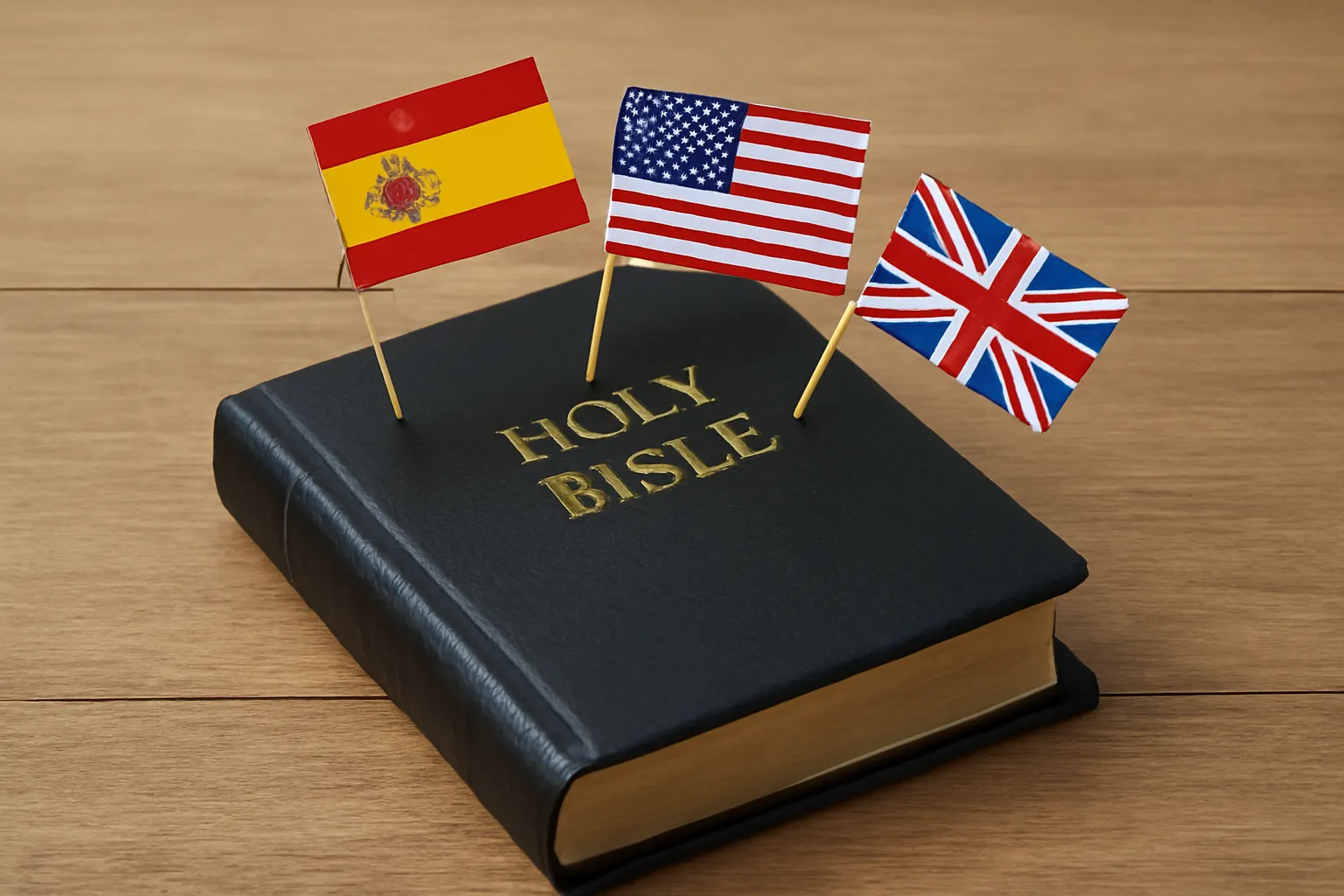
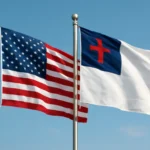
Bible flags, also known as biblical banners, scripture flags, or church banners, are visual symbols used in worship spaces to communicate biblical themes, tell stories, or mark liturgical seasons. Unlike national or secular flags, these banners are chosen for their spiritual resonance, their ability to carry a short message at a glance, and their role in guiding the worshiper’s attention toward God’s Word. They can be as simple as a single verse painted on fabric or as elaborate as a multi-panel tapestry featuring scenes from Scripture.
In many congregations, Bible flags serve three main purposes: to teach, to accompany, and to beautify. They teach by presenting a concise verse or image that anchors a sermon or lesson. They accompany by signaling shifts in worship—such as transitions between seasons, themes, or sacraments—creating a cohesive atmosphere for participants. They beautify by adding color, texture, and symbolism to the sanctuary, fellowship area, or processional routes. When used thoughtfully, biblical banners can deepen a person’s engagement with Scripture, invite contemplative reflection, and support communal identity without overwhelming the central liturgy.
This article explores the meaning behind Bible flags, traces their history, surveys the variations and types that appear in different churches, and offers practical display tips for designing, placing, caring for, and preserving these banners in both interior and outdoor settings. Whether you are a pastor planning a seasonal display, a volunteer coordinating a banner ministry, or a worship leader seeking to enrich your space with Scripture, this guide aims to provide a comprehensive overview rooted in durable design principles and reverent aesthetics.
Meaning, Symbolism, and The Language of Bible Flags
The power of Bible flags lies not only in their text but in the visual symbolism embedded in color, shape, and composition. Each element speaks to multiple layers of meaning, inviting both the eye and the heart to engage with the biblical narrative.
Colors, Symbols, and Scriptural Associations
Color is a primary language of Bible flags. Across Christian art and church tradition, certain colors carry established associations that can reinforce or clarify a banner’s message:
White – purity, holiness, Christ’s righteousness, grace.
Blue – heavenly realm, truth, steadfast faith, Scripture’s revelation.
Red – the blood of Christ, passion, sacrifice, the Spirit’s fire.
Purple – royalty, penance, preparation (notably during Lent and Advent).
Brown/earth tones – humility, humility in service, the created order.
Black – mystery, solemnity, the depth of God’s wisdom, or lament in certain contexts.
Beyond color, typography and imagery convey meaning. A bold, legible verse on a high-contrast field communicates a message quickly to worshippers moving through a foyer or along a processional route. An illustration—such as a dove representing the Holy Spirit, a lion and lamb motif, or scenes from the Gospels—adds narrative depth to the display. Banner design often balances textual clarity with visual storytelling, ensuring the message remains accessible to visitors and congregants of all ages.
The manifold languages of Bible flags also extend to their placement and usage. A verse displayed near an altar might emphasize sacrifice and redemption, while a banner at the church entrance could welcome visitors with verses about hospitality and mission. Seasonal banners—such as Advent pennants, Christmas banners, or Easter processional flags—signal the liturgical rhythm of the church year. In this way, meaning emerges through context: a banner is not a stand-alone sign but a partner to the words spoken in worship.
Historical Roots of Bible Flags
The practice of using banners and flags in Christian worship has deep historical roots. While the modern term Bible flags often implies a focus on Scriptures and message-bearing, banners in Christian history served a broader liturgical and ceremonial function. Understanding the history helps explain why many churches still rely on banners as a familiar and meaningful form of visual ministry.
Early Church and Medieval Processions
In the earliest centuries of the Church, processions and public displays were common as Christian communities gathered for worship, teaching, and mission. Processional banners adorned with the cross, the ichthys (fish symbol), or scenes from the life of Christ were carried to lead the assembly and to proclaim the Gospel beyond the church doors. These banners functioned as portable catechesis, teaching the faithful through imagery in a largely illiterate society and providing a publicly visible witness.
During the medieval period, banners—often made of richly embroidered fabrics—became a staple of ecclesiastical pageantry. Monastic communities, cathedrals, and parish churches commissioned banners for feast days and special procesions. The art of banner making grew intricate, integrating iconography, symbol sets, and calligraphic inscriptions that could be read by onlookers as well as worshippers approaching the altar.
Reformation and Post-Reformation Developments
The Reformation era brought changes in how banners were used, with some groups emphasizing plainspoken Scripture and didactic imagery while others retained the ceremonial grandeur of traditional banners. Throughout the Protestant world, scripture banners and banner ministries emerged as practical tools for teaching unfamiliar congregants and reminding seasoned believers of doctrinal commitments. The revival and mission movements of the 18th and 19th centuries often used banners as portable evangelistic tools—carried in outdoor evangelism, at camp meetings, or in city-wide gatherings.
In the 20th and 21st centuries, churches have reimagined banners for contemporary worship, balancing heritage with accessibility. Modern materials—polyester, canvas, or lightweight nylon—allow for durable, transportable flags that can be integrated into both traditional chancel spaces and informal worship areas. Across regions, banner practices have diversified, reflecting cultural preferences and local artistry while maintaining a core emphasis on Scripture, proclamation, and liturgy.
Variations and Types of Bible Flags
Bible flags come in a remarkable variety of forms. The terminology can vary by denomination, region, and workshop tradition, but several broad categories capture the spectrum of what churches display and how they use it:
Scripture banners – Flags or banners that center a single verse or a brief passage, designed for readability at a distance.
Seasonal banners – Flags that align with the liturgical calendar (Advent, Christmas, Epiphany, Lent, Easter, Pentecost, ordinary time), often color-coded and featuring season-specific imagery.
Mission and outreach banners – Flags proclaiming verses about witness, service, and the Great Commission, used in outreach events or mission conferences.
Departing and welcome banners – Displays near entrances or in welcome areas, highlighting hospitality verses or blessing benedictions.
Processional flags – Flags on poles used in processions, designed for carriage and maneuverability in worship spaces or outdoor settings.
Altar frontal banners – Textile panels that drape the altar area and reflect a season or theme.
Historical or saintly banners – Imagery or mottos drawn from biblical narratives or saints’ stories, often used in education spaces or exhibit settings.
Missionary journey flags – Flags marking or celebrating global outreach or partnership with churches abroad, sometimes featuring maps or country-specific verses.
Verse-and-Image banners – Combined textual and pictorial banners that pair a verse with a pictorial narrative (e.g., Creation, the Resurrection) for storytelling.
Each type has its own design challenges and display considerations. For example, Scripture banners prioritize legibility and quick comprehension, while seasonal banners may pursue more elaborate iconography and color harmonies that reflect the mood of the season. Consider how your church’s space, audience, and worship style influence the choice of flag type and the way it is integrated into the service.
Materials and Construction Variations
Bible flags can be crafted from diverse materials, with different construction methods affecting durability, weight, and appearance:
Fabric banners – Linen, cotton, polyester blends, or silk, often painted, screen-printed, or embroidered.
Printed flags – High-contrast digital or screen printing on durable fabric for bold verses and crisp imagery.
Embroidery or appliqué banners – Detailed needlework that adds texture and color depth but requires more time and care.
Processional flags – Lightweight, wind-friendly fabrics with sturdy poles and rotating hardware to facilitate movement during services.
Altar textiles – Panels designed to complement other liturgical elements, often coordinated with paraments and chalice cloths.
The quality of material influences not only aesthetics but also maintenance. Heavier fabrics may drape more gracefully but require careful storage to prevent creasing. Lighter fabrics can travel more easily but may show wear sooner if used in outdoor environments. A thoughtful approach to construction—combining durability with legibility and beauty—helps ensure banners remain meaningful over years of use.
Practical Display Tips for Bible Flags
Whether you are preparing banners for a temporary season or developing a long-term banner ministry, practical considerations can maximize impact while preserving the integrity of the message. The following tips cover planning, placement, readability, and stewardship.
Clear objectives help guide decisions about what to display, where, and when. Before creating a banner, ask:
What is the central verse or theme for this banner?
Who is the target audience (children, youth, or general congregants, first-time visitors)?
Where will the banner be most visible and impactful (entryway, chancel, worship center, or outdoor grounds)?
How will the banner be mounted or displayed (pole, wall bracket, freestanding stand, or altar-front projection)?
What is the durability plan (replacement schedule, storage, and maintenance)?
Create a brief specification sheet for each banner project, including dimensions, material, finish, color codes, verse text, and care instructions. This documentation simplifies future maintenance and ensures consistency across a banner family.
Placement and Visibility
The layout of your space should guide banner placement. Consider these practical rules:
Line of sight: Position banners so the text is readable from the main seating area. At least 6–8 feet of vertical clearance helps avert line-of-sight issues in larger sanctuaries.
Color contrast: Ensure high contrast between text and background. Dark text on light backgrounds or light text on dark backgrounds improves legibility.
Flow and balance: Distribute banners so they frame the worship space without creating visual competition. A balanced arrangement typically places banners in pairs or groups that lead the gaze toward the focal point (often the pulpit or altar).
Ingress and egress: When banners are used in processions or along entryways, ensure they do not obstruct foot traffic and do not become tripping hazards.
Lighting: Consider lighting that enhances readability without glare. Spotlight or indirect lighting can emphasize important banners during key moments.
For outdoor display, use weather-resistant materials and secure mounting to withstand wind. Have a backup plan for inclement weather, such as removable banners or sheltered locations.
Typography, Text, and Imagery
The readability of banner text is essential. Some best practices:
Typeface should be clear and legible from a distance; avoid overly ornate fonts for verse text.
Verse length should be concise or selectively excerpted to keep lines short and scannable.
Imagery should support the verse and not overwhelm it. Simple icons or silhouettes can convey meaning without clutter.
Line length and spacing affect readability; generous letter spacing and ample line breaks help legibility.
If you plan multiple banners, create a coherent visual language (consistent margins, color palette, and font choices) so the collection feels unified rather than disparate.
Maintenance, Rotation, and Longevity
A banner ministry benefits from a routine of rotation and care. Practical steps include:
Storage in a cool, dry place; use labeled tubes or flat bins with tissue or protective wrap to prevent creasing.
Cleaning according to fabric type (gentle washing for cotton, dry-cleaning for delicate embroidery, spot cleaning as needed).
Repair plan for minor repairs (re-stitching seams, reattaching grommets, reinforcing pole pockets) to extend life.
Rotation schedule to minimize wear on any single banner; rotate seasonal banners year to year or on a multi-year cycle.
When banners are used outdoors or for special events, keep a record of usage to identify which banners endure to maintain a stable, long-lasting collection.
Proper care preserves the visual integrity and spiritual impact of Bible flags. These practices help banners remain legible, vibrant, and safe for long-term display.
Fabric Care and Cleaning
Materials range from cotton and linen to synthetic blends. Cleaning guidelines should be tailored to the material:
Cotton and linen banners can often be hand-washed with mild detergent; air-dry away from direct sun to prevent fading.
Polyester and synthetic fabrics are usually more stain-resistant and can be spot-cleaned; follow manufacturer recommendations for washing.
Embroidery requires gentle care—avoid vigorous scrubbing; consider professional cleaning for delicate stitching.
For outdoor banners, protect against UV exposure and moisture; use UV-resistant coatings or store banners indoors when not in use.
Storage Best Practices
Long-term storage maintains banner shape and color. Consider these steps:
Roll banners rather than folding when possible to reduce creases.
Use acid-free tissue between folds if folding is necessary.
Store in breathable fabric bags or archival containers to prevent moisture buildup.
Label each banner with its title, verse, season, and care notes for quick retrieval.
Handling and Transportation
When banners must be moved, use padded supports and secure poles to avoid bending or tearing. Protect corners and edges, especially on longer panels. Transportation cases with dedicated slots for banner sections help minimize handling damage.
Regional and Denominational Differences in Bible Flags
Across the globe, churches adapt the use of flags to fit their theology, worship style, and cultural aesthetics. Some regions emphasize stark simplicity and scriptural readability, while others celebrate vibrant iconography and symbolic color schemes. Denominational preferences influence both the messaging on banners and the ceremonial role they play.
Traditional mainline churches may favor ceremonial banners with liturgical color alignment (purple for Lent, white for Easter, etc.) and texts that emphasize creedal themes.
Evangelical and charismatic churches often use banners to highlight outreach verses, commission language, or praise-focused imagery, with bolder typography and more exuberant color palettes.
Baptist and Pentecostal contexts may emphasize mission-oriented banners and banners used in outdoor gatherings or revival meetings.
Catholic parishes might employ processional banners that align with Marian feasts, saints’ days, or liturgical seasons, often integrating iconography and devotional symbolism.
Anglican and Lutheran settings frequently balance traditional parament design with contemporary banner art to reflect both heritage and current preaching themes.
Regardless of tradition, the underlying principles remain consistent: banners should proclaim Scripture, support worship, and honor the sacred space. A thoughtful approach to style, text, and color helps ensure that flags are accessible to all worshippers while maintaining reverence for the biblical message they convey.
Common Myths and Misconceptions About Bible Flags
As with any church aesthetic, Bible flags are subject to misconceptions. Here are some common myths and clarifications:
Myth: Flags are decorations with no doctrinal weight. Reality: While banners are decorative, they are chosen to reinforce biblical messages, teach doctrine, and invite reflection.
Myth: Any verse on a banner is appropriate for any setting. Reality: Banner text is selected for relevance to the season, sermon series, or ministry goals, and is crafted to be understandable in the given context.
Myth: Banners must be expensive or elaborate to be effective. Reality: Simplicity often yields clarity. A well-designed banner with a clear verse can be more impactful than a highly ornate display lacking readability.
Myth: Banners are only for churches with large budgets. Reality: Banner ministry can be scaled to fit a range of budgets, from DIY projects to small professional productions, as long as the message is faithful and the design is intentional.
Case Studies: How Bible Flags Are Used in Practice
To illustrate how Bible flags function in real-world settings, consider a few practical scenarios drawn from diverse church communities:
Advent Focus: A church uses four banners in a wreath-like arrangement, each featuring a verse about hope, peace, joy, and love. The colors—deep indigo, soft white, muted gold, and evergreen—create a contemplative mood as worshippers move toward Christmas Eve.
Mission Conference: A banner ministry introduces a pair of banners with verses about sending and sharing the Gospel. The flags feature map silhouettes and bold typography that helps attendees reflect on global outreach during plenary and breakout sessions.
Outdoor Vespers: In a park setting, lightweight processional flags are used to create a living banner procession, guiding participants through a candlelit walk with verses about light in the darkness.
Youth Camp: A youth-focused church designs bright, energetic verse flags that echo the themes of courage, faith, and service, using durable vinyl overlays and reinforced pole pockets for quick setup and takedown.
These case studies demonstrate how purpose-driven design and seasonal alignment can maximize both aesthetic appeal and spiritual resonance in a variety of environments.
Conclusion: The Value of Bible Flags in Worship and Education
Bible flags are more than decorative elements; they are portable, visual sermons that can anchor worship, teach doctrine, and invite reflection. When thoughtfully chosen and carefully displayed, banners help congregations encounter Scripture in a tactile, memorable way. They provide a dynamic way to tell the biblical story—whether through a single verse that captures a moment of grace or through a banner set that unfolds the life of Christ across a liturgical season.
By understanding the meaning behind colors and imagery, respecting the history of processional and decorative banners, recognizing the varieties of banner types, and applying practical display and care guidelines, churches can build a banner program that endures. A well-executed Bible flag collection can become a faithful companion to preaching, teaching, sacraments, and mission—reminding the community that God’s Word is alive and present in the everyday spaces where people gather, learn, and worship.

 Por Laura Jara