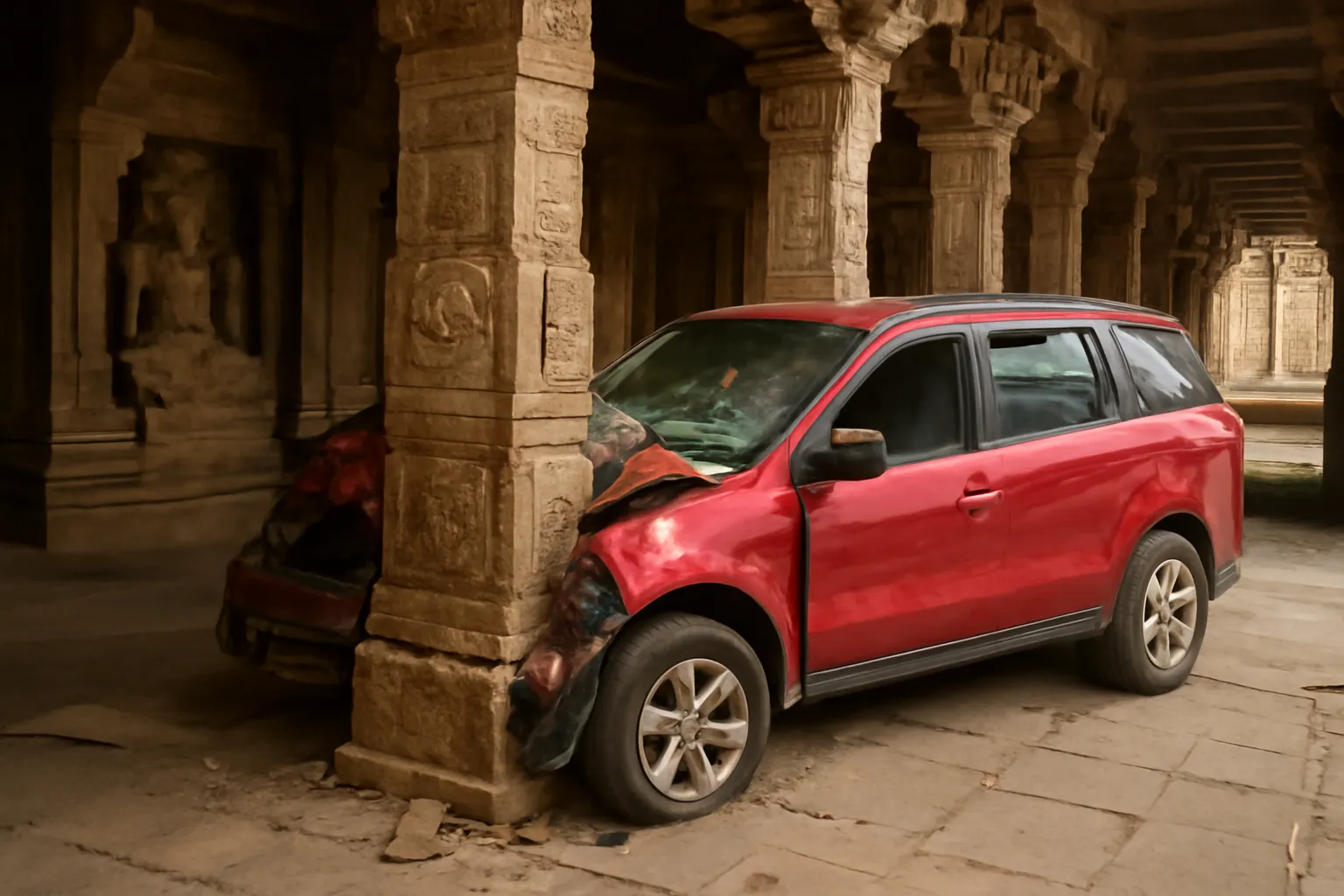
Accidents at religious sites, including accidents in temple spaces, are uncommon but they can have serious consequences for worshippers, volunteers, staff, and visitors. This article presents a practical guide to understanding the causes, implementing effective safety measures, and navigating the process of filing claims when harm occurs. By exploring the topic with care for both spiritual respect and practical safety, temples can reduce risk, respond swiftly to incidents, and support those affected.
Understanding what counts as an accident in a temple
When we speak of an accident in a temple, we refer to an unplanned, undesirable event that results in injury, property damage, or a disruption of worship or activity. This can include a slip or fall, an electrical shock near lighting or sound equipment, a burn from candles or incense, a crush during a crowded ritual, or a sudden medical emergency that occurs on temple premises. Variations on the phrase—such as accident at the temple, temple mishap, or temple-related incident—highlight different angles of the same overarching concern: safety within a sacred space.
Importantly, an accident in temple settings does not imply negligence by a single party. It often results from a combination of factors, including environmental conditions, crowd dynamics, maintenance lapses, and the timing or nature of a ceremony. By recognizing the breadth of possibilities, temple leadership can create more robust safety programs that cover both routine operations and special events.
Causes and risk factors that contribute to temple accidents
Many temple-related incidents arise from a blend of structural, human, and ceremonial factors. Understanding these causes helps in prioritizing prevention efforts and in training staff and volunteers to respond appropriately when something goes wrong.
Structural and maintenance issues: worn flooring, loose handrails, uneven steps, inadequate lighting, and water seepage can all create fall hazards or electrical risks.
Slips, trips, and falls: wet floors after cleansing rituals, incense ash on tiles, cluttered walkways, and stairs without non-slip surfaces are common culprits.
Electrical and equipment hazards: faulty wiring, overloaded power strips, or exposed connections near prayer lamps, audio systems, or air handling equipment can lead to shocks or fires.
Fire and burn hazards: candles, oil lamps, and incense represent ongoing fire risks, especially in crowded or poorly ventilated spaces.
Crowd dynamics during ceremonies: processions, dawn or evening programs, and large pilgrim arrivals can lead to crushing, jostling, or rapid crowd movement.
Water, weather, and environmental factors: rain-slicked surfaces at outdoor steps or temple courtyards, or heat and humidity affecting floor traction, contribute to accidents.
Medical emergencies: fainting, dehydration, heart events, or allergic reactions can occur unexpectedly, particularly during long ceremonies or fasting periods.
Ceremonial activities and rituals: use of ritual objects, flowing robes or loose fabrics, or restricted access to certain areas can create unique risk scenarios.
Additional risk factors to consider include the vulnerability of elderly visitors, children, and individuals with mobility challenges; language barriers that hinder safety briefings; and the timing of events that may overwhelm typical safety staffing levels. A layered approach—preventive design, proactive supervision, and clear emergency protocols—helps address these diverse risks.
Common types of incidents and potential injuries
Slips, trips, and falls
These are among the most frequent temple incidents. Causes include wet or polished floors after washing rituals, debris or clutter in high-traffic areas, and insufficient handrails on stairs or ramps. Injuries range from minor bruises to more serious sprains or fractures, particularly among older worshippers.
Electrical hazards
Electrical issues can occur near lighting, sound systems, or heating devices. Damaged cords, overloads, or improper grounding may lead to shocks or even fires. Public spaces within temples must be routinely inspected for frayed cables and safe clearance around outlets and equipment.
Burns and smoke inhalation
Incense, candles, oil lamps, and sizzling offerings create a fragrant atmosphere but also carry burn and inhalation risks in crowded settings. Children or individuals with limited mobility may be at greater risk if flames are near fabrics, prayer flags, or seating.
Crowd-related injuries
During festivals, processions, or large daily prayers, dense crowds can trigger trampling, entrapment, or difficult evacuations. Visual obstructions, narrow aisles, and bottlenecks amplify these hazards. Prepared crowd-control plans and clear exit routes are essential.
Medical emergencies
Fainting, dehydration, heat exhaustion, or cardiac events can occur in any setting, including a temple. Prolonged standing, dehydration from fasting, or preexisting conditions may predispose individuals to emergencies during long services.
Other potential incidents
Spills from ritual food or beverage offerings, accidental contact with ceremonial equipment, or slips due to wet courtyards can result in injuries or near-misses that should be documented and reviewed for prevention.
Prevention strategies: building a safer temple environment
For temple leadership and facility management
Conduct regular safety audits of floors, stairs, lighting, signage, and emergency exits. Address issues promptly and document remediation.
Invest in non-slip surfaces and secure flooring in all high-traffic areas, including courtyards and sanctums.
Improve lighting and visibility in stairwells, hallways, and entryways to reduce missteps.
Establish clear, unobstructed pathways for worshippers and volunteers. Remove clutter from aisles and ensure seating does not impede egress.
Implement fire safety measures: functional extinguishers, clear evacuation routes, regular drills, and designated assembly points for crowds.
Maintain electrical safety with routine inspections, proper cord management, and weatherproofing for outdoor equipment.
Designate safety roles for staff and volunteers, including a safety officer, first-aid responder, and crowd-control coordinators.
Plan for peak crowds with scalable staffing, temporary barriers, and clearly marked entry/exit points during festivals or processions.
Provide accessible routes and accommodations to ensure people with mobility challenges can move safely.
For worshippers, volunteers, and event organizers
Wear appropriate footwear with good traction, especially on wet or uneven surfaces.
Keep walkways clean by reporting spills or loose mats immediately to staff.
Follow posted safety signs and listen to safety briefings at the start of events.
Stay aware of surroundings during processions; avoid blocking aisles; yield to those with mobility aids or families with young children.
Respect ceremonial boundaries and avoid handling equipment or candles unless trained and authorized.
Carry water during longer ceremonies to prevent dehydration, especially in hot climates or during fasting periods.
Emergency response: what to do when a temple incident occurs
Immediate actions for witnesses and bystanders
Ensure personal safety first; avoid becoming a secondary hazard yourself.
Assess the injured person if it is safe to do so. Provide basic aid for minor injuries if you are trained.
Call for help from on-site staff or local emergency services if there is any serious injury, bleeding, unconsciousness, or a potential fall from height.
Do not move seriously injured individuals unless there is an immediate danger (fire, structural collapse, etc.).
Preserve the scene for investigators and avoid removing objects that time-stamp the incident, unless moving them is necessary to treat a victim.
First aid and medical support
Provide first aid for minor wounds, splint suspected fractures, and monitor vitals if trained to do so. Use gloves and clean materials to prevent infection.
Administer basic life support (CPR) if trained and needed, while awaiting professional responders.
Document the incident with a simple note including who was involved, what happened, when, where, and immediate actions taken.
Communication and follow-up
Notify temple leadership and, if appropriate, local authorities or health departments based on the severity of the incident.
Assist the injured person’s family or companions with information and support, including transport to medical facilities if necessary.
Prepare an incident report that records facts without speculation, including witness statements and time-stamped events.
Filing claims and legal considerations after a temple accident
In the aftermath of an accident in temple premises, affected individuals may pursue compensation through various channels. Understanding the process helps ensure that legitimate claims are supported and handled efficiently while maintaining respect for the sacred space.
The basics of filing a claim
Identify the responsible party: the temple’s own insurer, a third-party administrator, or another entity responsible for the area of the incident (for example, a contractor responsible for maintenance).
Document thoroughly: incident date/time, location, people involved, injuries, medical treatment, and any property damage. Collect contact information from witnesses.
Preserve evidence: keep medical records, receipts, photographs of injuries or scene, and the incident report.
Report promptly: most policies require timely reporting of claims; inform temple leadership and the insurer according to policy guidelines.
Types of claims that may arise
Personal injury claims for injuries sustained by worshippers, volunteers, or staff due to a temple-related incident.
Property damage claims for damaged ceremonial items, vehicles, or structures resulting from the accident.
Medical expense claims to cover hospital visits, imaging, medications, or long-term rehabilitation related to the incident.
Loss of income or wage claims if the victim cannot work due to injuries, subject to policy terms and local laws.
What temple administrators should know about liability and policy limits
Liability varies by jurisdiction; local law defines the duty of care owed by temple operators and how negligence is determined.
Insurance coverage may include general liability, premises liability, and workers’ compensation, depending on the event and the people involved.
Waivers and releases signed by attendees generally do not absolve a temple of all responsibility, especially if negligence or willful disregard of safety standards is involved.
Documentation is critical for settling claims; organized incident reports, witness statements, and medical records support the claim process.
Steps to take after filing a claim
Engage legal counsel or a claims specialist who understands personal injury and premises liability in the relevant jurisdiction.
Provide comprehensive medical and employment records to support compensation for injuries and lost income.
Stay in communication with the insurer and respond to requests for additional information promptly to prevent denial due to delays.
Respect privacy and sensitivity—disclosures about religious practices or temple procedures should be handled with care and confidentiality where appropriate.
Documentation, reporting, and records: building a robust safety archive
A well-maintained documentation system serves both safety improvements and potential claims processes. Creating a clear, accessible archive helps temple leadership learn from incidents and ensures accountability.
Incident report forms should capture basic details: date, time, location, people involved, injuries, and immediate actions taken.
Witness statements provide corroborating perspectives and help reconstruct events accurately.
Photographs and diagrams of the scene, including signage, lighting, and floor conditions, support root-cause analysis.
Medical records and receipts tied to the incident establish the scope of injuries and related expenses.
Maintenance logs document repair work and preventive measures that were implemented before and after the incident.
Post-incident analysis (sometimes called a root-cause analysis) identifies contributing factors and concrete actions to prevent recurrence.
In practice, temples can create a digital safety file accessible to authorized staff. Include templates for incident reporting, a glossary of safety terms, and a calendar of safety audits and training sessions. Regular reviews of the archive ensure that lessons learned translate into tangible improvements.
Building a safety culture in a temple environment
A safety-forward culture respects the sanctity of worship while recognizing that protection of people is an essential responsibility of temple leadership. A proactive approach involves training, communication, and ongoing evaluation.
Regular safety training for staff, volunteers, and contractors, including first aid, incident reporting, and emergency evacuation procedures.
Clear communication channels for reporting hazards or near-misses, with feedback loops so staff can track improvements.
Visible safety signage and floor markings to guide worshippers and volunteers, especially in areas with steps or potential hazards.
Drills and rehearsals for emergency situations such as fire or medical emergencies, aligned with local regulations.
Inclusive safety planning that accounts for children, elderly, people with disabilities, and visitors who may not speak the primary language of the temple.
Safety is not only about preventing harm; it is also about ensuring that people feel welcome and protected as they engage in meaningful spiritual activities. A temple that openly addresses hazards without diminishing the sacred atmosphere earns trust and fosters a resilient community.
Special considerations for festivals, processions, and high-traffic days
Large gatherings require heightened planning. The dynamics of crowds during a festival or procession introduce unique risk factors that demand specific precautions.
Advance risk assessment for expected attendance, flow patterns, and potential bottlenecks in entrances and exits.
Expanded staffing and training to manage crowds, coordinate with local authorities, and provide on-site first aid.
Temporary barriers and clearly marked routes to guide movement and prevent overcrowding near ceremonial areas.
Communication plans using speakers, signage, and staff to convey safety messages and emergency instructions.
Ventilation and climate control considerations for indoor spaces, particularly during long ceremonies or when incense is used heavily.
Post-event reviews to capture lessons learned and adjust future plans accordingly.
In these contexts, an accident in temple settings during festivals may involve crowd crush, trips on unfamiliar temporary flooring, or exposure to heat and smoke. Preparedness reduces the likelihood and severity of injuries while preserving the dignity of the occasion.
Accessibility, inclusivity, and safety for all visitors
A modern temple must balance reverence with practical access. Safety planning that centers on accessibility ensures that everyone can participate in worship and community activities without unnecessary risk.
Ramps and elevators for wheelchair users and those with mobility challenges; clearly marked routes should be free of obstructions.
Non-slip surfaces and handrails in all stairways and transitions between levels.
Clear signage in multiple languages or using universal symbols to guide people to exits, restrooms, and first-aid posts.
Quiet and safe spaces for individuals who may feel overwhelmed by crowds, heat, or sensory stimuli during large events.
Assistance programs for elderly worshippers or families with young children, including volunteers who can provide help during ceremonies.
Valuing accessibility does not undermine spirituality; instead, it enhances the temple’s mission by ensuring that spiritual experiences are open to all members of the community.
Conclusion: turning lessons into safer worship and better care
Accidents in temple spaces—whether described as temple mishaps, incidents at sacred sites, or temple premises accidents—are a reminder that safety and reverence can coexist. By identifying underlying causes, implementing practical prevention measures, equipping staff with emergency response skills, and maintaining thorough documentation for any claims, temple communities can protect worshippers while honoring their sacred values. The goal is not to create fear but to foster a proactive safety culture that strengthens the trust and well-being of every participant.
Frequently considered questions about temple safety and accident response
What should I do immediately after witnessing a temple accident?
Ensure personal safety and the safety of others nearby.
Provide or seek first aid if trained and necessary.
Call for help from on-site staff or local emergency services if there is serious injury.
Document what you observed and assist in reporting the incident to temple leadership.
How can temples balance safety with religious practice?
Plan safety measures that respect ritual activities and sacred spaces, such as keeping candles away from high-traffic areas and using protective barriers where needed.
Communicate safety expectations clearly to worshippers before ceremonies and during processions.
Engage community members in safety planning to ensure guidelines are culturally sensitive and practically feasible.
What is the typical timeline for filing a claim after a temple incident?
Report the incident to temple leadership promptly, as many insurers require timely notification.
Gather medical records, receipts, witness statements, and the incident report within weeks to months, depending on the severity.
Submit the claim to the appropriate insurer or party and respond to any requests for additional information.
By treating safety as an integral part of temple life—rather than an afterthought—the community can reduce risk, support those affected by any accidents in temple environments, and continue to gather in a space that is both sacred and secure.

 Por Laura Jara