For He Is Risen Bible Verse: Hope After the Empty Tomb
Quick Answer: The “for he is risen bible verse” message is God’s declaration that Jesus is alive, not merely a memory. Matthew and Mark show the witnesses are sent to see the empty place. Revelation confirms Christ lives forever. Galatians connects the resurrection hope to daily faith as Christ lives within the believer.
When grief feels loud and questions feel heavy, the Gospel speaks with a steady, living voice. The for he is risen bible verse truth is not inspiration for a moment—it is reality that outlasts despair. Matthew records the angel’s message to come and see: the Lord is not in the place where He was laid. Mark adds comfort and clarity, emphasizing that Jesus of Nazareth—crucified—he is risen and the tomb is empty. Revelation expands the victory to eternity, declaring Christ alive for evermore and holding the keys of hell and death. And Galatians brings resurrection into the everyday: the believer lives by faith because Christ lives within. Today, these verses invite you to move from searching with uncertainty to trusting with assurance.
At a Glance — Verses in This Article
Matthew 28:6
Mark 16:6
Galatians 2:20
Revelation 1:18
Bible Verses
Matthew 28:6 (King James Version)
“He is not here: for he is risen, as he said. Come, see the place where the Lord lay.”
This verse anchors the resurrection hope in an eyewitness invitation to “come, see,” declaring the Lord is risen.
Mark 16:6 (King James Version)
“And he saith unto them, Be not affrighted: Ye seek Jesus of Nazareth, which was crucified: he is risen; he is not here: behold the place where they laid him.”
This message removes fear and confirms that Jesus who was crucified is risen and not present in the tomb.
Galatians 2:20 (King James Version)
“I am crucified with Christ: nevertheless I live; yet not I, but Christ liveth in me: and the life which I now live in the flesh I live by the faith of the Son of God, who loved me, and gave himself for me.”
This verse shows how resurrection life becomes personal experience as Christ lives within the believer by faith.
Revelation 1:18 (King James Version)
“I am he that liveth, and was dead; and, behold, I am alive for evermore, Amen; and have the keys of hell and of death.”
This verse proclaims Christ’s eternal victory over death and the authority that backs the resurrection message.
Come and see: the empty place that changes everything
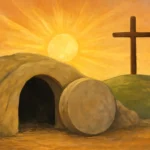
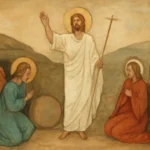
The resurrection is not presented as vague optimism; it is announced with a clear invitation. In Matthew 28:6, the message begins with a direct correction: “He is not here.” That phrase confronts every impulse to interpret the cross as the end. The angel points to what the followers can actually verify: “Come, see the place where the Lord lay.” Faith is not asked to ignore reality—it is called to face it. The empty place becomes a sign that God’s plan has not been thwarted.
Mark 16:6 reinforces the same certainty. The angel’s words include both reassurance and authority: “Be not affrighted.” Fear tries to narrate tragedy as defeat, but the Gospel answers fear with fact. Jesus of Nazareth, who was crucified, is risen—“he is risen; he is not here.” The location of His body matters because it confirms the message. The resurrection is not merely symbolic; it is historical, witnessed, and declared.
Taken together, these verses show why the he is risen bible verse truth deserves more than a passing thought. It is a turning point. The first witnesses were not instructed to imagine; they were directed to observe the empty place and respond to the risen Lord. That pattern still works today: when doubts rise, God does not only offer feelings—He offers truth, and truth invites a response.
If you feel far from certainty, start here: the resurrection message is God’s “no” to despair. The empty tomb is God’s “yes” to hope. As you let that message settle in your heart, it becomes easier to release control and trust the One who overcame death.
From victory to life: Christ living within you
Resurrection hope is powerful, but it is also practical. It does not only affect what happened in the past; it shapes how believers live in the present. Galatians 2:20 moves the Gospel from the tomb to the self. Paul says, “I am crucified with Christ: nevertheless I live.” That means the believer’s identity is redefined by what Christ has done. The cross is not only a historical event—it becomes a pattern of death to sin and surrender to God.
Then Paul adds the most personal resurrection connection of all: “yet not I, but Christ liveth in me.” Resurrection truth does not end with the news that Jesus is alive. It continues with the reality that Christ’s life can be experienced within the believer. This is why the resurrection matters on Monday morning when pressures return, on quiet nights when thoughts race, and in moments when you wonder if God can still use you.
Paul also names the method: “the life which I now live in the flesh I live by the faith of the Son of God.” Faith is not wishful thinking. It is trusting the risen Christ to be who He says He is. In other words, resurrection becomes lived faith.
This is where the earlier “come and see” invitation quietly transforms into “come and trust.” Matthew and Mark show the empty place. Galatians shows the inhabited heart. When Christ is risen, your life is not merely improved—it is reoriented toward divine life.
So, if you feel stuck, consider this: the resurrection is not only a promise of someday. It is a promise of participation. Christ’s living power can renew your motives, steady your conscience, and strengthen your perseverance.
Let the Jesus is risen scripture truth remind you that God is not distant from your daily struggles. The One who defeated death is the same One who lives in you by faith.
Death’s defeat and the keys that secure your hope
Many people can agree that the resurrection is inspiring, but Scripture presents it as reigning. Revelation 1:18 speaks with courtroom authority and royal clarity. Jesus identifies Himself: “I am he that liveth, and was dead; and, behold, I am alive for evermore.” This is the Gospel completed—not just “alive again,” but alive forevermore.
Revelation then adds the reason hope can be unshakable: “and have the keys of hell and of death.” Keys symbolize power, access, and control. Christ holds what others fear. Death is not a rival kingdom that can win. Hell is not a final hiding place that can swallow truth. The One who rose holds the authority to open and close, to conquer and secure.
When you place Revelation alongside Matthew and Mark, the theme becomes unmistakable. The angel points to the empty place. The apostles and believers receive that message. And Jesus Himself later testifies that His resurrection victory is eternal and sovereign. This means your hope is not built on a fragile mood—it is built on the reigning Christ.
This is also why fear has no final word. The resurrection message does not deny suffering, but it refuses to call suffering permanent. Even when circumstances remain difficult, the keys of hell and death remain with the living Christ.
So, let the empty tomb message verse truth guard your heart when you face the unknown. If Christ has the keys, you do not have to live as though death is the gatekeeper of your future. You can live as someone whose Savior is alive forevermore.
And if you have walked through loss, this verse offers a specific comfort: the One who was dead is the One who lives, and that life reaches beyond the grave.
How to respond today with faith
Because these verses are more than information, they call for response. First, practice turning fear into a directed question. When worry rises, remember Mark’s opening reassurance: “Be not affrighted.” Then respond like the witnesses were invited to do—shift from panic to attention. Ask yourself, “What does God’s truth say about the empty place and the risen Lord?” Let the for he is risen bible verse promise redirect your focus from what is missing to who is living.
Second, make resurrection personal. Galatians 2:20 teaches that Christ’s life is meant to be lived, not merely admired. During a stressful moment, pray a simple faith statement: “Lord Jesus, live in me today.” Then align one practical decision with that prayer—choose patience over irritation, honesty over secrecy, forgiveness over resentment.
Third, stand on authority, not only emotion. Revelation 1:18 reminds you that Christ has the keys of hell and of death. When temptation or despair tries to define your future, remind yourself: death’s power is not ultimate. It is subject.
Finally, don’t keep resurrection hope private. Encourage someone else with the truth that Jesus is risen and alive forevermore. A short conversation, a supportive text, or a prayer spoken over another believer can carry the same comfort you received.
These practices won’t make life instantly easy, but they will make your life anchored in the risen Christ.
Frequently Asked Questions
What does the he is risen bible verse mean for Christians today?
It means the resurrection is real and still powerful. The empty tomb announces that Jesus is alive, and Revelation shows His victory is eternal. Galatians then connects resurrection to daily living by faith—Christ’s life is meant to be experienced inside you.
Where do we see the “empty tomb” message in Scripture?
Matthew 28:6 and Mark 16:6 both emphasize that Jesus is not in the place where He was laid. The invitation to “come, see” highlights that the resurrection is grounded in observable truth, not wishful thinking.
How does Jesus is risen scripture affect fear and anxiety?
Mark 16:6 addresses fear directly: “Be not affrighted.” When anxiety rises, Scripture reframes the situation by pointing to the living Christ. The risen Lord is not powerless against suffering—He holds authority, including the keys of death.
What does Christ lives forevermore verse teach about hope for the future?
Revelation 1:18 declares that Jesus is alive forevermore and holds the keys of hell and death. This means your hope does not depend on circumstances lasting forever—it rests on the reigning, living Savior whose victory cannot be undone.
A Short Prayer
Living God, thank You for the risen Lord who is not found in the empty place but is alive forevermore. Strengthen my faith when fear tries to speak louder than truth. Help me to live by the faith of the Son of God, trusting that Christ lives within me. Give me courage to seek You, to encourage others, and to remember that You hold the keys of death. In Jesus’ name, Amen.
Key Takeaway: The empty tomb proves Christ is risen, and His eternal life becomes your daily hope through faith.

 Por Fernando Ortiz