The Five Wise Virgins: Lessons from a Biblical Woman of Preparedness and Wisdom
📅 1st century AD, during the life and ministry of Jesus · 📜 Her name is not given explicitly in the parable; however, the term 'virgin' (Greek: parthenos) emphasizes purity and readiness rather than a personal name.
parableswisdomspiritual vigilance
Then all those virgins arose and trimmed their lamps. And the foolish said to the wise, 'Give us some of your oil, for our lamps are going out.' But the wise answered, saying, 'Since there will not be enough for us and you, go rather to the dealers and buy for yourselves.' Matthew 25:7-9— Matthew 25:7-9
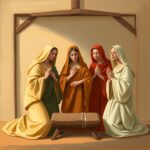
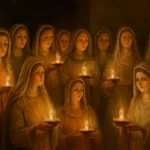
The Five Wise Virgins are central figures in Jesus' parable in Matthew 25:1-13, where ten virgins await the bridegroom’s arrival. Five of them are prepared, bringing extra oil for their lamps, symbolizing spiritual vigilance and foresight. The other five, described as unwise, neglect to bring sufficient oil and are caught unready when the bridegroom arrives unexpectedly. This parable underscores the importance of spiritual preparedness and active faith. The wise virgins' readiness ensures they participate in the wedding feast, symbolizing the kingdom of heaven, while the unwise are excluded due to their negligence. Their story highlights themes of watchfulness, prudence, and faithfulness in awaiting Christ’s return, serving as an enduring call for believers to maintain spiritual readiness at all times.
In first-century Jewish culture, virgins awaiting a bridegroom symbolized purity and fidelity, often representing the community’s spiritual state. Women played vital roles in family and religious life, yet their societal roles were often limited, emphasizing modesty and preparedness. The parable aligns with Jewish traditions that valued watchfulness and readiness for messianic expectations. It also reflects the period's emphasis on moral responsibility and spiritual alertness, teaching that individual vigilance is crucial for salvation. Women, in particular, were seen as custodians of purity, making this story especially resonant in highlighting their collective spiritual duty within the context of Jewish familial and societal expectations.
👨👩👧 Family Connections
The story does not specify her family; she represents the collective virtue of wise preparations among believers rather than a specific individual with familial ties.
✨ Character Traits
wisdomprudencevigilancefaithfulness
⛪ Theological Significance
The Five Wise Virgins symbolize spiritual preparedness and active faith, emphasizing that salvation requires ongoing vigilance and perseverance. Their story underscores the importance of maintaining a faithful, prayerful life in anticipation of Christ’s return. The oil they carry represents the Holy Spirit, symbolizing divine grace and readiness. By illustrating the consequences of neglect and complacency, the parable calls believers to remain vigilant and faithful, reminding us that enlightenment and salvation are contingent upon continuous spiritual devotion. Ultimately, they teach that true readiness involves both faith and active works, underscoring salvation as a process of ongoing spiritual oiling through God's grace.
📖 Lessons for Today
📖 Lesson 1
Stay spiritually prepared at all times through prayer, reading Scripture, and living faithfully, for we do not know when Christ will return.
Avoid complacency in faith; actively nurture your relationship with God to ensure you are always ready for His coming.
📖 Lesson 3
Vigilance and wisdom are essential virtues that guide believers to participate fully in God’s kingdom when the time comes.
🔗 Connections to Other Biblical Women
While not directly connected to specific women in Scripture, the wise virgins symbolize themes seen in Proverbs' virtuous woman—preparedness, wisdom, and fear of the Lord. Unlike Mary, the mother of Jesus, who exemplifies obedience, the virgins exemplify individual spiritual responsibility. They contrast with women like the Proverbs 31 woman, who embodies diligence and wisdom in daily life, showing different facets of womanhood rooted in faithfulness and foresight.
📜 Scripture References
Reference
Matthew 25:1-13
❓ Frequently Asked Questions
Who are the Five Wise Virgins in the Bible?
They are a group of women from Jesus’ parable in Matthew 25:1-13, representing believers who are spiritually prepared for Christ’s return by having sufficient oil (the Holy Spirit).
What does the oil symbolize in the parable?
The oil represents the Holy Spirit, divine grace, and spiritual readiness necessary to enter the kingdom of heaven.
Why were the foolish virgins unprepared?
They neglected to bring extra oil, symbolizing a lack of spiritual vigilance and active faith, which resulted in their exclusion from the wedding feast.
✨ Did You Know?
The Greek word for 'virgin' (parthenos) in the parable emphasizes purity and readiness over individual identity, reflecting a broader biblical theme of spiritual fidelity. Interestingly, historically, oil was a valuable commodity, symbolizing spiritual wealth, making their preparedness a significant cultural metaphor in Jewish society of that era.

 Por Mario Acevedo