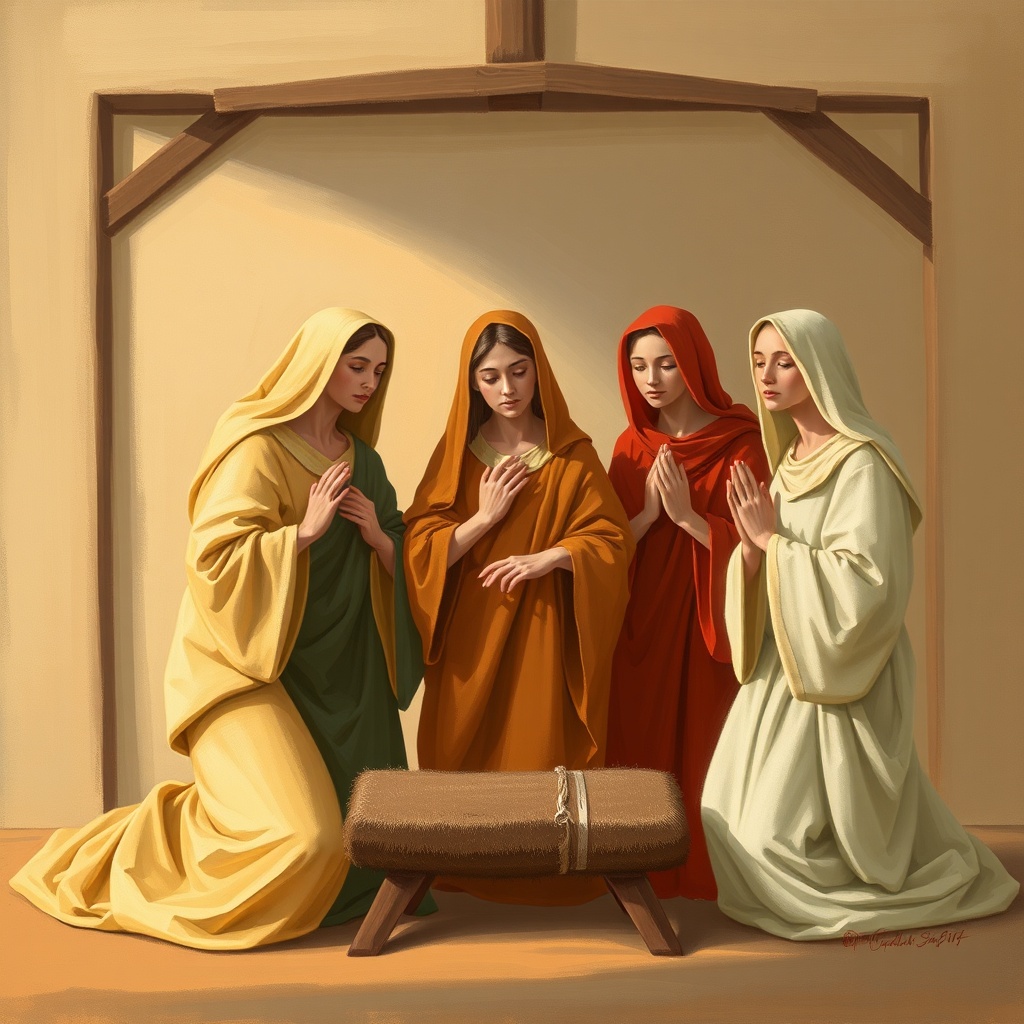
The parable of the Five Foolish Virgins, found in Matthew 25:1-13, depicts ten young women awaiting the bridegroom's arrival. Five are wise, bringing extra oil for their lamps, prepared for the delay, while five are foolish, neglecting to bring sufficient oil. When the bridegroom arrives unexpectedly at midnight, only the wise virgins are ready to enter the wedding feast. The foolish virgins, lacking oil, miss the opportunity to participate and are left outside. This story symbolizes spiritual preparedness, vigilance, and the importance of maintaining a diligent faith. The virgins serve as a reminder that readiness for Christ’s return requires ongoing faithfulness and discipline, emphasizing that salvation involves active anticipation and commitment.
🏛️ Cultural & Historical Context
During first-century Jewish culture, weddings were significant communal events, often involving nighttime processions. Women, especially virgins, played vital roles in preparing for social and religious duties. The parable's setting reflects societal expectations of readiness and virtue associated with purity and vigilance. Women’s roles were generally centered around domestic responsibilities, but they also participated in religious festivals and community events, emphasizing the importance of preparedness in both spiritual and social contexts. The story highlights the cultural value placed on prudence, moral responsibility, and readiness for the Messiah’s coming, mirroring contemporary expectations for moral conduct among women and men alike.
The Virgins' familial relationships are not detailed in the scripture; their primary role is symbolic within Jesus’ parable.
✨ Character Traits
wisdomnegligenceforesighturgency
⛪ Theological Significance
The Five Foolish Virgins symbolize the importance of spiritual readiness and vigilance for Christ’s second coming. They represent those who may appear to be prepared but lack genuine faith and perseverance. Their story warns believers to maintain ongoing spiritual discipline, highlighting that salvation requires active engagement with faith rather than complacency. The parable underscores God's patience and the necessity of continuous spiritual oil—symbolic of the Holy Spirit—until Christ’s return. It emphasizes that true preparedness involves both moral integrity and a personal relationship with God, serving as a timeless lesson on spiritual watchfulness and accountability in salvation history.
📖 Lessons for Today
📖 Lesson 1
Always maintain spiritual vigilance; preparedness isn’t a one-time act but a continuous process of faithfulness.
📖 Lesson 2
Rely on a genuine relationship with God, not just superficial appearances of righteousness.
📖 Lesson 3
Be proactive in cultivating your faith, seeking the Holy Spirit’s guidance daily to avoid spiritual complacency.
🔗 Connections to Other Biblical Women
Like the wise virgins, women such as Anna the prophetess exemplify vigilance and devotion; contrastingly, women like the unfaithful wife or Jezebel show neglect and spiritual failure. The virgins symbolize personal responsibility in faith, echoing figures like Deborah, who led with wisdom and courage. Their story encourages women of faith to remain alert and faithful, emphasizing personal readiness and moral integrity in the broader biblical narrative of women’s roles in salvation history.
They illustrate the importance of being spiritually prepared at all times. Their story reminds believers to cultivate ongoing faithfulness and vigilance for Christ’s return.
Why were the virgins considered wise or foolish?
The wise virgins took extra oil for their lamps, symbolizing spiritual preparedness, while the foolish did not, demonstrating neglect or complacency. Their actions reflect the necessity of ongoing faith and readiness.
What does the oil represent in the parable?
The oil symbolizes the Holy Spirit, that deepen our faith and maintain our spiritual intimacy with God. It signifies preparedness rooted in spiritual vitality and discernment.
✨ Did You Know?
The term 'virgins' in the parable originates from the Greek word 'parthenoi,' which also appears in other ancient texts referring to young women of purity. Historically, wedding customs involving lamps and oil were common in ancient Jewish culture, making the parable highly relatable for its original audience and rich in cultural symbolism.

 Por Mario Acevedo