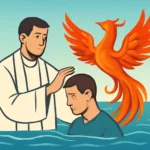
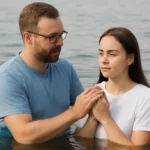
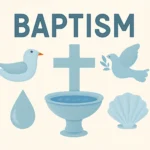
A baptism ceremony is more than a single moment; it is a rite of passage that connects families, communities, and traditions. Whether you are planning a child’s baptism, an adult baptism, or a family christening, thoughtful preparation helps the event feel authentic, welcoming, and spiritually meaningful. This guide explores planning tips, practical logistics, and a variety of traditions that can shape a memorable baptism ceremony. It emphasizes respect for different denominations while offering ideas that work across settings.
Setting the Foundations for a Meaningful Baptism Ceremony
At the heart of any baptism service is a sense of belonging to a wider faith community. In this section, we explore how to frame the occasion so that it honors personal beliefs while honoring the traditions of the church or faith family. The focus is on intention, symbolism, and participation.
Community orientation: A baptism ceremony is not just about the individual being baptized. It is a public declaration that the person is welcomed into the faith community, with family and sponsors vouching for supportive guidance and spiritual nurture.
Symbolism of water: Water represents cleansing, rebirth, and life. Its meaning can vary by tradition—from immersion to pouring or sprinkling—yet the shared symbolism remains powerful across cultures.
Promises and commitments: Parents, guardians, or sponsors typically respond to questions about raising the child in the faith, while the person being baptized (if old enough) makes or affirms personal beliefs.
Liturgical flow: A clear sequence—welcome, readings, prayers, vow exchange, blessing, and welcome into the community—helps guests participate with reverence and understanding.
Inclusivity and accessibility: Consider language, seating, and accommodations so that guests of all ages and backgrounds feel connected to the ceremony.
Choosing the Rite and Denomination Variations
Rituals and expectations around baptism vary widely. Understanding options helps families choose a path that aligns with their beliefs and the resources available in their congregation or faith community. The following subsections summarize common patterns and highlight what to discuss with your clergy or church leadership.
Catholic and Orthodox Traditions
In Catholic and Orthodox settings, baptism is often the foundational sacrament of initiation. The ceremonies emphasize communal belonging, parental responsibility, and sacramental grace. In many places, infant baptisms are common, though believers’ baptism is practiced in certain communities within these traditions as well.
Infant baptism: Typically involves water in a baptismal font, a priest or priestess administering the rite, and godparents or sponsors who commit to supporting the child’s faith journey.
Triple immersion or pouring: Orthodox practice often includes immersion in water three times and chrismation (anointing with oil) shortly after, symbolizing full initiation into the Church.
Role of sponsors: Godparents or sponsors stand with the parents to affirm spiritual guidance, education, and moral support.
Public reaffirmation: For adults or older children who join later in life, the rites may be combined with catechesis and a profession of faith.
Protestant and Anglican Practices
In many Protestant and Anglican communities, baptism is viewed as an outward sign of an inward faith. Practices range from infant baptism to believers’ baptism (adult baptism) and can include varied liturgical tones from formal to informal, depending on the church.
Infant or child baptism: Acknowledges God’s grace and promises to raise the child in the faith. Godparents often commit to spiritual support.
Believers’ baptism: Emphasizes personal faith, repentance, and a conscious choice to follow Christ, typically by immersion or pouring.
Christening terminology: Some congregations use “christening” as a traditional name for the ceremony, though the theological emphasis may be baptism rather than naming.
Communal participation: Congregational hymns, prayers, and congregational responses are common, reinforcing the public nature of the pledge.
Believers’ Baptism for Adults and Non-denominational Settings
Believers’ baptism is often associated with non-denominational churches, evangelical communities, and some independent congregations. The focus is on personal decision, instruction, and a public declaration of faith.
Adult baptism: Typically preceded by a period of teaching or baptism classes to understand beliefs and commitments.
Mode of baptism: Sprinkling, pouring, or immersion may be chosen based on tradition, climate, or symbolism. Immersion is sometimes preferred where feasible.
Testimony and witness: Many services include a brief personal testimony from the person being baptized, or from family members, to share faith journeys.
Planning and Scheduling: When and Where
Practical planning is essential to ensure a smooth baptism ceremony that honors the spiritual intent and the logistical realities of the family and venue. The following considerations help you decide on timing, location, and coordination with clergy.
Choose a date and time: Consider major religious seasons (e.g., Easter, Christmastide) or a consecrated weekday that fits family calendars. Weekends often work well for guest turnout.
Venue selection: A church sanctuary, chapel, or a rented sacred space may influence acoustics, seating, and accessibility. Outdoor ceremonies can be meaningful in good weather if permitted.
Clergy and officiant: Confirm the appropriate person to lead the rite—priest, pastor, minister, or bishop—and discuss the scope of the service (length, format, readings).
Liturgical calendar: Some churches have preferred readings or seasonal tones. Coordinate with the officiant to align readings with liturgical seasons if desired.
Contingency planning: Have a plan for rain, heat, or delays. Ensure backup seating, sound, and accessibility accommodations on the day of the ceremony.
Invitees, Sponsors, and Roles
Invitations and the roles people play in the ceremony contribute to the sense of community and responsibility. Thoughtful planning helps guests feel included and prepared for what to expect.
Godparents or sponsors: Their responsibilities typically include spiritual guidance, moral support, and participation in the rite. Check church policy on age, faith background, and expectations.
Parents and guardians: They usually affirm vows, commit to raising the child in the faith, and coordinate with the clergy.
Photographers and videographers: Agree on what to capture and where to stand so as not to disrupt the sacred mood or flow of the service.
Musicians and choir: Select musical pieces that fit the liturgical setting, the denomination’s preferences, and the available rehearsal time.
Greeters and ushers: Assist with guest arrival, seating, language accessibility, and item distribution (programs, bulletins, keepsakes).
The Ceremony Itself: Structure, Readings, and Music
A well-planned structure helps participants engage deeply with the symbolism of the rite. While each tradition has its own contours, most baptism ceremonies share common elements such as welcome words, readings, vows, blessing, and a concluding welcome.
Processional and welcome: Music or silence can set the mood as the participants enter. The officiant often welcomes guests and introduces the purpose of the service.
Scripture readings and prayers: Choose passages that speak to grace, renewal, and community. Consider including a responsive or congregational prayer.
Affirmation of faith or vows: Parents or guardians answer questions about raising the child in the faith, or the person being baptized (if adult) states their beliefs.
Symbolic act with water: Depending on tradition, water may be poured, sprinkled, or poured with immersion. The officiant pronounces the blessing.
Lighting or chrismation (where appropriate): Some rites include additional sacraments or symbols, such as anointing with oil or a lighted candle symbolizing illumination in the faith.
Welcome into the community: The congregation is invited to welcome the newly baptized member, reinforcing the sense of belonging to the faith family.
Concluding remarks and recessional: A final blessing, a hymn, and the recessional signal the end of the ceremony and begin the reception or fellowship period.
Clothing, symbols, and keepsakes contribute to the sensory memory of the day. Thoughtful choices reflect reverence, practicality, and personal meaning.
Attire: Families often choose modest, comfortable clothing appropriate for the season and venue. In some traditions, the child wears white as a symbol of purity.
Garments for infants: White baptism gowns are traditional in many cultures; alternatives include simple white robes or family heirlooms.
Christian symbols: Cross jewelry, baptismal candles, or baptismal pins can be meaningful keepsakes that family members may wear or gift.
Keepsakes and memory items: Consider a certificate, a framed print of a baptismal blessing, or a photograph that captures the moment for the family album.
Venue, Decor, and Accessibility
Decor should support the sacred mood without distracting from the rite. Accessibility ensures that all guests can participate with dignity and ease.
Decor considerations: Soft lighting, floral arrangements, and minimal banners can create a serene ambiance. Avoid overloading the space with distractions.
Seating and sightlines: Ensure all attendees have a clear view of the water rite and the participants at the front. Consider a seating chart and reserved sections for families or elderly guests.
Sound and music: Test microphones, speakers, and musical cues in advance. Provide printed or projected lyrics for any congregational singing.
Accessibility: Plan for wheelchair access, ramps, and seating near entrances. Provide hearing assistance devices if needed and large-print programs for visibility.
Invitations, Programs, and Guest Experience
Preparing formal invitations, a service program, and guest directions helps attendees participate with clarity and appreciation. The guest experience should feel cohesive with the ceremony’s tone.
Invitations: Send invitations well in advance with clear information about date, time, location, dress code, and RSVP details. Include notes about parking or special needs.
Program content: A program can include order of service, readings, hymns, acknowledgments to sponsors, and a short note about the meaning of the rite.
Reception and aftercare: If a reception follows, provide guidance about timing, location, and any dietary considerations. A short moment of quiet or reflection after the ceremony can be appreciated by guests who travel far.
Documentation, Records, and Legal Aspects
Keeping accurate records is important for religious, cultural, and civil purposes. Different denominations have specific documentation processes for baptism.
Certificate issuance: Many churches provide a baptism certificate documenting the date, location, and officiant. It is often suitable for family keepsakes and church records.
Record-keeping: The baptism may be registered in the church’s sacramental registry and shared with the family for continuity in future rites like first communion or confirmation.
Non-denominational or interfaith considerations: If the ceremony involves multiple faith backgrounds, discuss how to document or recognize the rite respectfully within the family’s different traditions.
Cultural Variations and Regional Customs
From coastal towns to mountain villages, baptism ceremonies reflect local cultures, cuisines, music, and storytelling. Adapting elements respectfully can enrich the experience while preserving core spiritual meanings.
Regional music: Traditional hymns, chorales, or folk tunes can be integrated with permission from the officiant, as long as they remain respectful to the ceremony’s sacred character.
Symbolic gestures: Some communities incorporate symbolic acts such as a baptismal candle, a white garment, or a family blessing circle, all of which can be harmonized with the sermon and readings.
Guest participation: Invite guests to participate in responsive prayers or song lines to deepen collective worship and sense of belonging.
Even well-intended plans can encounter hiccups. Here are practical tips to prevent common issues and to keep the focus on the sacred purpose of the rite.
Avoid over-scheduling: A baptism ceremony should stay focused. Too many readings, long sermons, or excessive processions can tire participants and dilute the meaning.
Clarify expectations: Communicate clearly with the officiant and sponsors about roles, timing, and any special considerations—especially if there are children, seniors, or guests with accessibility needs.
Respect denominational guidelines: Some traditions have strict requirements about who can perform the rite, the use of water, or the order of service. Align plans with the church’s policy.
Honor family privacy: Some families prefer to keep certain aspects private. Respect their wishes in readings, testimony, or the sharing of personal faith journeys.
A Practical Timeline and Checklist
Organizing a baptism ceremony benefits from a structured timeline. The following sample plan provides a framework that can be adapted to most traditions and schedules.
6–12 weeks out: Meet with the officiant; choose the rite type; select sponsors; begin inviting close guests; decide on venue and date; order any special garments or keepsakes.
4–6 weeks out: Confirm readings, music, and any testimonies or child-friendly elements; obtain religious sponsor declarations; finalize guest communications and program layout.
2–3 weeks out: Confirm photography/videography; finalize seating and accessibility arrangements; arrange rehearsal if there is one; prepare contingency plans for weather or delays.
1 week out: Confirm RSVPs; share service program with participants; confirm attire and any gifts or keepsakes; prepare child-friendly touches if needed.
Day before: Rehearsal or quiet practice; deliver final instructions to participants; check all equipment and water arrangements; confirm arrival times for clergy and musicians.
Day of: Arrive early, set up, welcome guests, conduct the ceremony with reverence, and share post-service greetings and refreshments as planned.
Understanding common terms helps avoid confusion and ensures everyone knows what to expect. This quick glossary covers some of the most frequently used words in baptism planning.
Baptism: A rite of admission to the faith community involving water and often vows, symbolizing cleansing, renewal, and new life in Christ.
Christening: A traditional term used in some communities to describe a baptism, especially for infants; emphasis varies by tradition.
Sponsor/Godparent: A person who commits to supporting the baptized person’s spiritual growth and participation in the faith community.
Immersion: A mode of baptism where the person being baptized is submerged in water; common in some Christian traditions.
Pouring: Water is poured on the head, a common form in many denominations that emphasize symbolic cleansing and grace.
Chrismation (anointing): Anointing with holy oil as part of initiation in some Orthodox and Eastern Christian traditions.
Sacrament: A sacred rite recognized as a channel of divine grace in certain Christian traditions.
In planning a baptism ceremony, the goal is to honor the beliefs of the family while inviting the wider community to witness, celebrate, and support the faith journey ahead. By balancing theology, tradition, and sensitivity to guests, you can craft a baptism, christening, or water rite that feels both sacred and inclusive. The key is to communicate clearly with the officiant, involve sponsors and family members in meaningful roles, and create a ceremony that resonates with the values you hold most dear. May this guide help you navigate the planning process with clarity, reverence, and joy.

 Por Laura Jara