In many cultures around the world, the two closely linked holidays of Christmas Eve and Christmas form a sequence of rituals, meals, songs, and religious observances that shape the December landscape. This article explores the traditions, dates, and celebrations that surround these days, highlighting how people mark the spiritual meaning of the season while also enjoying family time, communal gatherings, and festive foods. Whether you know them as Nochebuena in Spanish-speaking regions, Heiligabend in German-speaking areas, or simply the Eve of Christmas, these days bring a sense of anticipation, generosity, and shared memory that transcends nationality and language.
The term Christmas Eve refers to the evening or the entire day before Christmas, traditionally the time when families prepare for the holy day and begin the celebrations in earnest. In many traditions, the most important events happen on the night of this day: a family supper, the lighting of candles, carols, and, for some, the first exchanging of gifts. In other parts of the world, the main festivities center on the afternoon or evening of December 24, while in others the principal ritual occurs on the morning or midday of Christmas Day.
Across languages and cultures, the phrase used for this moment of anticipation varies, yet the underlying idea is common: the day of waiting culminates with a remarkable reveal or gathering. In Spain and Latin America, the evening of the 24th is the primary celebration, known widely as Nochebuena, a night of feasting, gift-giving, and often a late feast. In Germany, Austria, and parts of Central Europe, Heiligabend carries similar weight, with a formal family meal and the opening of presents after the meal or at a later time in the evening.
Even where the customs differ, the spirit of Christmas Eve remains tied to themes of hospitality, shared meals, and preparation for a holy day. Some communities emphasize a midnight vigil or a church service on the night of December 24, while others favor a lively family gathering that spills into the early hours of December 25. Within the modern world, these traditions continue to adapt: some households open presents in the afternoon of the 24th, while others reserve the moment for after a late dinner or a special service.
Dates, Timings, and the Christmas Season
The timing of Christmas Eve and Christmas is anchored in the winter solstice in the northern hemisphere and, for observers in the southern hemisphere, in the summer season. Yet the social calendar may shift what people call “the holidays.” The core dates to remember are:
December 24 – widely recognized as the eve of the holiday in many European, Hispanic, and some Asian communities. It is often the busiest day for family gatherings, feasts, and the first unveiling of presents.
December 25 – celebrated as the central day of Christmas in most of the Christian world, commemorating the birth of Jesus. In many places, the morning or early afternoon of the 25th is when gifts are exchanged or when a special church service is held.
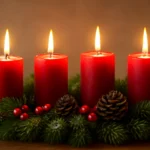
The Advent season – a four-week period leading up to Christmas, marked by anticipation, preparation, and spiritual reflection. Many households light an Advent wreath, read daily devotionals, or count down to the big day with small treats or activities.
The way these dates are observed can vary widely:
In some countries, Christmas Eve is the principal day of celebration, with a grand feast and the exchange of gifts occurring after the evening meal or around midnight. The emphasis is on family time and shared rituals that occur before the calendar flips to Christmas Day.
In other places, Christmas Day is the moment of greatest religious or cultural significance, with a morning church service or mass, followed by a festive luncheon or dinner and present-giving later in the day.
Across the globe, the hours between late afternoon and midnight on the 24th are often filled with singing, storytelling, and children watching the skies for visitors who bring gifts, whether that be a figure like Santa Claus, St. Nicholas, Father Christmas, or local legends.
The interplay between Christmas Eve and Christmas highlights an essential lesson about time and memory: the same holiday can carry a different rhythm depending on culture, family tradition, and religious practice. For some families, the two days form a continuous celebration that bridges the old year with the new, while for others, they balance quiet contemplation with exuberant festivity.
Traditional Foods, Feasts, and Festive Flavors
Food is a universal language during the Christmas season, and each region brings its own palette to the table. On Christmas Eve, many families prepare dishes that reflect local harvests, history, and religious observances. The foods chosen often symbolize luck, abundance, and communal sharing, and they can be as simple as a soup or as elaborate as a multi-course feast.
Europe – In Central and Northern Europe, a common centerpiece might be roast poultry or game, stuffed vegetables, dumplings, or fish. In parts of Eastern Europe, bountiful fish courses (such as carp) can be the focus of the Vigil meal. The Christmas Eve supper is traditionally a meatless meal in many households, with fish, bread, and warm stews taking prominence.
Italy – The Feast of the Seven Fishes echoes the Catholic approach to the vigil, with a symbolic, seafood-centered menu. The main Christmas Day meal often features pasta, roasted meats, and an array of regional desserts.
Spain and many Latin American cultures celebrate Nochebuena with a late dinner that might include turrón, polvorones, and other regional sweets, followed by the exchange of gifts and family songs into the night.
Poland – The Wigilia supper is a formal, blessed, meatless feast. It begins with the sharing of the opłatek (a wafer) and the breaking of bread, and it features 12 dishes representing the months of the year or the 12 apostles.
Germany and parts of the German-speaking world – A traditional Christmas Eve meal may be light, followed by the opening of gifts, or a formal feast of roast meat, dumplings, and red cabbage. Spiced cakes and cookies, like lebkuchen, are common treats.
United States and Canada – The day after Thanksgiving often signals a broader seasonal feast, with turkey or glazed ham, stuffing, mashed potatoes, vegetables, and a variety of pies. For many families, cookies, cocoa, and a bustling exchange at dusk or after a church service are part of the ritual.
When it comes to classic sweets, several items recur across societies:
Panettone and Pandoro in Italy
Stollen in Germany
Gingerbread cookies and mince pies in the British tradition
Tamales and other regional delicacies in parts of Latin America
Fruitcake, fruit mince, and spiced cookies across many Anglophone countries
The act of sharing meals together on Christmas Eve or Christmas Day is itself a symbol of unity and hope. Food serves not only nourishment but also as a bridge among generations, a way to transmit stories, recipes, and family lore from grandparents to grandchildren. In many homes, the same dishes become a family archive, with the recipes passed down and adapted with each passing year.
Global Traditions: Regions, Customs, and Variations
Europe: Deep Roots and Modern Adaptations
Across Europe, Christmas preparations blend Christian liturgy with medieval and folk customs. In many places, the vigil is a time of singing carols such as Stille Nacht (Silent Night) or regional hymns, along with processions, nativity scenes, and the lighting of candles. The Advent calendar tradition remains popular, counting down to the big day with a small gift or poem behind each door.
Spain and parts of Latin Europe emphasize Nochebuena as the main event, with a long feast often concluding after midnight. The Rosca de Reyes (Three Kings Day) on January 6 is another festive milestone, marking the end of the Christmas season in many communities.
France offers a mix of solemnity and indulgence: a late feast, followed by regional desserts such as bûche de Noël (Yule log) and chocolate treats.
Nordic countries highlight lights, candles, and winter rituals, with Santa figures often sharing the stage with local folkloric characters during the late hours of December 24.
North America: Diverse Traditions and Shared Narratives
In North American households, Christmas Eve and Christmas often blend immigrant traditions with contemporary pop culture. Large urban congregations host candlelight services, while families might attend a Midnight Mass or an early evening service. Gift exchanges can occur in the late afternoon or after dinner, depending on family habit and regional customs.
United States – A broad mosaic of practices, from decorating homes with elaborate light displays to having Santa visit homes on the night of December 24 or early on December 25.
Canada – The climate deepens the sense of warmth inside homes; many families emphasize a big breakfast or brunch on Christmas Day after a quiet morning opening a few presents.
Mexico – The evening of Nochebuena is a central family gathering, with a late dinner, piñatas, and, for some, the appearance of the pónta or other local gift-bringers during or after the meal.
Latin America and the Caribbean: Wealth of Festive Traditions
In many Latin American and Caribbean communities, the holiday season revolves around Nochebuena and often culminates with a Christmas Day mass or service. The festivities can extend into the days after Christmas and into the new year, reflecting a rhythm of community, church, family meals, and music.
Brazil features a mix of European and Indigenous influences, with many households celebrating on Christmas Eve or Christmas Day, often including a special seafood dish in coastal regions and a large family meal.
Argentina and Chile blend feasts with outdoor gatherings in Southern Hemisphere summer, where barbecues and salads accompany traditional breads and desserts.
Spain and its former colonies share the Nochebuena emphasis, while Epiphany celebrations on January 6 (the Epiphany) extend the season in some communities.
Asia and Oceania: Globalizing Traditions
In Asia and Oceania, Christmas is observed by diverse communities with varying degrees of religious emphasis. Some households decorate with Christmas trees, lights, and nativity scenes, while others celebrate primarily as a cultural or secular holiday enriched by local flavors and winter or summer climates.
Philippines – A country with a long Catholic tradition where Christmas is celebrated for weeks, beginning as early as September in some communities. The Simbang Gabi pre-dawn Masses culminate in Christmas Eve celebrations with a festive feast and gifts.
Australia and New Zealand – The December season coincides with summer, so outdoor gatherings, barbecues, and beach-time celebrations mix with church services and family dinners.
Japan – While a minority faith population observes Christmas, many people participate in secular customs such as Christmas lights, novelty cakes, and gift-sharing, often infusing the holiday with a sense of urban celebration rather than deep religious tradition.
Gifts, Santa Figures, and the Spirit of Giving
A defining feature of many Christmas cycles is the exchange of gifts, often motivated by the story of the Three Wise Men or the legend of Santa Claus, depending on the culture. The act of giving is a practical expression of generosity and gratitude, reinforcing social bonds and the idea that the holiday season should foster care for others.
Santa Claus (also known as Saint Nicholas or Father Christmas) appears in many regions as a benevolent gift-bringer who travels on the night of the 24th or the 25th, delivering presents to children who have been nice or well-behaved.
Saint Nicholas and regional saints influence gift-giving in parts of Europe, where children may receive small treats on the eve, with larger gifts arriving when the feast day of the saint passes or during Epiphany.
Reyes Magos and the Epiphany tradition in parts of Spain and Latin America emphasize a later gift-bringing moment, bridging the Christmas season with the celebration on January 6.
In contemporary life, the gift-giving ritual often blends the old with the new: secret Santas in workplaces, charity drives during Advent, and the practice of giving experiences or donations in the name of others. For many families, tangible presents sit alongside intangible gifts—time together, acts of service, and the opportunity to create meaningful memories that endure beyond the holiday season.
Music, Decorations, and Light: The Sensory Side of the Holidays
The sensory elements of Christmas—music, lights, tree decorations, and fragrant foods—play a crucial role in shaping mood and memory. Carols, hymns, and festive songs become a soundtrack for the season, while lights and trees animate homes and public spaces. Nativity scenes, winter scenes, and other decorative motifs reinforce the story and the values of generosity, peace, and joy.
Carols and hymns—both traditional and contemporary—provide a shared language for communities to come together in worship or celebration.
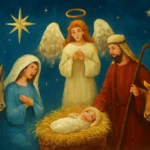
Nativity scenes and crèches depict the birth of Jesus and serve as focal points for reflection on the meaning of the season.
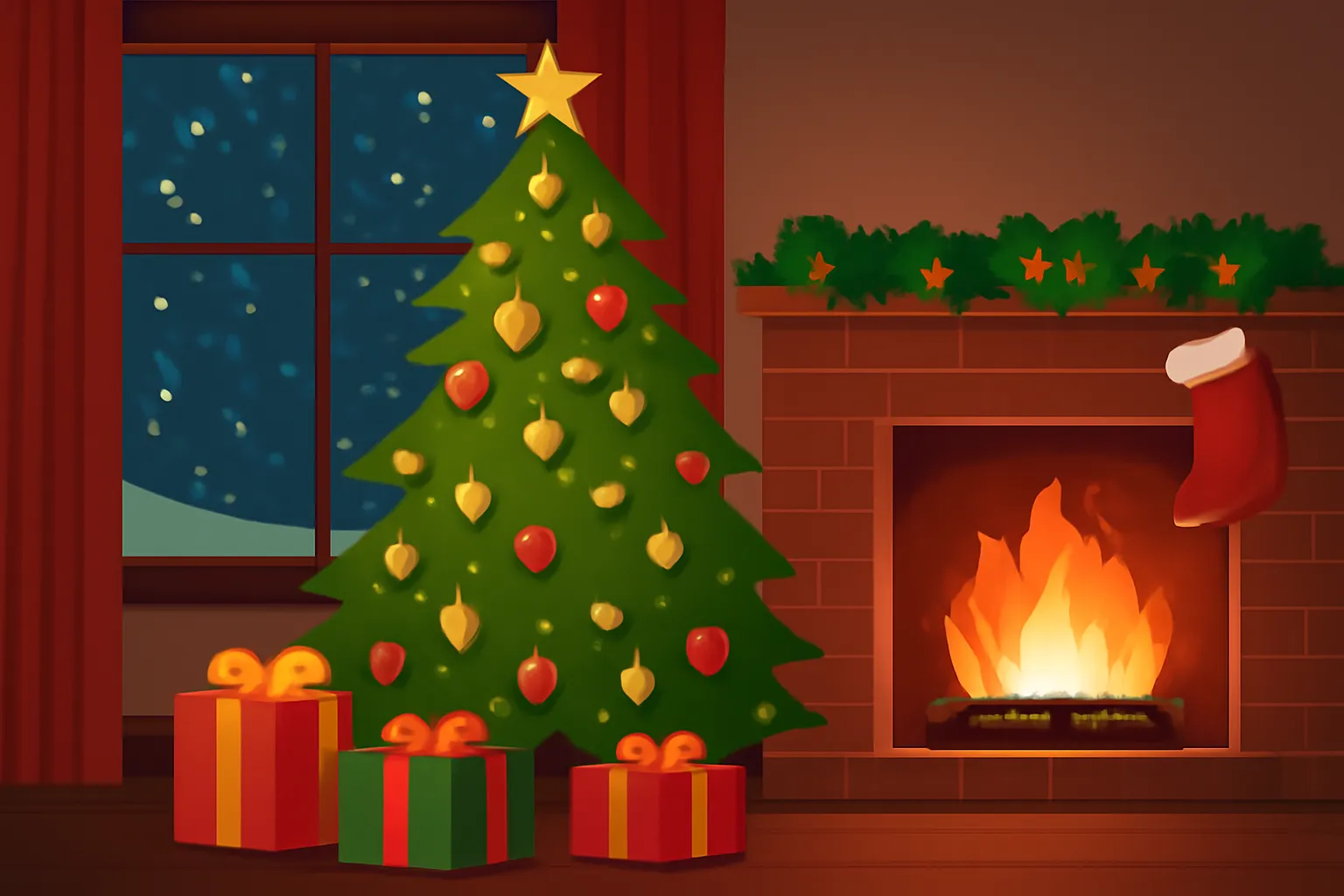
Decorations—evergreen trees, wreaths, candles, and colorful lights—signal the enduring life and hope associated with the season and brighten long winter nights for many communities.
The revival of holiday markets, outdoor concerts, and public light displays has transformed Christmas into a broader cultural festival in many cities. Even as some celebrate with solemn religious observances, others participate in secular rituals—choosing gifts, sharing recipes, and gathering with friends and neighbors for late-night conversations as the year draws to a close.
The Religious Significance: Faith and the Story of Light
For many people, Christmas is first and foremost a religious observance, centering on the birth of Jesus Christ and the message of hope, redemption, and peace. The status of Christmas Eve as a liturgical moment varies by denomination and locale, but the idea of preparing hearts for a sacred event remains a shared thread across Christian communities.
Midnight Mass or the Vigil Mass is a central rite for numerous Catholics and Anglicans, marking the transition from the vigil to the dawn of Christmas Day.
Advent practices—such as lighting the Advent wreath, reading daily devotionals, and recalling prophecies about the Messiah—build anticipation for the birth narrative.
In non-Christian contexts, the religious significance may be approached with interfaith or intercultural dialogue, emphasizing universal themes of peace, charity, and goodwill that the season inspires.
The theological focus on incarnation, the idea that the divine entered the world as a human being, resonates across traditions. Even as Christmas has become a global celebration with secular attributes—bright lights, gift exchanges, and festive feasts—the underlying narrative offers a moment of reflection on compassion, mercy, and shared humanity.
Modern Trends: Globalization, Technology, and Shifting Practices
In recent decades, the way people observe the holiday season has evolved. Globalization, media, and digital communication have created a shared vocabulary of symbols and practices, while at the same time preserving local customs. A few notable trends include:
Digital gift exchanges and online holiday greetings that stretch across borders, allowing families separated by distance to participate in a single season of celebration.
In many households, Christmas Eve and Christmas have become opportunities to combine religious devotion with secular pleasures—movies, music playlists, and decorative themes that echo popular culture as well as faith-based traditions.
Programs of charitable giving, volunteering, and community assistance during Advent have grown as expressions of the season’s ethical impulse, reinforcing the holiday’s emphasis on care for others.
At the same time, some communities are reexamining or adapting their practices. In multicultural societies, families may blend elements from multiple traditions, such as an Advent calendar one household uses to count down to December 25, paired with a cultural dish from another country. The result is a dynamic, evolving mosaic of customs that reflects both heritage and openness to new influences.
Tips for Planning a Thoughtful Christmas Season Celebration
Whether you observe the holiday with deep religious devotion or as a family celebration full of warmth and tradition, a thoughtful approach can help you create meaningful experiences. Consider these practical ideas:
Set intentions for the season: focus on themes such as generosity, togetherness, gratitude, or hospitality, and let them guide your activities—meals, gifts, and gatherings.
Invite inclusivity: welcome people who may be alone during the holidays, and consider sharing your Christmas Eve or Christmas Day rituals with newcomers or neighbors who might appreciate companionship.
Plan meals mindfully: create a menu that honors your cultural heritage while incorporating simple, comforting dishes that can be shared by all ages.
Preserve memory: document recipes, songs, and stories from elders, perhaps by recording conversations or compiling a family cookbook that can be passed down.
Balance tradition with flexibility: allow room for new customs, such as a charity project, a quiet moment of reflection, or a creative activity with children and guests.
By focusing on intention, inclusion, and memory, you can shape a season of Christmas that remains true to core values while inviting fresh energy and meaning.
Conclusion: The Shared Heart of Christmas Eve and Christmas
The relationship between Christmas Eve and Christmas is a tapestry woven from faith, family, culture, and time. The two days together offer a rhythm that can illuminate different facets of the season: reverence and awe, gratitude and generosity, memory and hope. Regardless of where you live or how you celebrate, the spirit of these days invites you to pause, gather, and share—food, stories, music, and the company of others—so that the light of this season can reach every home.

 Por Laura Jara