Pray for the Middle East: Messages of Hope and Ways to Help
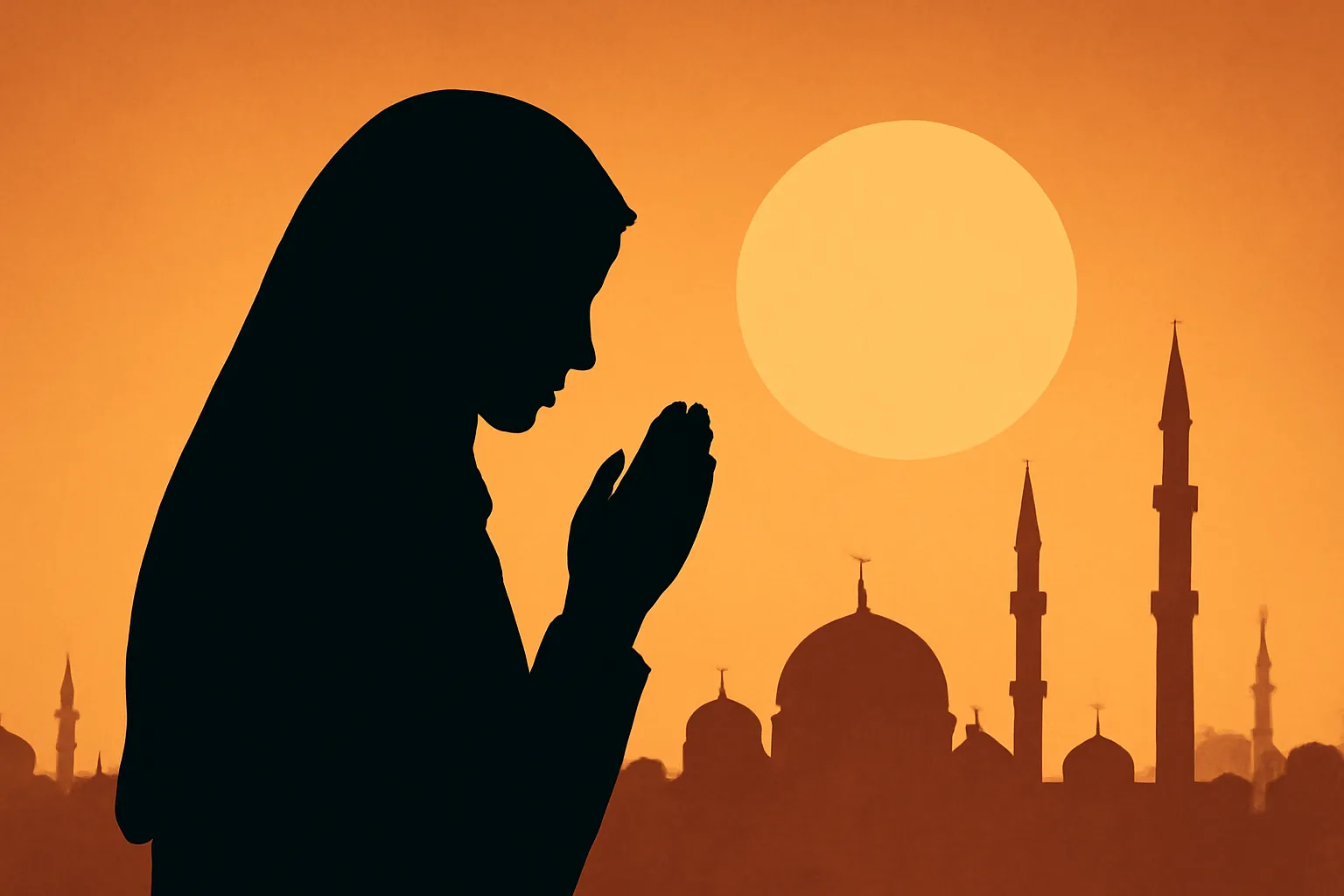
The phrase pray for the Middle East has echoed through countless communities during moments of crisis, and it continues to resonate today as a unified call for safety, dignity, and healing. In times of unrest, many people turn to prayer not only as a personal practice but as a shared act that transcends borders and beliefs. This article gathers prayers for the Middle East in their many forms, emphasizes messages of hope, and offers practical ways to help people who live in one of the world’s most complex and historically rich regions. You will encounter variations like prayers for the Middle East, praying for peace in the Middle East, and let us lift up the Middle East in prayer, each reflecting a facet of how communities respond to suffering and aspire toward a better future.
While the call to prayer is a spiritual gesture for many, it is also a reminder that action often accompanies intention. The goal of this piece is to honor faith, foster solidarity, and illuminate concrete avenues through which individuals, families, and organizations can contribute—both through reflective practice and sustained support for those in need. In a region where histories intertwine and communities frequently face displacement, the simple acts of listening, learning, and standing with neighbors can become part of a broader, enduring effort to cultivate peace.
Messages of Hope: The Language of Prayer in the Middle East Context
Across traditions, messages of hope share a common core: safety, dignity, and the possibility of renewal. In times of hardship, middle east prayers often emphasize not only relief from immediate suffering but also resilience—the inner and communal strength to endure, rebuild, and extend mercy to others. A hopeful message might center on prayer for peace in the region, acknowledging pain while inviting a future in which children grow up with access to schools, healthcare, and the chance to live without fear.
Prayers for the Middle East frequently name the vulnerable first—children who deserve dignified care, families seeking safety, farmers whose livelihoods depend on stable weather and reliable markets, and elders who carry generations of memory and culture. When people lift up these needs in prayer, they also commit to solidarity in action. This is the heart of messages of hope: belief that empathy can translate into aid, policy changes, and constructive dialogue that reduces harm and expands opportunity.
For readers who identify with specific faith communities, the language of hope can be tailored to align with spiritual vocabulary while maintaining universal values. Examples include:
Prayers for the Middle East that seek healing for the wounded and comfort for those who mourn.
Prayers for peace in the Middle East that acknowledge the pain of trauma while inviting pathways to reconciliation.
Praying for peace in the Middle East as a stance of nonviolence and a commitment to human dignity.
Let us lift up the Middle East in prayer as an invitation to join hands across cultures in the interest of justice and mercy.
In addition to formal liturgies, many communities share interfaith messages of hope that emphasize common ground—shared values such as mercy, hospitality, care for the vulnerable, and the belief that human life has intrinsic value. A central thread in these messages is the recognition that prayer is most meaningful when paired with acts of charity, advocacy, and mutual aid that reach beyond religious boundaries.
Prayers and Practices: How to Pray for Peace in a Sensitive Region
The practice of prayer can take many forms, and the most meaningful approaches often honor the diversity of belief within the Middle East itself. Whether you pray in a house of worship, at home, or in a quiet moment outside the bustle of daily life, you may consider these inclusive approaches:
Begin with a moment of silence to acknowledge the humanity of all who suffer in the region and to center your own intentions on peace, safety, and justice.
Include specific, compassionate petitions for children, families, healthcare workers, and aid responders who carry heavy burdens in crisis zones.
Pray for protective access for humanitarian convoys, for pauses in hostilities, and for the unhindered delivery of food, shelter, medicine, and education.
Practice gratitude for acts of courage, generosity, and solidarity that emerge from communities at home and abroad.
Offer prayers for local and regional leaders to have wisdom, restraint, and a shared commitment to human rights and prosperity for all people.
To broaden the reach of your spiritual practice, you can also adopt prayers for the Middle East that reflect interfaith respect. Examples include:
Pray for the Middle East in ways that honor the faith tradition of neighbors who may hold different beliefs.
Prayers for the Middle East that lift up the idea of justice, equity, and safety for refugees and host communities alike.
For secular readers, mindfulness and intention-setting can accompany this language of prayer. You might say, praying for peace in the Middle East as a process of aligning your energy with acts of charity, education, and advocacy. In practice, this can involve volunteering, donating to reputable relief organizations, and promoting accurate information about the region. The goal is to move from contemplation to constructive support that respects the dignity and agency of people living in conflict zones.
In addition to personal practice, you can participate in group or community prayers that emphasize unity and shared humanity. When people from different backgrounds come together to offer support, the effect is a public affirmation that peace is worth pursuing together, not alone.
Rituals and symbols across traditions
Some communities gather in shared spaces for brief, nonsectarian moments of remembrance. Others may light candles, offer prayers aloud, or recite universal hopes for safety and healing. The common thread is respect for life, the dignity of every person, and the belief that peaceful futures are built through patience, generosity, and persistent effort.
Historical Context and Humanitarian Realities in the Middle East
Understanding the regional dynamics helps explain why a broad chorus of voices calls for both prayer and action. The Middle East encompasses a variety of cultures, languages, and faiths, as well as decades of conflict, displacement, and reconstruction. While no single narrative can capture the entire landscape, several recurring themes emerge in crises:
Displacement and refugee flows that test families, communities, and international responses.
Access to essential services, including clean water, healthcare, education, and shelter, which can be disrupted during emergencies.
Food insecurity that affects the most vulnerable households and complicates long-term planning for families and aid workers alike.
Protection of civilians, including children, women, the elderly, and people with disabilities, who deserve safety and dignity.
Human rights and humanitarian corridors as critical components of relief efforts and regional stability.
The region’s history—woven from centuries of trade, culture, and diplomacy—reminds the world that peaceful coexistence remains possible even after long cycles of conflict. Messages of hope often draw on this legacy: if communities have endured hardship before, they can find a way forward together. Prayers for the Middle East and related expressions of solidarity can accompany a long-term commitment to relief work, advocacy for just policies, and support for rebuilding efforts that respect local sovereignty and cultural heritage.
For readers seeking a grounded perspective, it can be helpful to distinguish between empathy and sensationalism. We can offer solutions-oriented prayers that translate into practical steps—support for healthcare providers in conflict zones, funding for mental health programs, and investments in education that empower youth to imagine and build better futures.
Voices of Hope: Stories and Messages from the Ground
Across the Middle East and among diaspora communities around the world, people share stories of resilience that illuminate the power of hope. These narratives often begin with listening—hearing the needs of neighbors, recognizing shared humanity, and responding with humility and generosity.
One constructive approach is to elevate voices of resilience from affected communities. In many neighborhoods, teachers, nurses, and volunteers have become the backbone of relief and recovery efforts, offering care, education, and a sense of normalcy for children in crisis zones. Their stories remind us that faith-based and secular communities alike can be part of a broader humanitarian tapestry.
«In the darkest hours, neighbors opened doors and offered meals, a reminder that hospitality can outlast fear.» — community worker from an urban neighborhood affected by conflict.
«Our youth are learning what peace looks like in practice—through dialogue circles, cultural exchanges, and inclusive classrooms.» — educator in a displaced persons camp.
«Support arrived not only as aid but as a signal that people care, that the region matters to the global community.» — aid worker in a field hospital.
These testimonies underscore a central message: hope is reinforced by action. Prayer, in this view, is a catalyst for a spectrum of efforts—care, advocacy, and solidarity—that hold communities together as they endure hardship and pursue renewal.
Ways to Help: From Prayer to Practical Action
If you are moved to respond to the call to pray for the Middle East, consider pairing that spiritual impulse with concrete, ethical, and sustainable actions. Here are a range of pathways that have proven effective and respectful:
Donate to reputable humanitarian organizations working in the region. Look for groups that maintain transparency, respect local leadership, and coordinate with on-the-ground partners. Examples include international relief agencies and local NGOs with a proven track record. Donations can fund emergency food, medical care, water purification, shelter, mental health support, and programs that help families regain stability.
Volunteer your time or expertise in ways that align with your skills and capacities. This might mean volunteering for community aid projects, participating in fundraising drives, providing language support for refugees, or offering professional services such as medical, legal, or educational assistance.
Advocate for policies that protect civilians and expand humanitarian access. Contact elected representatives, engage in respectful dialogue, and support efforts to reduce barriers to relief, safe corridors for aid, and the protection of humanitarian workers.
Support refugees and host communities with culturally informed generosity. This can include assisting with language learning, helping families navigate housing and employment, and offering mentorship that helps newcomers integrate while preserving dignity and autonomy.
Educate yourself and others about regional history, cultures, and current events. Share accurate information, counter misinformation, and encourage dialogue that emphasizes human rights, religious freedom, and mutual respect.
Engage in interfaith and intercultural dialogue to build trust and reduce stereotypes. Attend or host joint forums, service projects, or cultural exchange events that center on shared values like compassion, justice, and mercy.
Practice responsible consumption by supporting fair trade, local producers, and economies that sustain livelihoods in the Middle East. Thoughtful purchasing can help families recover income and preserve traditional crafts and industries.
Join or organize community prayer vigils and solidarity events that welcome all neighbors, including those who might feel isolated or targeted. Such gatherings can provide a space for collective healing and mutual support.
Support education and youth opportunities that empower future generations. Scholarships, after-school programs, and digital learning initiatives can help young people envision a hopeful path forward.
When you communicate these efforts, be transparent about aims, collaborate with trusted local partners, and honor local leadership. The most enduring impact comes from initiatives that are locally owned, culturally sensitive, and designed to resonate with the needs of real communities.
Practical Guidelines for Digital Solidarity and Public Messages
In the digital age, online expressions of support can broaden the reach of 7 prayers for the Middle East and help coordinate relief efforts. Consider these guidelines to ensure your online presence is respectful, accurate, and helpful:
Share verified information from trusted sources and avoid sensational headlines that could inflame tensions.
Use inclusive language that honors diverse faiths and identities in the Middle East and among its diaspora communities.
Highlight hopeful narratives and concrete assistance, not just sorrow or blame.
Offer resources to learn more—maps, historical timelines, and explainers that foster understanding rather than division.
Coordinate with local organizations to avoid duplicating efforts or diverting aid from essential services.
For those who prefer to address this topic through creative expression, you can share poetry, art, or music that centers on resilience and healing while avoiding stereotypes. Whether you post a short message, a longer reflection, or a video, the most effective content invites readers to both reflect and take action.
Ethical Considerations: Dignity, Respect, and Cultural Sensitivity
When engaging with conversations about the Middle East, it is essential to uphold dignity for all people and to avoid language that stigmatizes or stereotypes any group. Respect for religious diversity, linguistic variety, and historical experience should guide both prayer and outreach. Ethical engagement includes listening before speaking, acknowledging multiple perspectives, and prioritizing the safety and autonomy of local communities.
A thoughtful approach recognizes that the region’s peoples are not merely victims of conflict but agents of resilience and innovation. Emphasizing their agency helps prevent charity from becoming paternalistic and encourages partnerships that empower communities to shape their own futures. In this spirit, peace-building efforts should be grounded in justice, local leadership, and human-centered relief that supports long-term recovery rather than short-term relief alone.
Closing Thoughts: Keeping Faith with Action
To pray for the Middle East is to acknowledge the fragile beauty of life in a region where culture, faith, and family are central. Prayer, in its broad sense, invites humility, compassion, and a sense of responsibility toward neighbors near and far. It asks us to bridge divides, to stand with the vulnerable, and to commit ourselves to tangible steps that ease suffering and foster opportunity.
The journey from prayer to action is not always quick or linear, but it is essential. By combining heartfelt prayers with concrete deeds—donation, volunteering, advocacy, education, and intercultural dialogue—we participate in a powerful chain of care. In doing so, we honor the memory of those who have suffered and affirm our shared humanity. Whether you speak in the language of faith or the language of conscience, the call remains the same: to be present, to listen, and to help create conditions in which peace can take root.
If you would like to continue your engagement, seek out local faith communities or humanitarian partners that emphasize integrity and effectiveness. Consider establishing a small, ongoing support plan that combines spiritual practice with monthly contributions to reputable relief efforts and regular participation in community dialogues. The aim is to transform intention into impact—and to keep hope alive through consistent, respectful actions that reflect the dignity of every person affected by crisis in the Middle East.
As you reflect on prayers for the Middle East and related expressions, remember that your voice matters not just in the moment of crisis but in the steady rhythm of daily life. By choosing to pair prayer with concrete service, you help to nurture a more humane world where all people, regardless of faith or background, can live with safety, freedom, and a future that honors their dignity.

 Por Laura Jara